Is homemade mayonnaise really healthier? Why a short ingredient list can hide risks and trade-offs
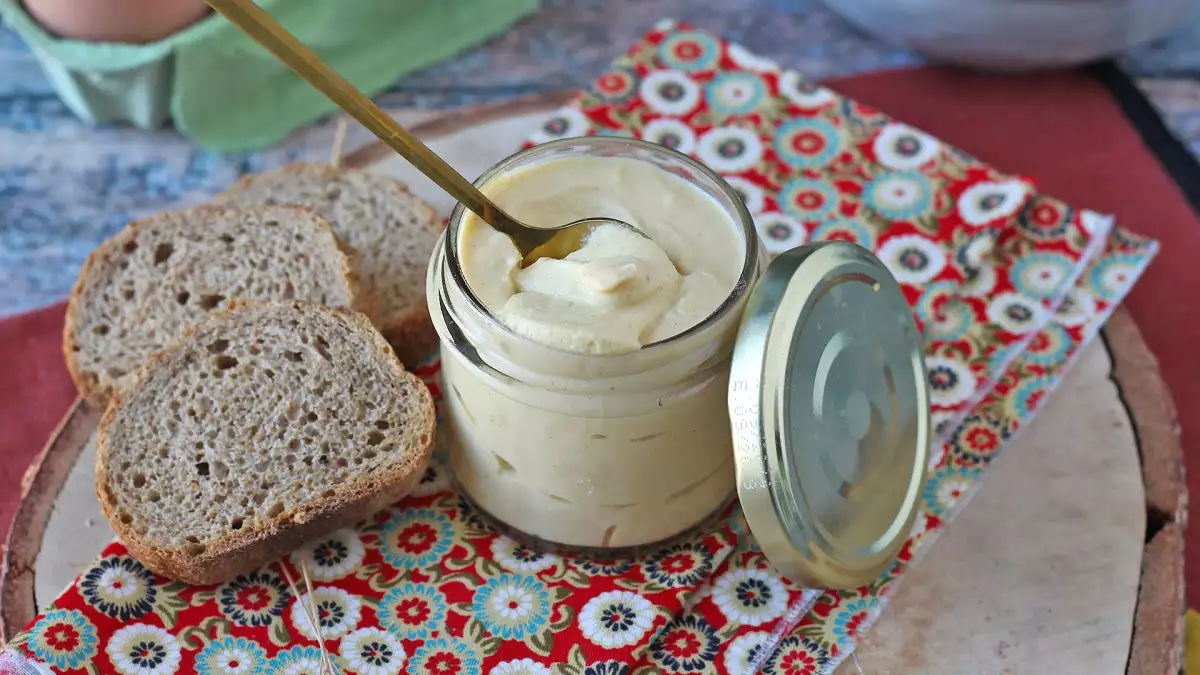
But in cooking, a short ingredient list doesn’t always mean it’s lighter, safer, or healthier. Mayonnaise remains, above all, a sauce that’s very high in fat, whether it’s made at home or sold in a jar.
So the real question isn’t just: homemade or store-bought? It’s more like: how much do I use, what do I eat it with, how long do I keep it, and which version really meets my needs?
Homemade or store-bought: You have to compare equal amounts
Classic mayonnaise is an emulsion: oil is gradually incorporated into an egg yolk, along with an acidic ingredient and mustard to stabilize the mixture. The result is creamy, but also very high in fat. The fact that it’s homemade doesn’t change this basic composition.
Store-bought mayonnaise, on the other hand, may contain additional ingredients: water, starch, sugar, flavorings, thickeners, and preservatives, depending on the brand. But it may also be more consistently standardized in terms of salt content, fat content, and shelf life. Some low-fat versions contain less oil, but sometimes compensate with water, thickeners, or a little sugar.
The best approach: check the label when buying a jar, and keep the recipe in mind when making it at home. In both cases, mayonnaise is a sauce to be used in small amounts, not a meal base.
The real nutritional issue: oil, not just additives
A traditional homemade mayonnaise can contain a high proportion of oil. That’s what gives it its thick, glossy texture. Even with high-quality oil, even with a fresh egg, even with lemon, it’s still a rich sauce.
Conversely, store-bought mayonnaise isn’t automatically “bad” just because it comes from a store. Some brands have a short ingredient list; others are longer. Some are very salty; others less so. Some are classic; others are lighter versions. So you need to compare the nutrition facts: calories, fat, sodium, and the actual portion size consumed.
The trap is thinking that a homemade sauce can be served more generously just because it seems healthier. However, if you add three large spoonfuls to a potato salad, a sandwich, or deviled eggs, the nutritional impact quickly adds up.
Homemade mayonnaise has a real advantage: taste and control
It’s also a great option when you want a sauce prepared at the last minute for a specific meal: hard-boiled eggs, cold fish, raw vegetables, cold roast chicken, a mixed salad, or a homemade buffet.
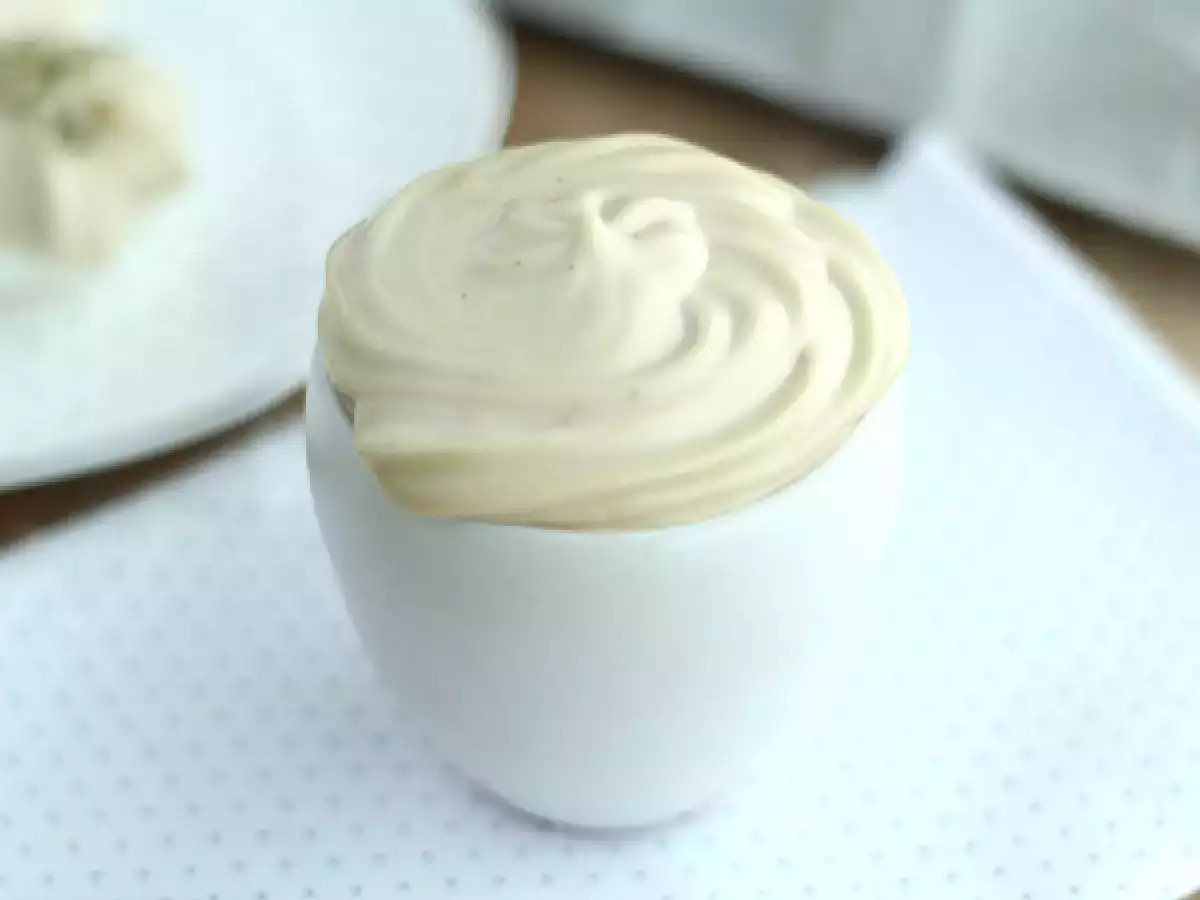
It's always useful to know how to make homemade mayonnaise. There are actually three types: mustard, vinegar, or lemon. Here we present a mayonnaise that is half mustard and half vinegar.
You can also vary the oils, as long as you don’t choose one that’s too strong on its own. Mayonnaise made solely with olive oil, for example, can quickly become bitter or have too strong a flavor. Sometimes it’s better to mix a neutral oil with a small amount of a more flavorful oil.
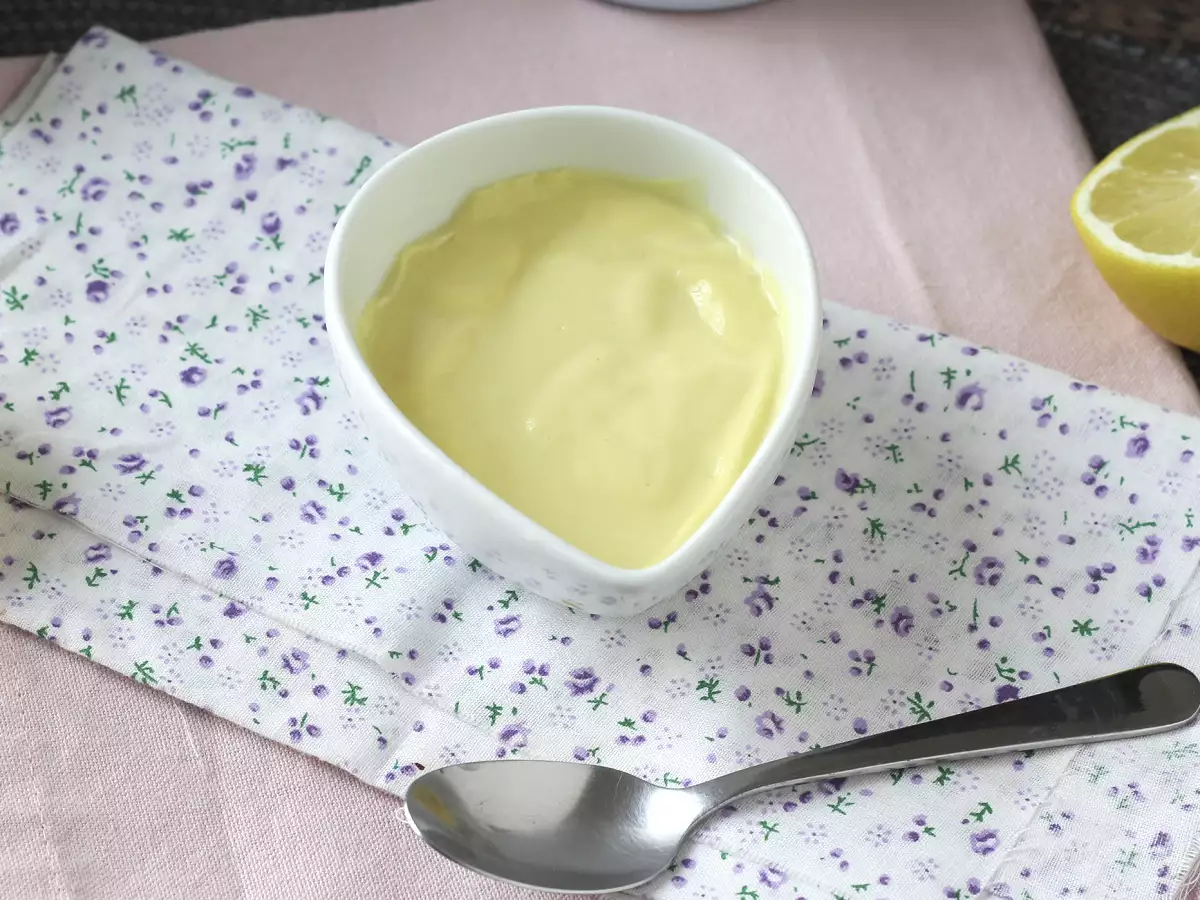
Delight yourself with this homemade mayonnaise with olive oil, healthy and delicious! This mayonnaise becomes the ideal choice to enhance the flavor of your sandwiches, wraps , hamburgers or French fries .
The best approach: prepare just enough for the meal, rather than a large bowl “just in case.” Homemade mayonnaise is best when fresh, but it also requires more care than store-bought mayonnaise.
Safety tip: raw eggs change everything
ANSES recommends consuming homemade egg-based preparations that are not cooked, such as mayonnaise, immediately after preparation, or keeping them refrigerated and consuming them within 24 hours. This is no small matter, especially in the summer, during a picnic, barbecue, buffet, or meal served outdoors.
Homemade mayonnaise should not be left on the table for hours. It should be made with clean, uncracked eggs in a clean container, then quickly returned to the refrigerator if not eaten right away.
Another key point: never assume that mayonnaise is safe just because it “smells good.” Some dangerous bacteria do not necessarily alter the smell, taste, or appearance of the food. If in doubt—especially after prolonged exposure to room temperature—throw it away.
Industrial: longer shelf life, but not a free pass
But once the jar is opened, you need to be careful: keep it in the refrigerator, use a clean spoon, avoid leaving it sitting on a table in direct sunlight, and follow the manufacturer’s instructions.
Store-bought mayonnaise is therefore not inherently “healthier.” It’s often more convenient and has a longer shelf life. It can also be a good option when preparing a meal to go, provided you maintain the cold chain. But depending on the brand, it may be saltier, sweeter, or contain unnecessary ingredients.
The right approach at the supermarket: compare two jars of the same type and first check the fat content, salt, sugar content, and ingredient list. There’s no need to look for the “perfect” jar—the main idea is to make an informed choice.
A yogurt sauce, for a lighter version
It can be seasoned with mustard, lemon, vinegar, fresh herbs, garlic, pepper, paprika, or a little curry. The result isn’t traditional mayonnaise, but a fresh, pleasant, lighter sauce that pairs perfectly with raw vegetables, potatoes, cold chicken, or fish.
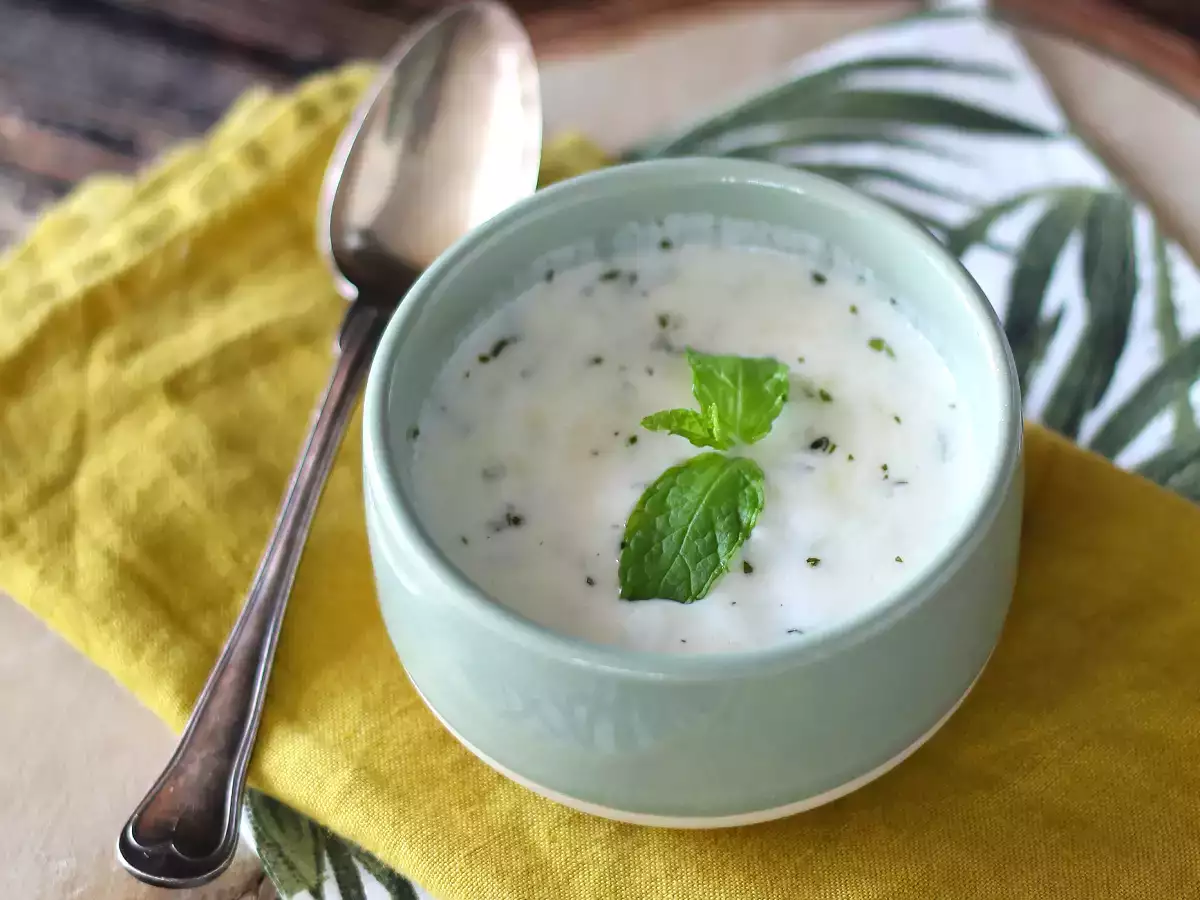
Get ready to refresh your taste buds with our delicious fresh yogurt sauce , the ideal way to enhance your summer salads and accompany your grilled meats and fish . This light and creamy sauce will bring a real touch of freshness to all your summer...
For a richer version, you can add feta, mint, or a drizzle of olive oil, while still maintaining a base that’s quite different from classic mayonnaise.
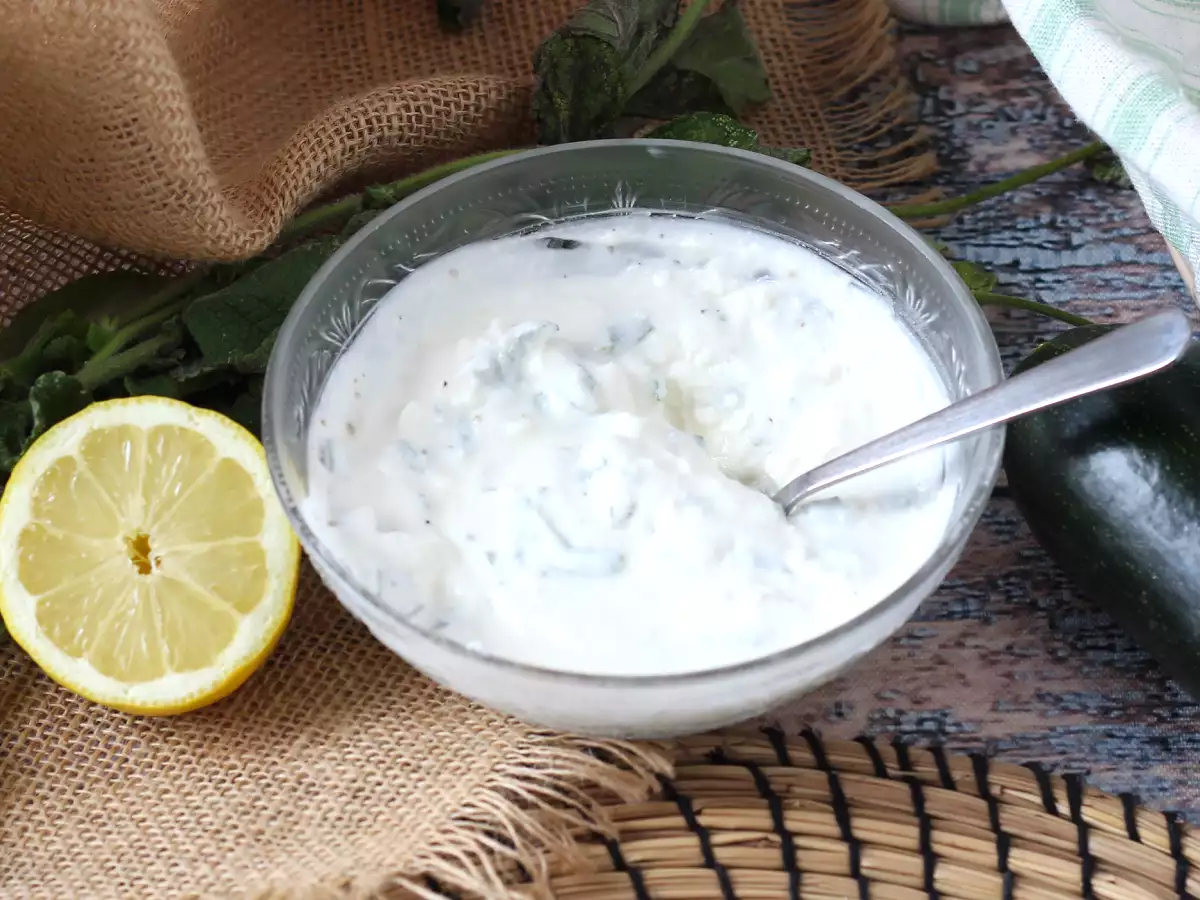
Need a fresh and tasty sauce to accompany your summer dishes? Try this yogurt, feta, lemon and mint sauce ! Easy to prepare, it's perfect for giving your salads, grilled meats or roasted vegetables a boost. The feta will add a salty touch, the lemon...
This option is often the best choice when you want to lighten up a summer meal without sacrificing creaminess. It doesn’t always replace mayonnaise in deviled eggs or a Piedmontese salad, but it works very well as an accompaniment, for dipping, or as a light topping.
What about homemade “light” mayonnaise?
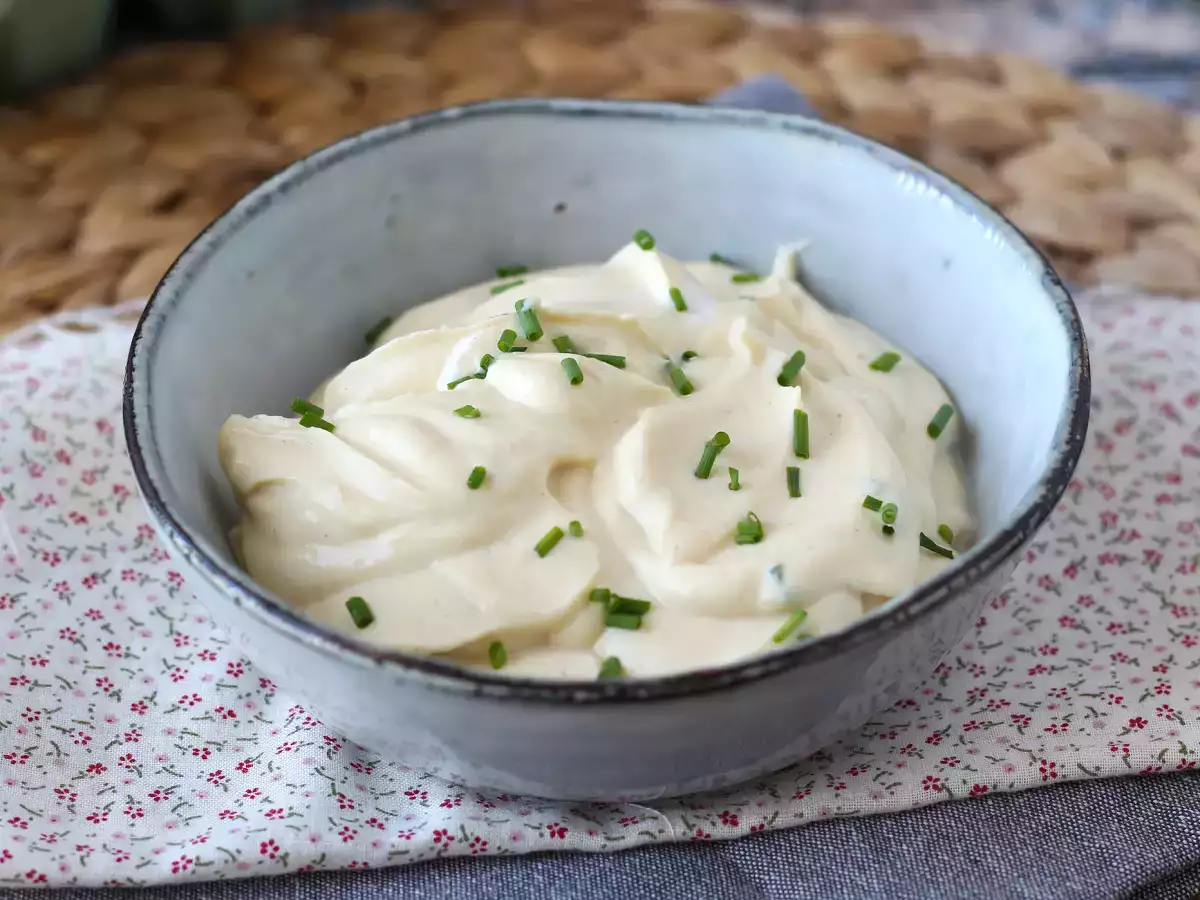
Mayonnaise , that famous sauce we love to top our eggs-mimosa or to accompany crispy fries .... We've come up with a super gourmet, light alternative with hard-boiled eggs and Greek yoghurt . A perfect option for those who prefer to avoid raw eggs,...
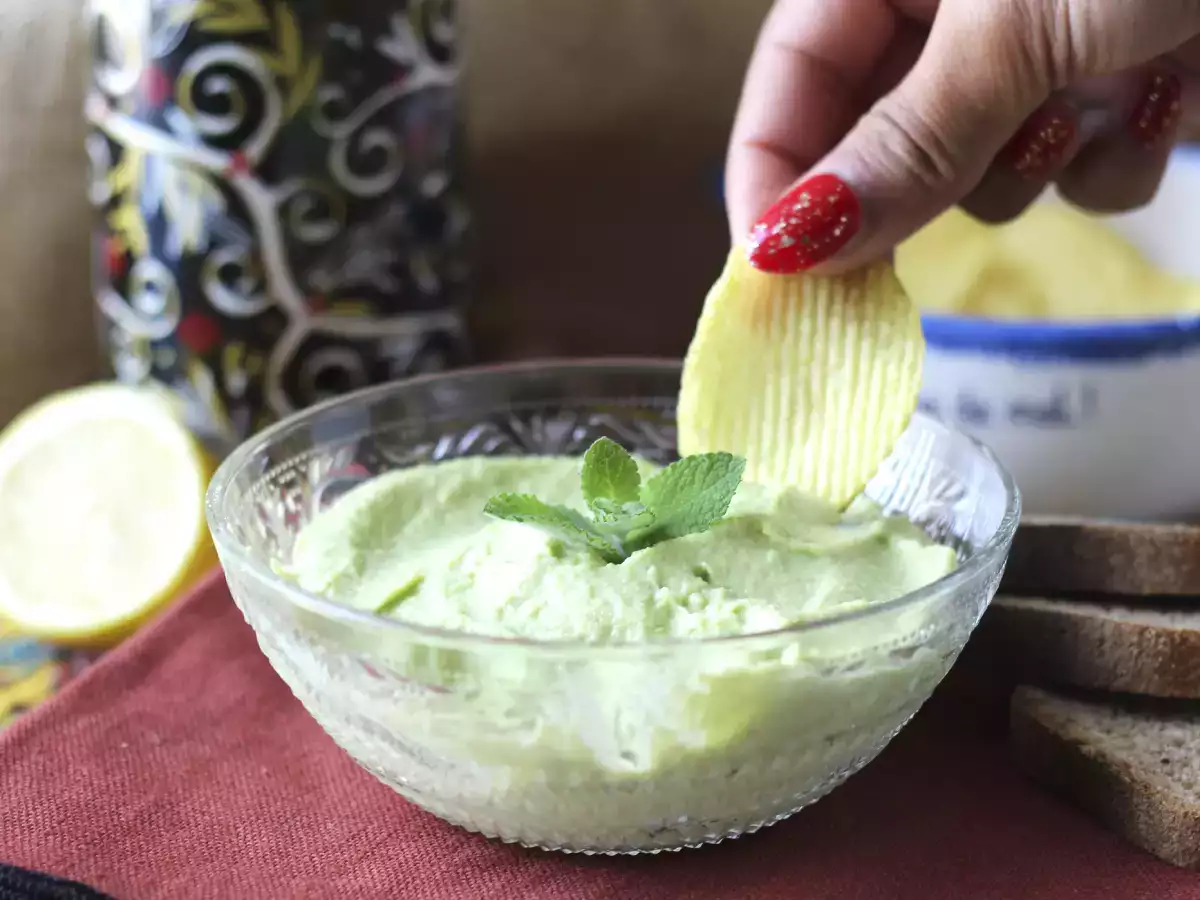
When temperatures rise, preparing a homemade mayonnaise with raw egg is no longer a safe option. But that doesn't mean giving up on a creamy , fresh and tasty sauce . This avocado mayonnaise with boiled egg is an easy, healthy and risk-free...
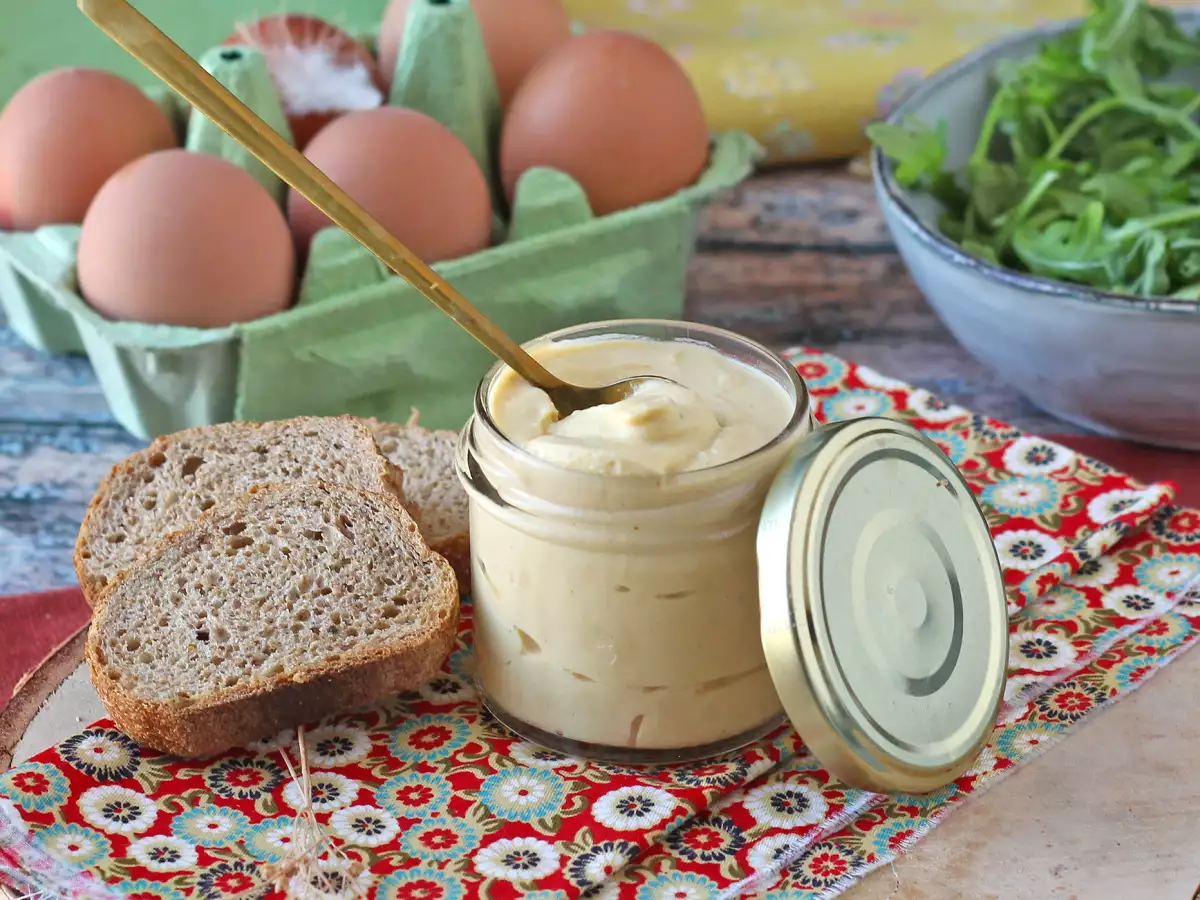
Made with hard-boiled egg , mustard and vinegar, this mayonnaise is oil-free and low in calories. Light, creamy and tasty, it's perfect for those looking for a healthy alternative to traditional mayonnaise . Ideal with salads , vegetables...
These recipes can be very useful, but they should be called what they are: alternatives. They don’t have exactly the same texture or taste as classic mayonnaise, but they serve a different purpose: avoiding raw eggs, reducing oil, adding more freshness, or offering a sauce that’s easier to digest.
The key factor, then, is how you plan to use it. For a truly firm mayonnaise, the classic recipe remains unbeatable. For an everyday sauce, a version made with yogurt or hard-boiled eggs may be more suitable.
In practice: Which one should you choose?
Choose store-bought mayonnaise if you need a sauce that’s more stable, more convenient, easy to measure out, and easy to store after opening—be sure to follow the instructions on the container carefully.
Choose a yogurt-based sauce if you’re looking for a truly lighter alternative, especially for raw vegetables, a mixed salad, a fresh sandwich, or a summer meal.
And in any case, keep this simple rule in mind: mayonnaise, whether homemade or store-bought, is still a rich sauce. What really makes a difference in a meal isn’t just its origin, but the amount served, how often it’s eaten, how it’s stored, and what you pair it with.
 Adèle Peyches
Comments