Spermidine: what is the molecule that helps you stay young and what foods it is found in
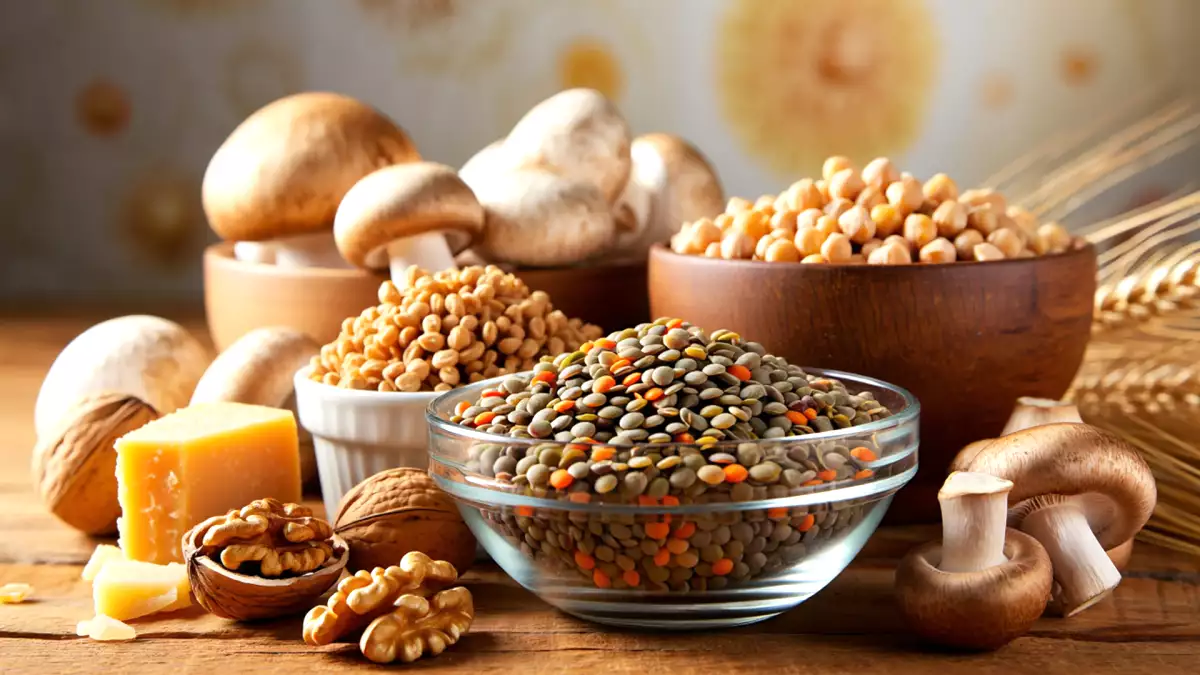
Have you ever heard of spermidine? The name is curious, but in recent years this natural substance has become the focus of many studies on longevity and healthy aging. This is not a passing fad, but a molecule that occurs naturally in our bodies and in many common foods.
Spermidine is now the focus of scientific attention because it appears to stimulate a process that is fundamental to cell health: autophagy. And no, it is not something as complicated as it sounds. Let's find out together what spermidine really is, why it is associated with youthfulness, and most importantly, where to find it in everyday food.
What is spermidine and why it is talked about so much
Spermidine is a polyamine, that is, a small molecule that our bodies naturally produce and that is involved in the growth and proper functioning of cells. As we age, however, spermidine levels tend to decline. And that's where nutrition comes in.
According to research published in scientific journals such as Nature Cell Biology and the American Journal of Clinical Nutrition, higher dietary intake of spermidine has been associated with longer life expectancy and better overall health. Molecular biologist Guido Kroemer, an international expert on cellular aging, has also highlighted the role of this molecule in cell-protective processes. But what is its "super power"?
What is autophagy (explained in a simple way)
The word may sound difficult, but the concept is very intuitive.
Autophagy is a natural process by which cells do "internal cleaning." Basically:
- they eliminate damaged parts
- they recycle worn-out components
- they renew themselves from within
Imagine autophagy as a maintenance team that goes into the cells, removes what no longer works and allows them to work better. As we age, this mechanism tends to slow down. Some studies suggest that spermidine may reactivate or support this process, thus helping to maintain cellular health.
It is important to be clear: It is not a magic wand. But it is one of many factors that can support healthier aging.
Where is spermidine found: the richest foods
The good news is that spermidine is not found in exotic or unobtainable foods. It is found mostly in plant and fermented foods.
Here's where you can find it most easily:
- Wheat germ (among the absolute richest sources)
- Lentils and chickpeas
- Peas
- Mushrooms
- Whole grains
- Ripened cheeses
- Dried fruits, such as walnuts and almonds
According to data collected by European research bodies and EFSA (European Food Safety Authority), wheat germ is one of the foods with the highest concentration of spermidine. The interesting thing? Many of these foods are already typical of the Mediterranean diet, long considered one of the world's healthiest food patterns.
Lentils and legumes: small seeds, big impact
Lentils and other legumes are not only rich in plant protein and fiber, but are also a good source of spermidine. Including them in the diet helps not only to support cellular health, but also to improve glycemic control and cardiovascular health.
A lentil soup, chickpea hummus, or legume salad are simple choices that work in depth. Sometimes prevention starts with the most traditional dishes.
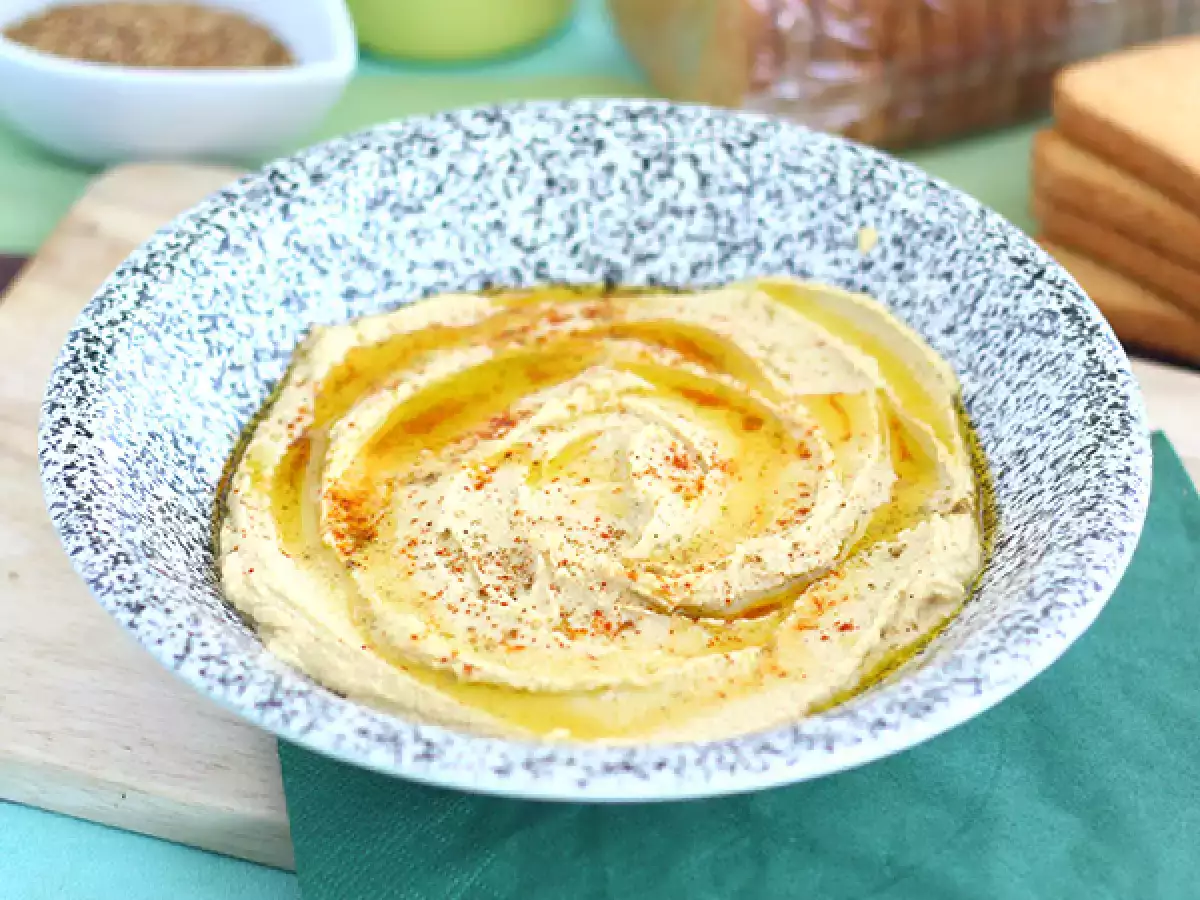
We are celebrating chickpeas today with this delicious Lebanese specialty! Enjoy this recipe all day long with pita bread or fresh veggies!

Looking for an easy and hearty stew recipe? Try these Spanish lentils, traditionally called "Lentejas". A meal whose recipe is passed down through generations :-) You can add your personal touch that will make all the difference! Some may like to add...
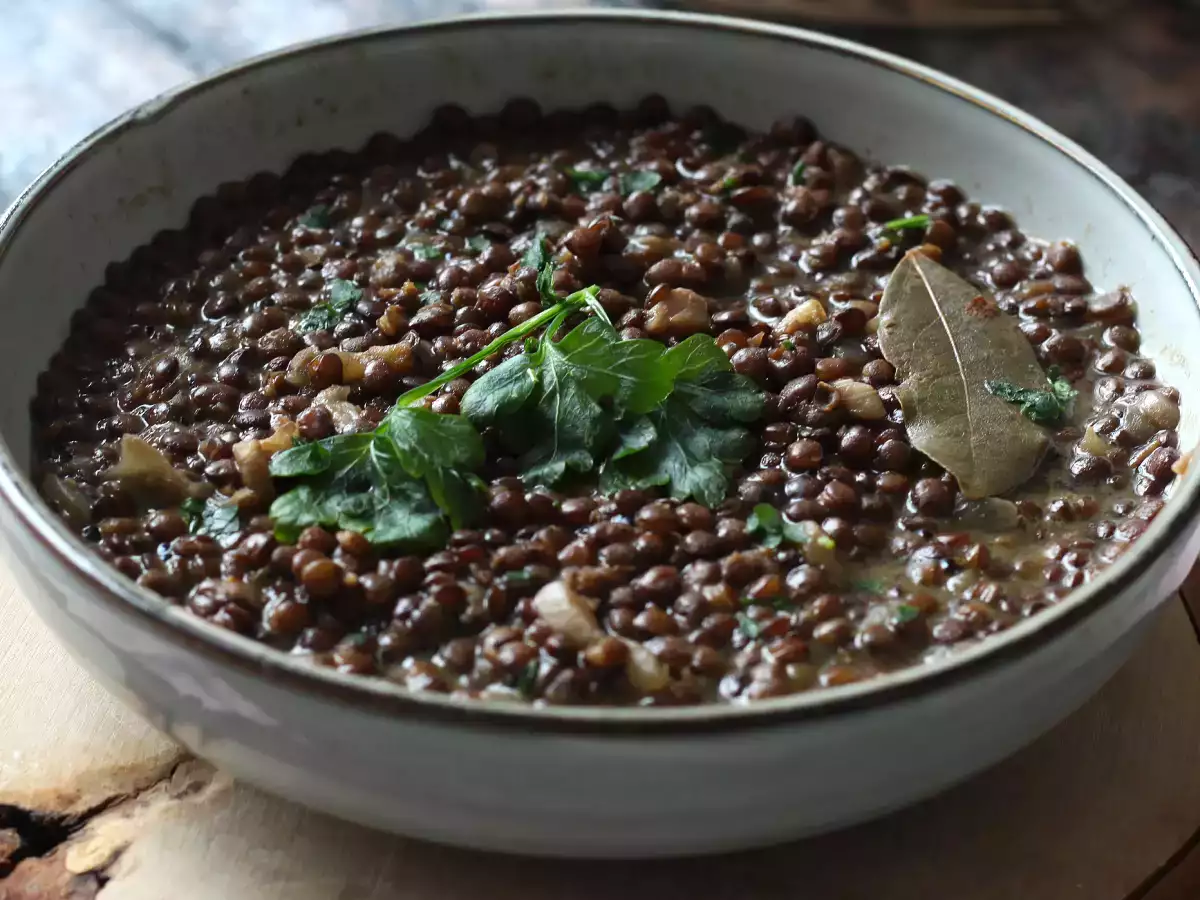
Here's a super-simple and tasty way to prepare green lentils without a pressure cooker. Easy and very healthy, this legume has many advantages, as it is rich in nutrients. It's also very versatile, as you can add vegetables, meat, and it's also...
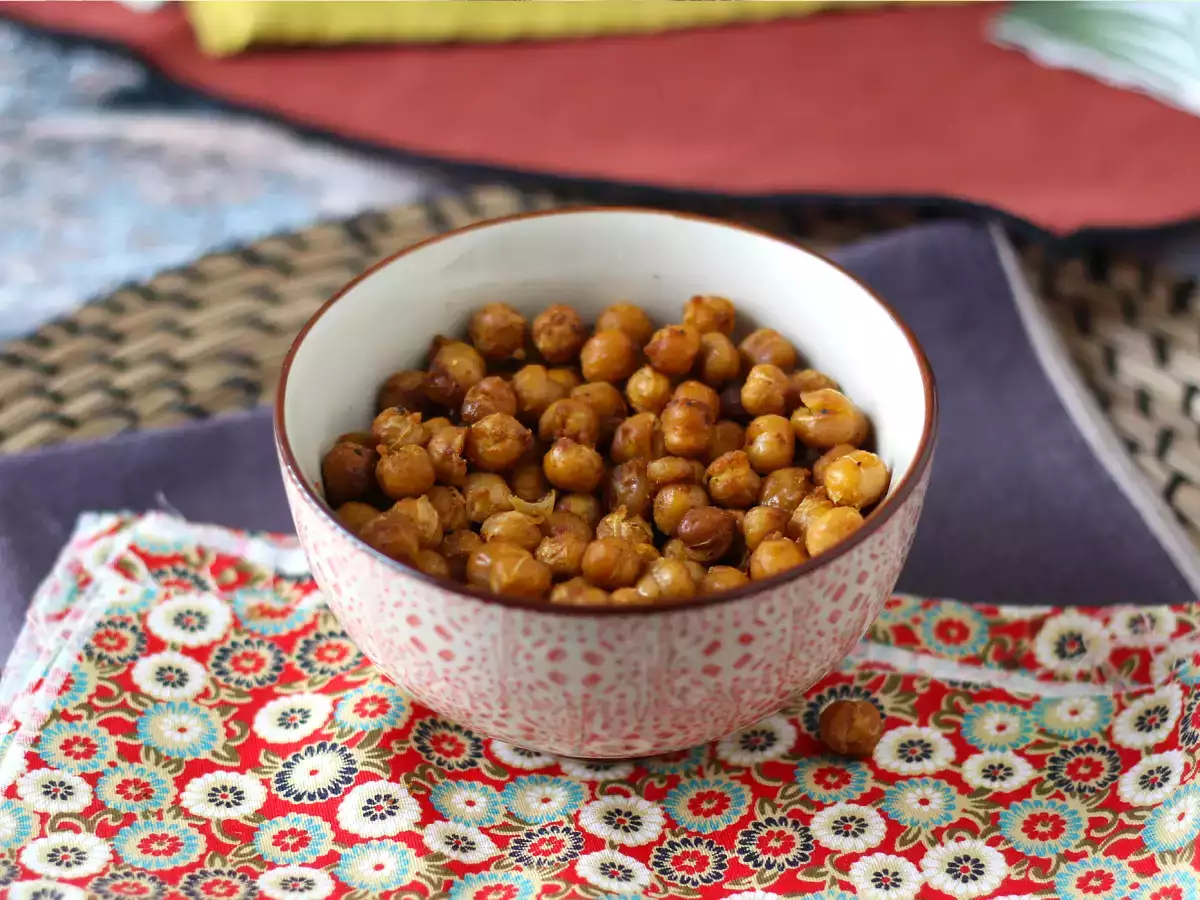
How about replacing chips for the aperitif with delicious Air Fryer-roasted chickpeas ? Not only is this recipe super-easy to make, all you need is a can of already-cooked chickpeas and your favorite spices . The result? Ultra-crispy little balls...
Wheat germ: the natural concentrate to be rediscovered
Wheat germ is the most vital part of the grain, rich in nutrients. It is little used in everyday cooking, but can easily be added to yogurt, smoothies or salads. Because of its high spermidine content, it is often cited in scientific studies as one of the most interesting foods for those who want to follow a longevity-oriented diet. A tablespoon a day can make a difference in the long run.
Mushrooms and whole grains: silent allies of health
Mushrooms are another natural source of spermidine. Besides being light and versatile, they provide bioactive compounds that have been studied for their potential protective role.
Whole grains, such as spelt, barley, and brown rice, complete the picture. Several studies published in The Lancet Healthy Longevity show that a diet rich in whole grains is associated with increased life expectancy. It is not just a matter of single molecule, but of overall balance.
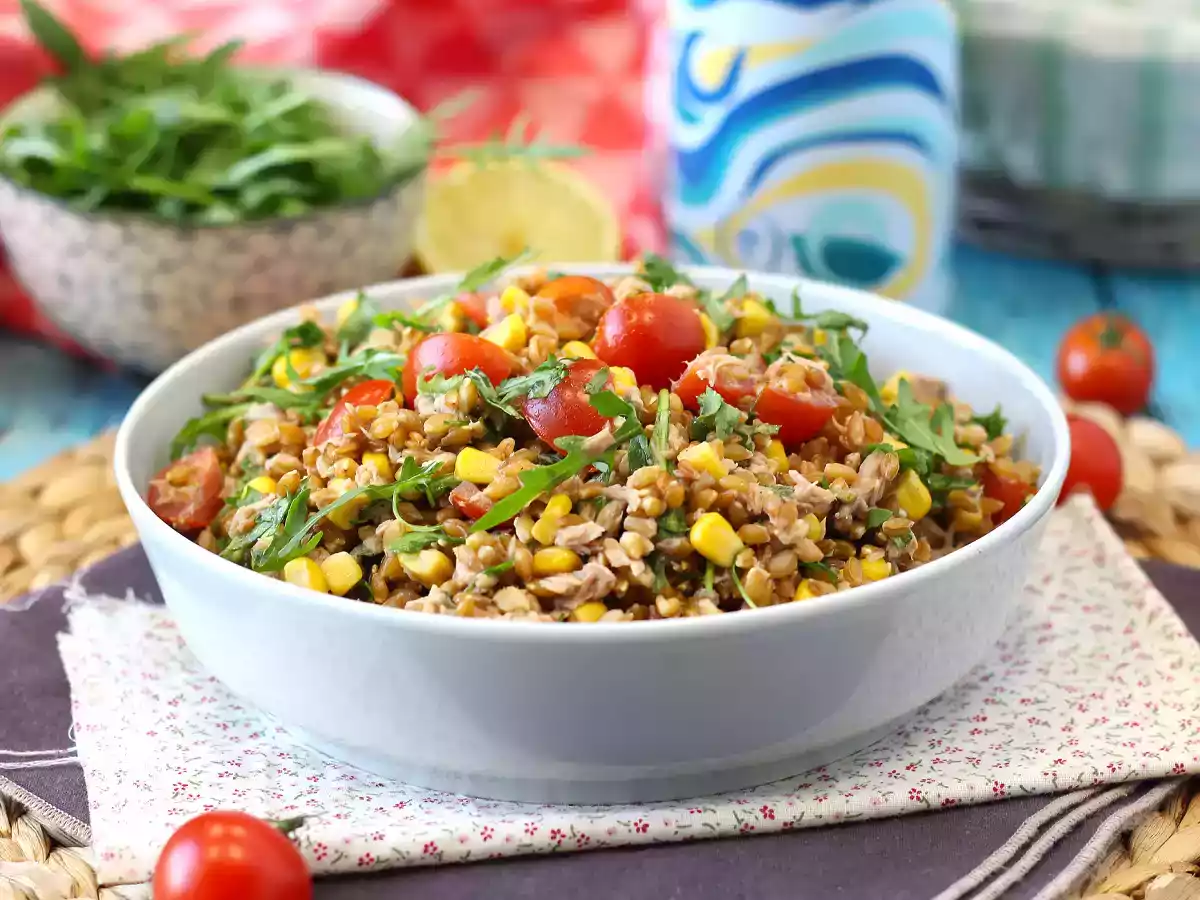
Farro and tuna salad is a fresh, balanced dish that is perfect for any occasion. Great as a light lunch, meal to take to work or quick dinner, it is an ideal choice for those who want to eat healthy without sacrificing taste. In our version,...
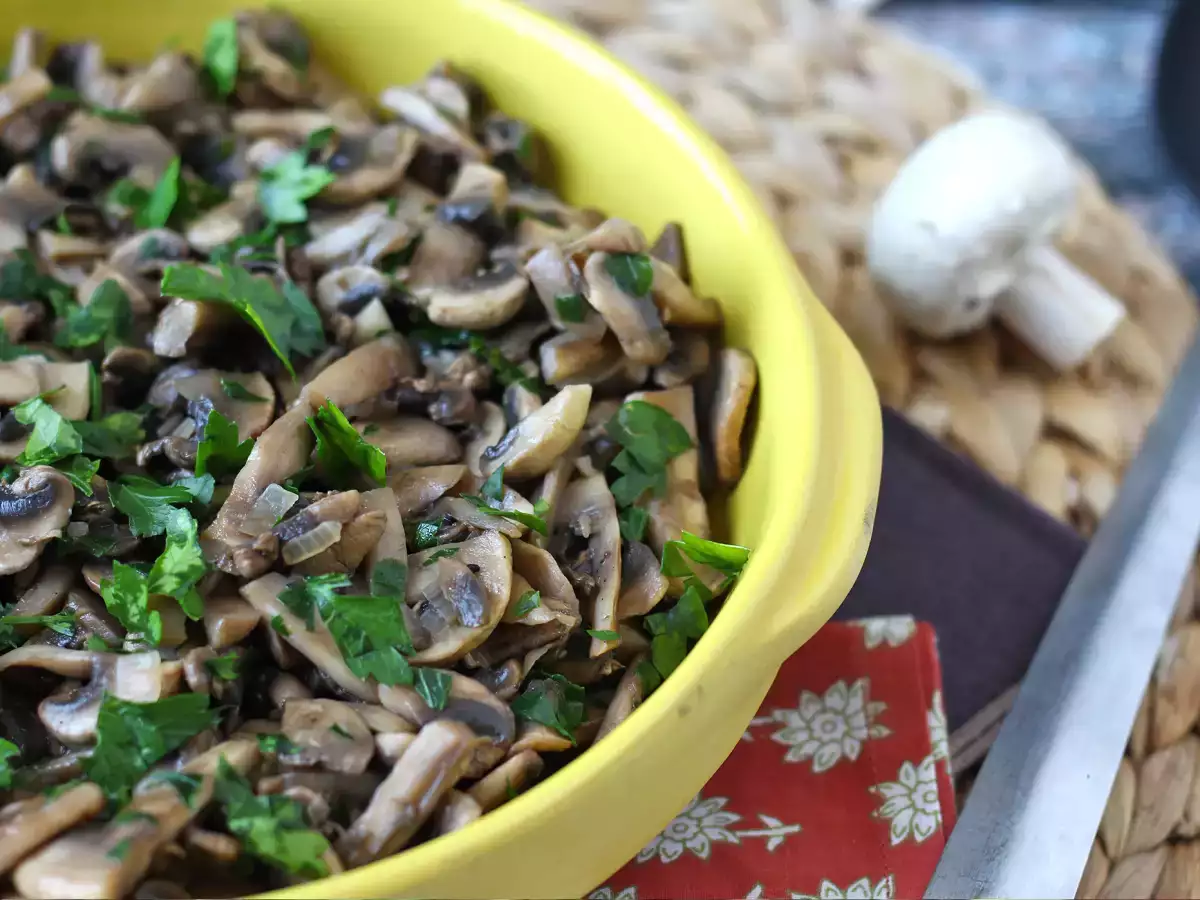
Need a quick , tasty and always effective side dish ? Mushroom poêlée ticks all the boxes! Whether on its own, with eggs, rice, pasta or as a garnish for grilled meat, it's got it all. A few fresh mushrooms, a hint of garlic, a touch of shallot, a...
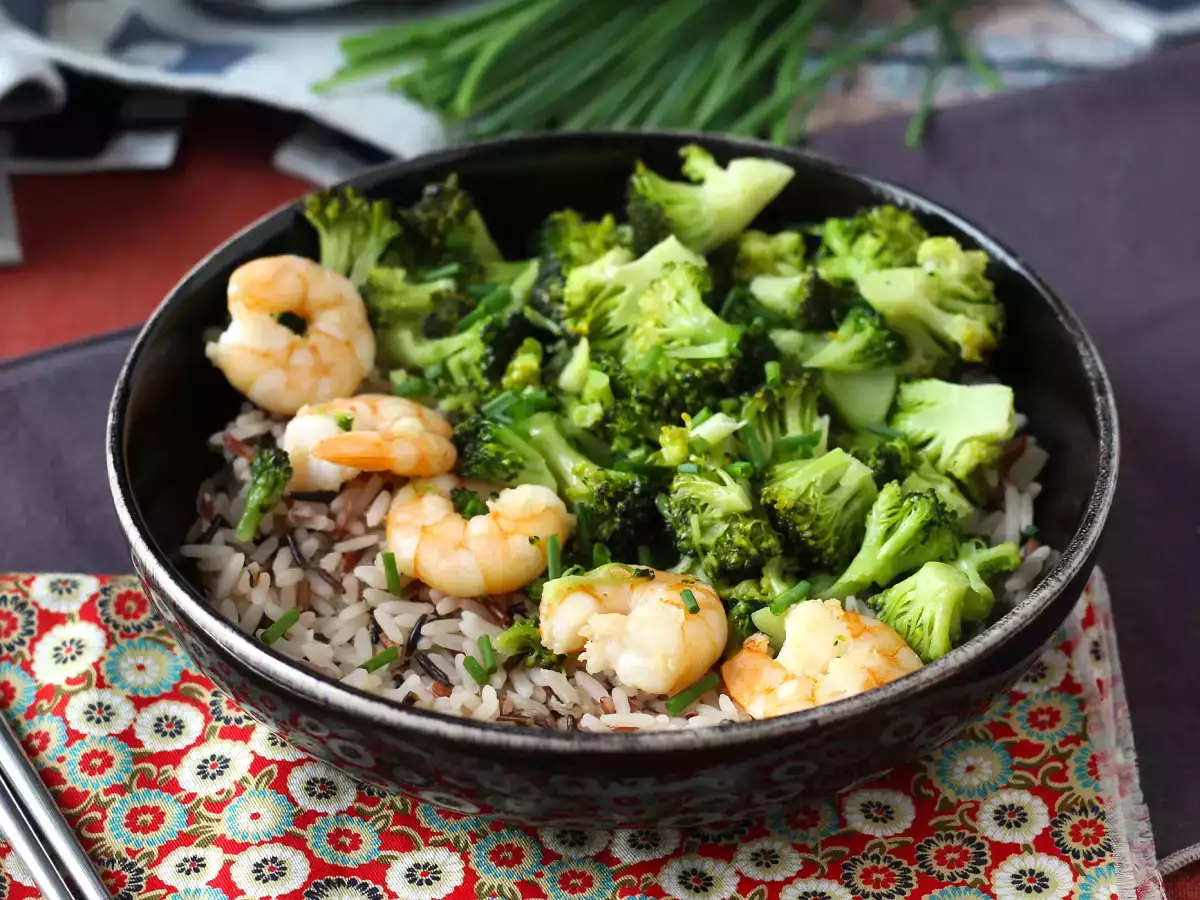
For a healthy, balanced and delicious meal without spending hours in the kitchen, there's nothing like delicious brown rice with shrimps and broccoli ! Today we're presenting a classic version, but you can also add sauces to make this dish even...

We had some leftover mushrooms last time, and instead of making a sauté, we decided to bake them! But first, we stuffed them with a fragrant mixture that we love. Thanks to the mozzarella, this mixture holds together well. You can cut your mushrooms in...
The real strategy for staying young longer
Spermidine is a promising molecule, and research continues to study its effects. But the more important message is another: a diet rich in legumes, whole grains , plant foods and fermented products is in itself an investment in health.
There is no single secret to youthfulness. There are daily choices.
And knowing that there may be substances on your plate that can help cells "clean up" and function better makes it all more concrete. Longevity is not just about genetics. It also starts with the shopping you do today.
 Daniele Mainieri
Comments