The easiest pairing in the kitchen: chocolate and fruit. 8 recipes that prove it
Sometimes you just need to see it to know that it will work. A bowl of half-washed strawberries, still cold. A chocolate bar opened in a hurry: the foil crumpled, one ounce too many. They are eaten together and that's it.
Rarely do we stop to think why this pairing is so comfortable, so immediate. Like bread with oil or coffee at the end of a meal, it seems to come as a matter of course: it doesn't ask for explanations.
But if you look at it calmly for a moment, there's more to it. Not to take away its charm, but to understand why the gesture is repeated. Because when chocolate and fruit come together, it's not just a whim: there's balance, there's contrast, there's a fine-tuned logic behind it.
Chocolate and fruit: an alliance that stands alone
Chocolate - especially dark chocolate - plays in an intense register. It is oily, bitter, persistent: it lingers in the mouth. Fruit, on the other hand, tends to do just the opposite: it brings water, acidity and a fast pace that refreshes.
The point is here: one corrects the other.
The fat of the chocolate sustains the flavor and lengthens it; the acidity of the fruit cleanses the palate and keeps everything from becoming heavy. And, on top of that, the aromas of the fruit - brighter, more fleeting - lift the deep notes of the cocoa.
It depends on the fruit and the type of chocolate, of course. They don't all play the same game. But in the end, most of them do the same thing: they help the chocolate to express itself better.
Banana - chocolate
Banana is sweetness and body: creamy, almost buttery, with an aroma reminiscent of caramel. With dark chocolate it works by contrast: the bitterness puts the brakes on and prevents the fruit from becoming cloying. With milk chocolate, on the other hand, everything becomes rounder and sweeter, like a spoon dessert. If the banana is too ripe, a pinch of salt refines it.
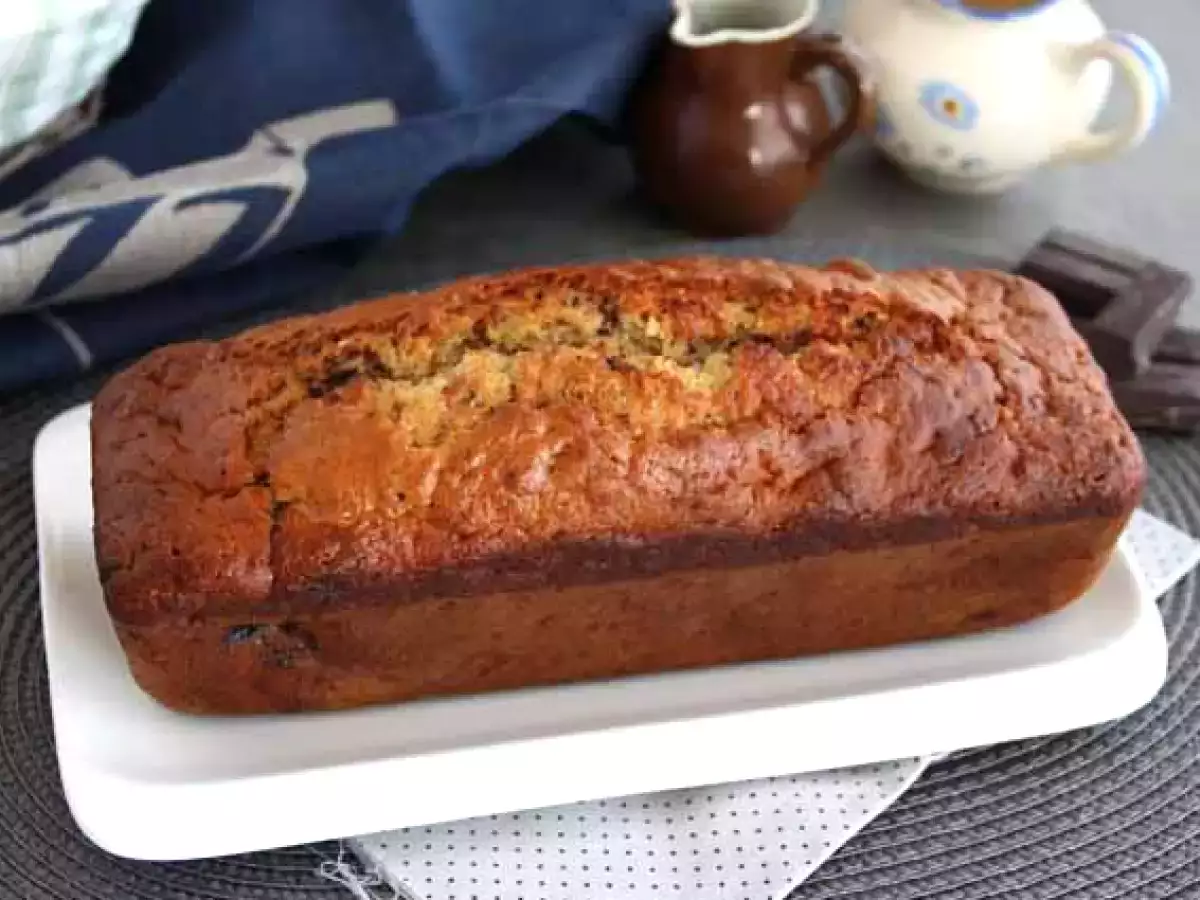
Are overripe bananas about to go bad in your fruit bowl? Use them to make this deliciously moist cake. And for even more indulgence, nothing beats chocolate chips :-) An incredibly easy recipe that, thanks to the ripe bananas, will allow you to reduce...
Pineapple - chocolate
Pineapple has acidity with muscle: it forces you to salivate and that restarts the mouth when the chocolate begins to dominate. Its tropical, almost caramelized sweetness goes well with the roasted cocoa, and the bitterness brings order so that the fruit doesn't become chewy. Together, they refresh and deepen at the same time. A clean contrast that begs for another bite. Unadorned.
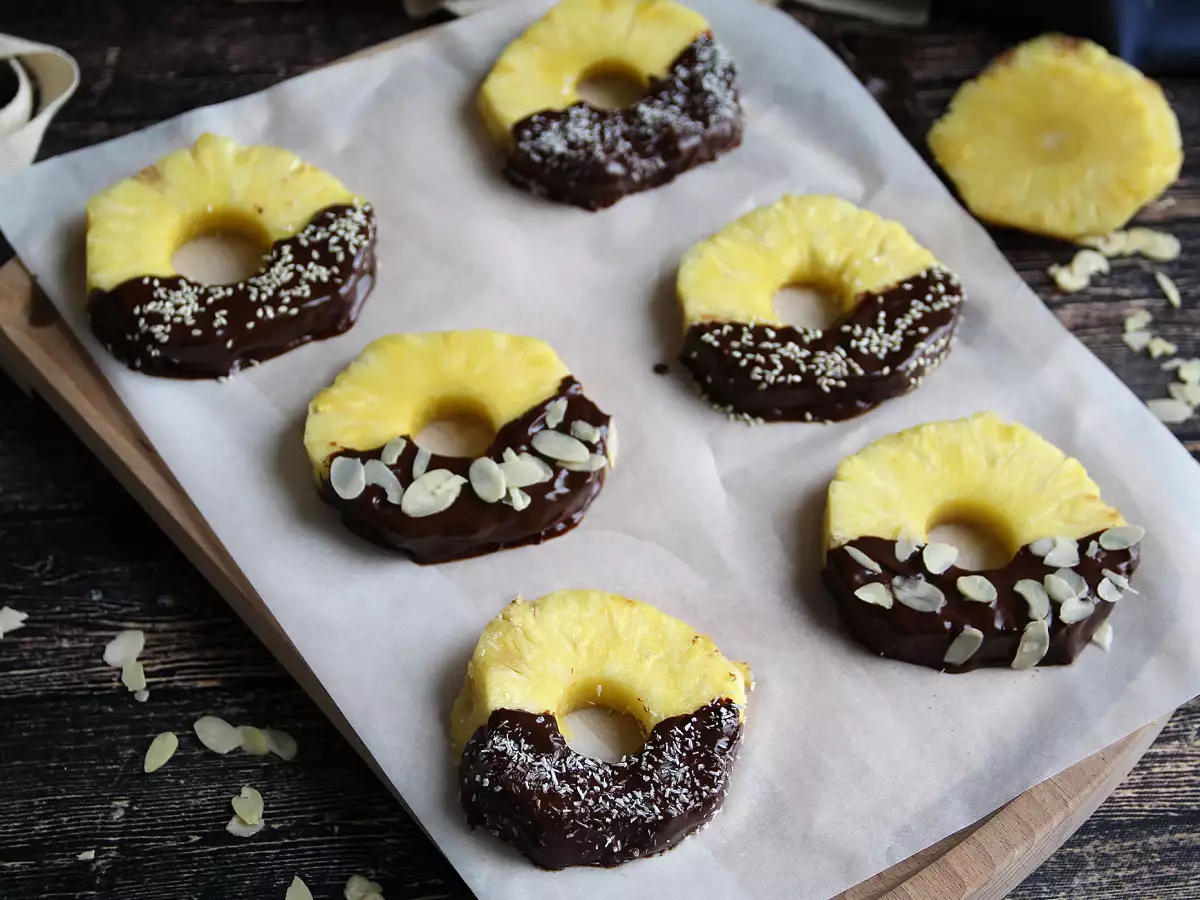
For dessert, there's nothing simpler than this recipe! Pineapple slices dipped in melted chocolate and sprinkled with shredded coconut, slivered almonds, and sesame seeds. With no added sugar, you can combine the indulgence of chocolate with the...
Raspberry - chocolate
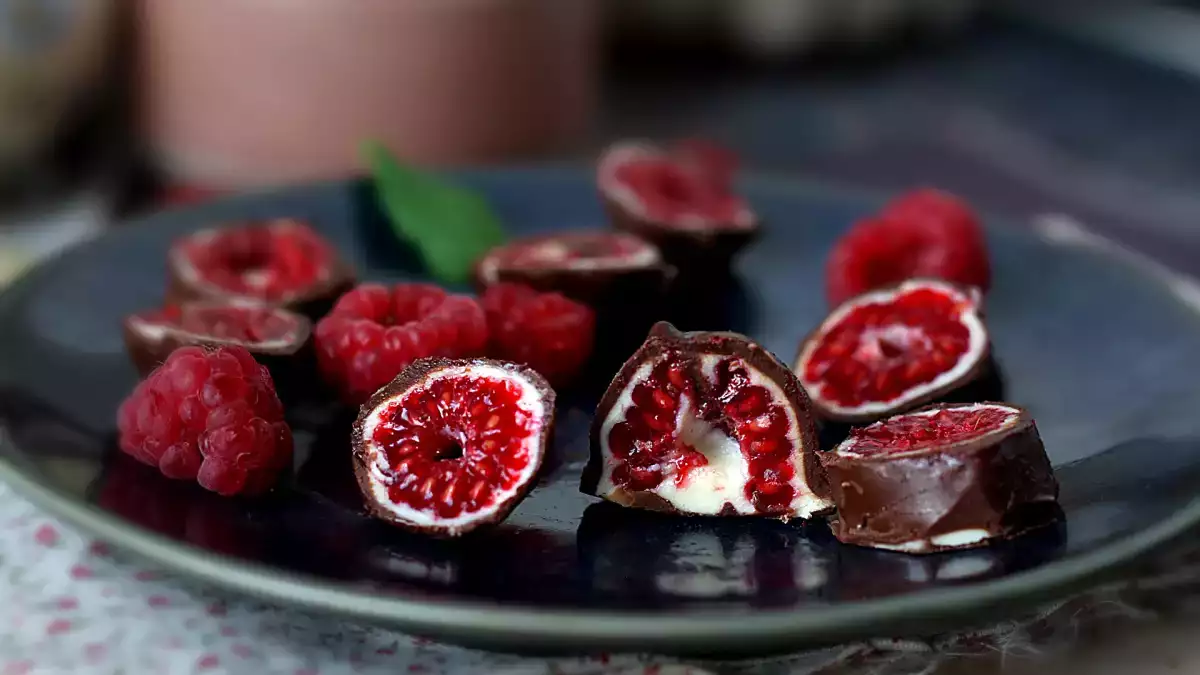
Raspberry brings brightness and edge: acidic, perfumed, with a sharp point that awakens. The chocolate acts as a ground: it rounds, embraces and turns this tension into pleasure. In addition, the fruit brings out more aromatic, almost floral notes from the cocoa. It is clean contrast: darkness and sparkle in the same bite. The darker the chocolate, the sharper the effect. Seriously.
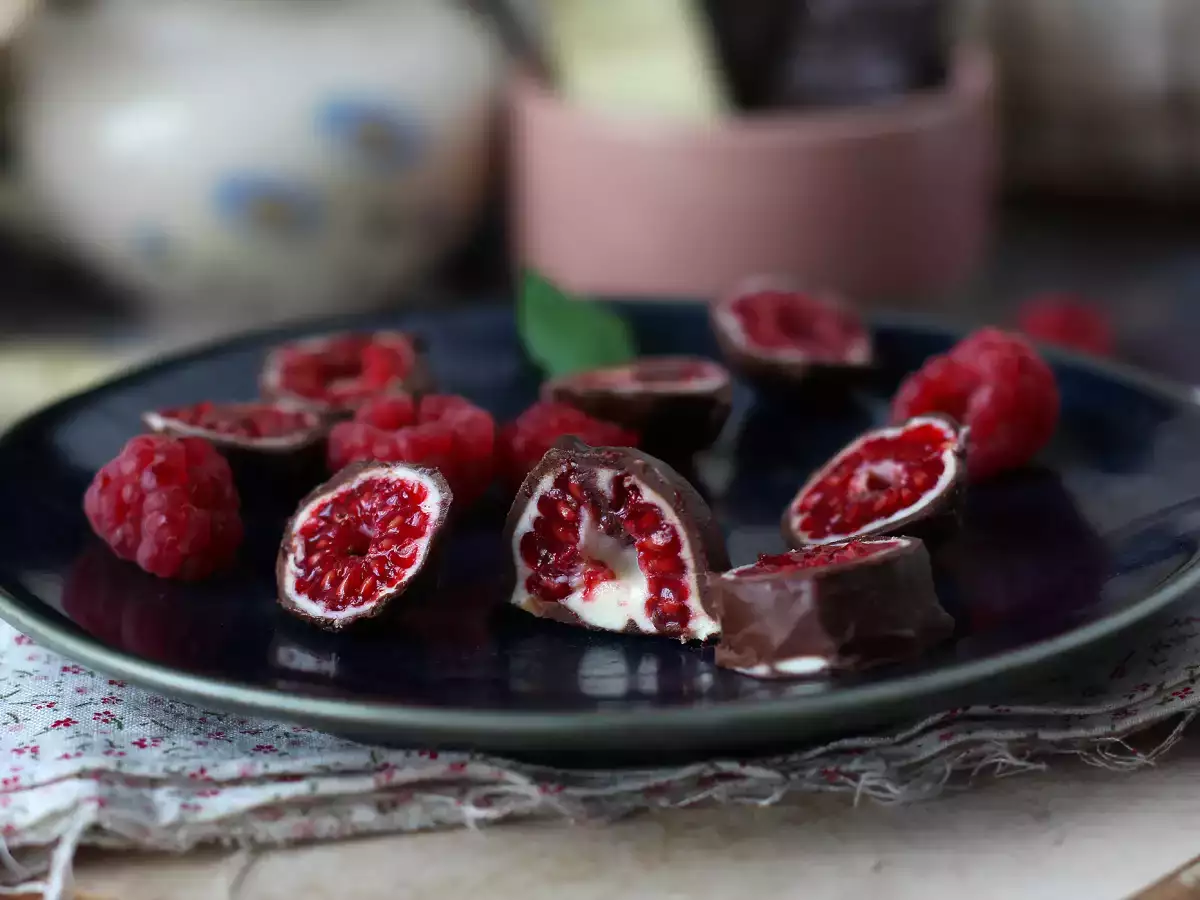
Discover the recipe that's creating a buzz on social networks: "Franui "! These chocolate-covered raspberries have become our favorite snack . Imagine delicious raspberries coated in two layers of chocolate (white and milk), for maximum indulgence...
Clementines - Chocolate
The clementines arrives with zest perfume and lively acidity, and that suits the dense, lingering dark chocolate wonderfully. The fruit cuts the fat, cleanses the palate and, incidentally, ignites the roasted cocoa. The bitterness, on the other hand, sharpens the citrus: less cloying, brighter. Ideal when you're looking for a light, almost electric finish. And that's all you need.
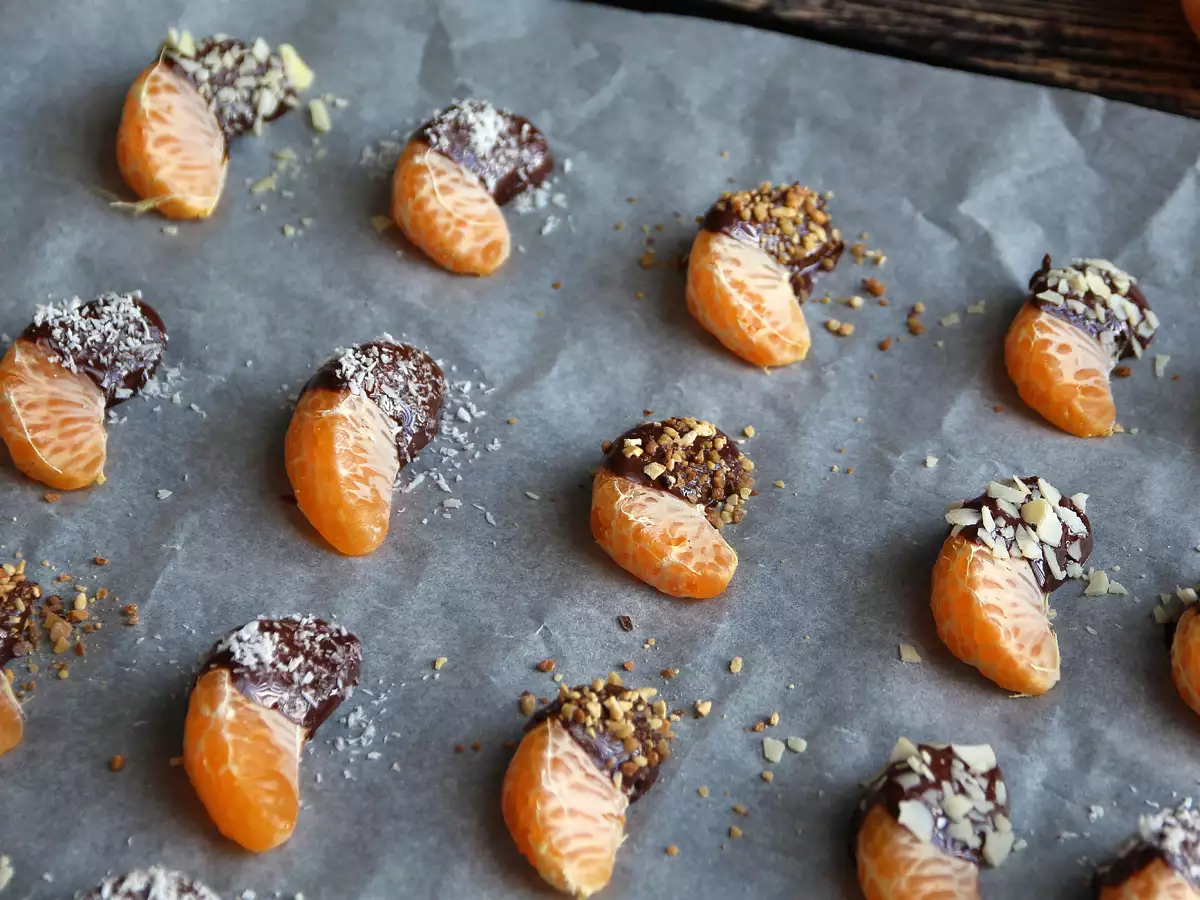
Extra simple recipe for a snack aleeeert! On the one hand, we adore the freshness of clementines in winter, on the other, we can't do without the delicacy of chocolate. That's ok, we decided to combine the two in a perfect combo! Without...
Pear - chocolate
The pear does not compete: it brings water, soft sweetness and a delicate aroma that lets the cocoa speak. With chocolate, it does a silent job: it lightens the fatty sensation and makes the bite silkier. It is not a shock, it is a quiet harmony: the pear gains depth and the chocolate feels less heavy, easier to repeat. It works especially with ripe pears.
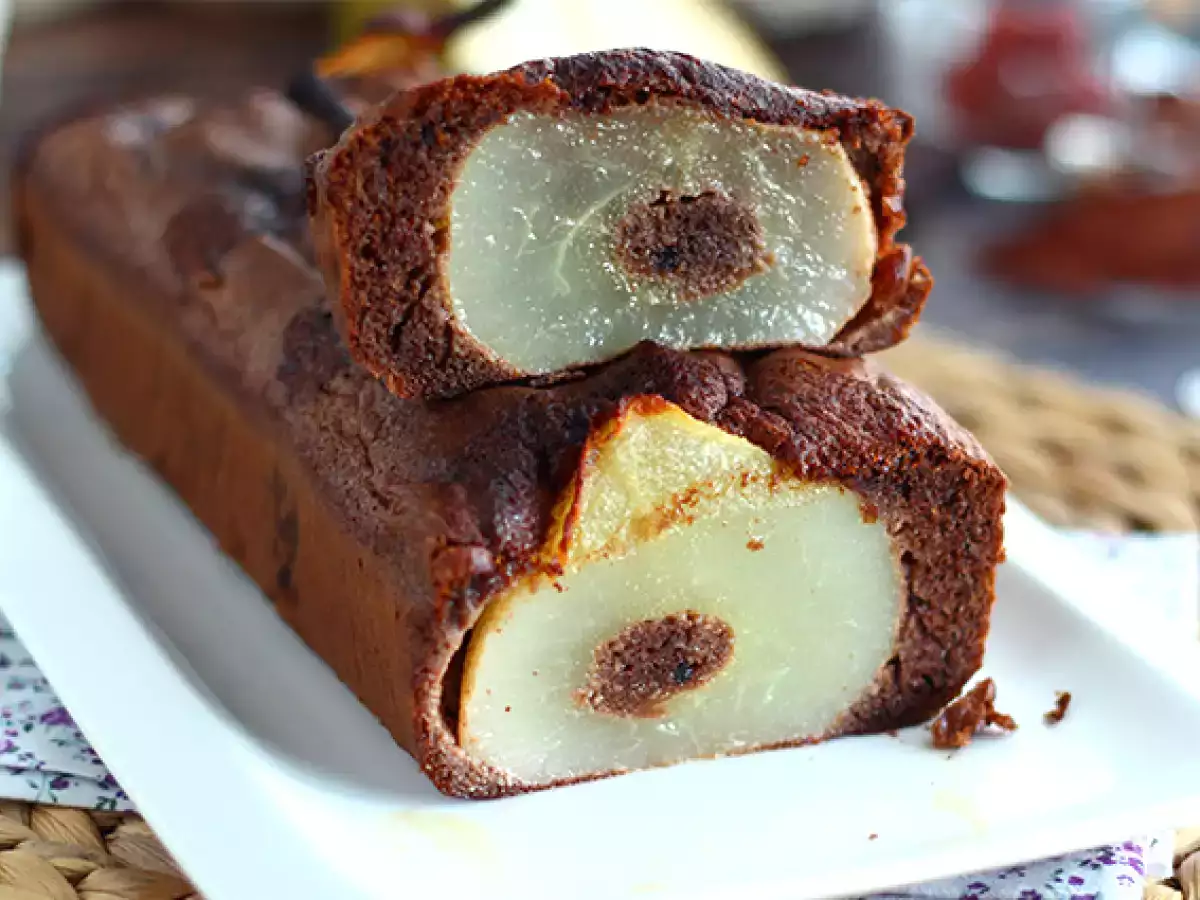
For a snack, prepare a delicious and fruity cake: chocolate + pears! Moist and melting, you will love this easy-to-make dessert with the kids! Step by step, follow the instructions to make this 100% homemade sweet cake!
Coconut - chocolate
Coconut does not come in to "refresh" like a sour fruit: it comes in to envelop. It has fat, milky sweetness and a perfume that softens the cocoa and makes it rounder. With dark chocolate, the contrast is beautiful: roasted and bitter against tropical cream. With milk chocolate, the whole becomes more gourmand. A touch of salt - or a few drops of lime - keeps everything from flattening out.
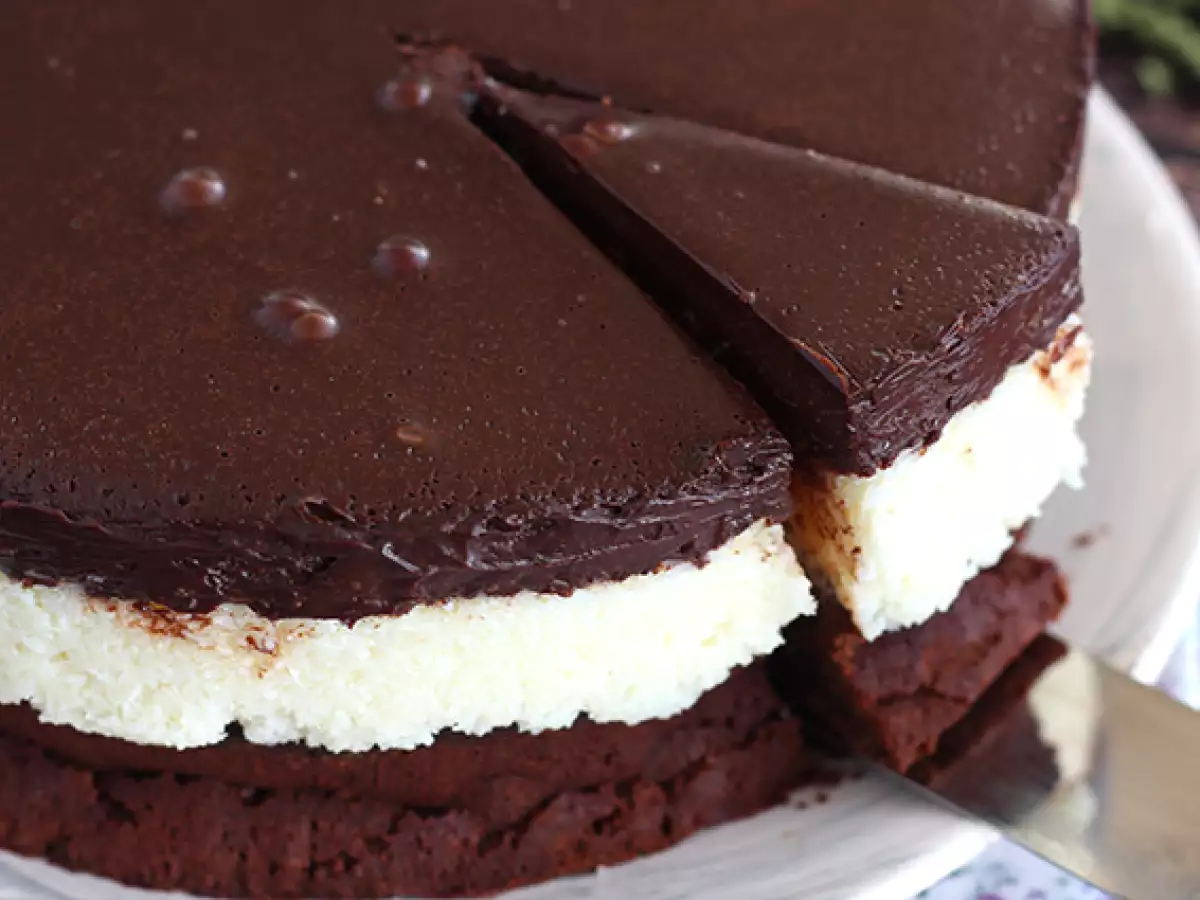
If you love chocolate and coconut, you'll enjoy this spectacular dessert that combines both flavors! This indulgent brownie will impress your guests as soon as it's placed on the table. Follow our step-by-step instructions, complete with photos and...
Cherry - Chocolate
The cherry has a dark sweetness and an acidic point that suits the cocoa like a glove. With dark chocolate, the fruit adds juiciness and brightness, and the chocolate provides the roasted background that makes the cherry seem deeper, almost liqueur-like. It is a "serious dessert" combination: intense, but clean, with that slightly bitter finish that leaves you wanting another bite.
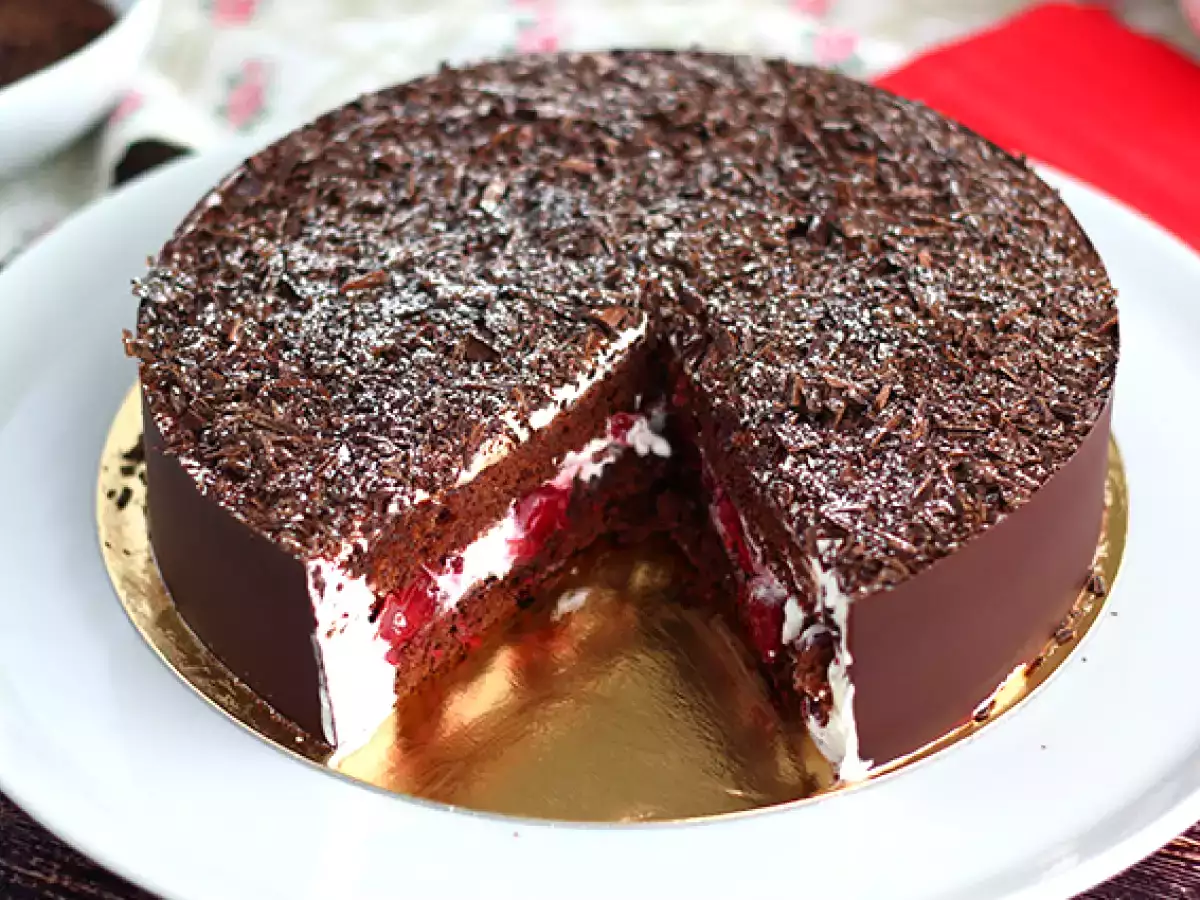
Dazzle your guests with our homemade Black Forest Cake. With our step-by-step instructions and photos below, we guide you through the creation of this stunning pastry. You'll achieve a perfect blend of a moist sponge cake, creamy whipped cream, and the...
Apple - chocolate
The apple provides crunch, water and an acidity that awakens the chocolate when it begins to weigh. With dark cocoa, this freshness cuts the fat and leaves a cleaner finish; with milk chocolate, the apple becomes almost "tart" without baking, especially if it is sweet and aromatic. Best varieties with sinew (such as Reineta or Granny Smith) so that the whole is not flattened.
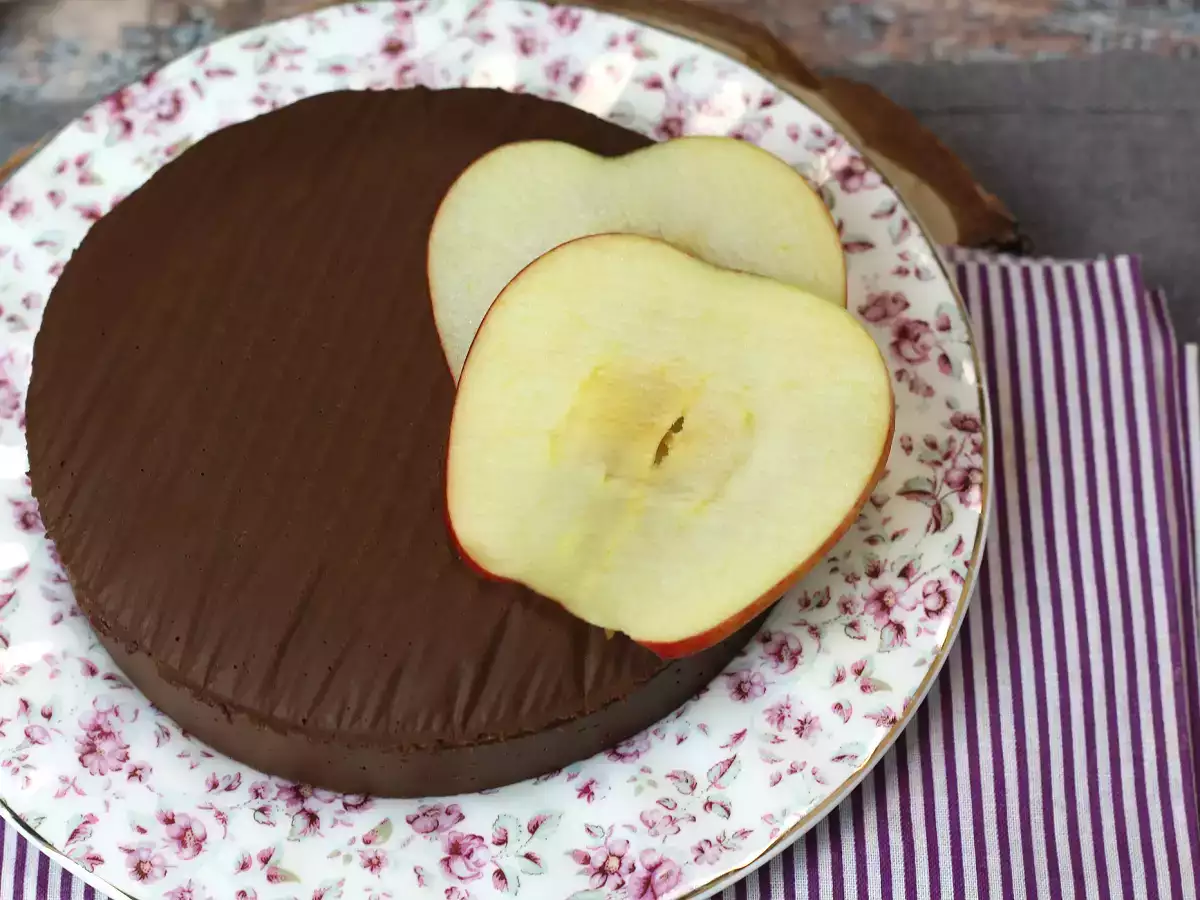
After the pear version we loved, discover our super gourmet apple and chocolate fudge ! You never change a winning team, just two ingredients : fruit (in this case apple) and chocolate. No added sugar , perfect for a snack with the kids, or...
Yes with many, but not all
There are many possible combinations and most work better than one might imagine: a cold strawberry with an ounce of dark chocolate, a ripe fig that turns the cocoa deeper, citrus that refines it or tropical fruits that give it an almost caramelized twist. In the end, chocolate appreciates almost anything that adds water, acidity or perfume: something that cuts it, lifts it, makes it less serious. It is an ingredient that allows itself to be accompanied,
but not all fruits make it easy. The very watery and discreet ones -think watermelon or melon- tend to remain small in front of a dark chocolate: the cocoa covers the nuance and what remains is a strange sensation, like a cold and sweet shock. And with very green or astringent fruits, such as kiwi, the whole can become harsh. It is not a "forbidden": it is just that the trick is to choose a softer chocolate or to add a bridge (salt, yogurt, nuts) so that everything fits together.
Do you have a favorite combination? Patricia González
Comments