Tofu turning soft and bland? Press it without a tofu press for crispier, better-tasting meals
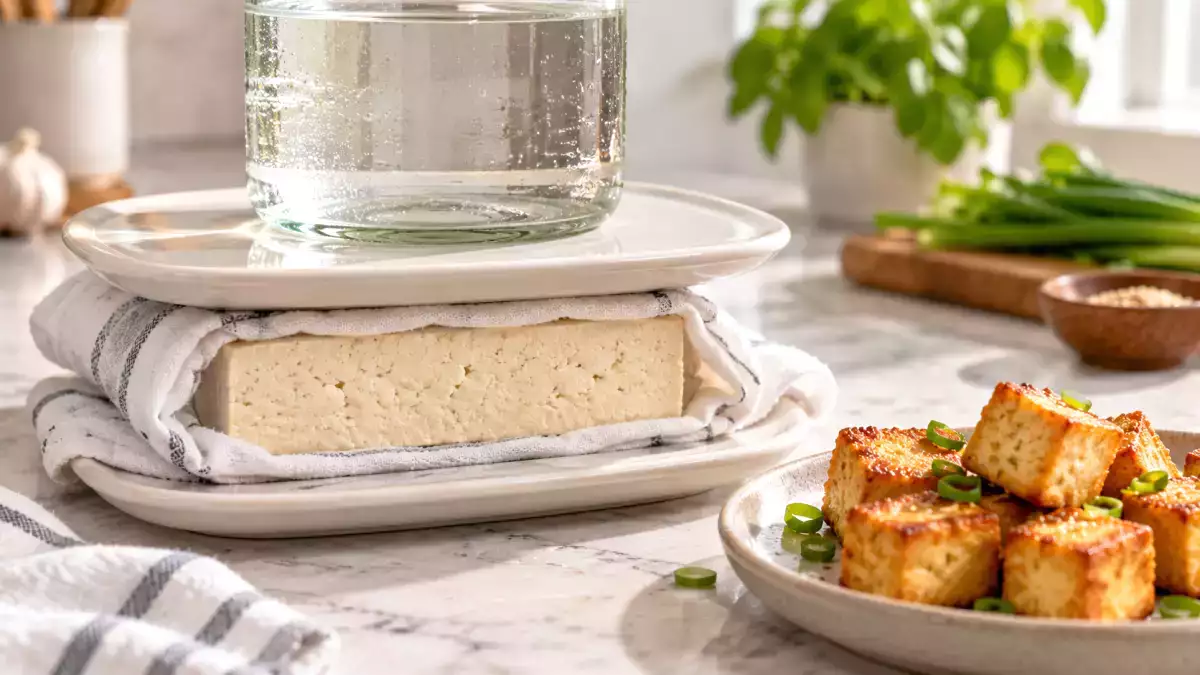
The fix is simple: press the tofu before cooking it. You do not need a dedicated tofu press or any special gadget. In most American kitchens, a plate, a few paper towels, a clean dish towel, a cutting board, a can of beans or a heavy skillet can do the job. Give the tofu 15 to 30 minutes, then cook it hot and season it boldly.
Why pressing tofu makes such a difference
Pressing removes part of that excess liquid. The tofu becomes drier, firmer and easier to brown. Once pressed, it also holds marinades better because the seasoning is not immediately diluted by water inside the block.
The two-plate method
The goal is even pressure, not brute force. You want the tofu to release water, not crack under the weight. For a quick weeknight dinner, 15 to 20 minutes is usually enough. For a stronger marinade or a crispier texture, give it closer to 30 minutes.
The colander method
This method is especially helpful when the tofu block is very wet. To keep it from breaking, choose firm or extra-firm tofu, use a flat surface, and avoid very heavy weights. If the block feels fragile, cut it into thick slabs before pressing.
What to use instead of a tofu press
If you want to press tofu for longer, place it in the refrigerator while it drains. Keep it covered and set it in a rimmed container or over a bowl so the liquid does not spread. This is useful when you are meal-prepping tofu for bowls, stir-fries or air-fryer dinners.
Marinate after pressing, not before
Even 20 minutes can make a difference, but an hour in the refrigerator gives a deeper result. For crispy tofu, pat the pieces dry again after marinating and before cooking. That quick step helps prevent the sauce from turning the surface soggy.
Best cooking methods for crisp tofu
For weeknight meals, pair crisp tofu with rice, noodles, roasted vegetables, salad bowls, tacos or grain bowls. Add the sauce at the end so the tofu stays crisp while still getting plenty of flavor.
Mistakes that make tofu soggy
Also remember that silken tofu is not made for classic pressing. It is better for smoothies, sauces, soups, dressings and desserts. For crisp cubes, stir-fries and sheet-pan meals, start with firm or extra-firm tofu.
Tofu recipes to try after pressing
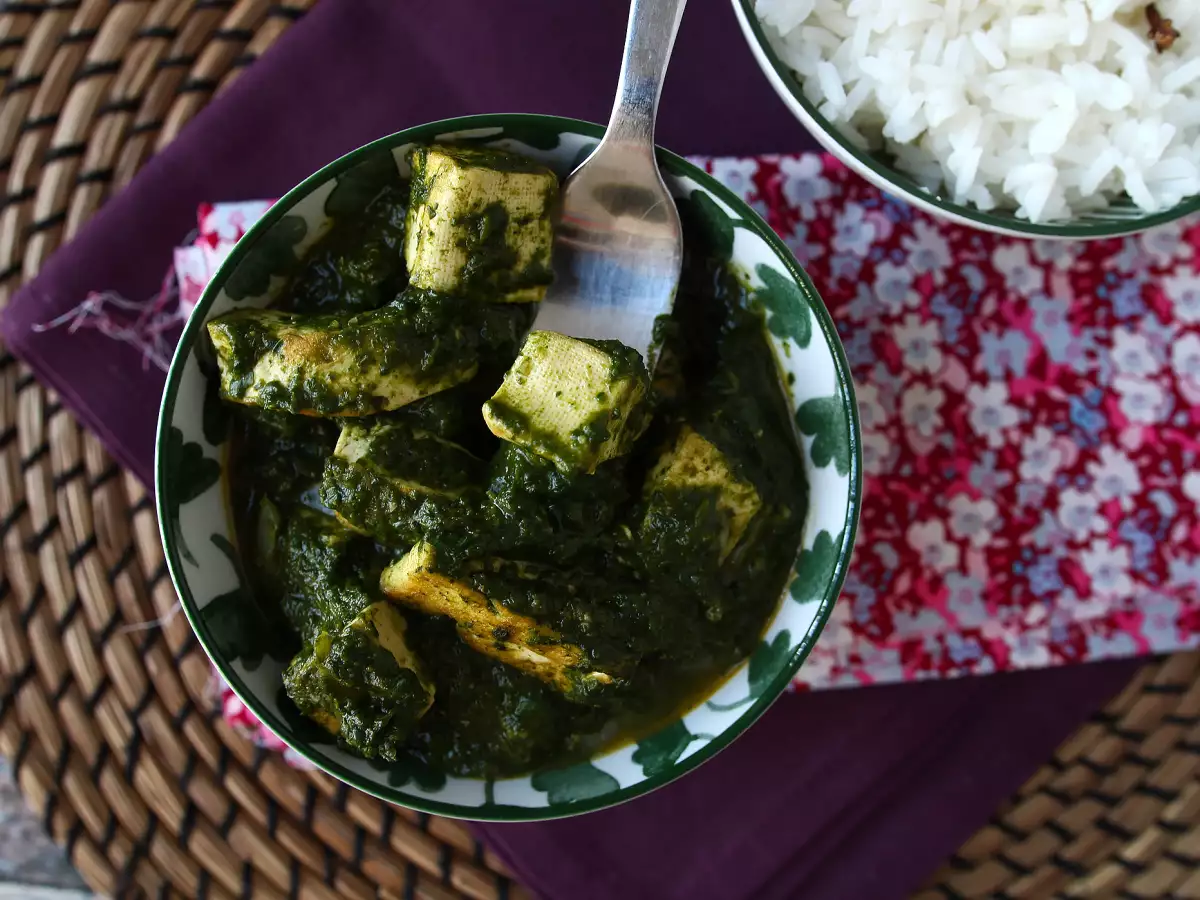
This palak tofu is a creamy spinach curry inspired by the classic Indian palak paneer. In this version, golden tofu replaces the paneer and is coated in a rich, fragrant sauce made with spinach, tomatoes and warm spices. Easy to prepare and full...
For sweet, salty and crispy General Tao tofu served with rice and vegetables:
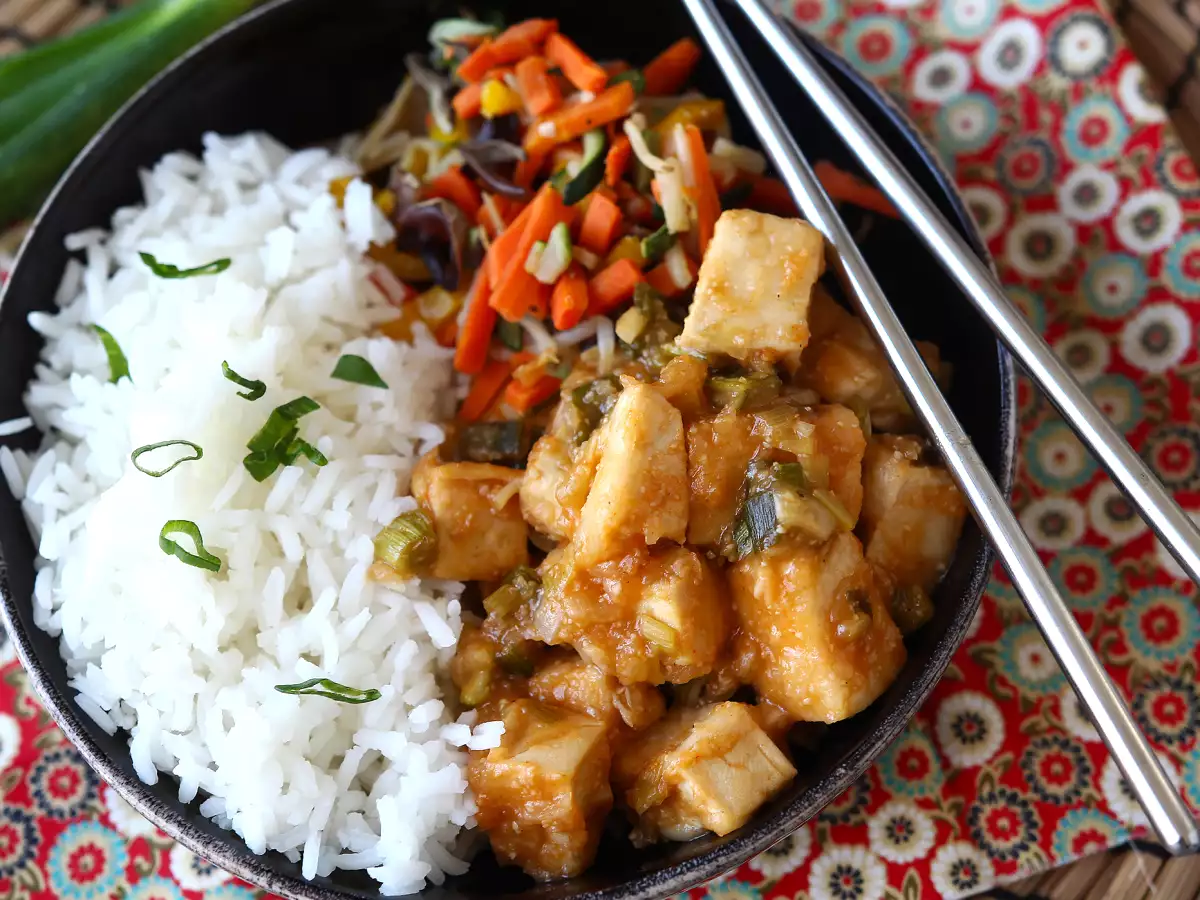
Golden, crispy tofu bites are generously coated in a slightly spicy sweet-and-savory sauce. With their crunchy coating , tender center , and perfectly balanced flavors, this recipe proves that eating more plant-based meals doesn't mean sacrificing...
For air-fried tofu nuggets that make crisp texture the whole point:
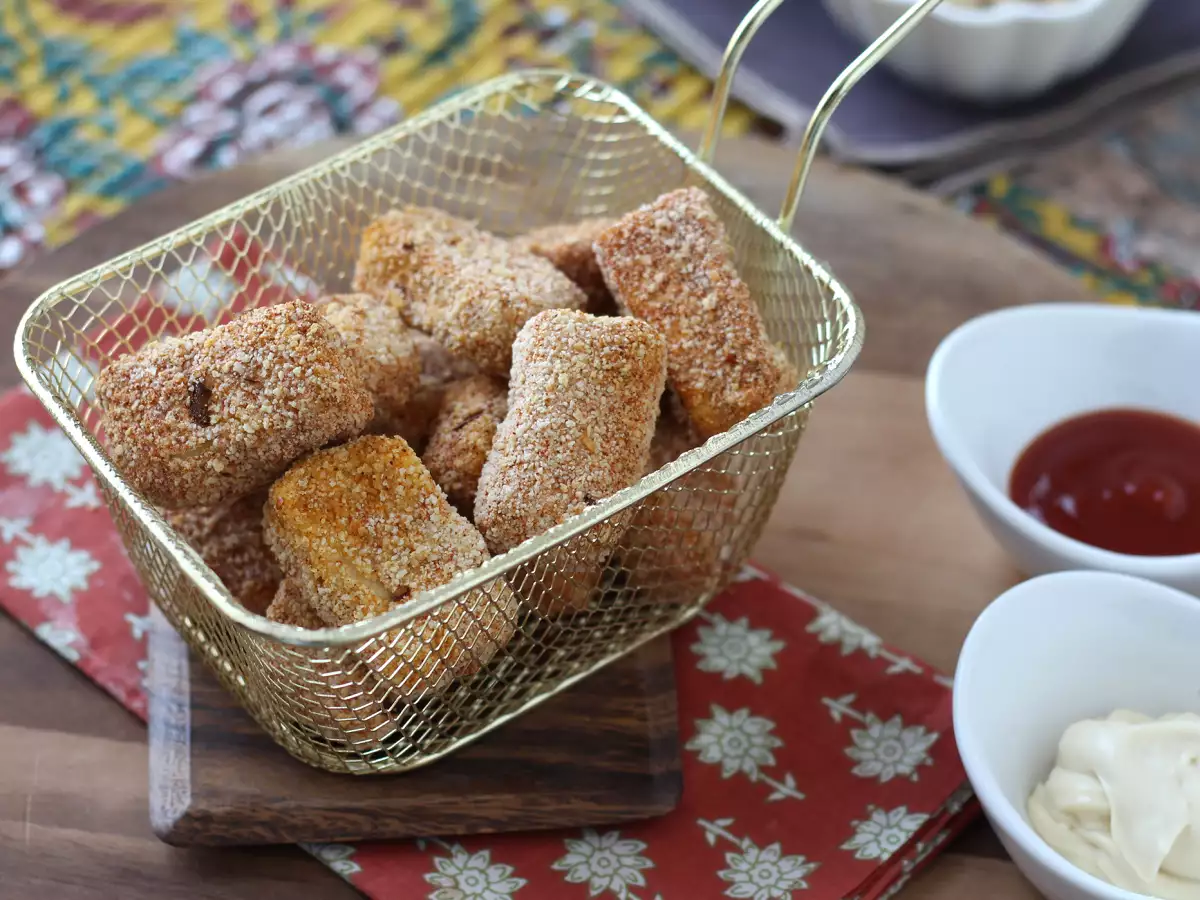
Treat yourself at cocktail hour without compromising your goals with these protein-rich tofu nuggets . Crispy on the outside and soft at the center, they combine a golden, spicy coating with a tender, satisfying texture. Easy, balanced and full...
For a quick vegetarian tofu rice bowl with a crunchy, saucy feel:
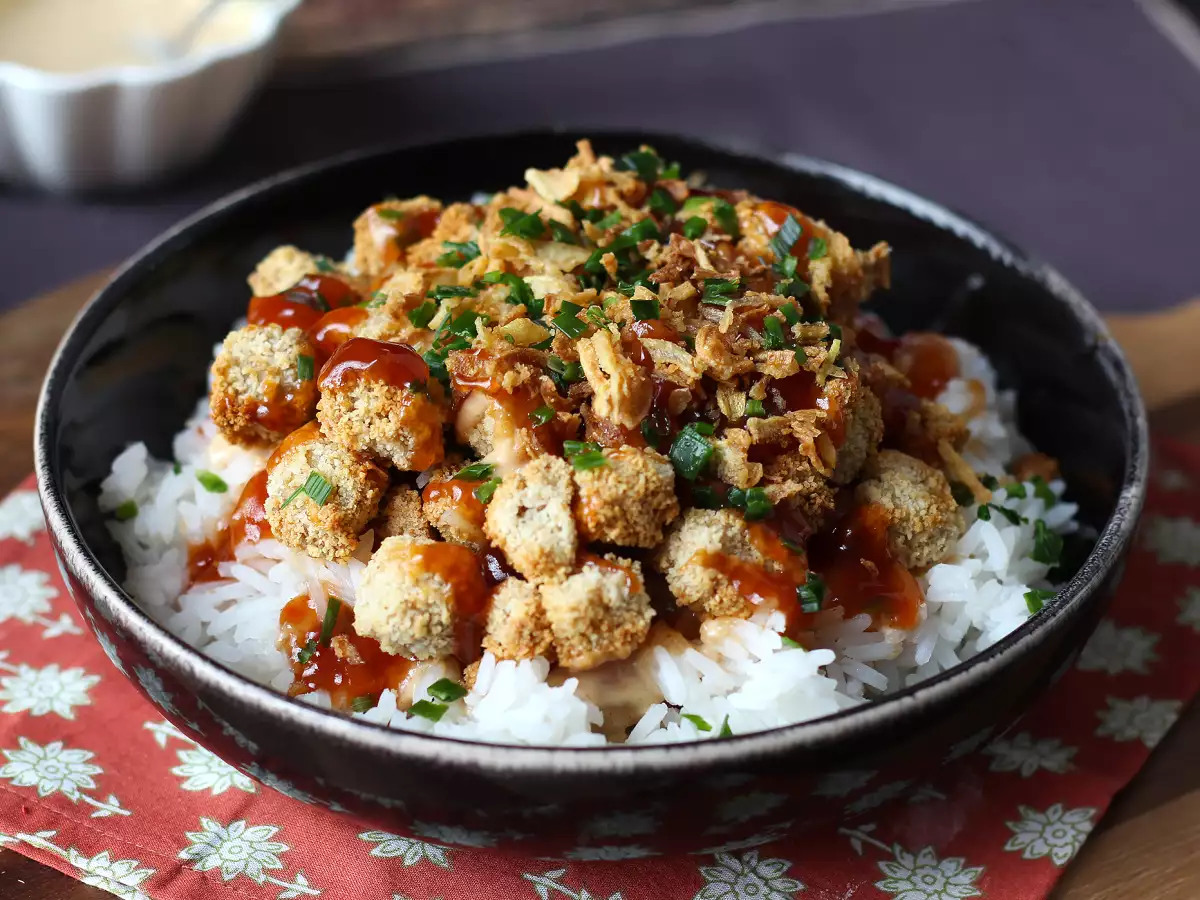
Have you heard of “crousty” chicken? This time, we’re making a vegetarian version with crousty tofu ! Crispy on the outside and tender inside, it’s served over fluffy rice with a creamy, slightly spicy sauce and crispy fried onions for extra crunch....
For a classic tofu pad Thai that turns pressed tofu into a full noodle dinner:

If you're a fan of Thai cuisine, you surely know Pad Thai :-) Today, we invite you to make it at home with tofu. Yes, you'll see that tofu can be flavorful despite appearances ;-) It's easy to make, and we'll guide you step by step through preparing...
For soy-marinated tofu when you want a simple, flavorful plant-based main:

Enhance the flavors of your plain tofu and make it crispy after a quick sauté. Pair it with rice and vegetables for a fragrant and balanced meal. Are you ready to try it?
The bottom line
Once you try it, tofu becomes much easier to love: crispier on the outside, firmer in the middle and better at soaking up flavor. That is the difference between tofu that feels like an afterthought and tofu that can anchor a real dinner.
 Daniele Mainieri
Comments