Which is best: white or yellow peach? A simple guide to choosing the right peach for every recipe
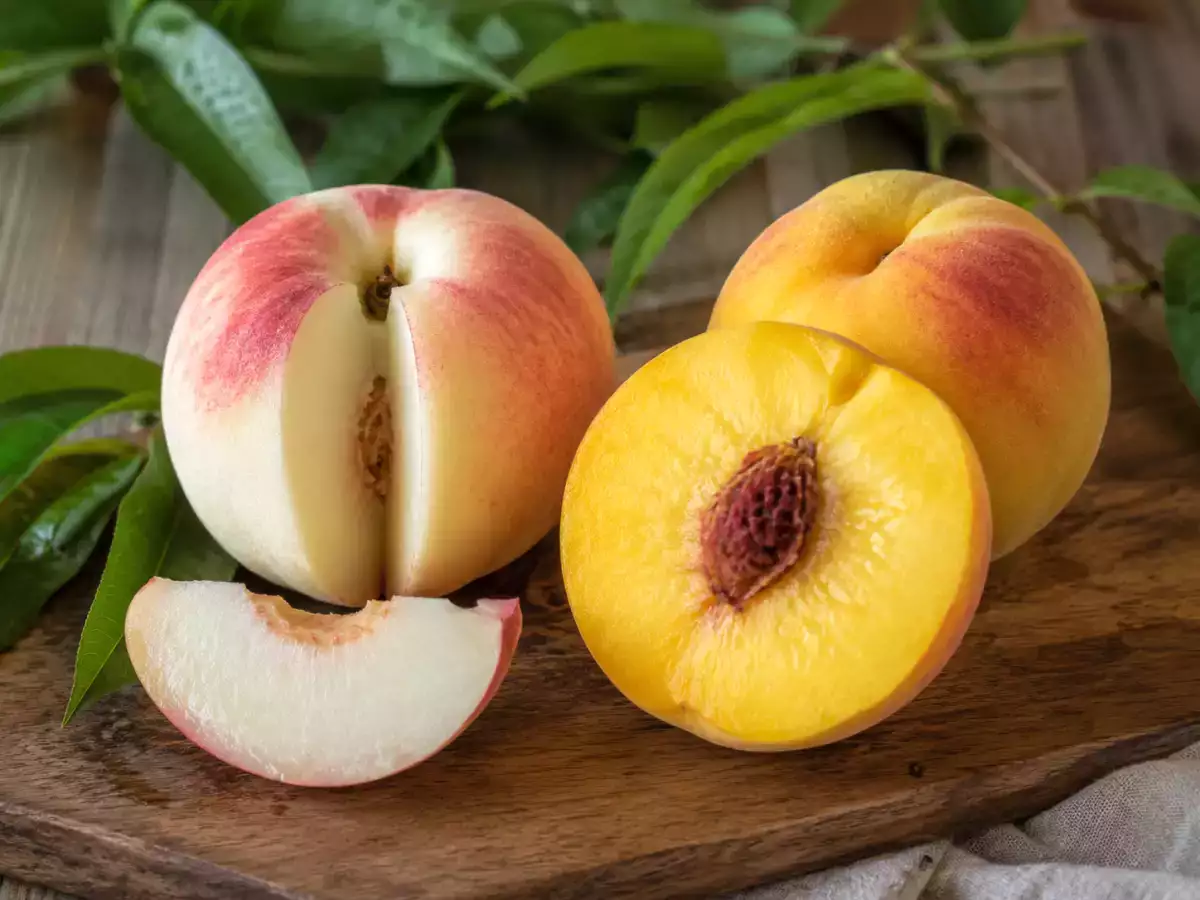
In a salad, a tart, roasted peaches or a frozen dessert, taste is not the only thing that matters. You also need to think about firmness, juiciness, how well the fruit holds up when cooked and ripeness. A very fragrant peach can be perfect to eat as it is, but too delicate for the oven. A firmer peach may seem less melting at first, but it can hold its shape much better in a tart.
Here is how to tell the difference without making things complicated, and how to choose the right peach depending on what you want to prepare.
Why does the choice of peach change the result?
Of course, it also depends on the fruit in front of you. A firm white peach can work very well in a roasted recipe, and a very ripe yellow peach can be perfect in a salad. But as a general rule, the color of the flesh already gives a good clue about the best use.
Which peach should you choose for a tart?
White peaches can also work, but preferably when they are still a little firm. If they are very ripe, they may release more juice and soften the pastry. In that case, it is better to use them in a fresh dessert or add them after baking.
For a rustic tart, choose peaches that are fragrant but not too soft. They should be easy to cut without collapsing. That is the best compromise for a fruity, tender dessert that does not become soggy.
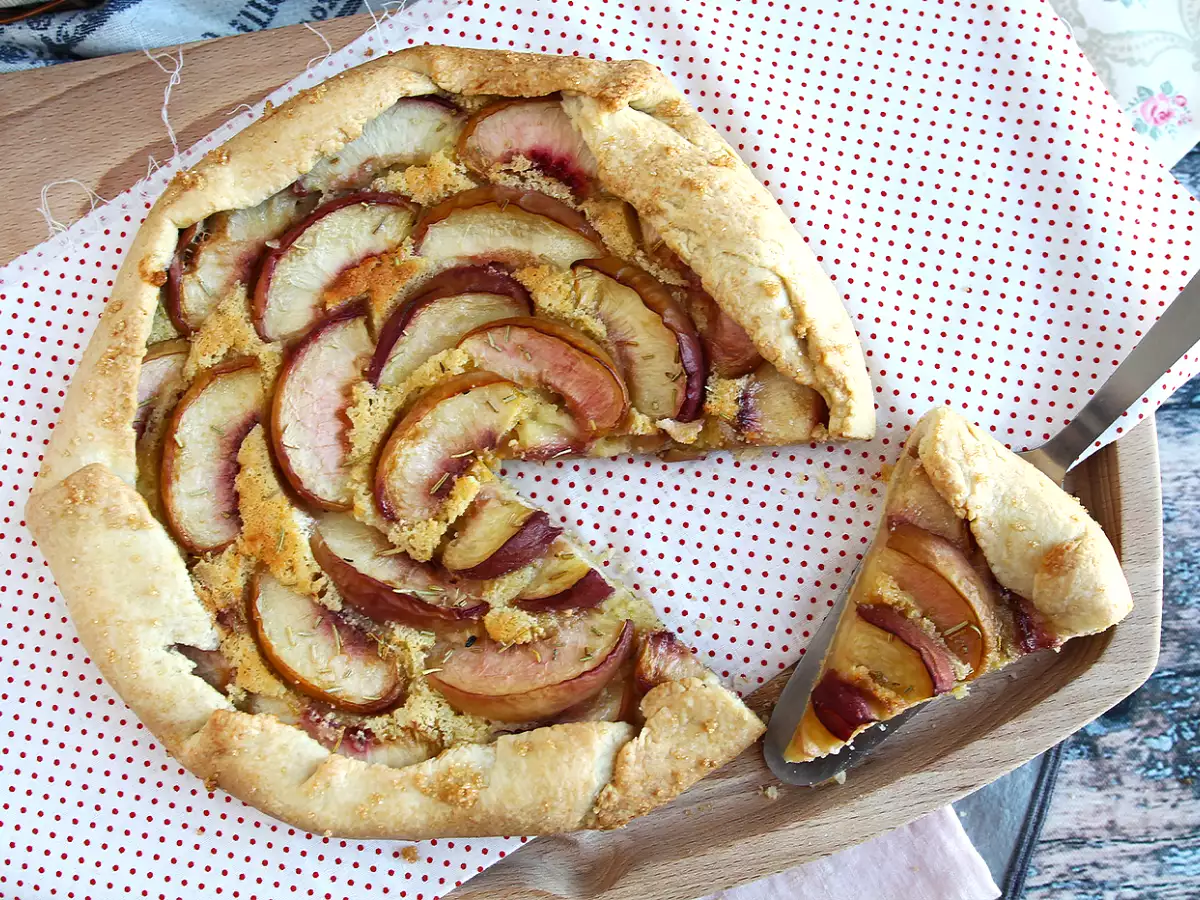
No tart pan? No problem! The result will be even prettier, or downright “rustic” ;-) Here, we suggest showcasing seasonal peaches by pairing them with rosemary and almond cream. In short, a wonderful dessert that’s extra fruity and indulgent. Give it a...
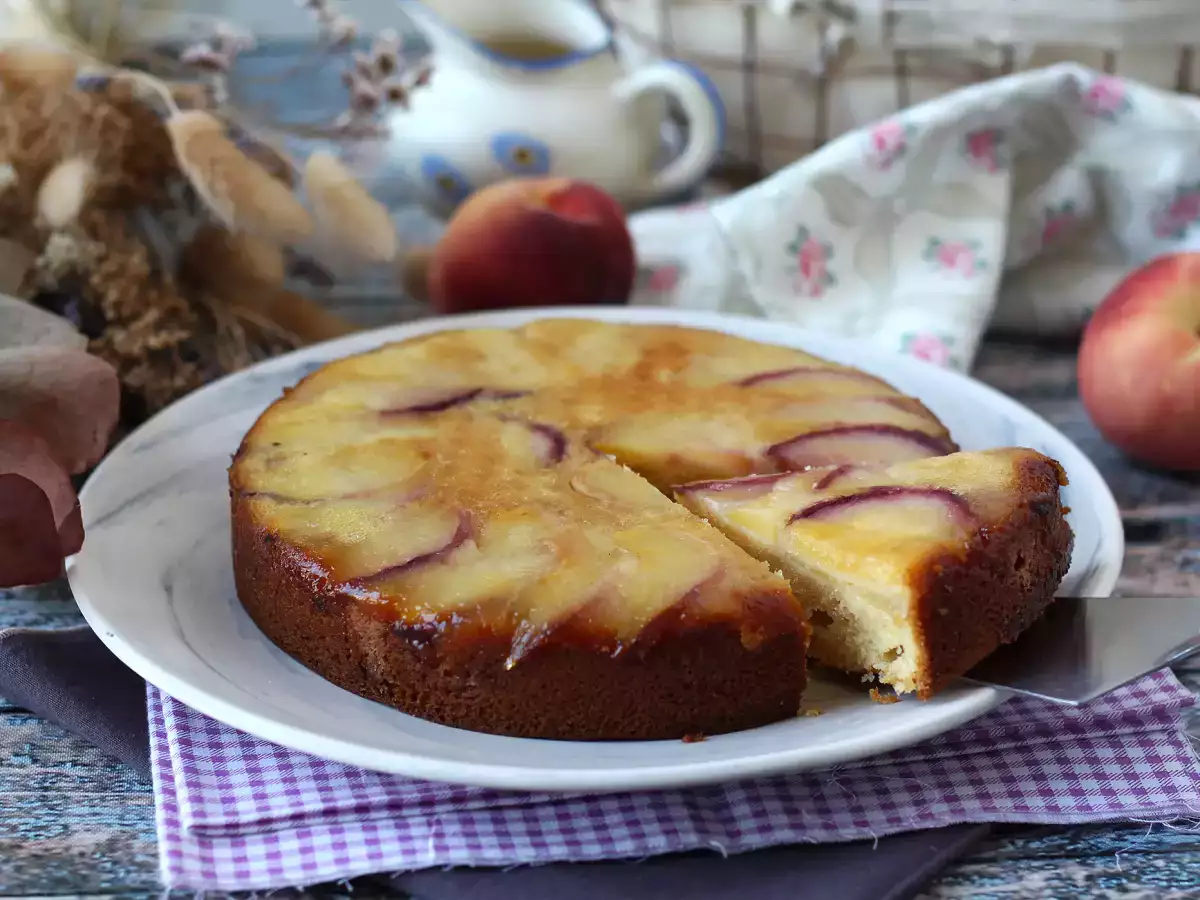
If we mention meltingly tender peaches, a moist cake and a caramelized crust, will you be able to resist? ;-) We polished off this delicious peach upside-down cake in no time: it’s THE comforting dessert that reminds us of the wonderful cakes our...
Which peach should you choose for a sweet and savory salad?
Yellow peach gives a more pronounced result. It works very well if you want a sharper contrast with creamy cheese, a lemon dressing or a salty ingredient. It also holds its shape better if you quickly roast it in a pan or in the oven before adding it to the salad.
The simple rule: for a very fresh salad, choose a peach that is fragrant and juicy; for a salad with roasted fruit, choose one that is a little firmer.
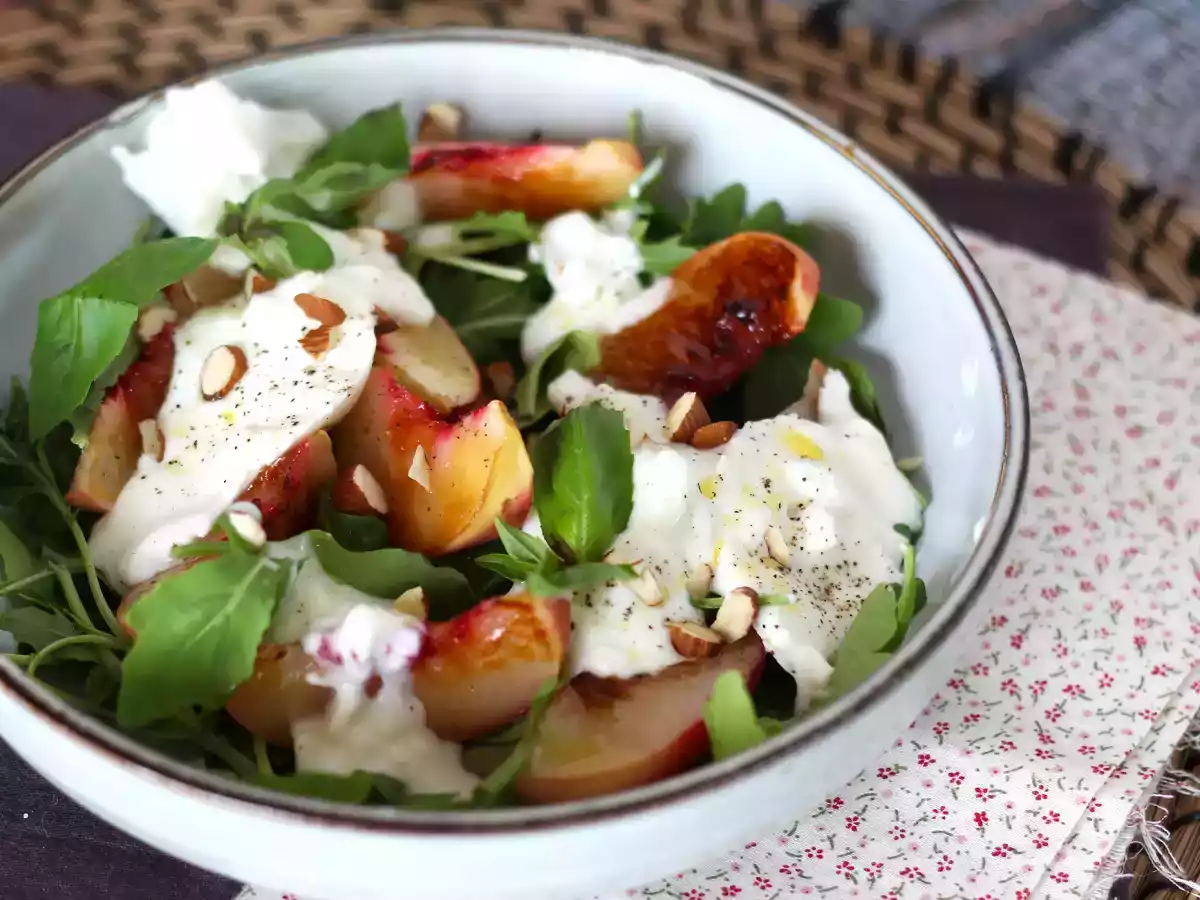
Fruit in a savory salad ? Yes, really! We can assure you that this combination of flavors will win you over ♥ At first, we were just as unsure as you might be about adding roasted peaches to our salad. Then came the tasting—and what a revelation!...
For toast or roasted peaches, go for firmness
Here, yellow peach is often easier to work with. It becomes tender without turning into a purée. White peach can also be used if it still feels firm to the touch. The important thing is to cut fairly thick wedges and not cook them longer than necessary.
With burrata, arugula, a drizzle of olive oil or a few herbs, roasted peach instantly adds a summery touch. It is a great idea when you want a simple starter that feels a little more special than a classic salad.
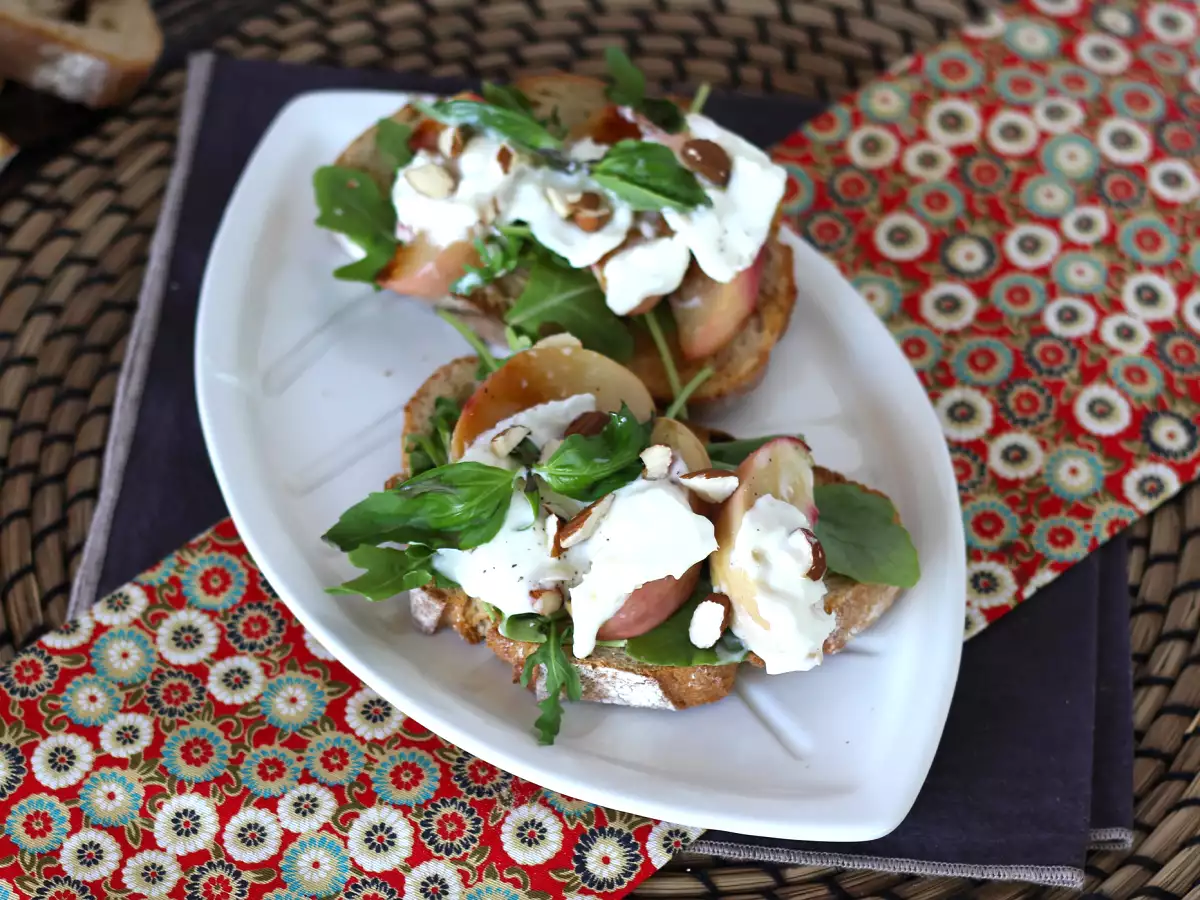
When we get home from work, we love settling in to watch a show with a snack platter full of little bites to nibble on. And our favorite recipe? Savory toasts! So we decided to try a sweet-and-savory recipe, combining roasted peaches with burrata...
For a fresh dessert, white peach often has the advantage
Yellow peach is also a good candidate if you like desserts with a bolder, more intense flavor. It can be delicious in a fruit salad, especially when fully ripe. But if you want a melting texture and a more floral aroma, white peach remains a safe choice.
The most important point is still ripeness. A peach that is too hard will lack fragrance, whatever its color. A peach that is too ripe will be difficult to cut neatly. Look for fruit that gives slightly under your finger, but is not soft.
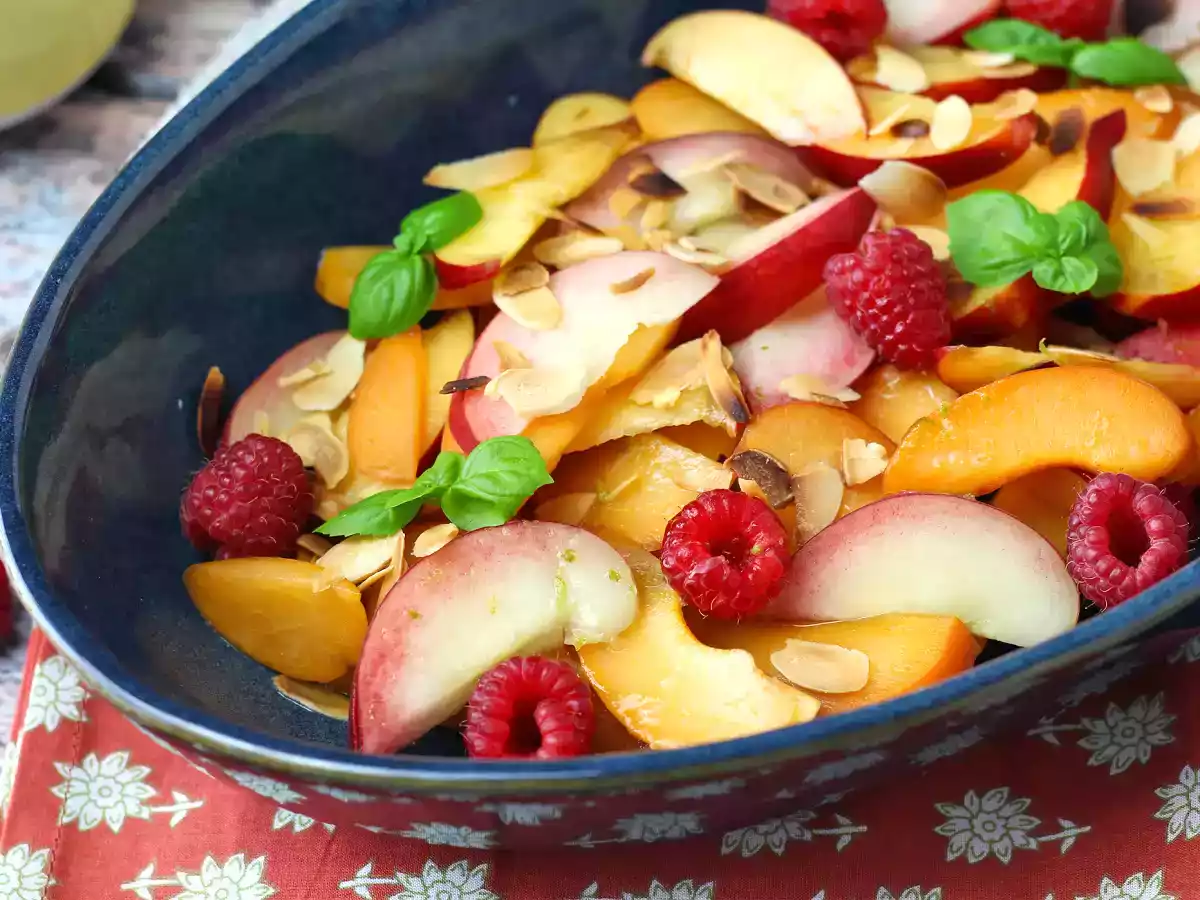
Here's a summer fruit salad that's as simple as it is delicious! With peaches, apricots, raspberries and a little lime, you get a juicy, fragrant and wonderfully indulgent mix. And for a crunchy touch? Toasted slivered almonds , sprinkled just...
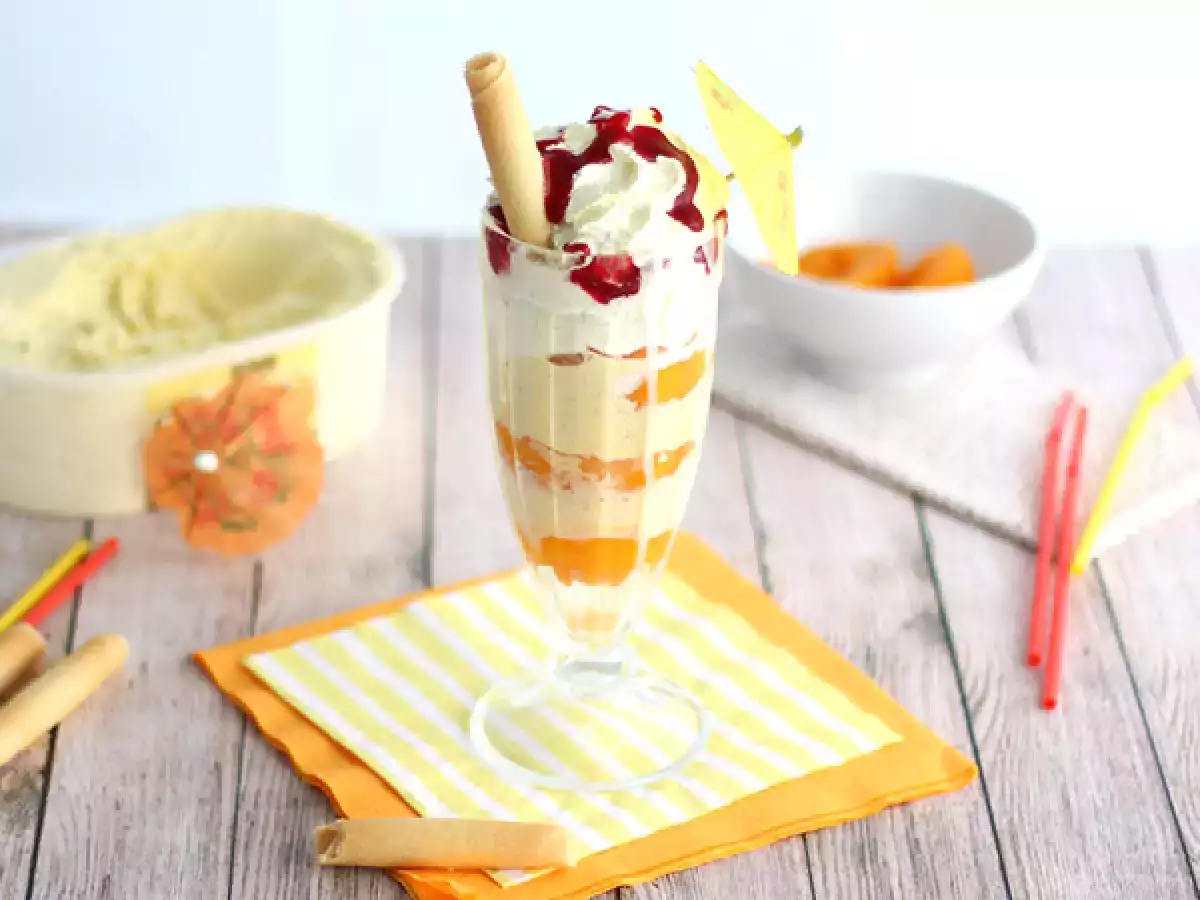
A classic among summer ice cream desserts: Peach Melba (or a Melba sundae). Invented in 1894 by chef Auguste Escoffier in honor of singer Nellie Melba, this refreshing and indulgent dessert is sure to delight. Simple scoops of vanilla ice cream paired...
What about a drink or an overripe peach?
In this case, the difference between white peach and yellow peach matters less. What matters most is the fragrance. Very ripe fruit will bring more flavor, but damaged parts should be removed and the peaches should be used quickly.
For iced tea, a smoothie or a blended preparation, yellow peaches often bring a warmer color and a more pronounced taste. White peaches give a softer, more delicate drink.
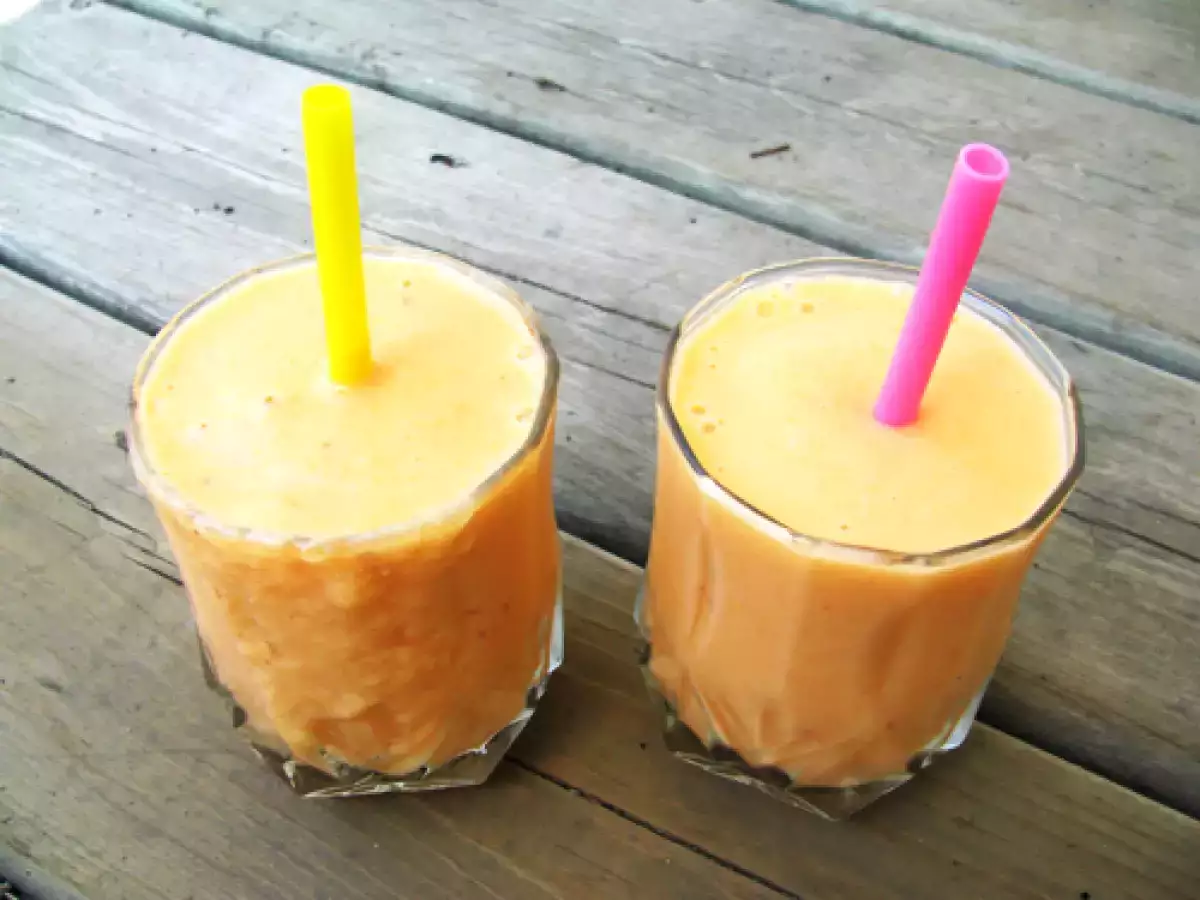
Combine all the ingredients in the blender. Cover, and blend for 2 minutes, or until ice is finely crushed. Serve right away. Makes about 4 regular glasses (pictures above) or 2 tall glasses.
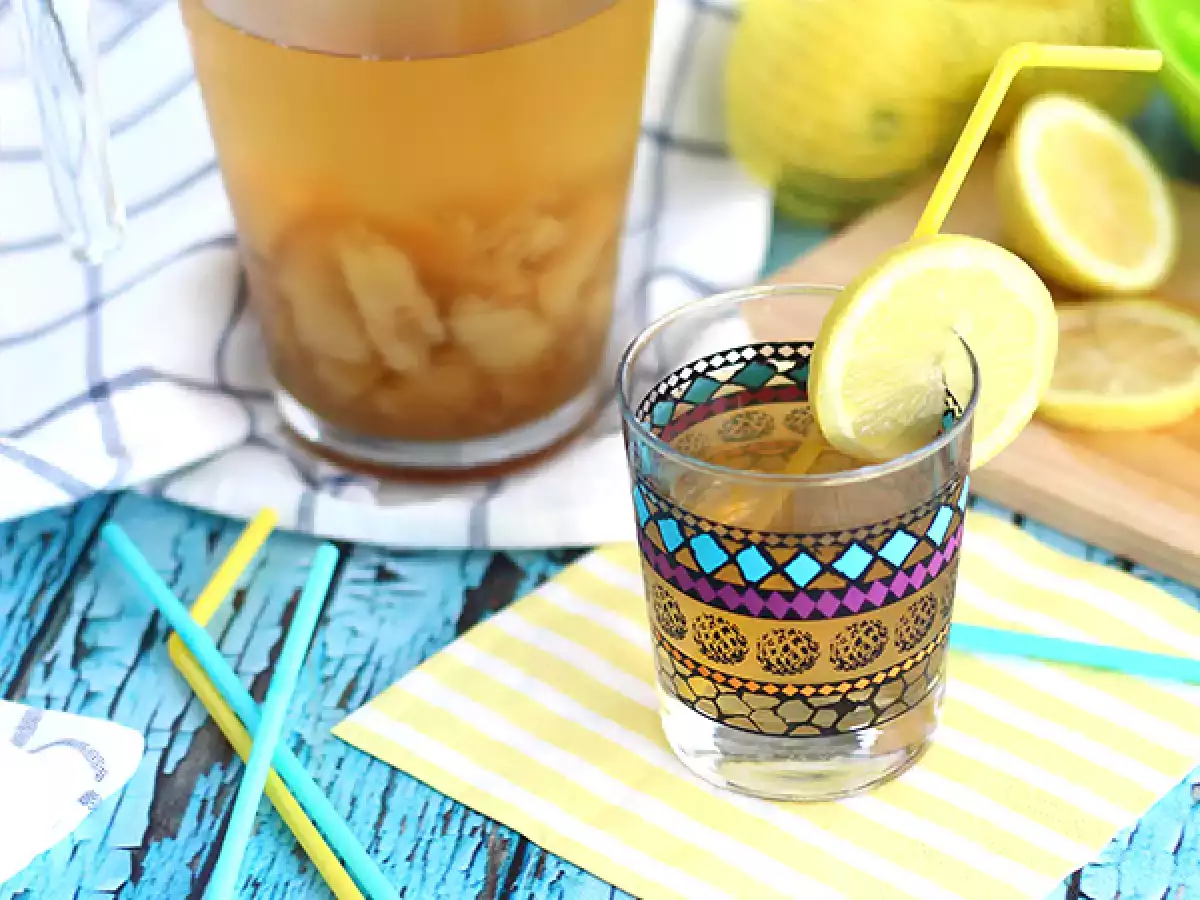
A refreshing peach iced tea that is alcohol-free, perfect for staying hydrated during hot summer days. A simple recipe explained step by step. Less sweet than regular sodas, this drink allows you to enjoy a fruity break anytime during the day. An...
How can you recognize a good peach before buying it?
For a cooked recipe, choose peaches that are still a little firm. For a salad or fresh dessert, choose riper fruit and use it quickly. If you buy several peaches, mix different levels of ripeness: some to eat right away, others for the following days.
Above all, avoid piling them up. Peaches bruise easily. Once damaged, they soften faster.
What to remember when choosing between white peach and yellow peach
For a fresh salad: white peach is very pleasant, especially when fragrant and juicy.
For roasted peaches: choose firm fruit, often easier to handle when yellow.
For a fruit salad: both work, but white peach gives a softer, more delicate result.
For a drink or coulis: use very ripe peaches, whatever their color, as long as they are still healthy.
Each peach has its moment. White peach shines in freshness and softness. Yellow peach is more reliable when you need structure, cooking performance and a more pronounced flavor.
 Adèle Peyches
Comments