Worried about cholesterol? Vegetarian dinners work best when fiber replaces saturated fat
Why the swap matters more than the label
Foods like beans, lentils, chickpeas, oats, barley, vegetables, fruit, nuts and seeds bring fiber to the plate. Many of them also add texture, protein and slow-burning carbohydrates, which makes dinner feel satisfying without relying on heavy sauces. At the same time, using olive oil, nuts, seeds or avocado in moderate amounts can bring richness from unsaturated fats instead of leaning on butter, cream or fatty cheese.
Build the plate around fiber first
This approach makes the meal naturally more balanced. A bowl of pasta e fagioli, a red lentil soup or a quinoa-stuffed squash gives you comfort and structure without needing a meat substitute. The goal is not to create a “diet” plate; it is to make a dinner that is cozy, complete and repeatable.
Watch the hidden saturated fat traps
That does not mean every vegetarian dinner has to be plain. Try making sauces creamy with blended beans, cooked cauliflower, pumpkin, squash, silken tofu or a spoonful of tahini. Add crunch with toasted seeds or breadcrumbs. Use strong flavors like smoked paprika, cumin, curry spices, lemon zest, fresh herbs or chili flakes. Flavor does not have to come from saturated fat.
Make it filling enough for dinner
For example, a bowl of lentil soup becomes more dinner-like with whole-grain bread and a salad. A mushroom risotto can be rounded out with beans or a vegetable side. A roasted squash dish becomes more complete when it includes quinoa, lentils or chickpeas. The best vegetarian dinners are not tiny side dishes; they are proper meals.
Small habits that make the change easier
Seasoning is the secret that keeps these meals exciting. Garlic, onions, herbs, spices, lemon juice, vinegar and mustard can make a simple dish taste bright and complete. When the food is enjoyable, the habit lasts.
Vegetarian recipe ideas to try
For a red lentil and butternut squash soup that is cozy, filling and naturally rich in fiber:
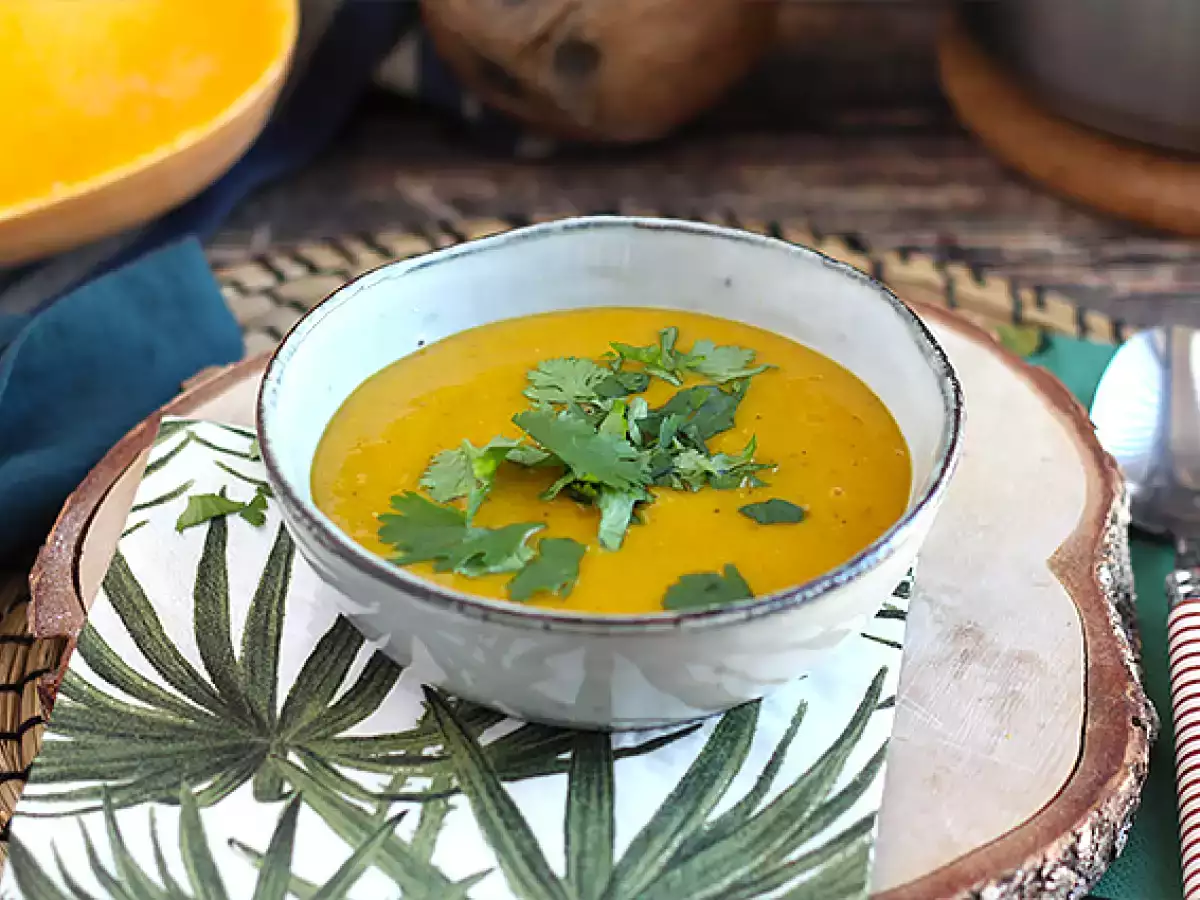
On the menu tonight: a super comforting, spicy soup that lets you travel while staying cozy under a blanket. Rich in plant-based protein thanks to the red lentils, this hearty soup also showcases one of the seasonal squashes: butternut squash :-)...
For a vegan chickpea curry that brings protein, spices and plenty of satisfaction:
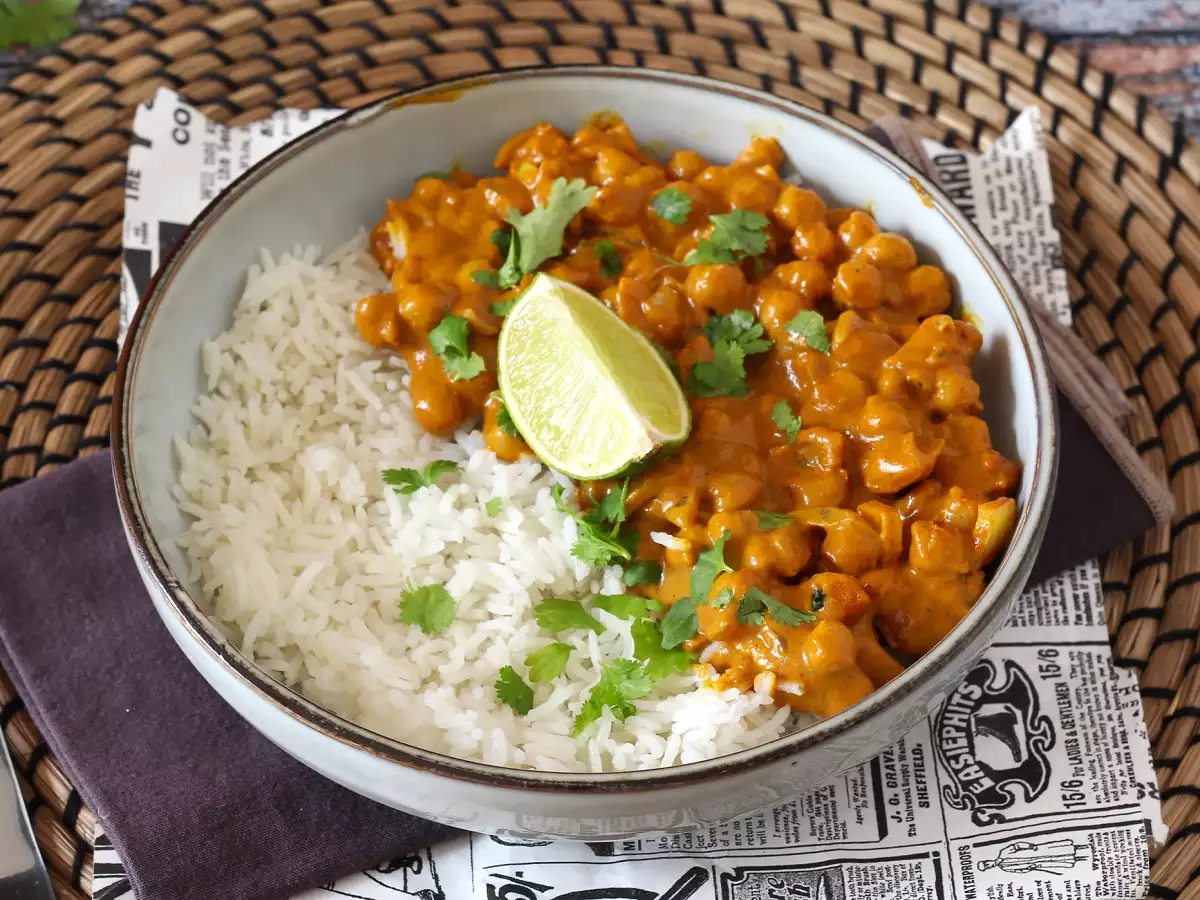
When it comes to comfort food , we're always happy to make room for chickpea curry ! Served with rice, this fragrant dish will take your taste buds on a journey and warm you up :-) Think we're exaggerating? Give it a try and you'll soon be won over...
For a quinoa-stuffed butternut squash that works as a complete vegetarian main:

Have you got a butternut squash and want to make something other than soup with it? It’s time to stuff it! Enjoy a hearty, filling, colorful winter meal! Its orange flesh is good for both body and mind :-) Paired with the red pomegranate arils and...
For a vegetarian katsu-style eggplant curry that feels generous without using meat substitutes:

Turn your kitchen into a little corner of Japan with this vegetarian recipe for panko-breaded eggplant, katsu curry-style ! Imagine the crispy texture of traditional katsu curry, but without the meat. This eggplant-based version is not only...
For a vegan mushroom risotto that brings comfort and depth from mushrooms:
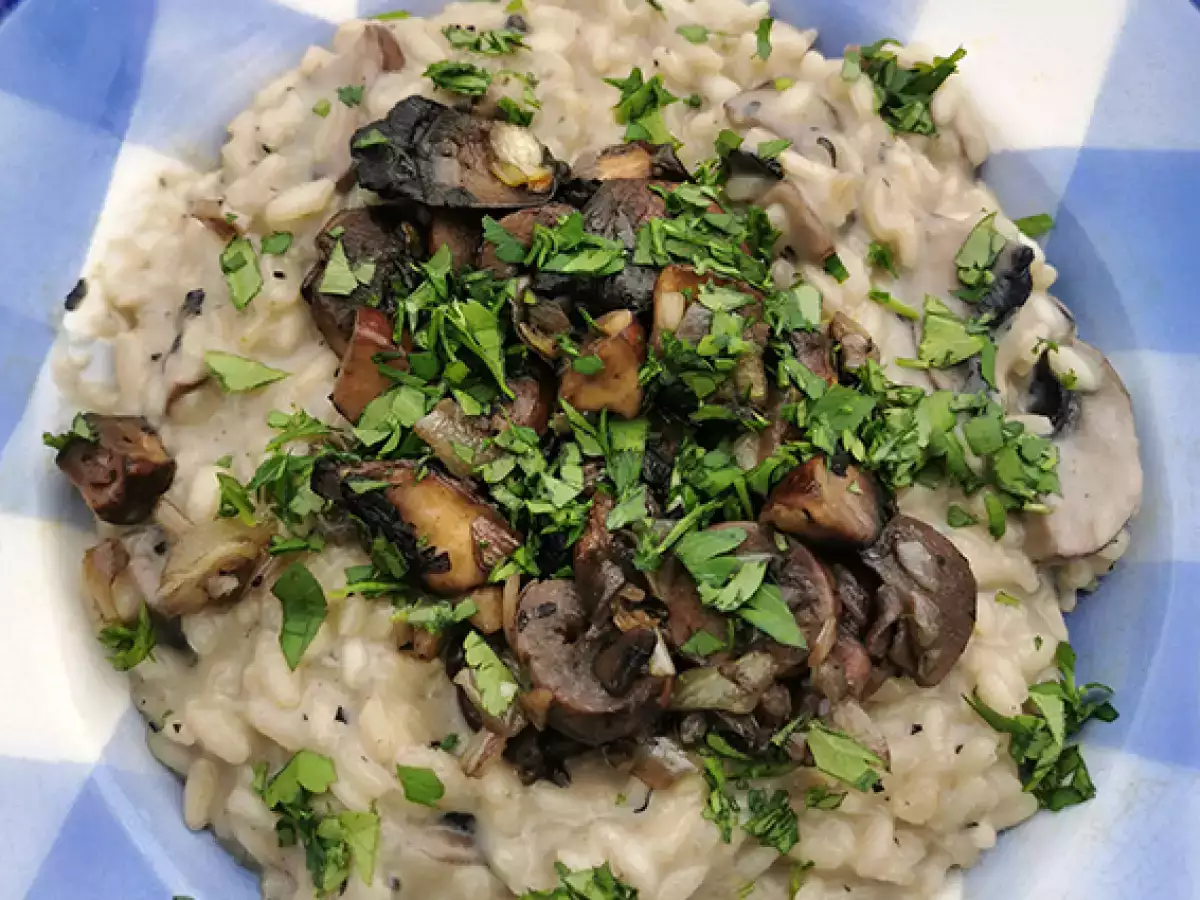
Here I’m sharing a risotto where some of the mushrooms are cooked with the rice, while the rest are sautéed in a pan and added to your plate just before serving. It’s a flavour-packed combination that I love pairing with freshly chopped parsley :-)
For a Korean-style mushroom dish with bold gochujang flavor and a vegetable-first profile:
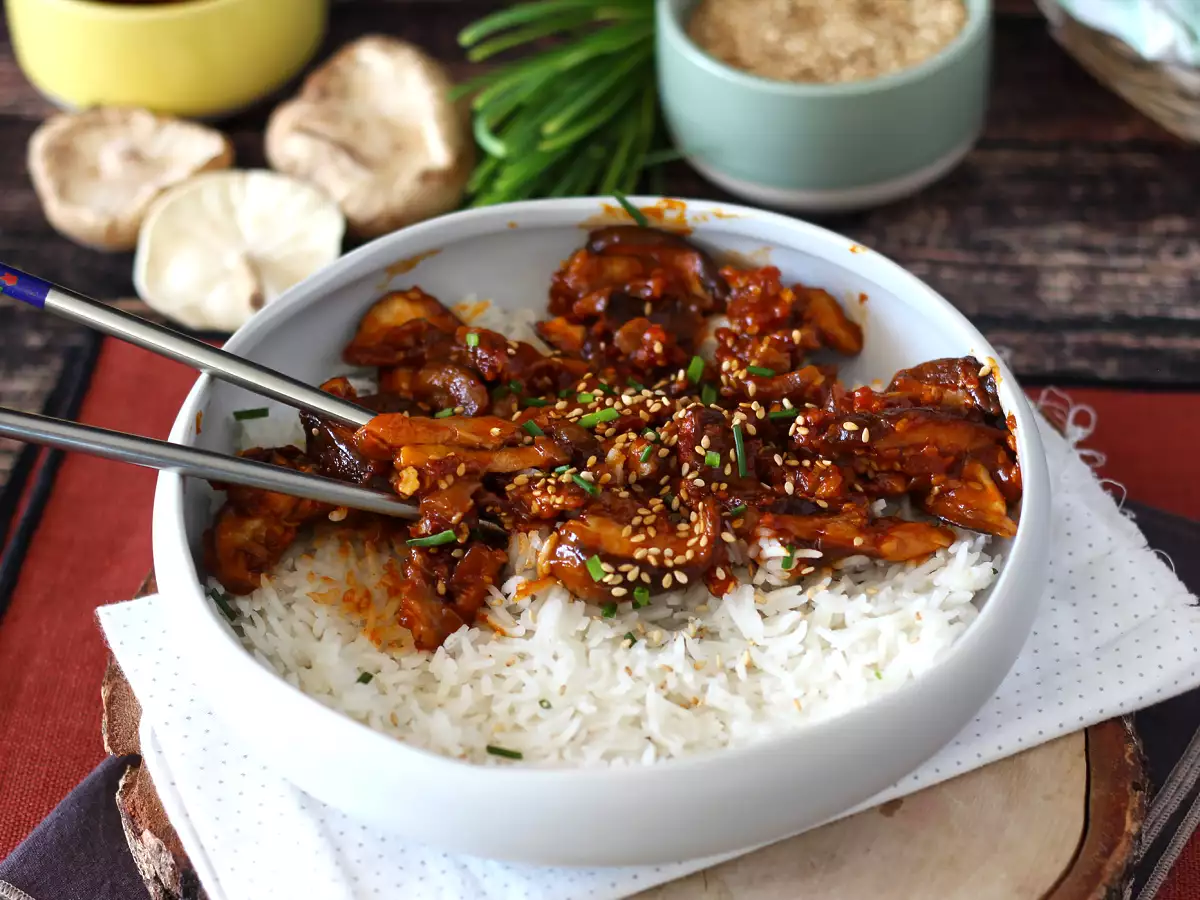
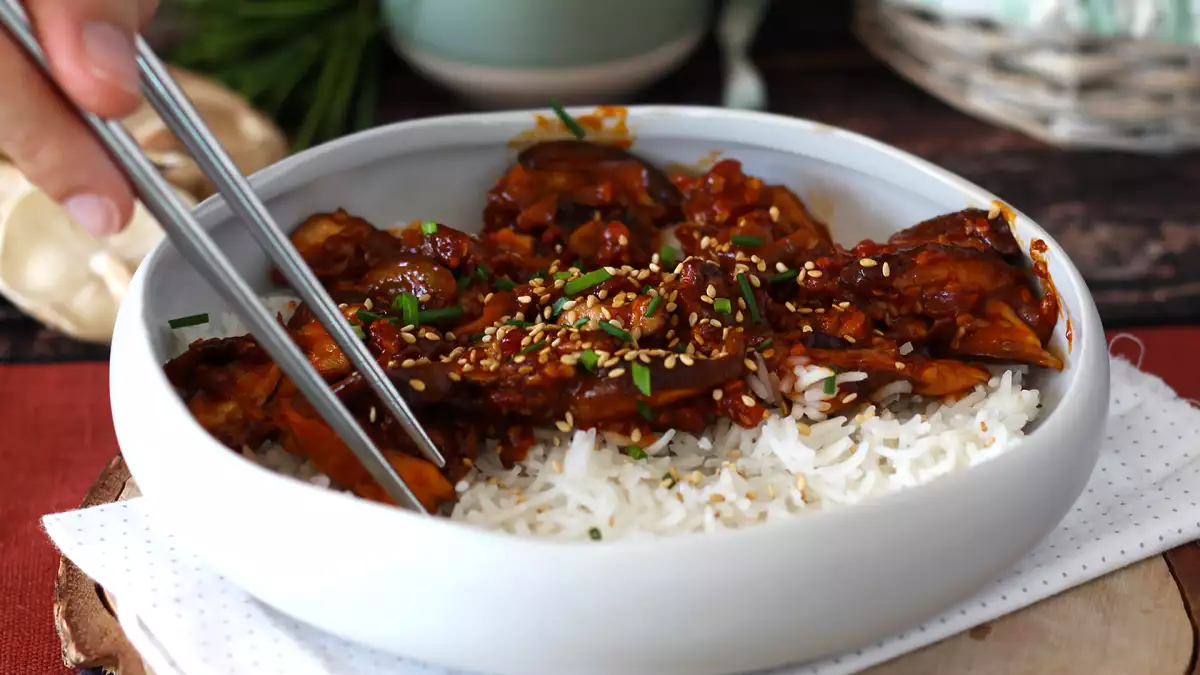
Looking for an alternative to traditional bibimbap , a classic Korean dish? Try our flavorful Korean-style mushrooms . Tender and juicy shiitake mushrooms pair perfectly with gochujang sauce , creating a perfect balance of sweetness and heat. This...
 Juliette Hess
I love travelling and discovering new dishes, trying out new food trends and exploring new restaurants.
I’m a huge fan of pasta and noodles in all their forms ❤ from udon noodles to tagliatelle, I love cooking them and even making them from scratch!
I’m currently preparing, filming and photographing your next recipe, and I hope you’ll enjoy it!
Comments