Recipes that make a big batch and freeze well to save the week's dinners
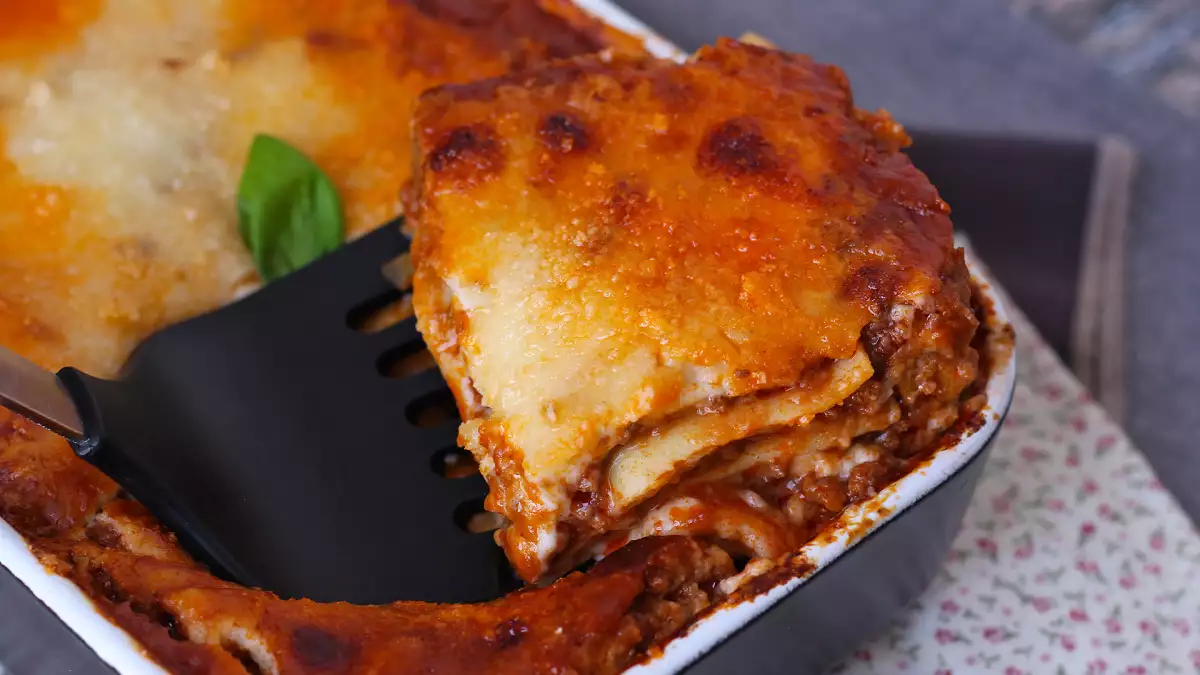
Preparing dishes that make a large batch and freeze well is one of the simplest ways to save time, money, and energy during the week. Instead of cooking from scratch every day, just make a good amount of a base dish, divide it into portions, and save it for those times when dinner needs to be ready quickly.
The secret lies in choosing recipes that retain a good texture after thawing: soups, baked dishes, sauces, fillings, legumes, croquettes, and certain meat or fish dishes. That way, one afternoon in the kitchen can turn into several lunches, packed meals, and complete dinners.
Soups and pureed soups: the first things worth freezing
To make your routine easier, freeze them in individual portions. That way, you can take out just what you need for a light dinner, an appetizer, or a more substantial lunch. Soups with vegetables, beans, onions, or simple cream soups usually freeze very well when they’re thoroughly cooled before going into the freezer.
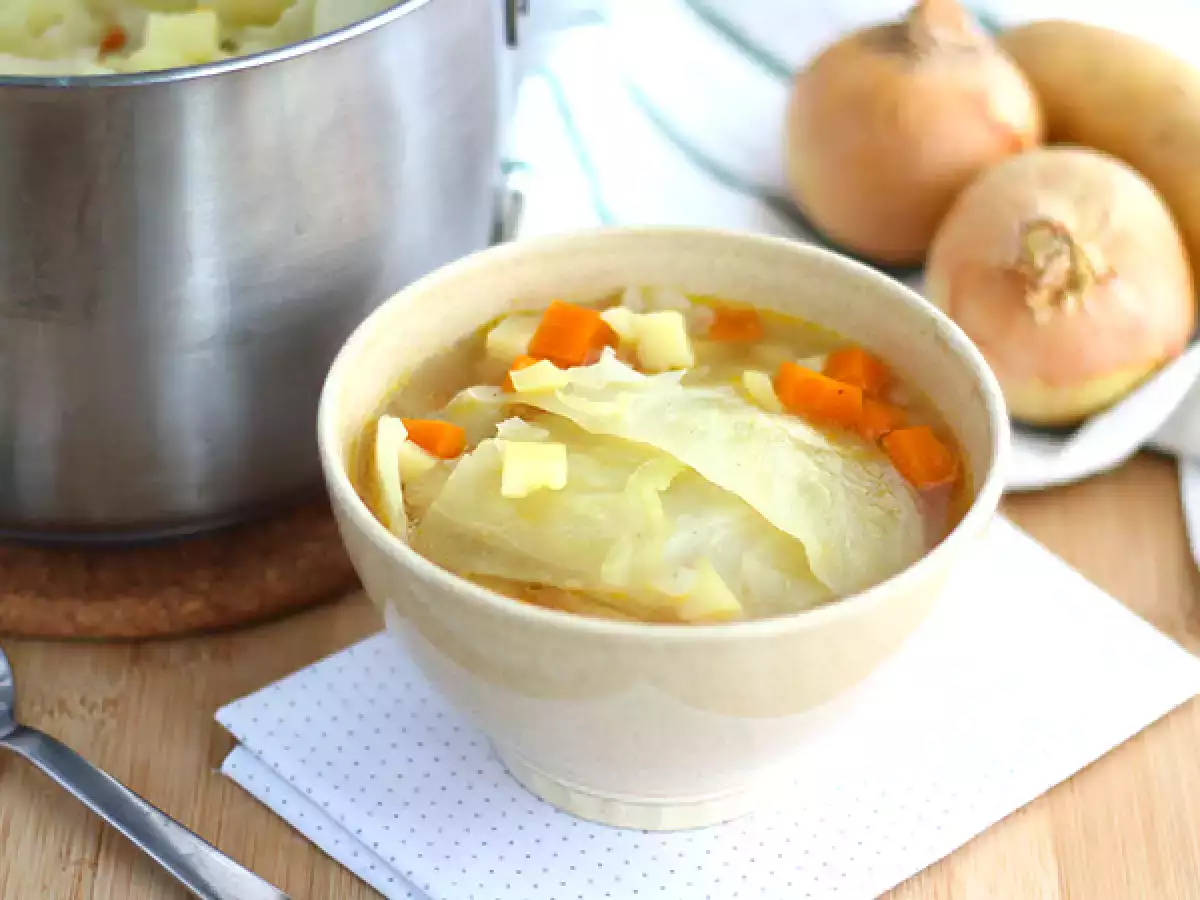
After a few culinary excesses, there's nothing like a good cabbage soup to make your stomach feel better!
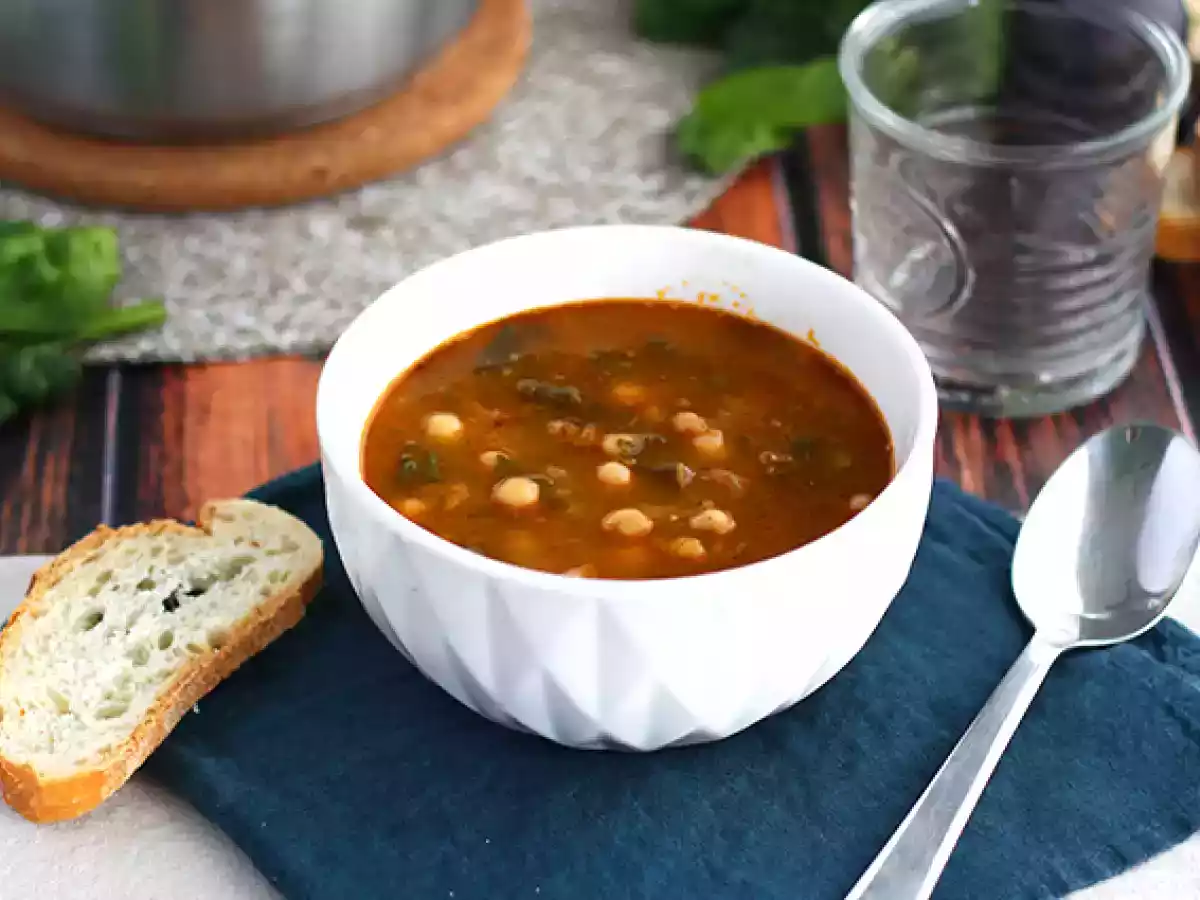
For an easy-to-make recipe that warms you up on chilly days, choose this soup! With the addition of chickpeas and spinach, it will be hearty and balanced while still being simple! A great tip for getting kids (or adults ;-) ) to eat their veggies!
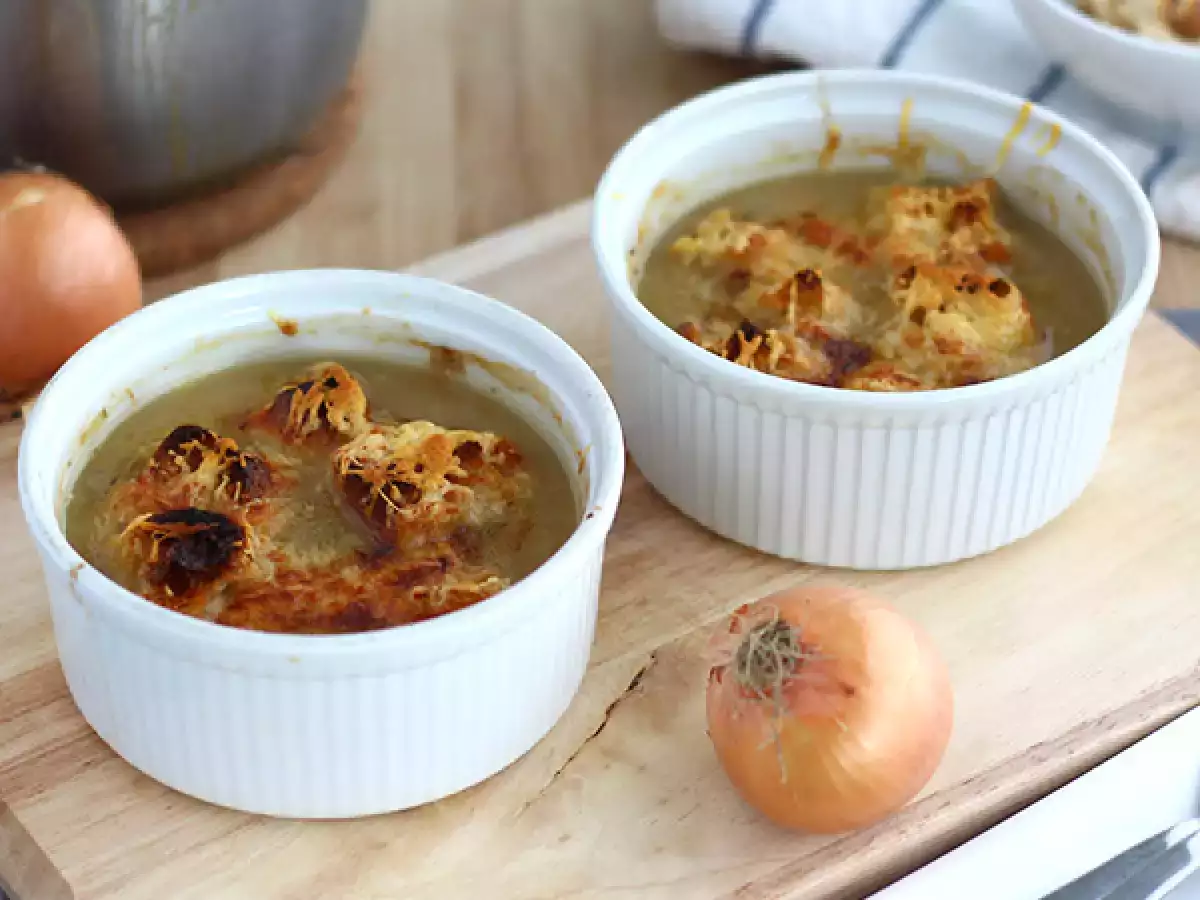
Oven-baked dishes that make several meals
This type of recipe works great for families, lunchboxes, and days when there’s no time to prepare side dishes. The tip is to freeze them in portions right away: one individual serving for lunch, two servings for dinner, or a small platter for a family meal.
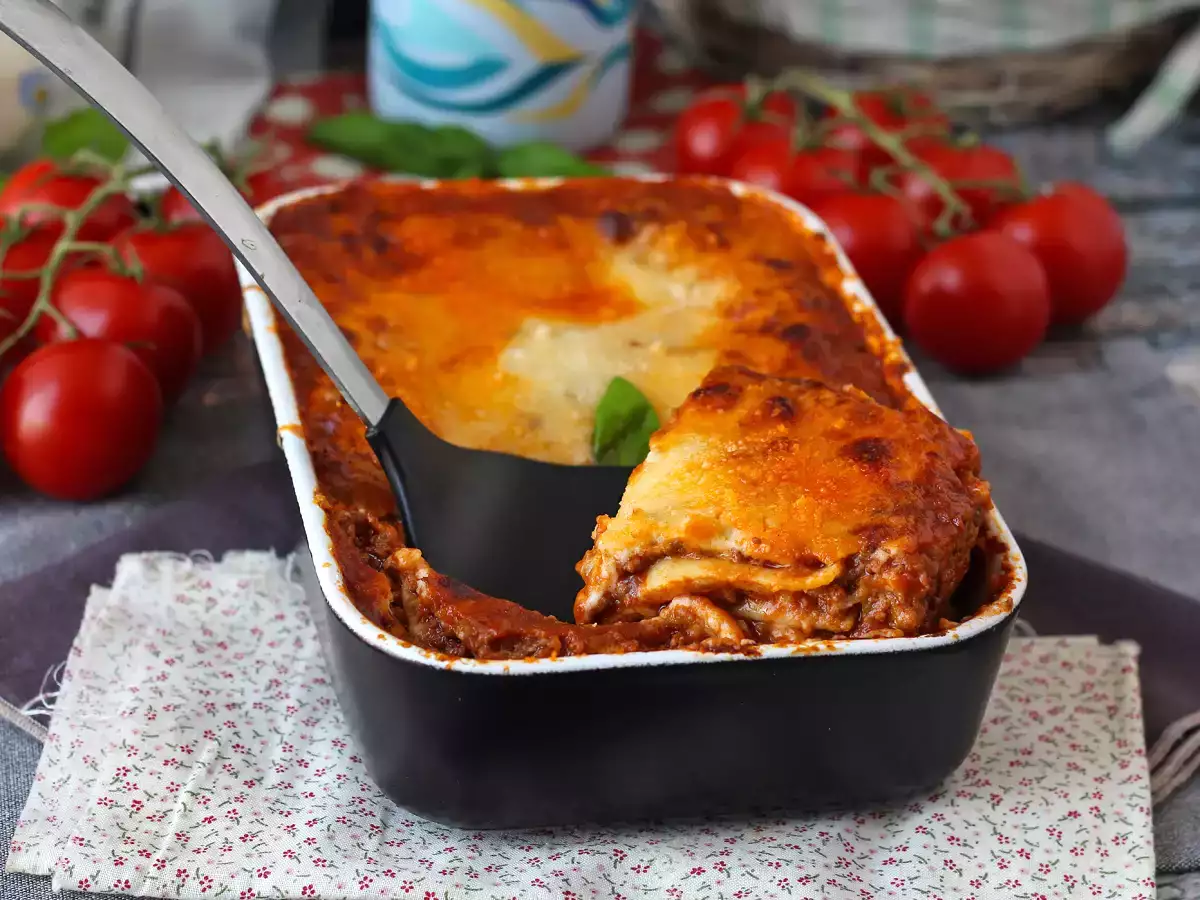
If we had to choose one dish that everyone agrees on, it would be lasagne Bolognese ;) With its generous layers of pasta, long-simmered Bolognese sauce , creamy béchamel sauce and golden Parmesan topping, it's the perfect dish to share: delicious...
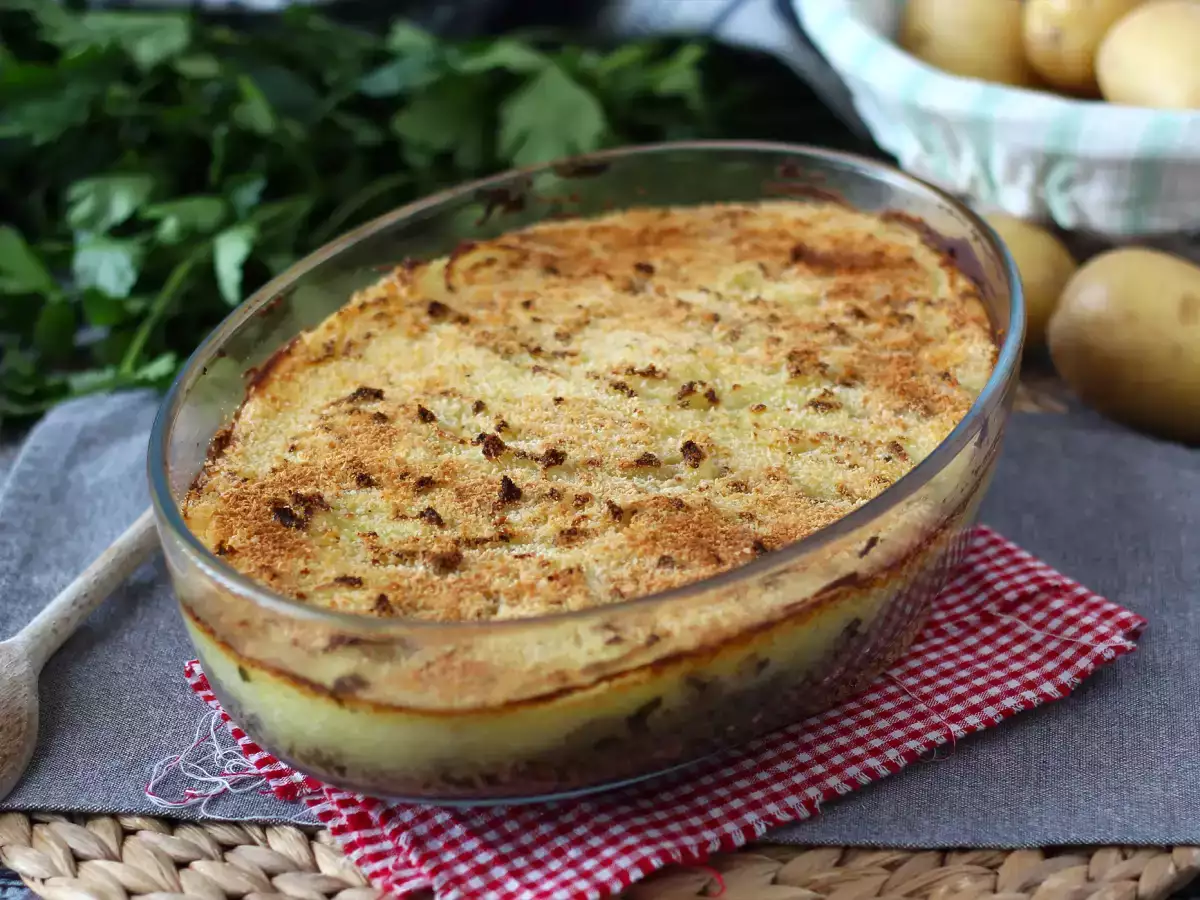
There are some classics we’ll never tire of, and hachis parmentier is one of them! Seasoned meat topped with mashed potatoes makes a dish the whole family will love ;-) Here’s our foolproof recipe—a must-have for your cookbook. Enjoy!
Sauces and bases that take pasta, rice, and vegetables to the next level
A good frozen sauce can turn a simple meal into a complete dish. It’s one of the smartest staples to always have on hand, because it goes well with pasta, rice, vegetables, potatoes, fillings, and gratins.
It’s best to freeze it in small jars or freezer-safe bags, leaving room for the sauce to expand. Then, simply thaw it, heat it up, and add it to your chosen base. In just a few minutes, you’ll have a meal that tastes like it was made from scratch.
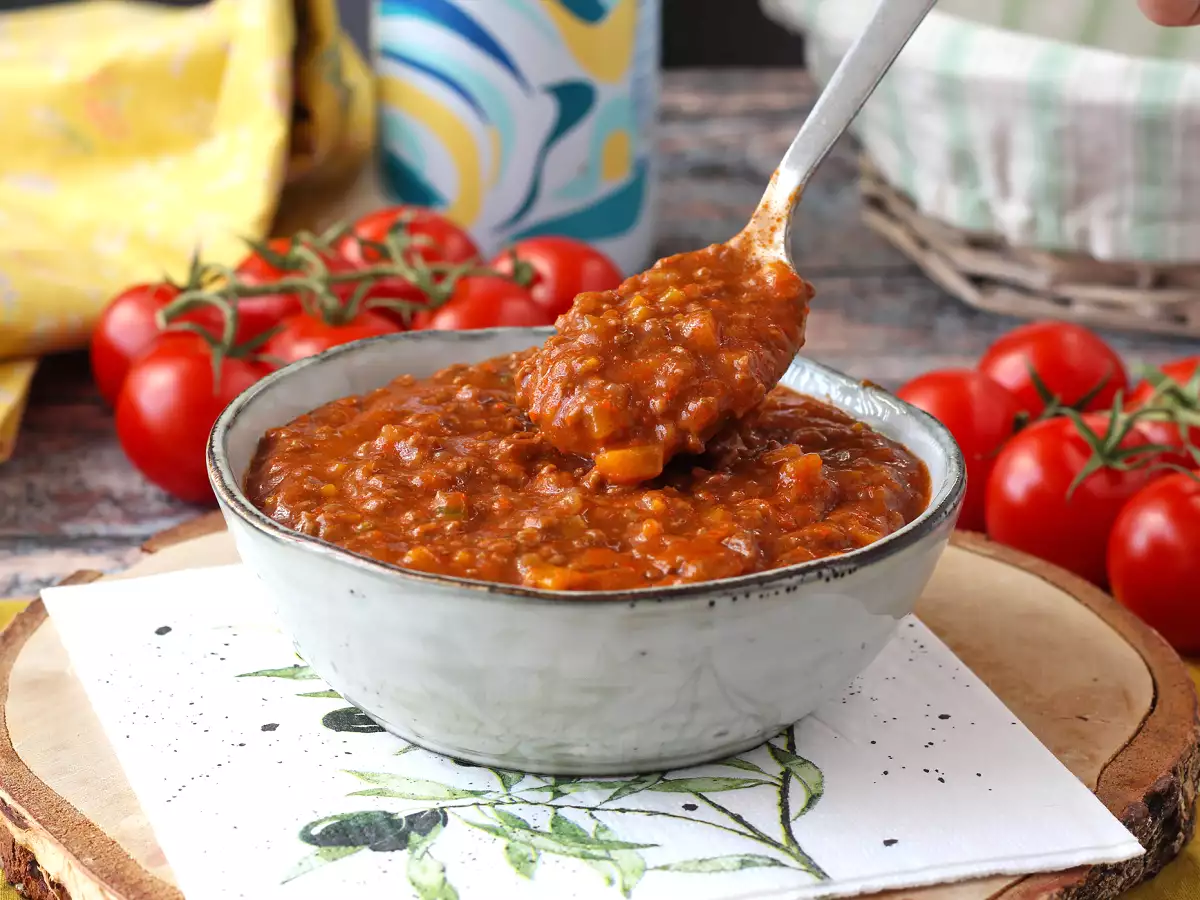
Fancy a good homemade Bolognese sauce , just like in Italy? This recipe for ragù alla bolognese is simple, authentic and full of flavor :) With finely chopped vegetables, well-seared meat, good red wine and slow cooking, you get a rich, flavorful...
Recipes with legumes: affordable, filling, and convenient
In Portugal, beans are a sure bet because they’re a staple of everyday cooking. They can be used in hot dishes, hearty salads, croquettes, fillings, and side dishes. When freezing them, opt for well-cooked batches and divide them into small portions to make thawing easier.
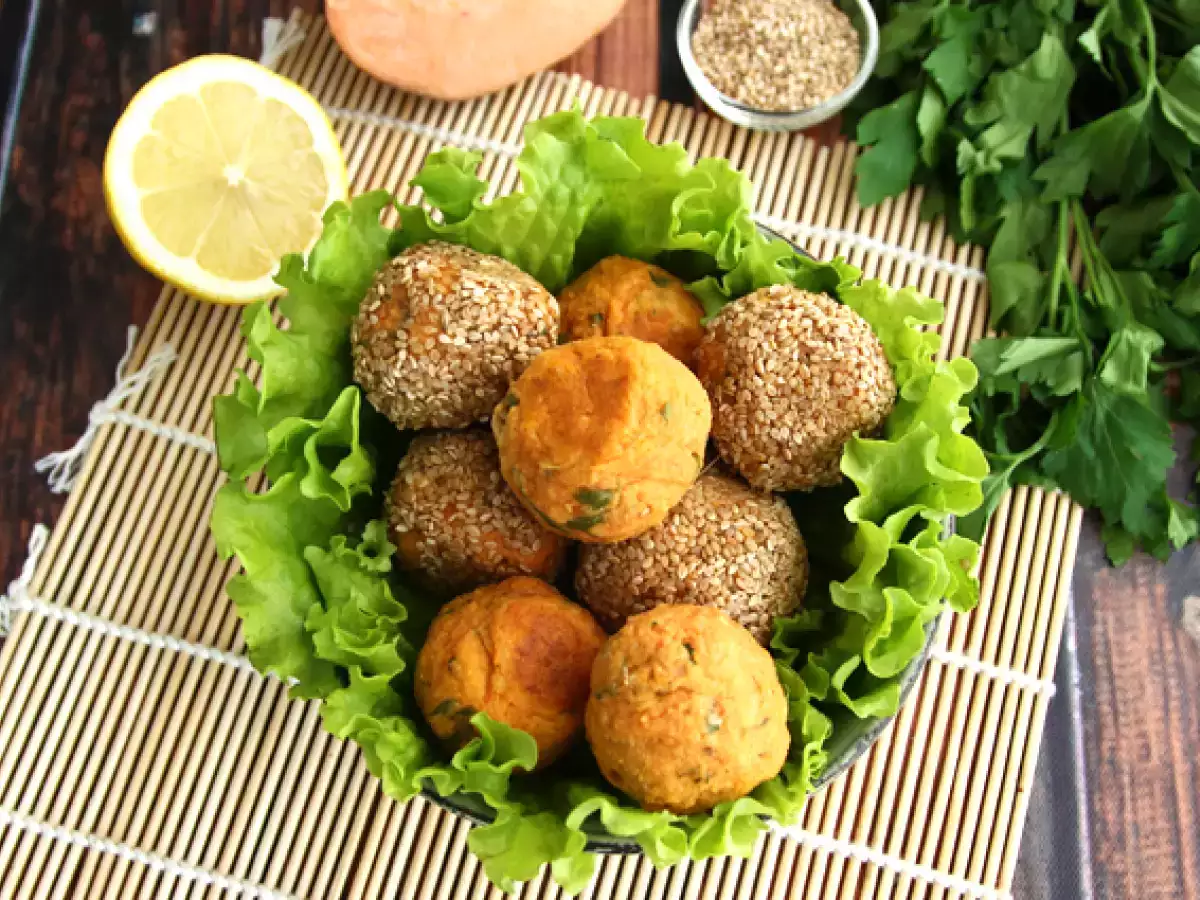
For an easy, healthy, and hearty meal, try our sweet potato falafels! Guaranteed to be vegan and gluten-free, they're packed with plant-based protein and delight your taste buds with the slightly sweet flavor of this special potato. A perfect recipe...
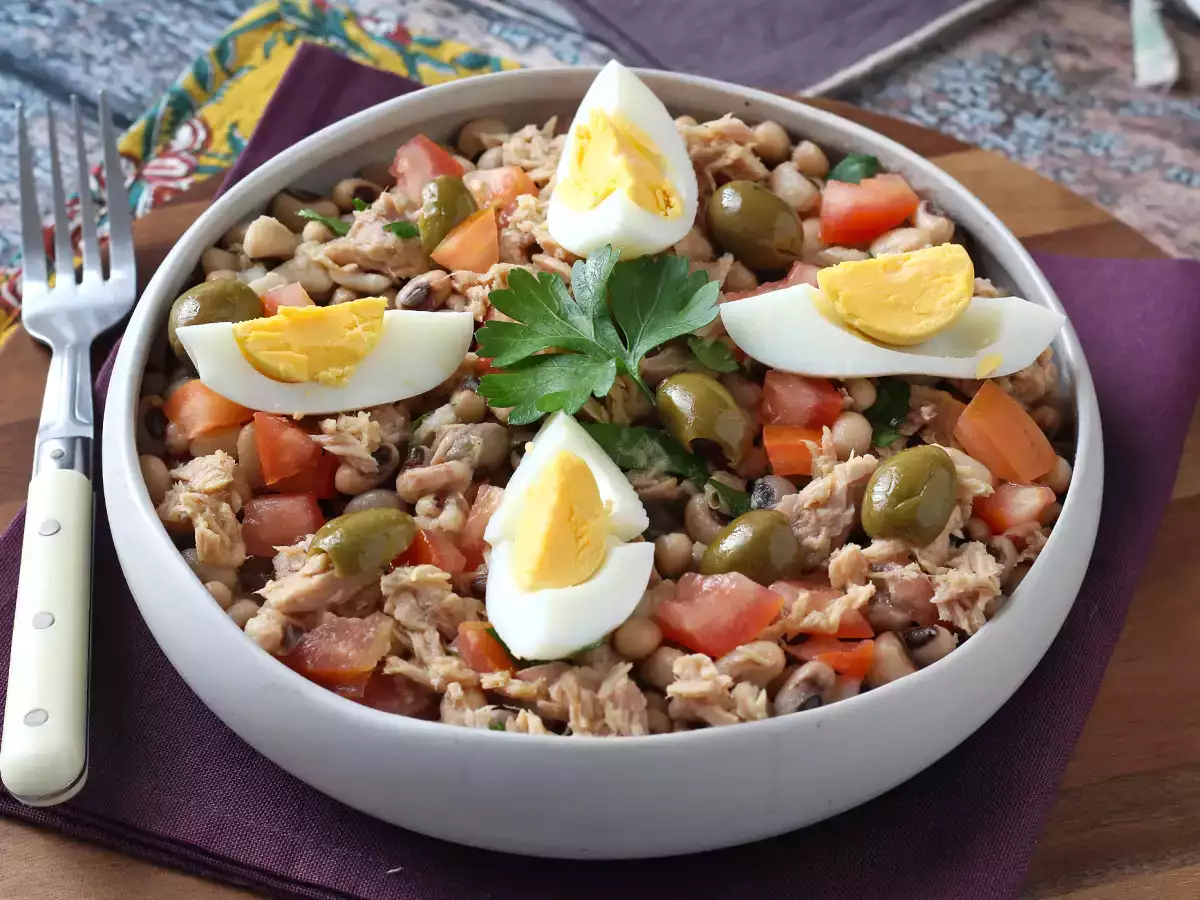
This cowpea salad with tuna is a traditional Portuguese recipe that is fresh, nutritious and very easy to prepare. Along with the main ingredients, it includes hard-boiled eggs , tomato, onion, olives and a simple olive oil and vinegar dressing....
Croquettes, dumplings, and savory snacks to always have on hand
A good technique is to freeze them first, spread out on a platter. Once they’re firm, transfer them to a bag or container. That way, they won’t stick together, and you can take out just the amount you need.
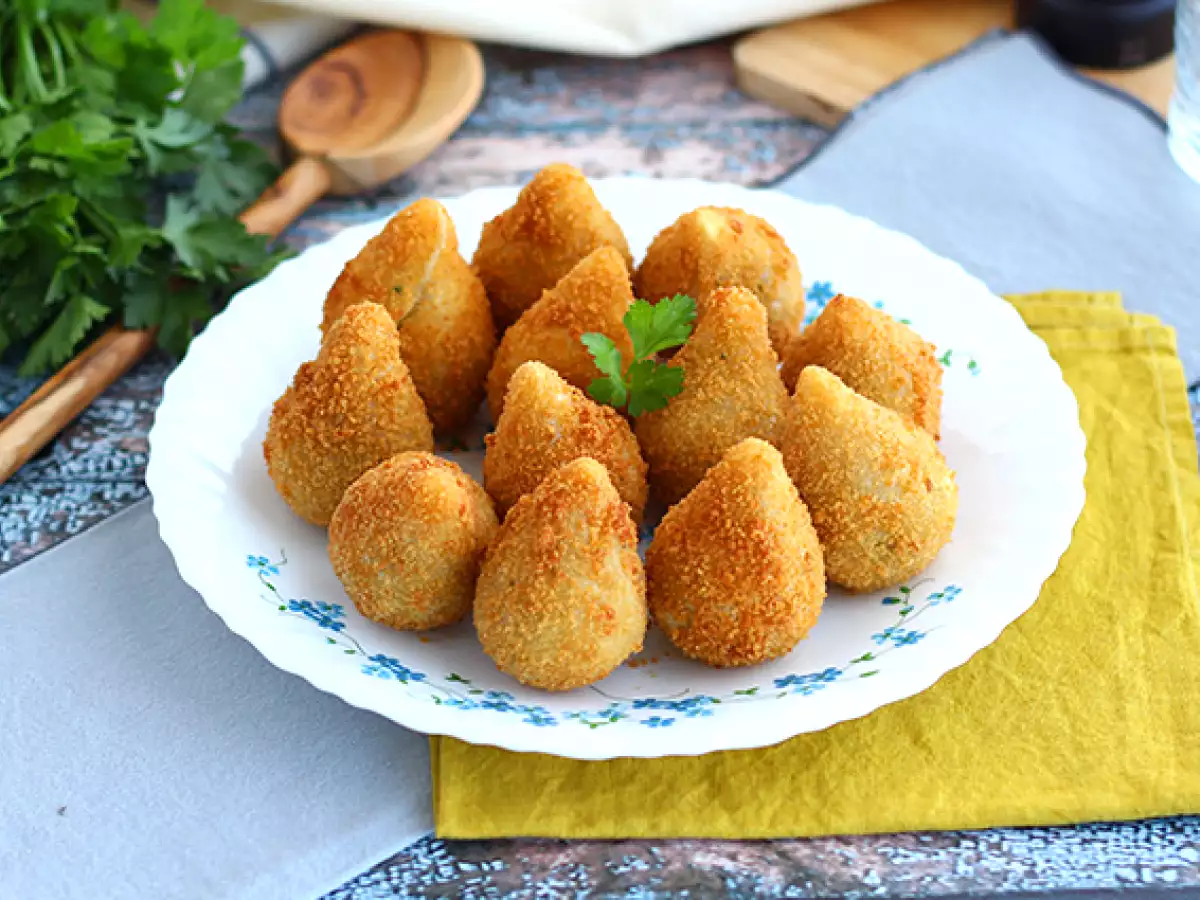
Don't know what to do with your leftover chicken? Try Coxinhas, the famous Brazilian croquettes! An easy and crispy recipe that kids will love (just like adults, too ;-) ). Have fun varying the fillings to offer your guests several flavors. A recipe to...
Portuguese classics that also help with organization
For best freezing results, let the food cool, divide it into portions, and avoid storing a huge dish if you don’t plan to eat it all at once. Smaller portions thaw faster and retain their texture better.
How to Freeze Food Without Losing Flavor and Texture
Storing food that’s still very hot creates steam, increases moisture, and can affect the texture after thawing.
Divide into small portions:
It’s better to freeze several portions than one large container. Not only does it thaw faster, but it also prevents waste.
Use tightly sealed containers:
Specialized containers, suitable jars, and freezer bags help protect food from ice crystals and odors.
Label with the name and date:
This simple detail prevents you from forgetting what’s stored and helps you use up the oldest items first.
Don’t freeze everything together:
Whenever possible, freeze sauces, side dishes, and protein separately. When serving, the meal will have a better texture and look fresher.
What to Avoid Freezing
It’s also a good idea to be careful with dishes that have already been thawed once. The rule of thumb is simple: if you’ve thawed it, reheated it, and have leftovers, it’s best to eat them quickly and not refreeze them.
For everyday meals, opt for more stable recipes: soups, sauces, baked dishes, legumes, cooked fillings, and homemade savory snacks.
The freezer doesn't have to be full of bland food
Your freezer doesn’t have to be full of bland food. With the right choices, it becomes an extension of your kitchen—ready to save the day for lunches, packed meals, and dinners on days when cooking isn’t an option.
 Mirella Mendonça
Comments