Why is meat not eaten during Lent? The true meaning of abstinence and why fish is allowed

Every year, when Lent begins, the same question comes back and intrigues a lot of people: why don’t we eat meat during Lent? Is it just a religious rule, or is there something deeper going on: history, culture, symbolism?
Read also:
 4 meals with frozen fish ready in minutes: easy, tasty and smart recipes that save your lunch and dinner
Discover 4 meals with frozen fish that are easy, quick and full of flavor, ideal for those who are short on time but don't want to give up a good seafood dish. With the right tricks, quality frozen fish becomes the perfect ally for preparing quick, creamy and flavorful seafood recipes perfect for lunch or dinner.
Why don't we eat meat in Lent?
In Christian tradition, meat has long been seen as a food of feast, abundance, and celebration. For centuries (especially in medieval Europe) meat was a privilege of the wealthier classes. Eating meat meant status, prosperity, and special occasions. Giving it up during Lent therefore had a very clear meaning: it was a concrete act of sacrifice. You weren’t giving up just any food; you were setting aside something that represented pleasure and luxury.
Abstaining from meat in Lent becomes a form of self-control and awareness. It’s a way of remembering that food is not only fuel, but also symbol. When you freely give up something you genuinely enjoy, that gesture gains weight and meaning.
Seen with modern eyes, this practice can also be read as an invitation to slow down, reflect on our habits of consumption, and be more intentional about what and how we eat.
Why is fish allowed, but meat isn’t?
Here we get to the heart of the curiosity: why is fish okay on Lenten Fridays, while meat is not? Traditionally, the answer rests on three main ideas:
1. A theological distinction
In Christian teaching, there’s a clear distinction between the flesh of warm-blooded land animals (beef, pork, poultry, etc.) and fish. The Lenten rule of abstinence is aimed at “meat” understood not only as a type of food, but as a symbol of celebration and festivity. Historically, sharing meat was something you did on special days.
Fish, by contrast, has never carried the same symbolic weight of luxury and feast. For that reason, it doesn’t fall into the category of foods to be sacrificed in this context, and was allowed on days of abstinence.
2. The symbolic value of fish
Fish has a deep meaning in Christian history. The Greek word Ichthys (ἰχθύς), which literally means “fish,” was used by early Christians as a secret symbol and acronym:
Iesous Christos Theou Yios Soter: Jesus Christ, Son of God, Savior.
This simple sign became a mark of faith and belonging. Because of that, fish took on a spiritual resonance and was seen as fitting for days of recollection, simplicity, and prayer; like the Fridays of Lent.
3. Social and economic perception
Historically, fish was often perceived as a simpler, more modest food than meat, which was tied to wealth and status. Allowing fish on days of abstinence made it possible to maintain basic nutrition without contradicting the principle of sacrifice.
In other words, it struck a balance between spiritual intention and everyday needs, preserving the penitential meaning without endangering people’s health.
In short: meat was the symbol of abundance and celebration. Fish represented simplicity and restraint. That symbolic difference explains why, during Lent, Christians traditionally give up meat but still eat fish.
Lenten tradition today
Today, at least in countries like the U.S., meat is widely available and no longer a privilege for a few. Yet the Lenten practice of abstaining from meat (especially on Fridays) is still observed by many Catholics (and some other Christians).
For some, it’s mainly a spiritual habit. For others, it becomes a chance to think about their relationship with consumption in general. In a time when we talk a lot about sustainability, moderation, and plant-forward eating, cutting back on meat for a set period can also become a moment of awareness and reset.
Voluntarily giving something up (even for 40 days) creates focus and intention. It breaks routine and gives a different weight to the simple act of sitting down at the table.
Fish recipes for Lent: tradition and creativity
Here you’ll find a selection of fish-based dishes for Lenten Fridays; easy to make, family-friendly, and perfect for honoring the tradition without sacrificing flavor. Light, seasonal ideas designed for those who want a complete, balanced Lenten menu that still feels generous and satisfying.
Because choosing fish in Lent isn’t really a “deprivation”: it’s a smart way to rediscover the beauty of simple, meatless cooking in a fresh, modern key.
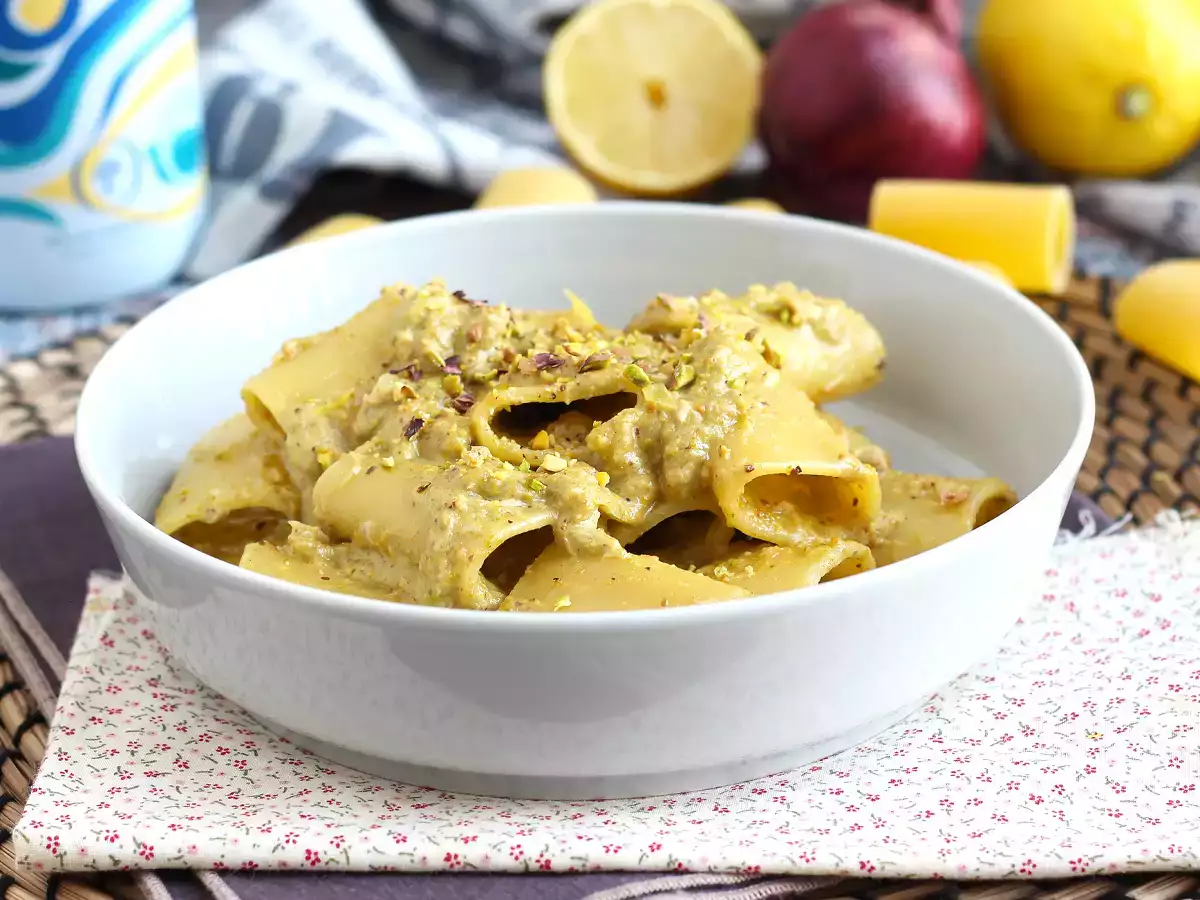
Canned tuna, shelled pistachios, extra-virgin olive oil and lemon juice are all you need to make this creamy first course at home. It’s quick and easy: while the pasta cooks, you can prepare the pistachio cream , and in just 15 minutes you’ll have...

Picnic season is about to begin, and what could be better than delicious wraps for a meal to go? This simple and healthy recipe with cooked salmon ( in the microwave , to save time), carrot and lettuce will be perfect for a lunch on the go! Thanks to...

Hard to stop at just one, we warn you... These air-fried shrimp spring rolls are crispy on the outside, with a tasty filling flavored with garlic, ginger and sesame oil! Air-frying produces golden spring rolls without deep-frying , while retaining...

If you love fish fingers but want a lighter, crispier version without having to fry them in oil, this recipe is for you. Thanks to the air fryer, you'll get a golden and flavorful result with very little oil, perfect for a healthy and tasty meal....

This scallop carpaccio is an easy recipe, perfect for preparing a light, original, and elegant starter . The citrus vinaigrette , made with orange juice and a hint of lime, adds freshness and balances the softness of the scallops with a tangy and...
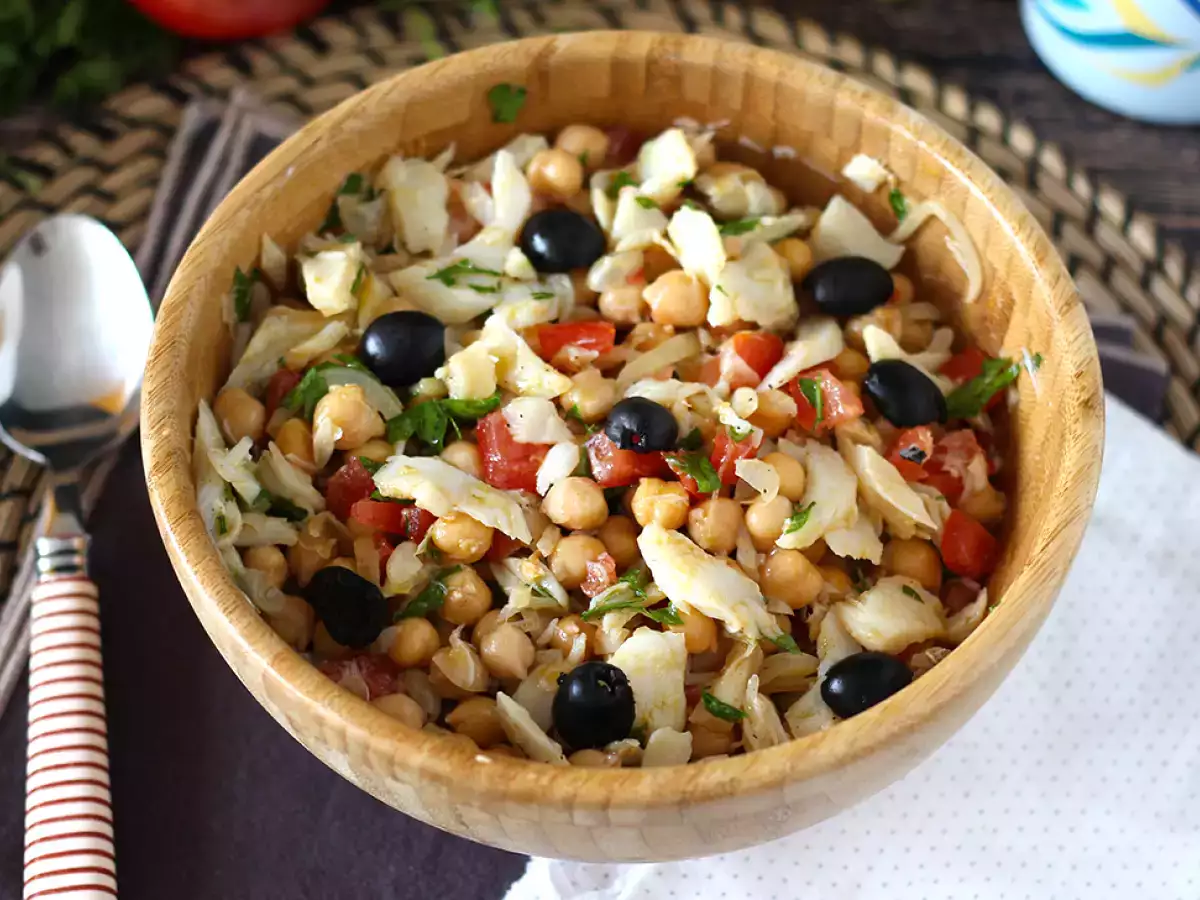
Choose this chickpea and cod salad for a light, nutritious, complete, and fragrant meal. It’s also a great option to take along on a picnic or to work. Easy and delicious, this dish comes together in just minutes. Mix everything together and it’s...

Farro and tuna salad is a fresh, balanced dish that's perfect for any occasion. Great as a light lunch, a meal to take to work or a quick dinner, it's an ideal choice for those who want to eat healthy without sacrificing taste. In our version,...
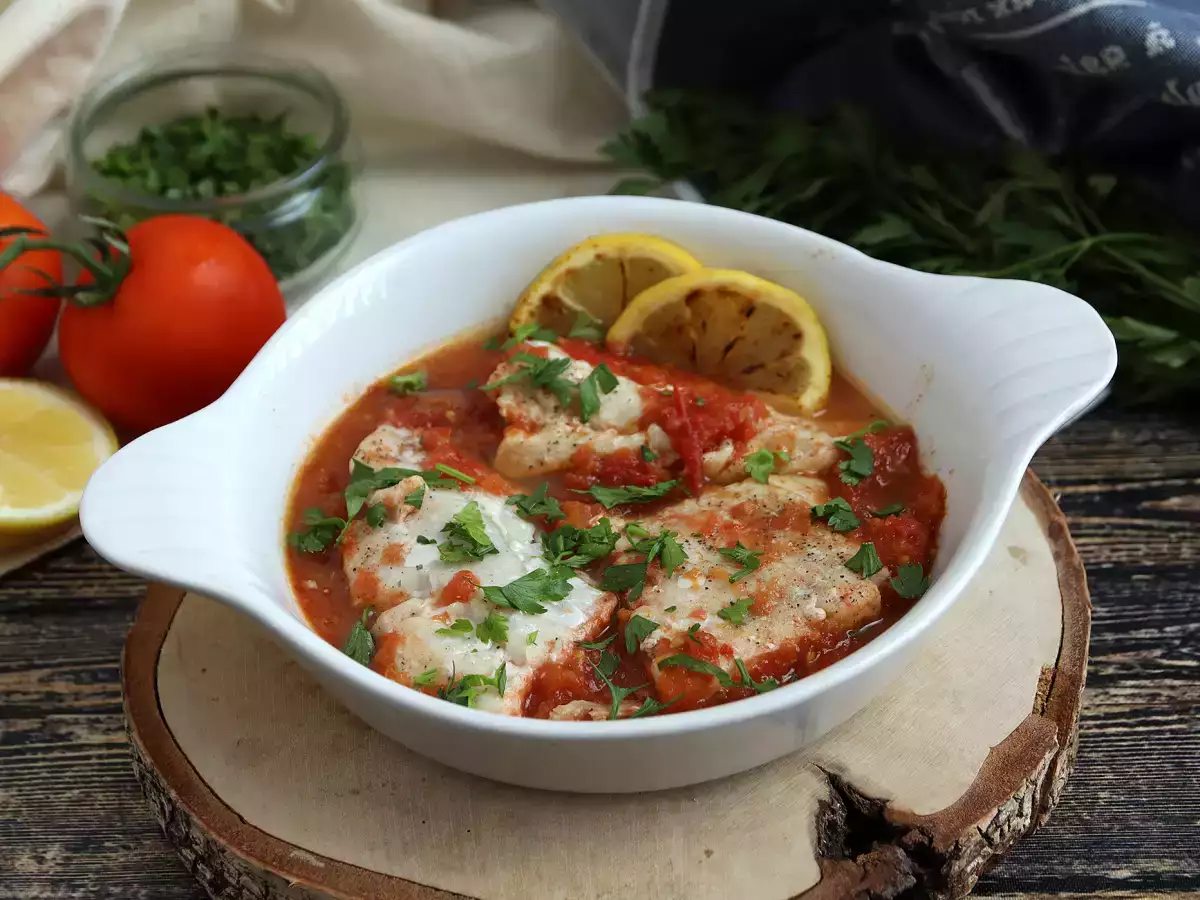
We've decided: today we're getting the whole family to eat fish ! And don't worry, the recipe we're suggesting is super easy ;-) All you have to do is serve your saithe with rice and pan-fried vegetables , and you're all set. You'll be able to serve...
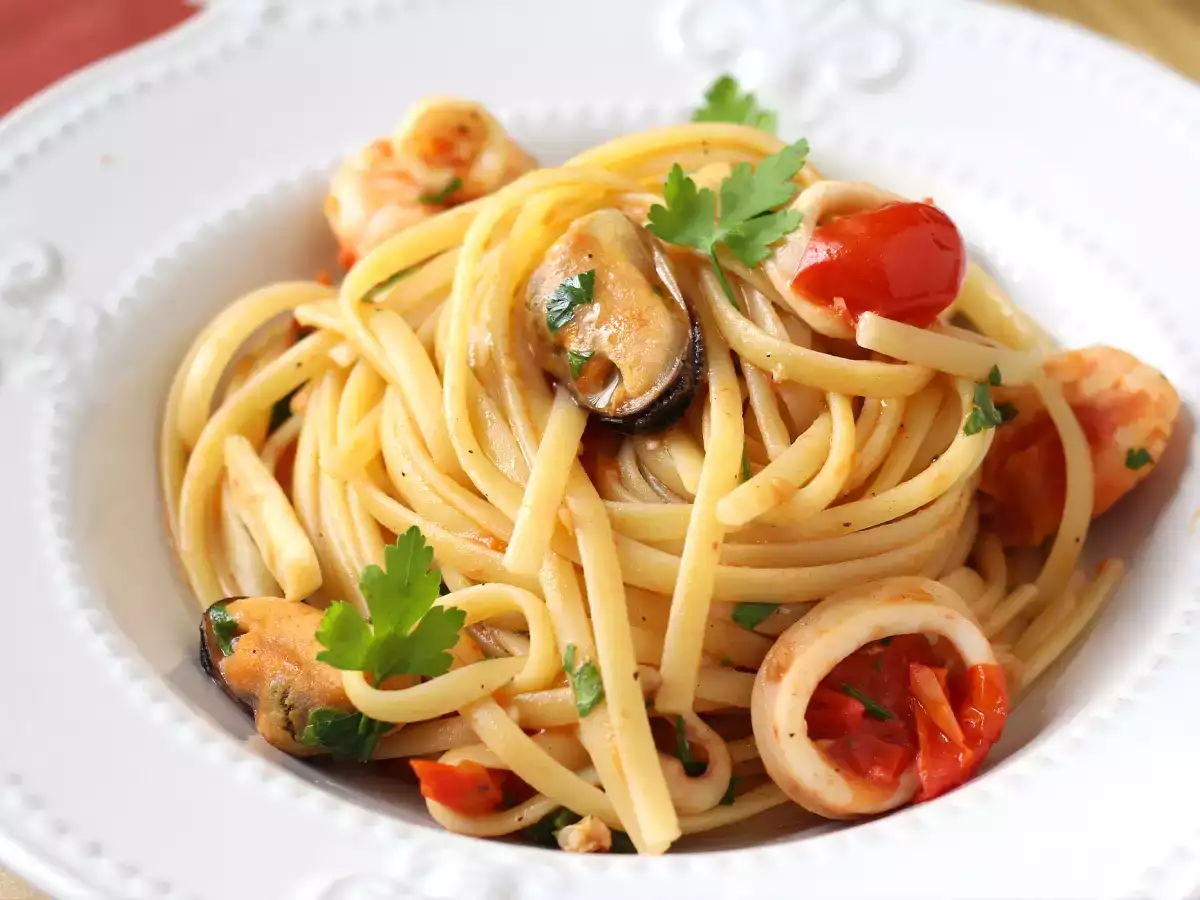
We’ll show you how to make pasta with frozen seafood —the perfect recipe for when you have little time to cook. There are several versions of this Italian classic , and here we’re sharing our favourite: linguine with seafood and cherry tomatoes. In...
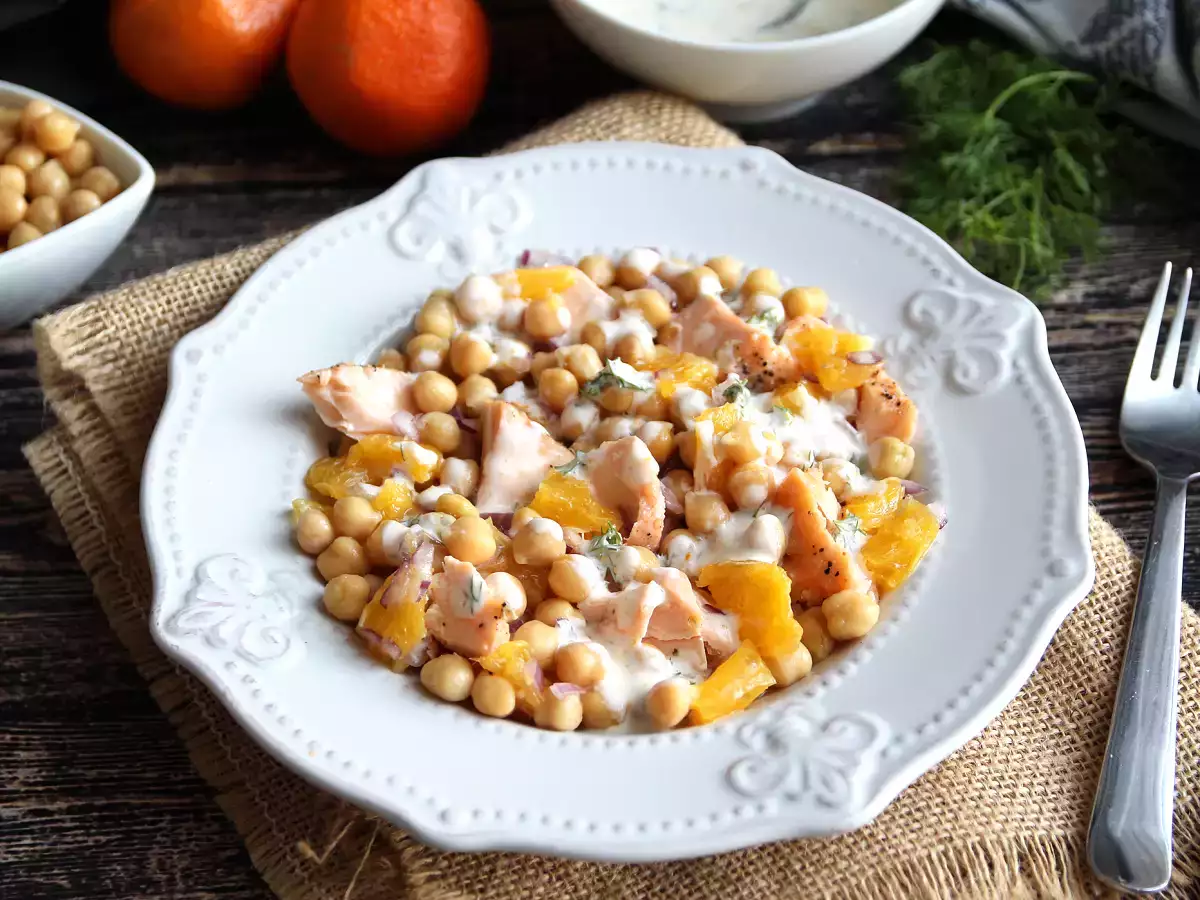
Want to try a salad that's a little different? Try our combination of salmon + chickpeas + orange with a touch of fresh dill! It's a protein-rich dish we love to take to work for a healthy, balanced lunch. And you'll love our sweet-and-savory...
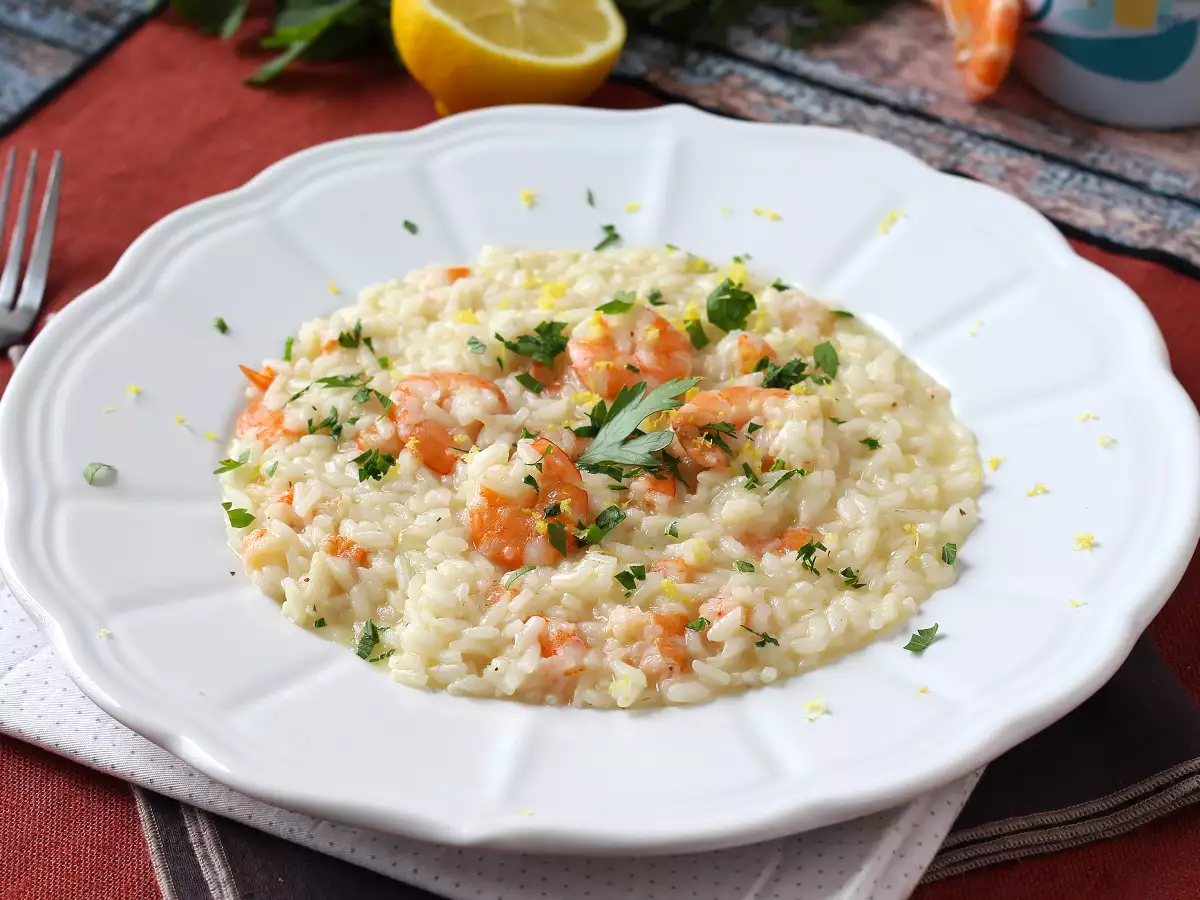
Shrimp and lemon risotto is an iconic dish in Italian cuisine , ideal for special occasions (including a romantic dinner❤️). Elegant and balanced in flavor, it combines the creaminess of the rice with the sweetness of the shrimp and the citrusy...
 Daniele Mainieri
Comments