Raclette buns
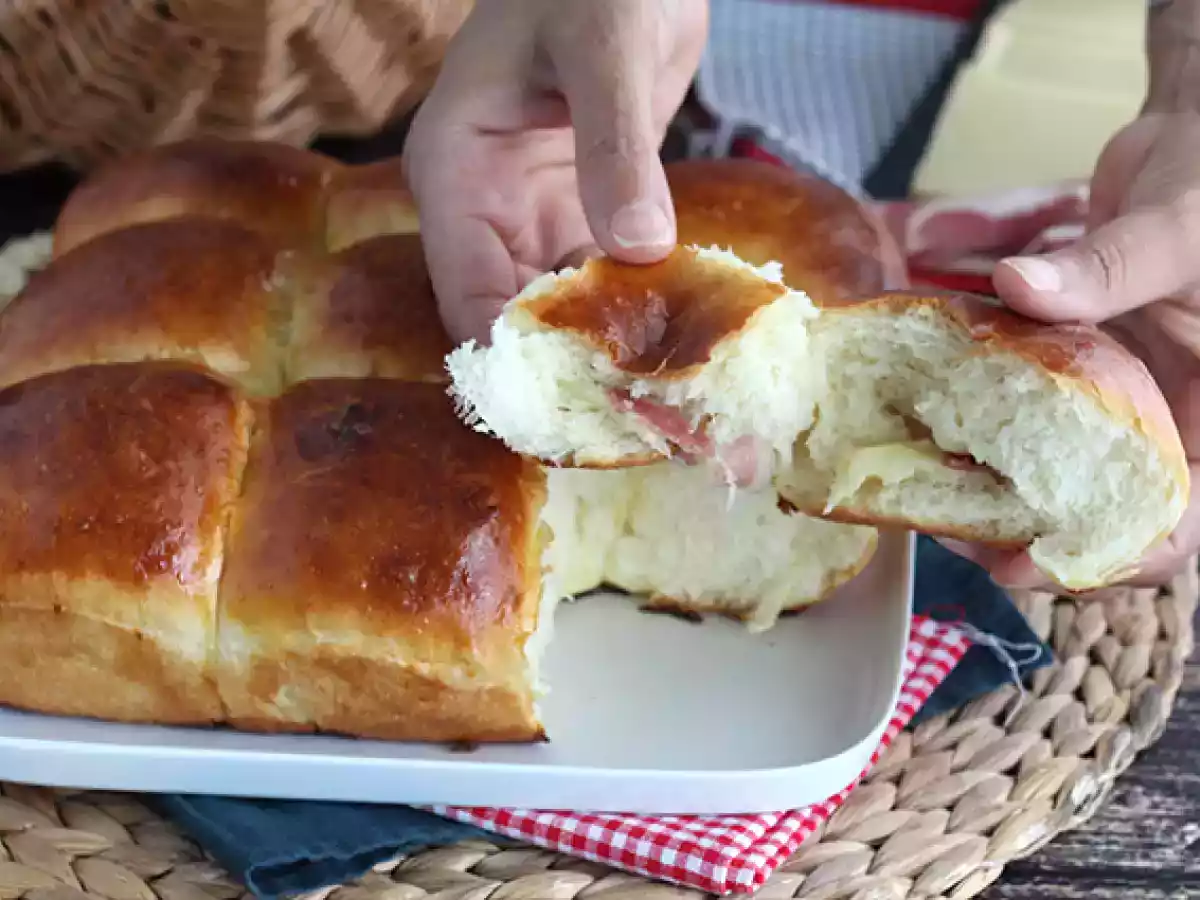
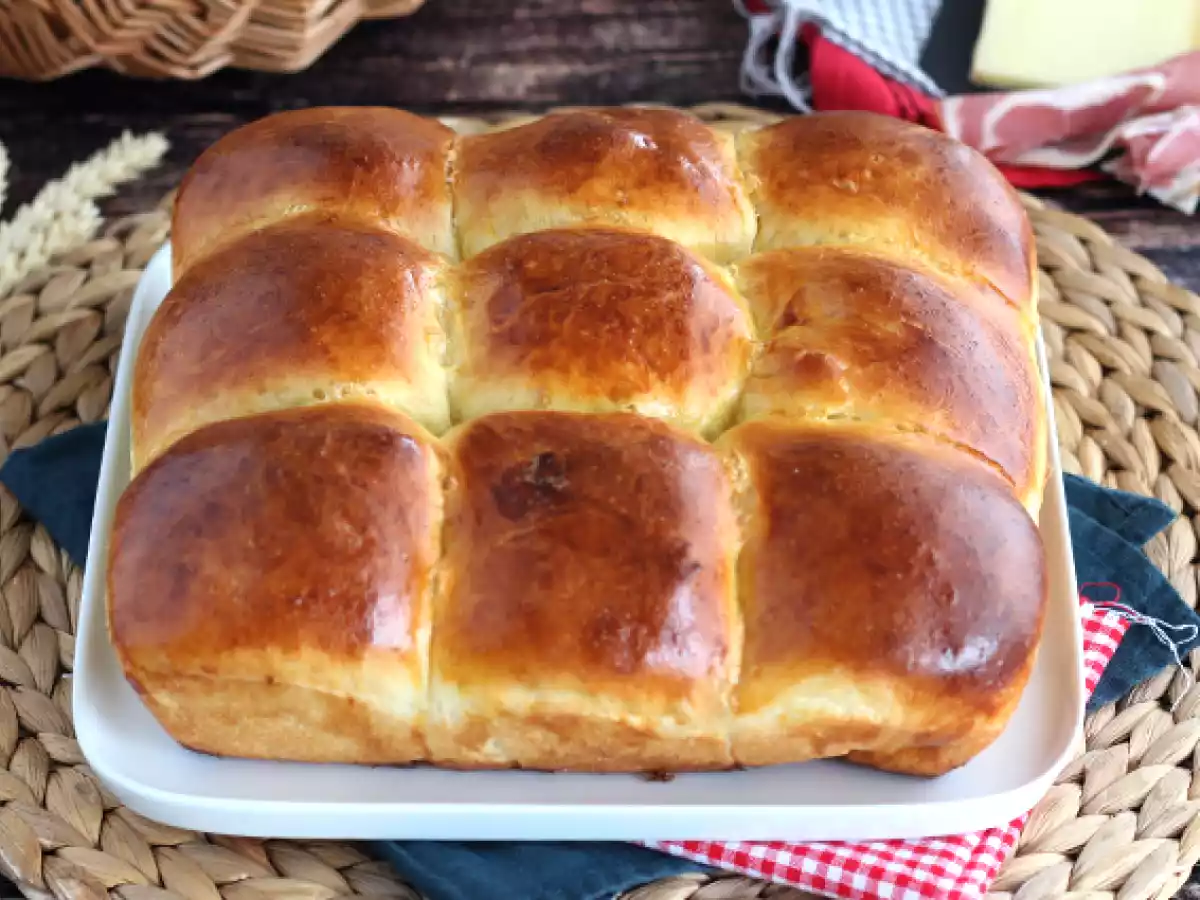
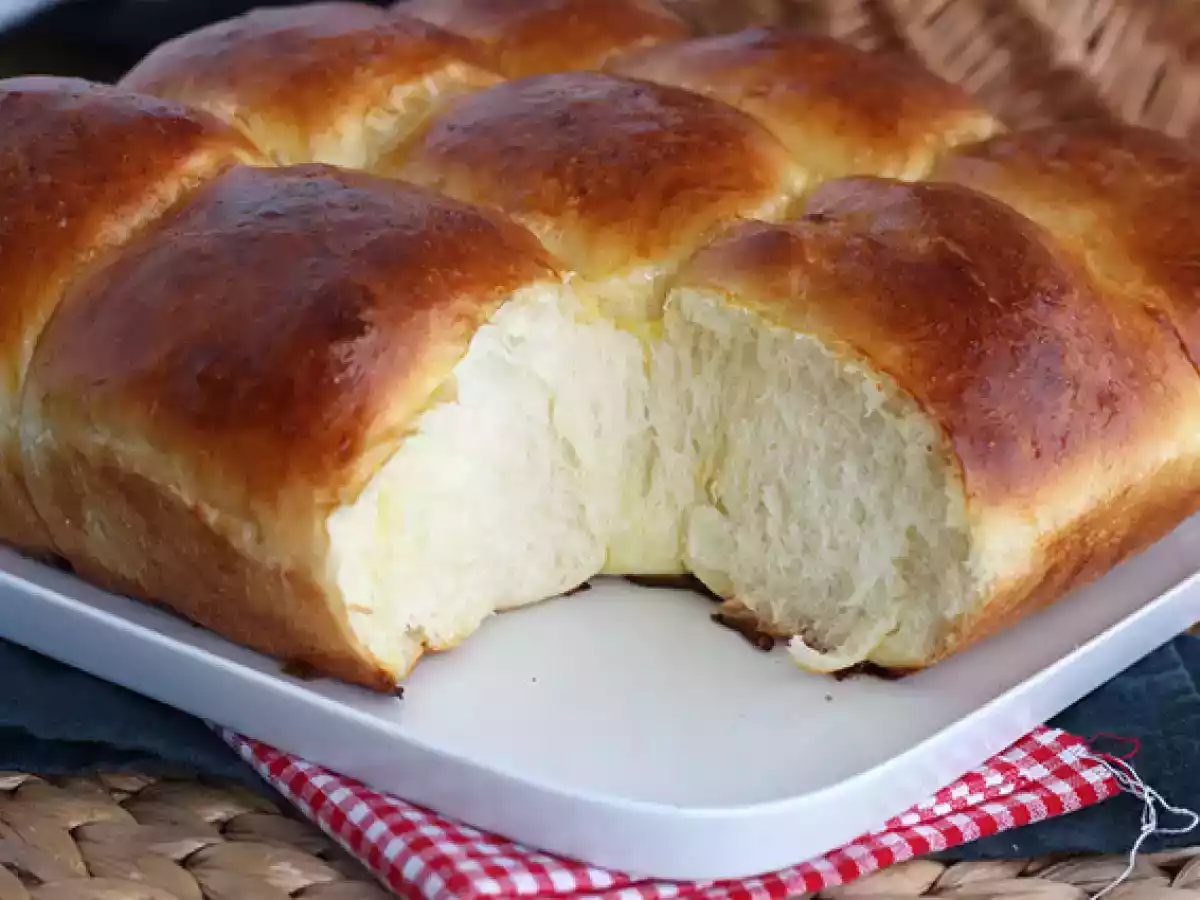

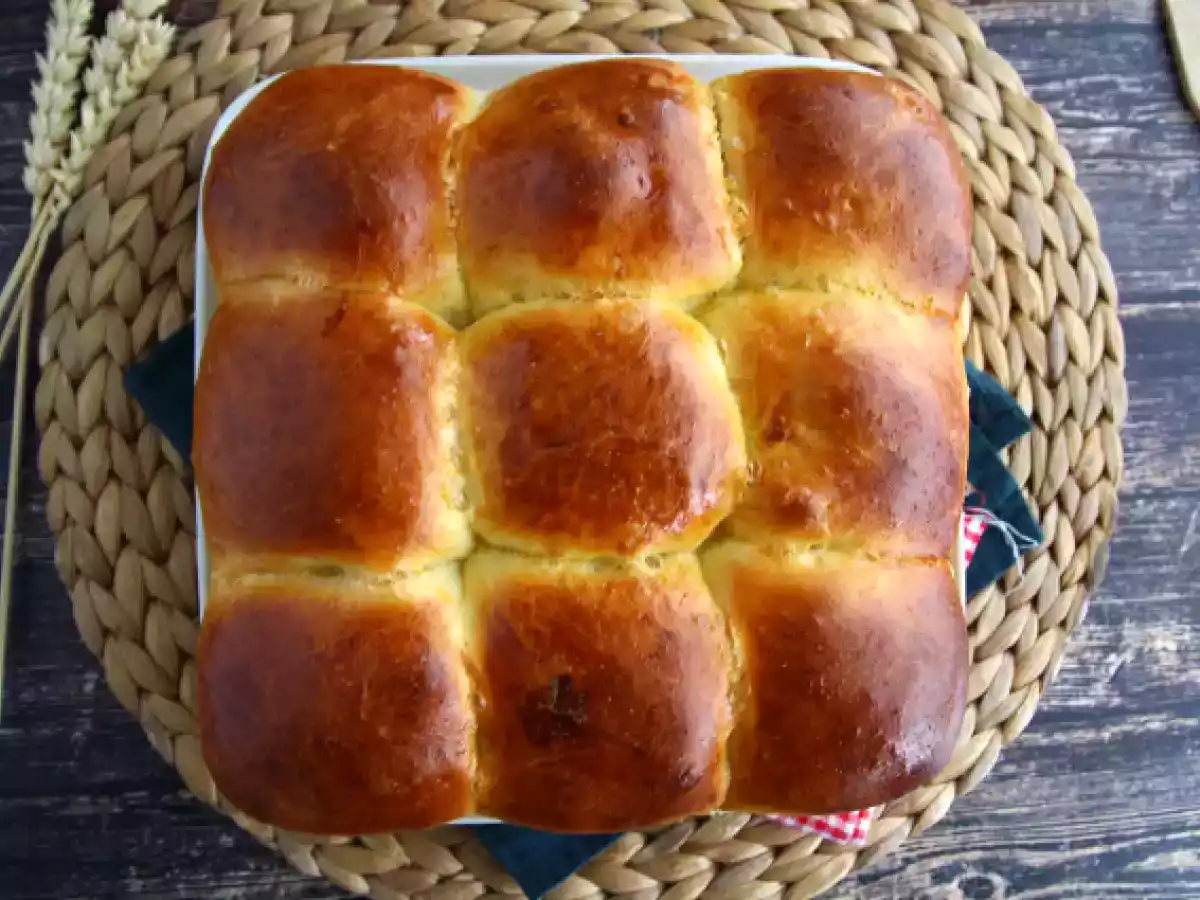
Enjoy the flavors of raclette in a bun with these raclette buns! Ham, cheese, and buns made using a Japanese method: tangzhong. This method ensures an extra fluffy result for your buns. Enjoy them as an appetizer or serve them with a salad for dinner—your guests will love this comforting and original recipe! Follow the steps for this recipe with our written instructions, photos, and even a video.
Ingredients
Tangzhong:
Materials
- thermometer
- plastic wrap
- stand mixer with dough hook
- 20 cm x 20 cm square baking pan
- 1 brush
Preparation
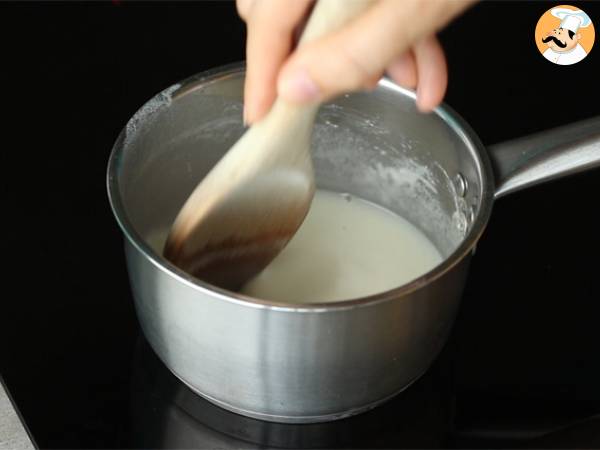 Prepare the tangzhong: pour the water into a saucepan. Add the flour and whisk. Stir over low heat until the mixture thickens and reaches 65°C (150°F). Cover and refrigerate for 6 hours.
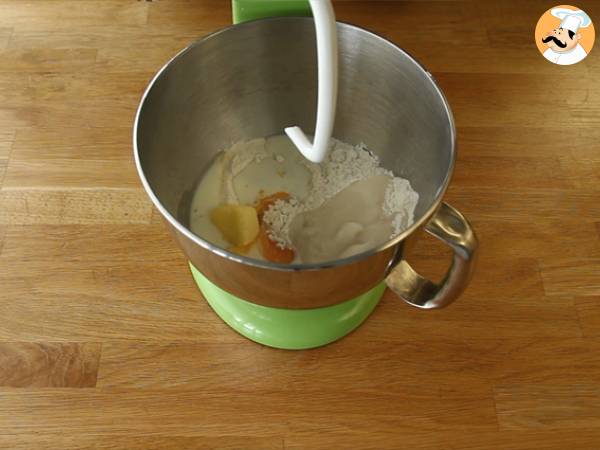 In the bowl of the mixer, combine the flour, sugar, salt, and milk powder. Make a small well and add the yeast. Add the softened butter, egg, milk, and tangzhong.
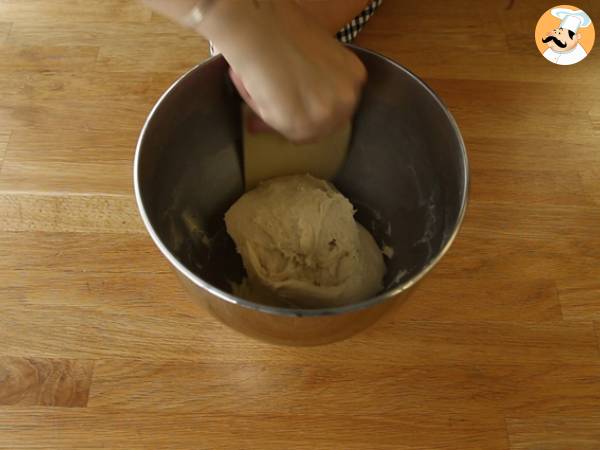 Knead for about 10 minutes on low speed. Form a ball and cover with a cloth. Let the dough rise for 2 hours at room temperature.
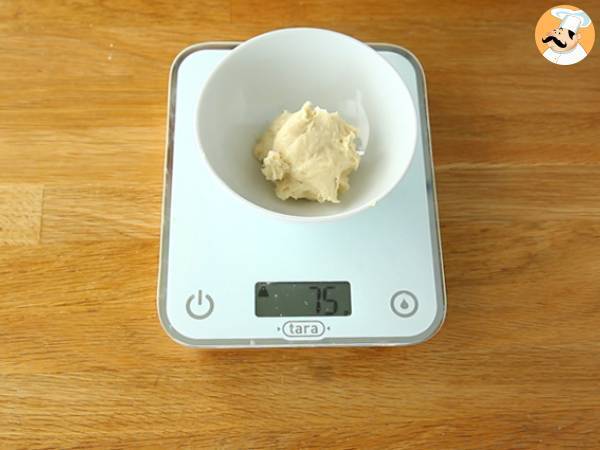 Degas the dough and weigh out nine small pieces of about 75 g each, then flour them to make them easier to work with. Cut the raclette and pancetta into quarters.
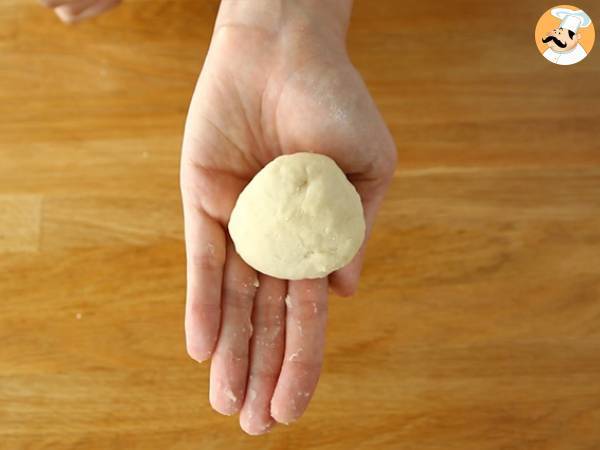 Flatten the pieces. Place a piece of pancetta and a piece of raclette cheese in the center of each piece, then fold the dough over and shape into balls.
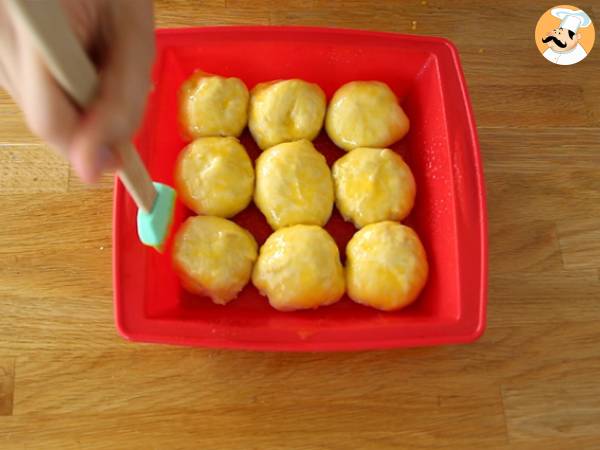 Place the balls in a greased baking pan. Brush the tops with egg yolk. Let the dough rise, covered with a cloth, for 1 hour 30 minutes at room temperature.
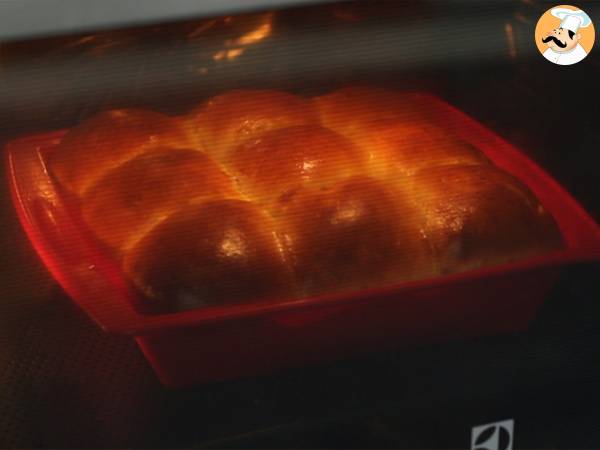 Bake for 20 minutes at 180°C (350°F).
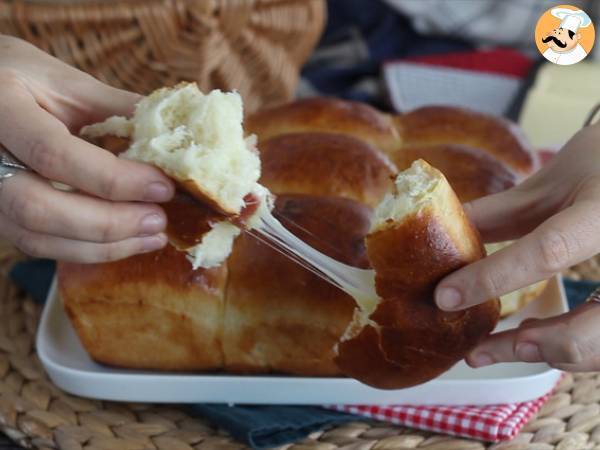 It's ready!
Observations
Tangzhong: This is a Japanese method that gives bread incomparable softness! The method involves heating water to 65°C with flour weighing one-fifth as much as the water, to create a paste that greatly increases gluten development in the bread.
Yeast: Yeast should not come into contact with salt or sugar, as this will deactivate it! You can place the yeast on one side of the bowl and the salt and sugar on the other side, or create a "well" for the yeast. If using dry yeast, use 5 g. Dissolve it in a little warm milk before use!
Step 3: You can cover the bowl with plastic wrap and let the dough rise in the fridge overnight. The dough will be easier to work with.
Step 4: Degassing means removing the air from the dough.
The dough: You can make a plain loaf with the dough or fill it differently: add chocolate chips for a sweet version!
Nutrition
- Carbo: 35.7g
- Total fat: 8.7g
- Saturated fat: 4.8g
- Proteins: 10g
- Fibers: 1.6g
- Sugar: 7.1g
- ProPoints: 7
- SmartPoints: 9
 PetitChef_Official
You may like

Pizza buns: stuffed buns with ham and cheese

Fun animals and cocktail sausage mini buns

Steamed creamy sweet corn custard bun 玉米奶黄包 (sweet cor

Pani popo (samoan coconut buns)

Dutch jewish ginger buns (gember bolus)

Norwegian cardamom-raisin buns

Honeycomb Buns (Khaliat Nahal)

Mini chelsea buns

Tartine bakery's "mourning" buns

Baked hotate mentaiyaki
Cheese naans

Crusted filet mignon - video recipe!
Questions
Photos of members who cooked this recipe
 Juliette Hess
I love travelling and discovering new dishes, trying out new food trends and exploring new restaurants.
I’m a huge fan of pasta and noodles in all their forms ❤ from udon noodles to tagliatelle, I love cooking them and even making them from scratch!
I’m currently preparing, filming and photographing your next recipe, and I hope you’ll enjoy it!
Rate this recipe