Tarte Tatin recipes: classic apple, fruity and savory ideas
vote now
Classic apple tarte Tatin
The original is hard to beat: soft apples, golden caramel and a crisp pastry base after turning the tart out. It is a lovely dessert for a family meal, especially served warm with a little crème fraîche or vanilla ice cream. Start here if you want to understand the upside-down method before experimenting with other fillings.

Fruit Tatin tarts and tartlets
Apples are only the beginning. Strawberries and apricots bring a brighter, more summery twist to the upside-down tart, with fruit juices bubbling into the sweet topping as they bake. Smaller tartlets are particularly handy when guests are coming: everyone gets an individual dessert, and there is no need to cut neat slices from a large tart.


Tomato tarte Tatin
Tomatoes can take this technique in surprisingly different directions. Cherry tomatoes make an appealing savory starter, while a version featuring ripe tomatoes, brown sugar and vanilla leans deliberately toward dessert. Check the ingredients before choosing: the two recipes may share their upside-down shape, but they are intended for very different moments at the table.


Onion and shallot tatins
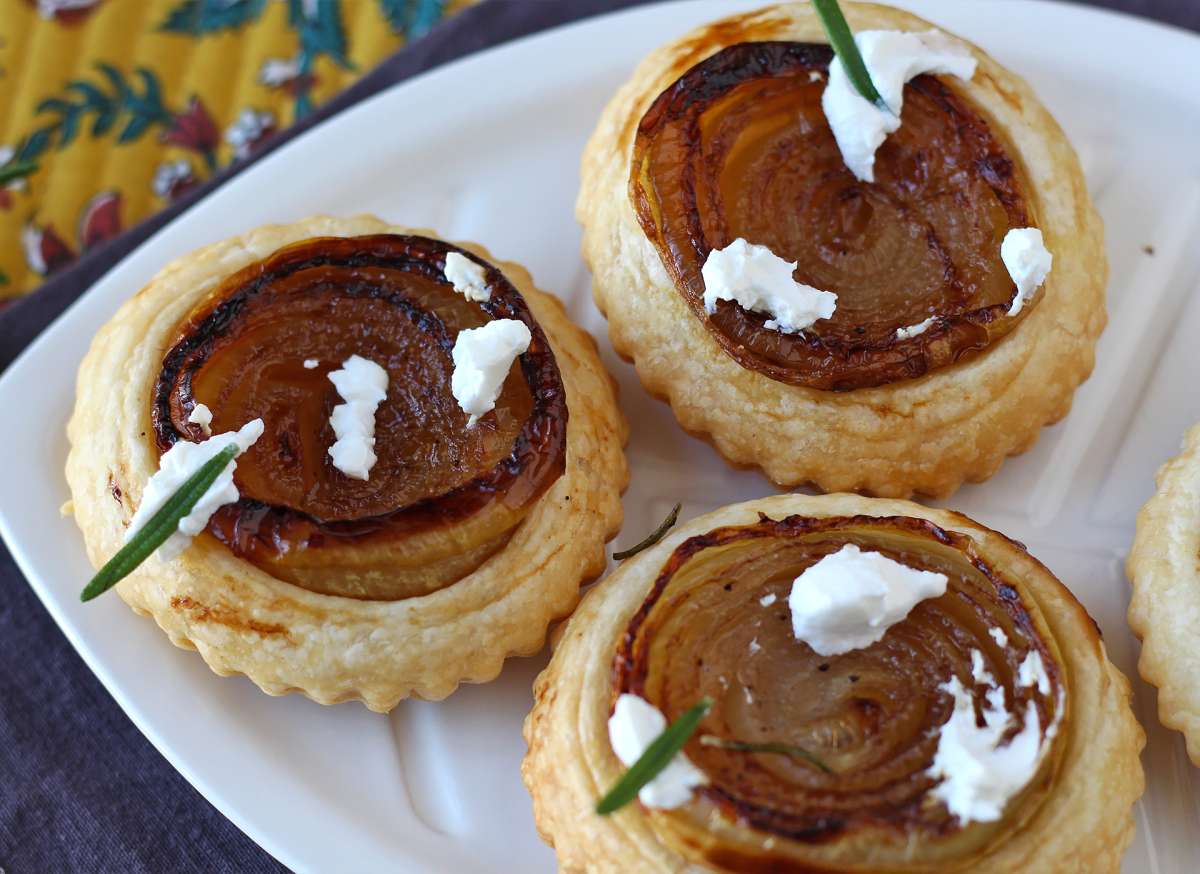
Slow-cooked onions and shallots develop a mellow sweetness that works beautifully against flaky pastry. A touch of balsamic vinegar can add contrast, while feta gives a salty, creamy finish. Choose small onion tartlets for a party nibble or a larger shallot tart for a simple meal alongside a crisp green salad.


Vegetable Tatin tarts
An upside-down tart is a great way to make vegetables the star of the plate. Eggplant becomes tender and fragrant with tomato and herbs; red kuri squash pairs nicely with tangy goat's cheese and honey. These colorful, satisfying versions make a change from quiche and are especially inviting for a relaxed lunch or an autumn dinner.


Potato and cheese tatins
Potatoes and melted cheese make a more substantial take on the Tatin idea. One version keeps things wonderfully simple with the two key ingredients; another uses individual portions and leftover raclette-style cheese with cured ham. Serve them with a sharply dressed salad to balance their richness, or offer the minis as a warm starter.


Festive mini tatins
When you want a starter that looks special, individual tatins are a clever choice. Foie gras makes an indulgent holiday option, while beetroot and red onion offer a colorful vegetable-led alternative. Their small size is practical for entertaining, and the upside-down presentation reveals the filling as soon as you turn each tartlet out.

How to make a great tarte Tatin: practical questions
What is the difference between tarte Tatin and an ordinary fruit tart?
In a tarte Tatin, the fruit or other filling sits beneath the pastry as it cooks. The tart is then turned out so the caramelized filling is on top. A conventional tart usually bakes with the filling already above the crust.
Which apples work best for apple tarte Tatin?
Choose firm apples that hold their shape when cooked, such as Braeburn, Pink Lady or Granny Smith. Cut them into generous, similar-sized pieces so they soften evenly without disappearing into the caramel.
Should I use puff pastry or shortcrust pastry?
Both can work. Puff pastry produces a lighter, flaky finish, while shortcrust gives a more compact, buttery base. Follow the pastry specified in your chosen recipe and keep it chilled until you are ready to bake.
How do I stop my tarte Tatin becoming soggy?
Do not overload the tart with liquid. Cook especially juicy fillings long enough to reduce excess moisture where the recipe calls for it, and bake until the pastry is properly golden. For tomatoes and other watery vegetables, removing excess moisture is particularly helpful.
How do I avoid burning the caramel?
Watch the pan closely as the sugar changes color: it can go from amber to burnt very quickly. Use moderate heat when possible and follow the recipe rather than stirring or adding liquid at random. Remember that hot caramel can cause serious burns.
When should I turn out a tarte Tatin?
Allow it to settle briefly after it comes out of the oven, then turn it out while the caramel is still fluid. Wear oven gloves, place a plate larger than the pan over the tart, and flip carefully away from yourself. Follow the timing in the specific recipe, since fillings vary.
Can I make tarte Tatin ahead of time?
You can often prepare or cook parts of the filling in advance, then add the pastry and bake nearer serving time. A fully baked tart is usually nicest on the day it is made, when the crust still has some crispness.
Can I freeze a tarte Tatin?
Freezing works better for some fillings than others. Apple versions often tolerate it better than watery tomatoes or strawberries, which may soften considerably after thawing. Cool promptly, wrap well, freeze only if the specific ingredients are suitable, and reheat until thoroughly hot.
What can I serve with a savory tarte Tatin?
A green salad with a mustard or lemon dressing is a refreshing partner to cheese, onion or potato versions. For a starter, serve a modest wedge with fresh herbs; for a main course, add a crunchy vegetable salad.
Can I make individual mini tatins instead of one large tart?
Yes. Use oven-safe tartlet pans or a suitable muffin tin, keep filling portions even, and watch the cooking time because smaller tarts may bake faster. Leave enough space to turn them out safely, especially when the topping contains hot sugar or juices.
Comments