Crumble, tatin, brownie… but savory: these 5 sweet classics just solved your dinner dilemma
There are recipes we think we know by heart, but only because we’ve always seen them in the same context. Crumble is “apple”, tarte Tatin is “apple”, cake is “for coffee or snack time”, crêpes are “with sugar”, and brownies “obviously with chocolate”. But most of these desserts hide something more interesting than their filling: a structure that works. A base, a dough, a topping, a stint in the oven and a specific texture.
When you change what’s inside but keep the logic, the result isn’t a gimmick: it’s a whole new dish, just as coherent, with the added bonus of surprise using a technique you already know works.
That’s the idea: five bakery classics, read in a savory key, to prove that the “same old” can become new again with a little creativity.
Crumble
We all file crumble under “dessert”: warm fruit (usually apple), a golden, crunchy topping and that juicy–crisp contrast that makes it so addictive. But if you think about it, what really works here isn’t the apple or the sugar, it’s the topping logic: a loose, sandy mix that toasts in the oven and protects a soft filling underneath.
In a savory version, that “crumbly blanket” can hold cheese, nuts or herbs, and underneath you can tuck in well-cooked vegetables: ratatouille-style veggies, squash, mushrooms, etc. The result isn’t a dessert in disguise, it’s a legit main or side dish that just borrows the same structure.
SWEET VERSION
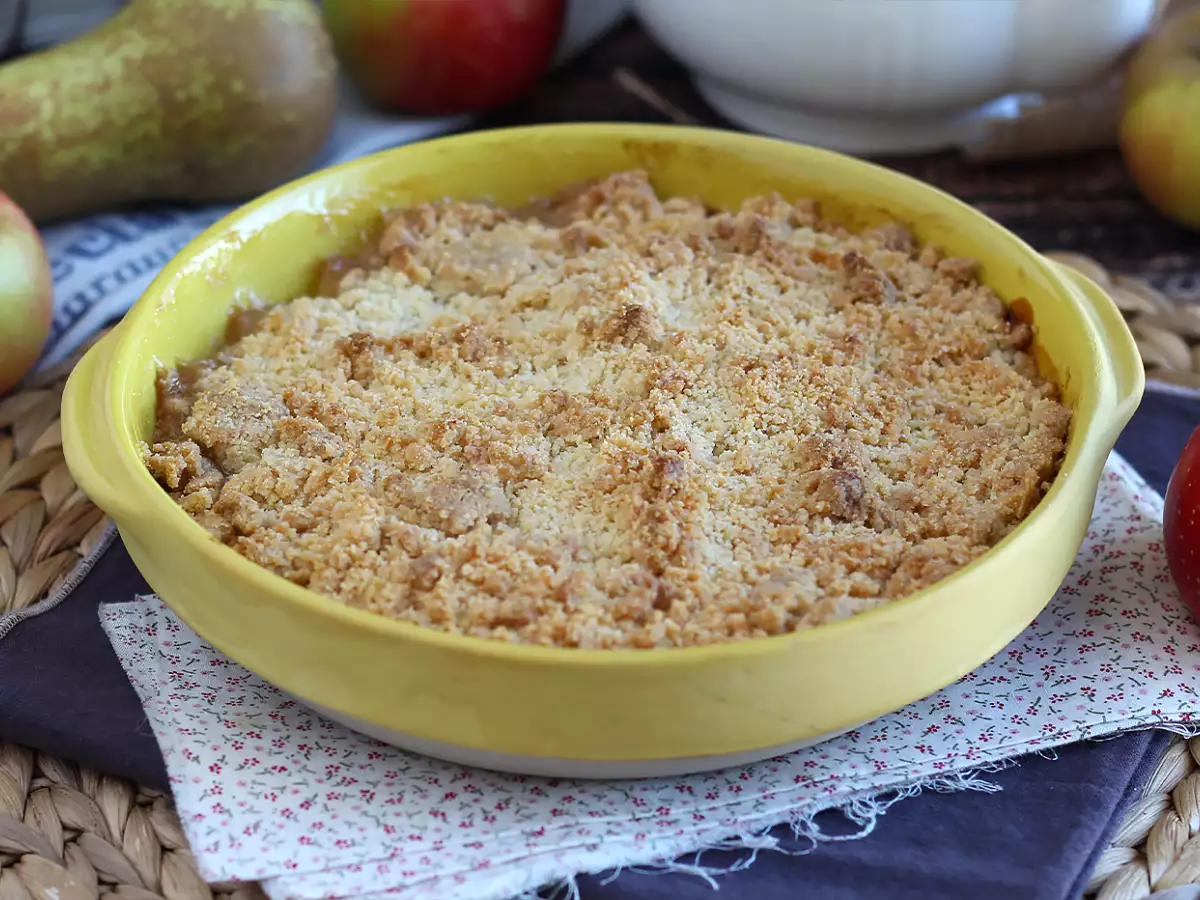
One of those classic desserts we never tire of: crumble! Here, we've added pears to the apples to double the pleasure.\nSuper easy to make, this is definitely a recipe to make with the kids. A fruity, soft and crunchy result is guaranteed!
SALTY VERSION
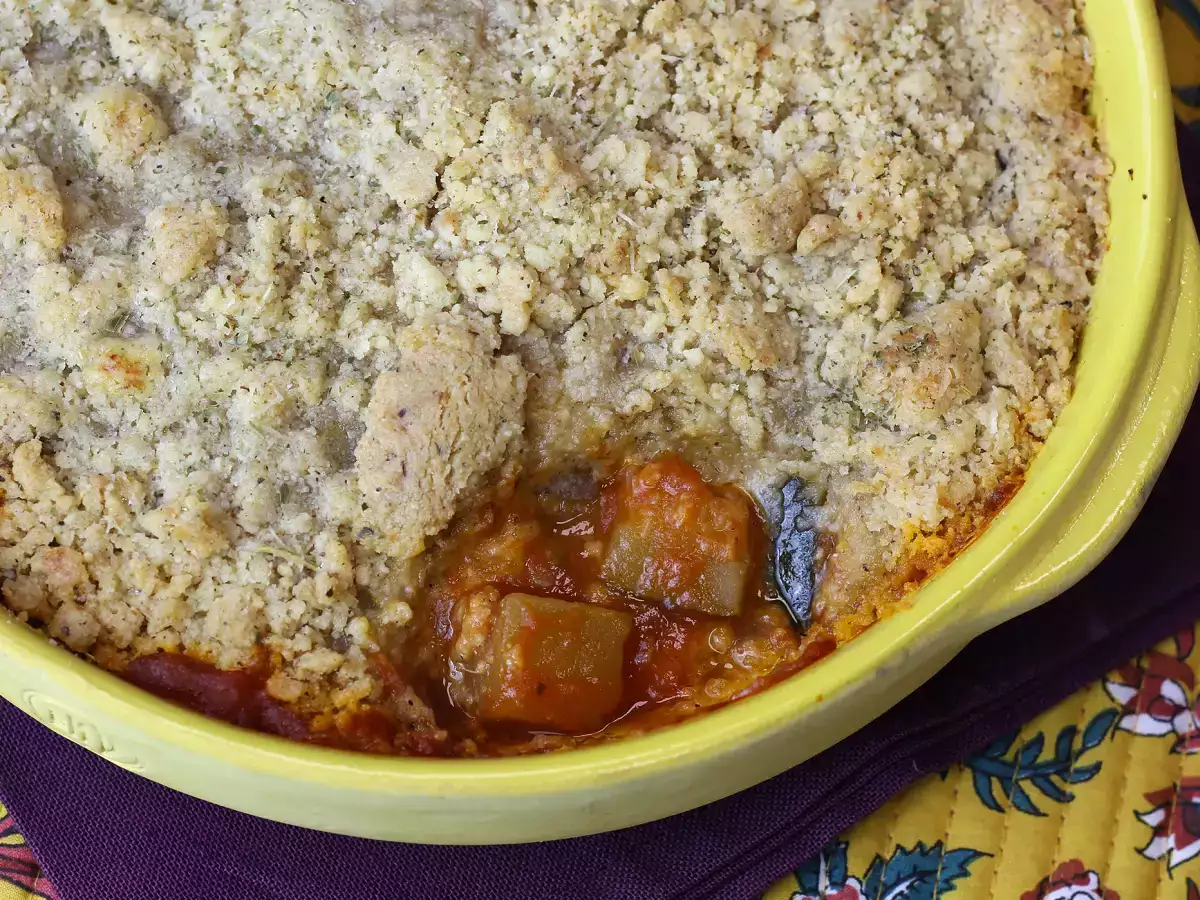
Got leftover ratatouille in the fridge? Don't let it go to waste. Turn it into a savory crumble in just a few minutes. Simply add a crumble topping and pop the whole thing in the oven for a warm, fragrant dish full of texture. It's the perfect...
Tarte Tatin
Tarte Tatin became famous because it’s upside down: what cooks on the bottom gets served on top, and that flip turns the oven into a machine for gloss, caramelization and irresistible edges. The iconic version is made with apples, sure. But veggies like onion, tomato or eggplant behave in a very similar way: they love direct heat and, given enough time, go from “side dish” to true star of the plate.
The savory tarte Tatin isn’t there to replace dessert, it’s there to expand your everyday recipe toolbox with something that looks fancy but is actually very homey.
SWEET VERSION
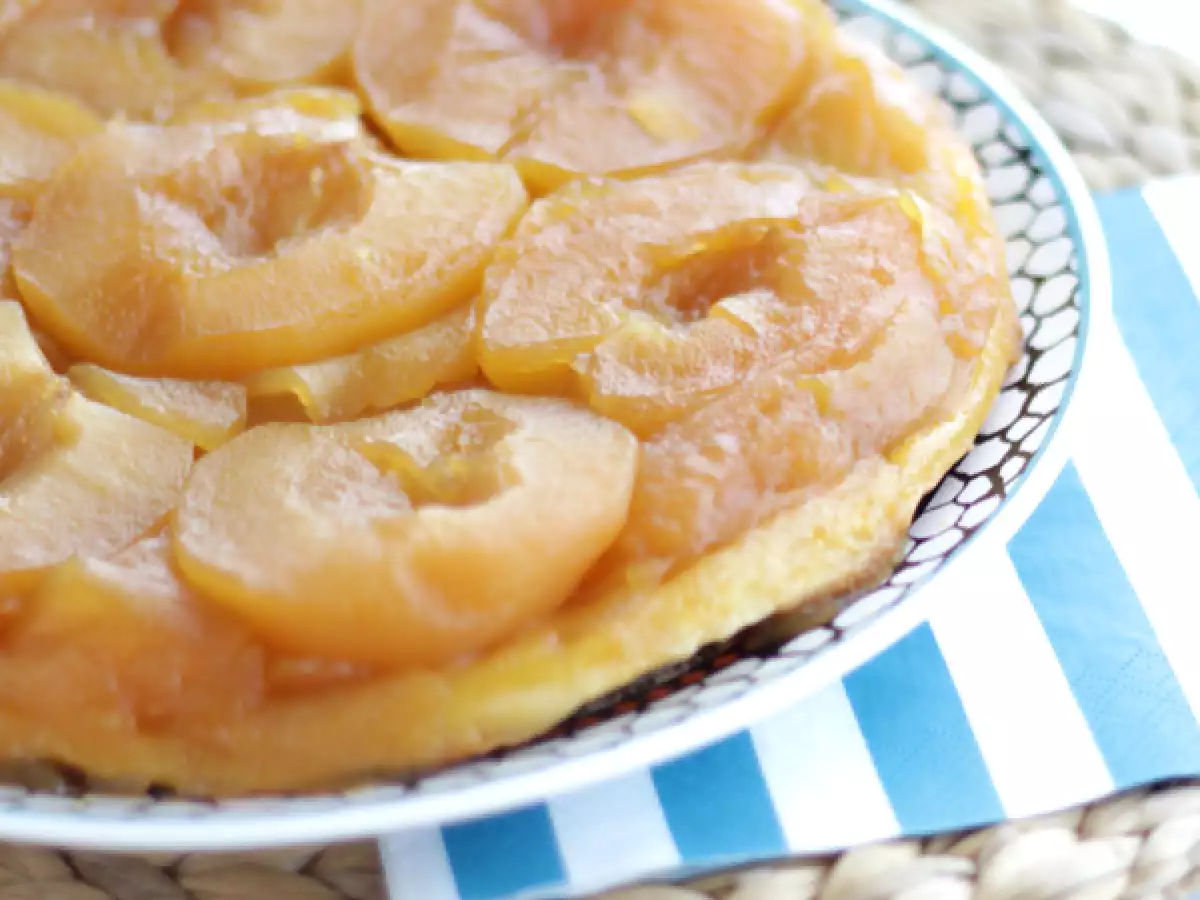
Only 3 ingredients to bake this very simple world-famous recipe ! So what are you waiting for to become a real french Petit Chef ?
SALTY VERSION
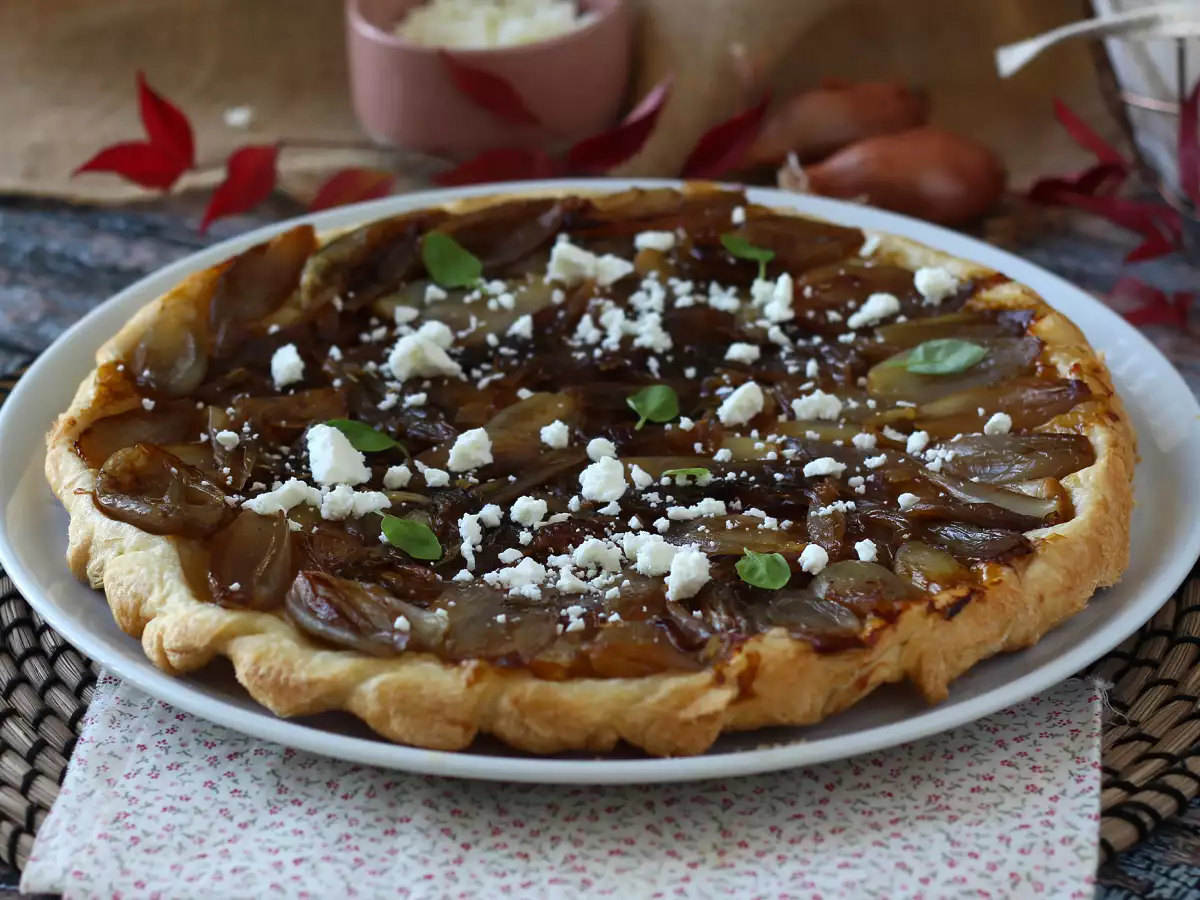
When we talk about tarte Tatin , we obviously think of the famous apple tarte Tatin ! What if we replaced the traditional apples with beautifully caramelized shallots for a savory version? To make it even more delicious, feta is the perfect addition...
Cake / Loaf Cake
We usually associate pound cake or loaf cake with breakfast, coffee breaks or snack time. But in reality, this format is perfect for savory baking: quick batter, loaf pan, and a result that slices beautifully as if it was born to be an appetizer.
Swap sugar for cheese, herbs, veggies or a bit of cured meat, and the cake stops being “sweet” and becomes a quick bread: moist crumb, concentrated flavor, zero drama. Just like in the sweet world (lemon cake, condensed milk cake, chocolate cake), the base lets you play. In savory form you just need to understand your add-ins:
- very juicy ingredients (zucchini, tomato) usually need to be drained or pre-cooked
- aged cheeses bring structure and deep flavor that holds up even the next day
It’s the kind of recipe you make with “whatever’s around” and that magically solves lunches, brunches and casual dinners.
SWEET VERSION

A simple and moist cake to enjoy as a delightful snack any time of the day!
SALTY VERSION
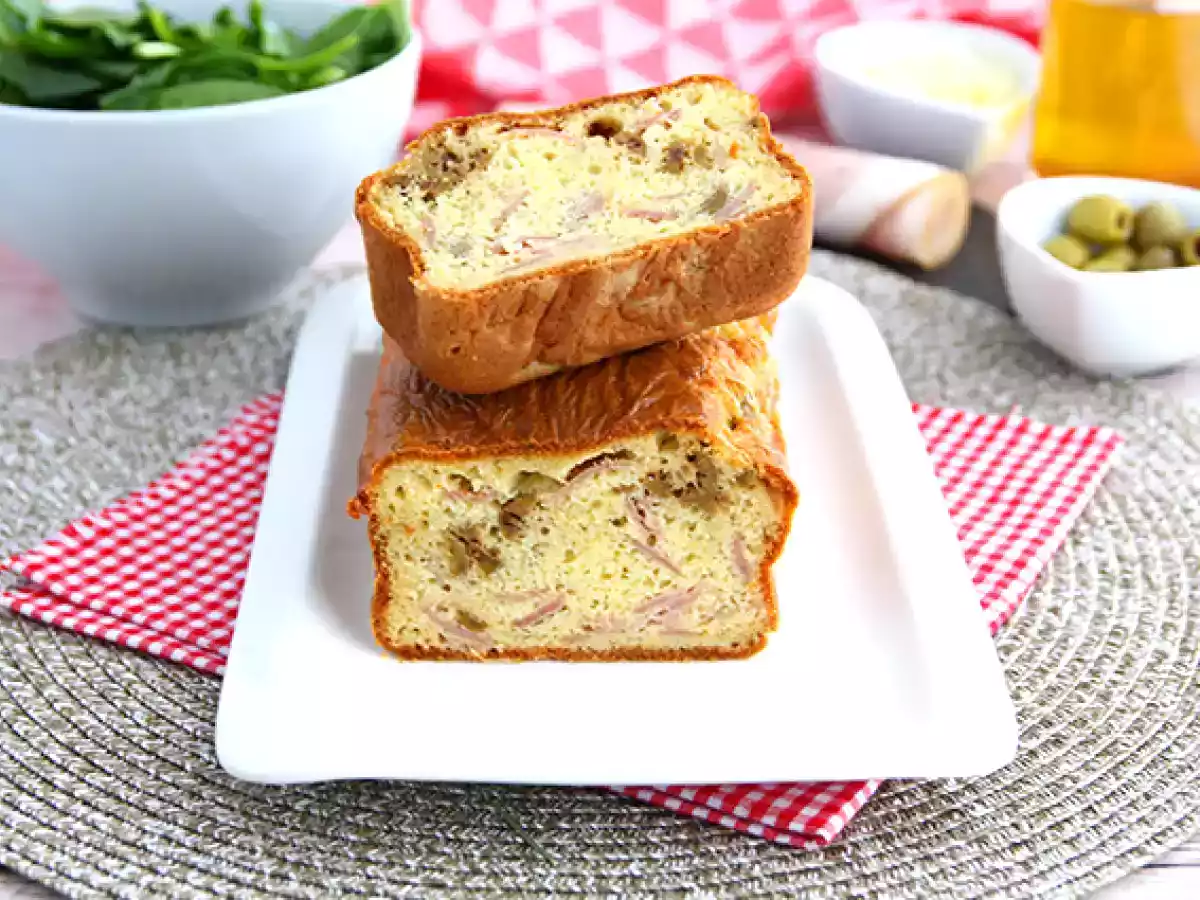
For an appetizer spread or a picnic, a savory loaf is just the thing! Here, we’re sharing a classic that’s always a hit: ham, cheese, and green olive loaf. It’s very easy to make, and the result is wonderfully moist and sure to delight all your guests....
Brownies
Brownies are rock stars in the dessert universe, especially the chocolate ones. But their success doesn’t depend only on cocoa, it’s all about that very specific texture: halfway between cake and fudge, with a firm top and a moist center.
You can absolutely translate that idea to savory: think of a dense, rich slab that you cut into squares and serve as bites. Instead of cocoa, in come umami-heavy ingredients: cheeses, mushrooms, olives, roasted vegetables or even a very reduced vegetable purée.
It’s not a brownie trying to pretend it’s dessert: it’s a solid, sliceable, savory bar, perfect for snacking, buffets or tapas-style dinners.
SWEET VERSION
Who can resist a delicious chocolate brownie ? With its soft center, slightly crunchy exterior, and intense chocolate flavor, this dessert from the United States has won the hearts of all chocolate lovers . Easy to prepare, this recipe is ideal for...
SALTY VERSION
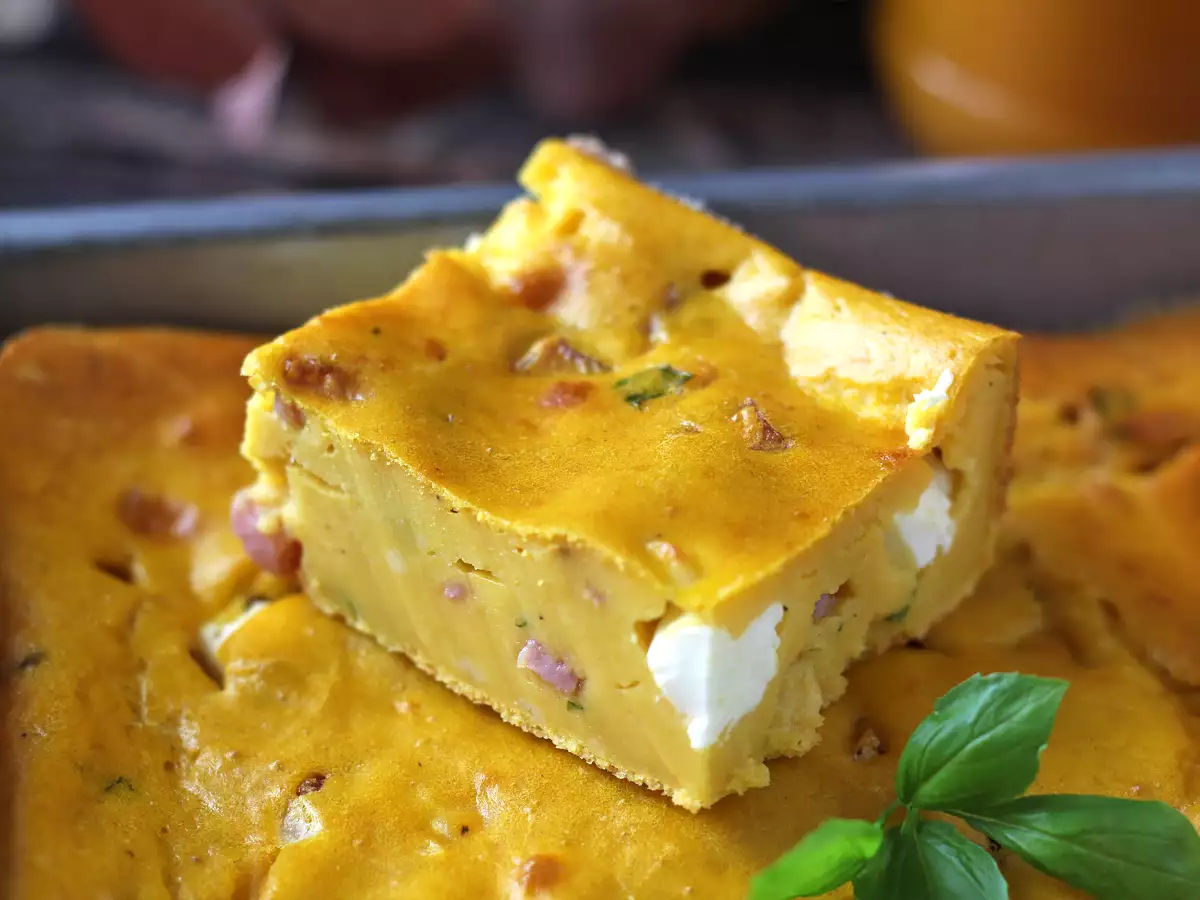
Got some leftover pumpkin soup sitting in the fridge and don't know what to do with it? Don't throw it away : we're going to transform it into an ultra-moist, delicious, and totally addictive savory brownie! With diced ham, melty feta, a few basil...
Crêpes
Crêpes live in the “sweet” section mostly out of habit, not because they have to. The basic batter is neutral: flour, eggs, milk and a skillet that does its job well. We’re just used to pairing them with Nutella, jam, sugar, honey or cinnamon.
But since the base is neutral, the second you change the filling, you’ve got a savory dish that works for everyone: kids, adults, picky eaters, all of them. Think béchamel, cheese and ham; or cheese and sautéed vegetables; ground beef; mushrooms; chicken… whatever you’re craving.
The key is to treat them like a thin edible canvas and adapt the filling to the role you want them to play: appetizer, main course, brunch, or a “clean out the fridge” dinner.
SWEET VERSION

Ok sometimes you get tired of pancakes ? Why don't you bake those delicious crepes that French excel at? A really simple recipe, that you can stuff with sugar, jam, honey or chocolate spread. Don't say thanks ;-)
SALTY VERSION

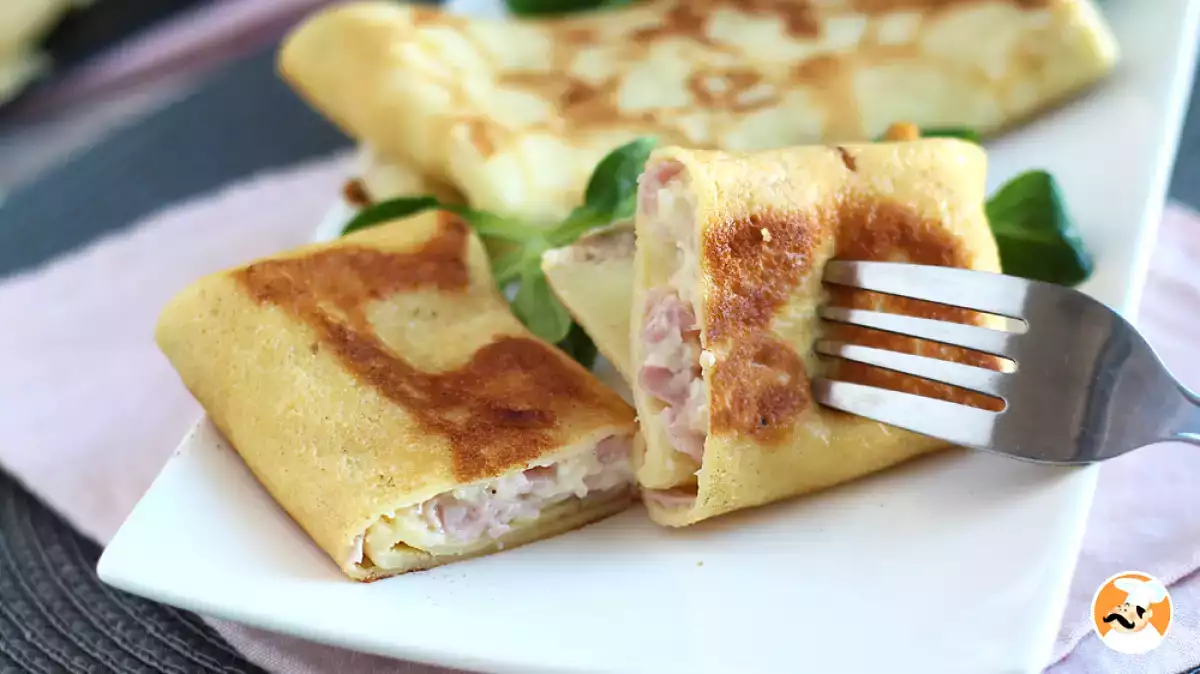
A recipe that takes us back to childhood? Ham and béchamel crêpes! Homemade, they’re even better ;-) We’ll explain each step in making these savory crêpes, which are sure to delight young and old alike. Serve with a mixed salad for a simple,...
The rebel side of classic desserts
In the end, these savory twists work when you understand what makes each recipe strong:
- crumble needs contrast and toasty crumbs
- tarte Tatin needs time and a layer that caramelizes
- cake needs balance between flavor and moisture
- the “savory brownie” needs density and umami
- crêpes need a filling with intention
It’s not about putting a costume on a dessert, it’s about using a reliable template and filling it with ingredients that make sense.
When you do that, you get a double win: you cook with more freedom and you turn dinner into something no one saw coming.
 Patricia González
Comments