Fridge or counter? How to store summer fruits and vegetables so they stay fresher for longer
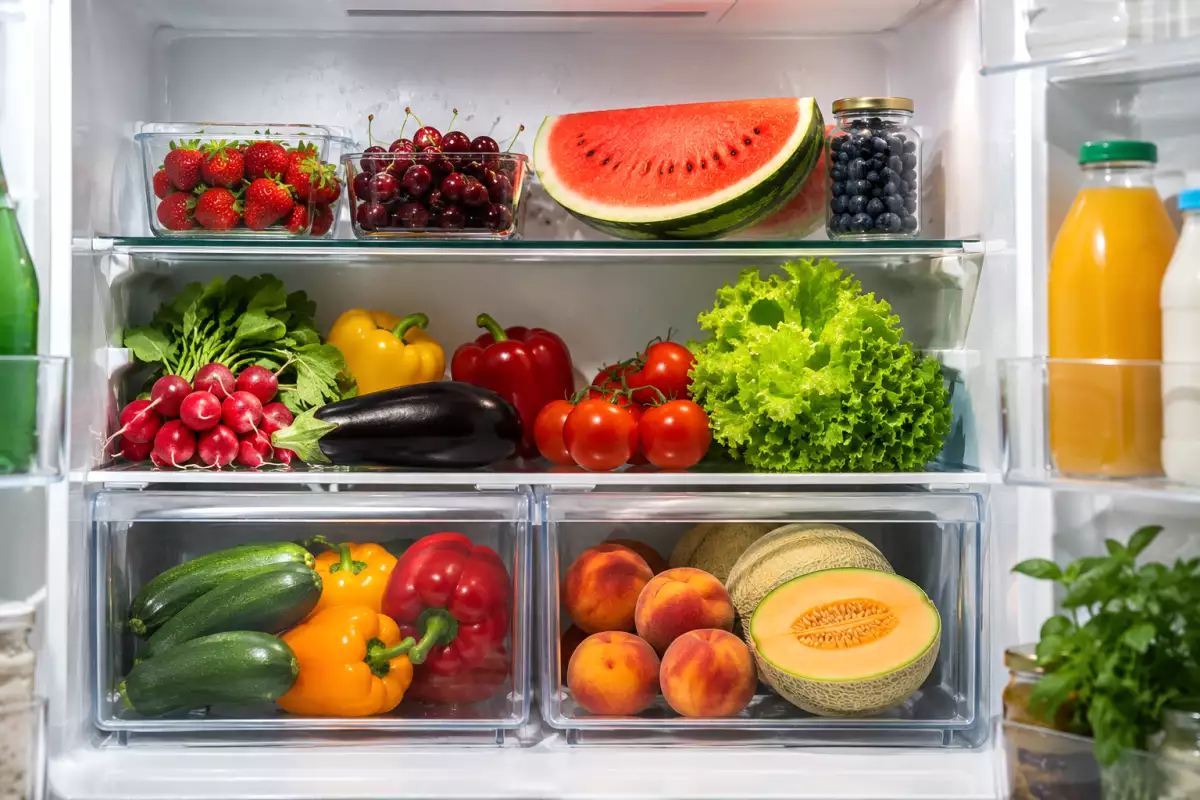
Every summer, it is the same story. You come home from the farmers market or grocery store with beautiful red tomatoes, fragrant peaches, a giant watermelon, a few zucchini, and a cantaloupe that already smells like vacation.
Then comes the big question: should everything go in the refrigerator, or should some fruits and vegetables stay at room temperature?
Out of habit, many people fill the produce drawer as soon as they get home. But that is not always the best solution. Some summer produce loves the cold, while other fruits and vegetables quickly lose their flavor, texture, or aroma when stored in the fridge.
Here is how to avoid the most common mistakes and make the most of your summer produce :)
Tomatoes: keep them out of the fridge
This is probably one of the most common mistakes.
Tomatoes do not like the cold. When they are stored in the refrigerator, their texture often becomes mealy and their flavor can fade quickly.
Low temperatures can affect the compounds responsible for their aroma and taste, which is why a refrigerated tomato often feels less flavorful than one kept at room temperature.
The best option is to store tomatoes in a fruit bowl or on the counter, away from direct sunlight.
That way, they keep their sweetness, fragrance, and juicy texture.
Cantaloupe: room temperature before cutting
As long as it is whole, cantaloupe does perfectly well at room temperature.
This can even help its aroma continue to develop.
Once it is cut, however, it should go straight into the refrigerator, preferably in an airtight container or tightly covered with plastic wrap to preserve its freshness.
Small bonus: chilling cantaloupe for a few hours before serving makes it especially refreshing on very hot days.
Watermelon: it depends on whether it is whole or cut
A whole watermelon can stay out of the refrigerator for several days.
That is often how it is stored in grocery stores, too.
Once it has been cut, however, it needs to be kept cold so it does not lose too much water or its crisp texture.
Be sure to cover the cut surface with a lid, plastic wrap, or store pieces in an airtight container so the flesh does not absorb odors from the fridge.
Peaches, nectarines, and apricots prefer to ripen on the counter
Few things are more disappointing than a peach that is hard as a rock.
To help peaches, nectarines, and apricots ripen properly, leave them at room temperature in a fruit bowl.
Cold temperatures slow down the ripening process.
Once they are soft, fragrant, and ready to eat, you can place them in the refrigerator for a few days if you do not plan to enjoy them right away.
Zucchini likes cool temperatures, but not too cold
Zucchini is one of those vegetables that appreciates some coolness.
The produce drawer is usually the best place to keep it fresh for several days.
That said, very cold temperatures can affect its texture. Ideally, zucchini should be stored somewhere cool but not freezing cold, which is why the refrigerator’s crisper drawer is usually the right compromise.
Cucumbers are a special case
Contrary to what many people think, cucumbers are not always big fans of intense cold.
Temperatures that are too low can speed up deterioration and lead to soft spots.
If you plan to eat them quickly, they can stay for a few days at room temperature in a cool part of the kitchen.
For longer storage, the produce drawer is still a good option.
Eggplants do not love the refrigerator
Like tomatoes, eggplants are sensitive to temperatures that are too low.
Cold can affect their texture and make them soften more quickly.
The best option is to store them in a cool, dry, well-ventilated spot, but not necessarily in the refrigerator if you plan to cook them within the next few days.
Watch out for fruits that speed up ripening
Another often-overlooked point is ethylene.
Some fruits, such as peaches, nectarines, cantaloupe, and apricots, naturally produce this gas, which speeds up ripening.
When placed too close to sensitive vegetables, they can shorten their shelf life.
So, if possible, avoid piling everything together in the same fruit bowl.
The easiest rule to remember
If a fruit or vegetable comes from a warm climate and is usually displayed at room temperature in the store, there is a good chance it prefers to stay out of the fridge until ripe.
On the other hand, more fragile vegetables or those rich in water, such as zucchini or leafy greens, often do better in the produce drawer.
In short, the refrigerator is not always the best friend of summer fruits and vegetables. To enjoy their full flavor, sometimes all you need to do is let them breathe at room temperature for a few days before eating.
And between a tomato pulled straight from the fridge and one that ripened quietly on the counter, your taste buds will notice the difference right away ;)
 Adèle Peyches
Comments