How to freeze pumpkin without ruining it: the step that prevents watery cubes and flavorless puree
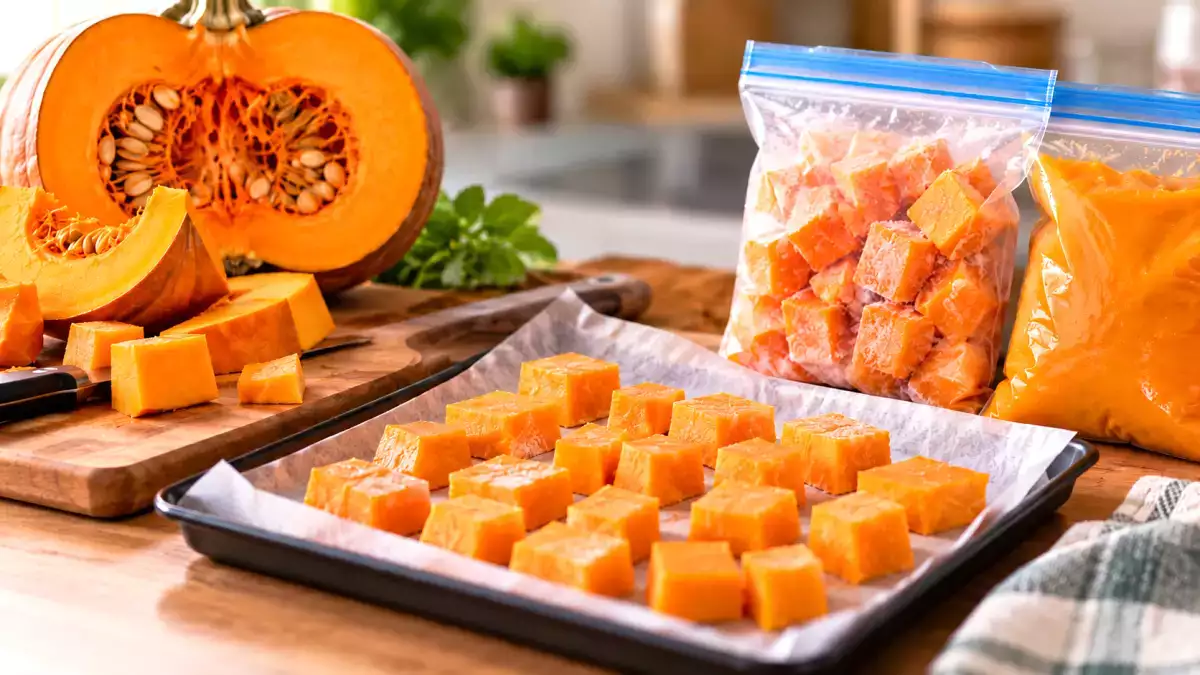
The good news is that you can freeze pumpkin, and it’s also one of the smartest ways to always have a base ready for soups, pasta dishes, side dishes, and baked recipes. The bad news? If you put it in the freezer the wrong way, you risk ending up with pumpkin that’s mushy, watery, and lacking in flavor.
The secret isn’t complicated, but it really makes a difference: prepare it based on how you’ll use it later. Cubes, slices, purée, or pre-cooked pumpkin aren’t stored the same way. And above all, they shouldn’t be treated like simple leftovers to be stuffed into a bag.
Why is it a good idea to freeze pumpkin when it's in season?
This is especially useful if you buy a large pumpkin, if you’ve received pumpkins from the garden, or if you want to organize your freezer with ready-to-use ingredients for the week. The important thing to understand is that pumpkin contains water: during freezing, this water forms crystals that can alter its texture. That’s why a little bit of method is needed.
Can you freeze raw pumpkin?
The best method is simple: remove the skin, seeds, and stringy fibers, cut the flesh into uniform cubes, pat it dry thoroughly with paper towels, and arrange it on a tray in a single layer. After a few hours in the freezer, once the pieces are firm, transfer them to bags. This step is called pre-freezing and prevents the cubes from sticking together into a single block.
The step many people skip: drying it and pre-freezing it
The real mistake isn't freezing raw pumpkin. The problem is putting it in the bag while it's still damp and all crammed together. That way, the pieces stick together, become covered in ice, and release more water than expected when you're ready to use them.
So, before freezing it, dry the flesh thoroughly and spread it out on a baking sheet lined with parchment paper. The pieces must remain separate. Only after the initial freezing can you transfer them to bags or containers. This way, you can take just the amount you need: a handful for a risotto, a few cubes for a cream soup, or a larger portion for a hearty soup.
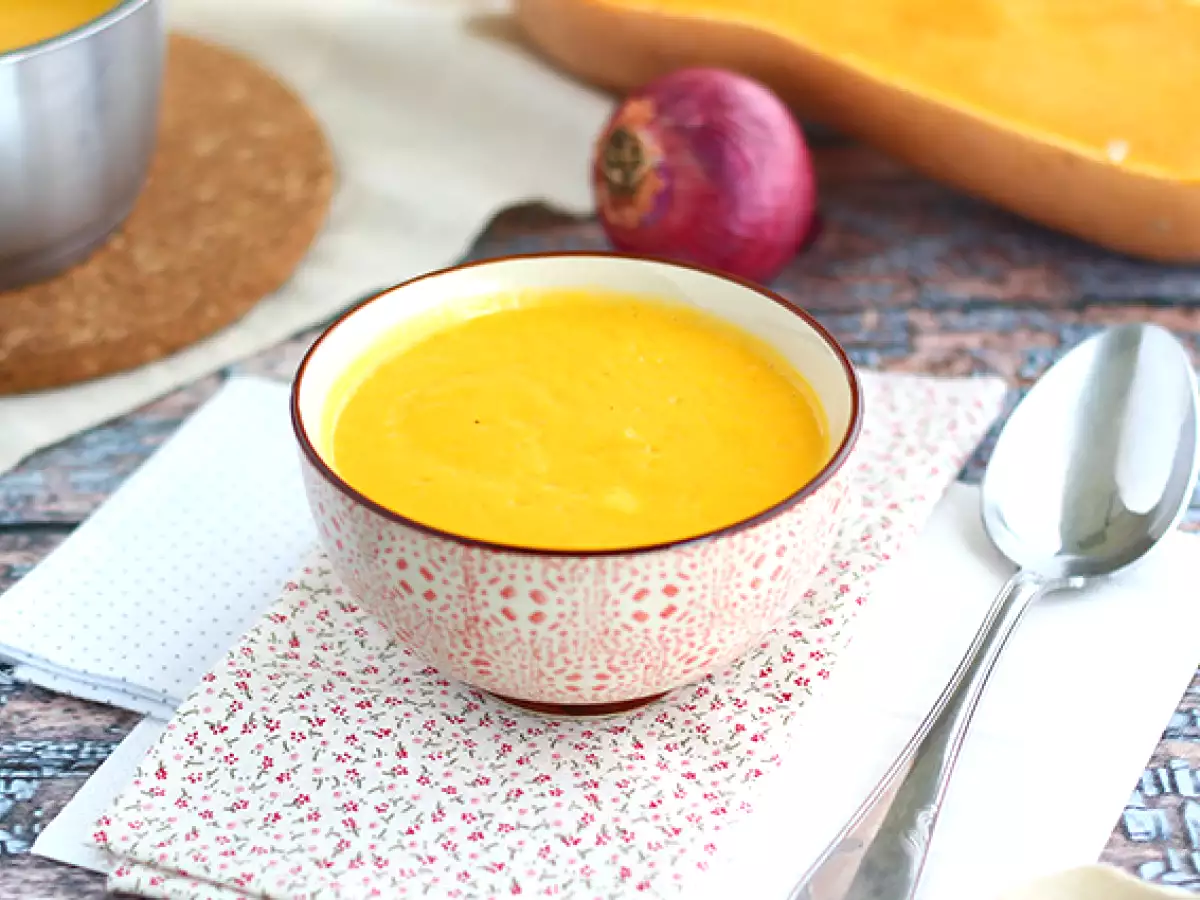
Squash season is here! Pumpkin, butternut, and more... How to cook them? We offer you a simple and perfect recipe for autumn/winter: a velouté! Easy for beginners, just cook your ingredients for a few minutes before blending. Simple, right? Follow our...
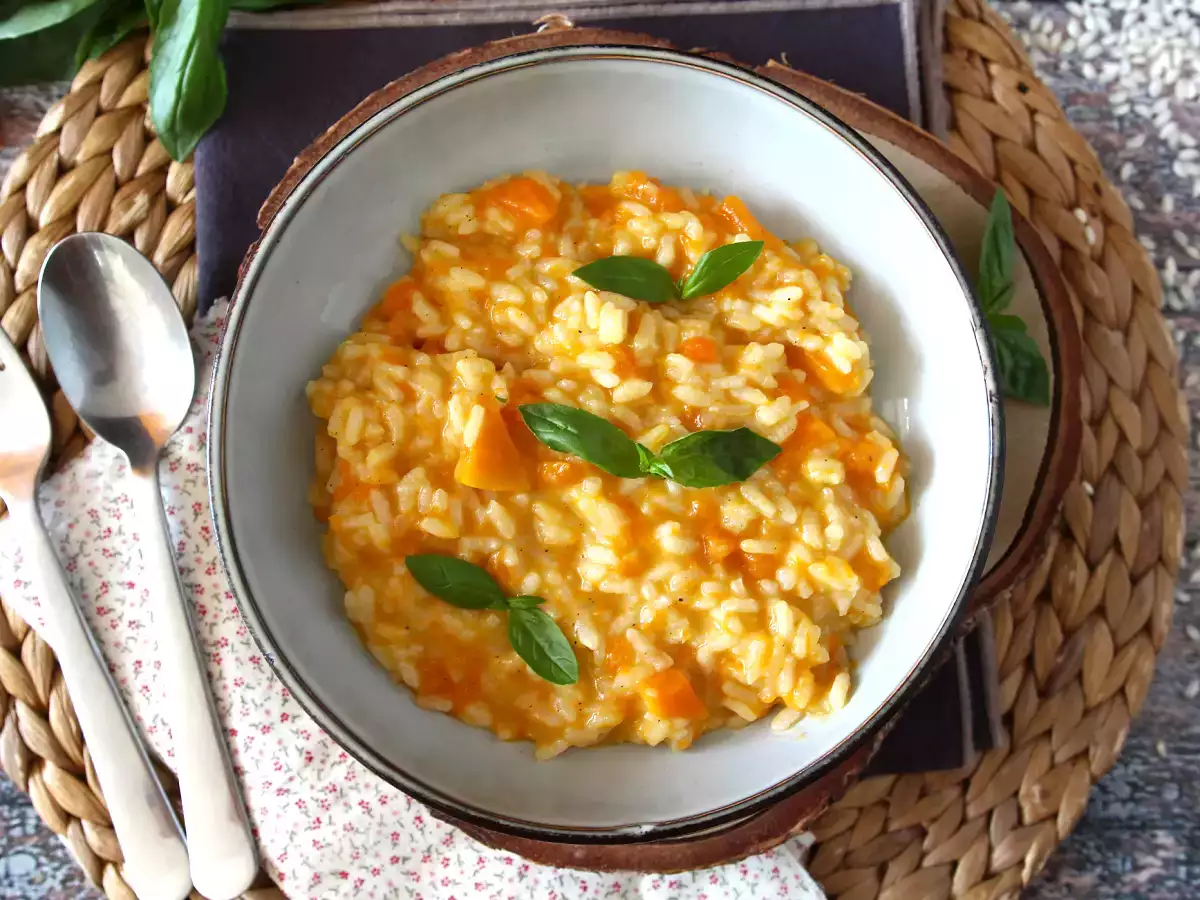
We are now right in the middle of pumpkin season . Its warm colour and delicate flavour make us feel good. That’s why we suggest preparing a tasty pumpkin risotto , either to serve as a meal for the whole family or to make a big impression at...
Is it better to freeze raw or cooked pumpkin?
Cooked squash, on the other hand, is ideal if you want to save time. You can bake it, steam it, or sauté it, let it cool completely, and then freeze it in portions. It’s perfect for fillings, gnocchi, savory pies, meatballs, and doughs. If the squash is very watery, dry it thoroughly in the oven or in a pan before freezing it: the flavor will be more concentrated and the texture better.
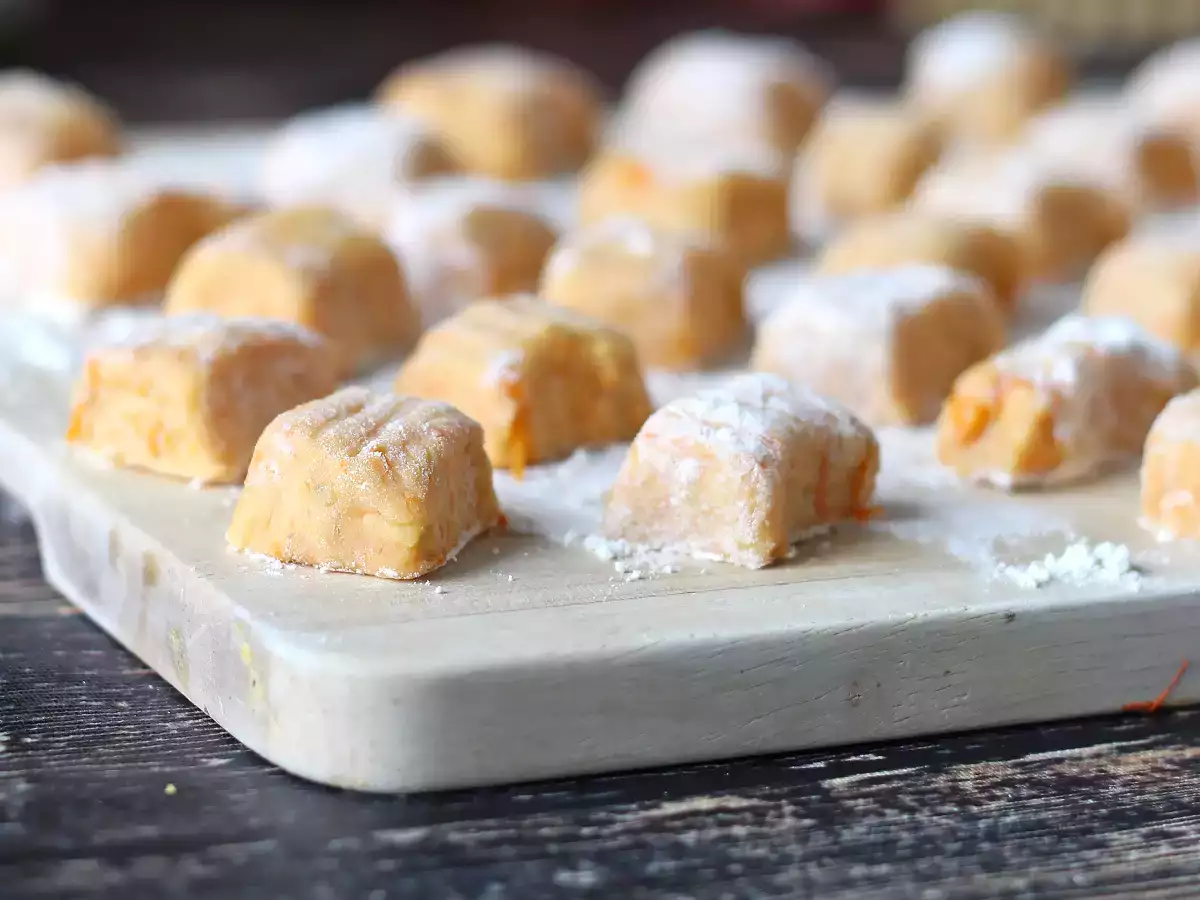
Pumpkin gnocchi are one of autumn's most beloved preparations, ideal for those who want to bring a wholesome, soft and flavor-packed dish to the table. Perfect with classic butter and sage, pumpkin gnocchi also pair beautifully with a creamy...
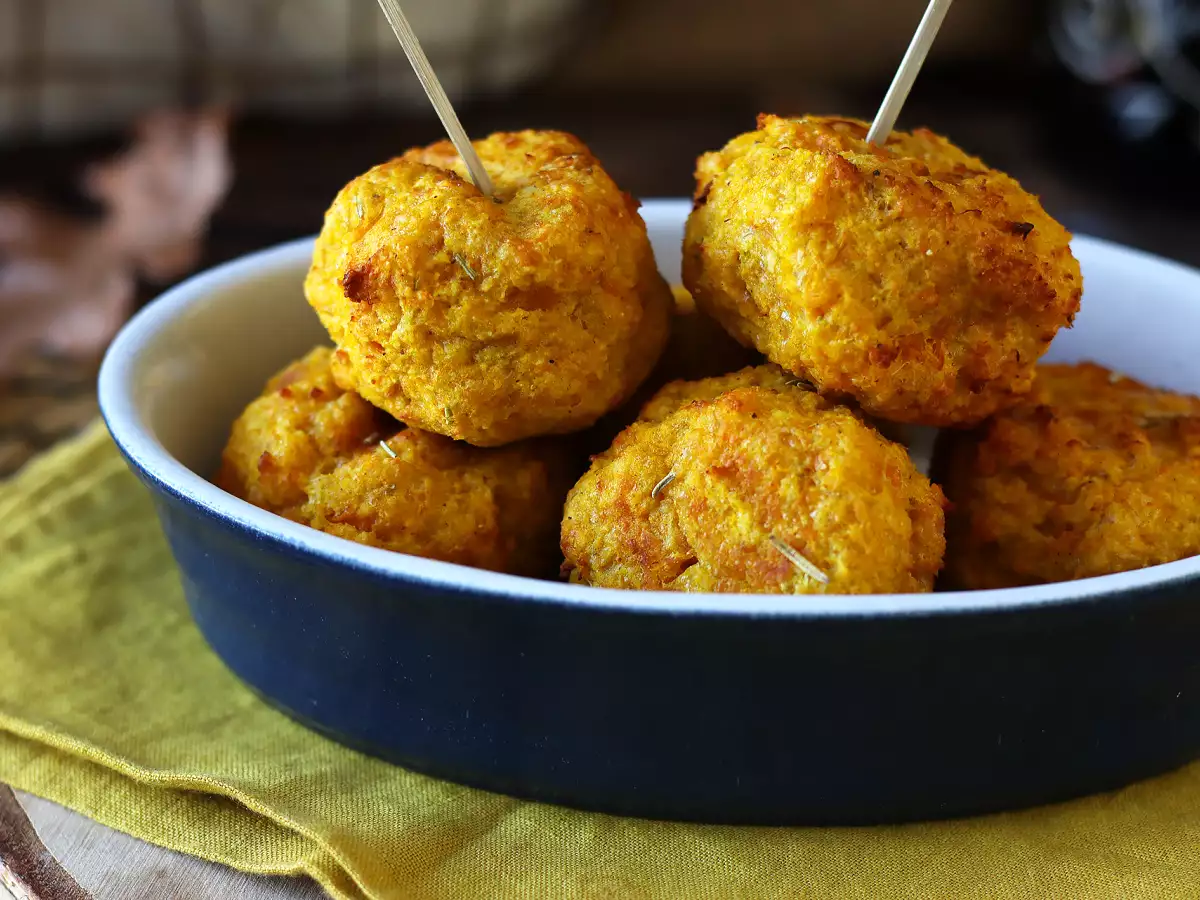
Looking for a tasty fall dish that will wow everyone? Then you can't miss our pumpkin croquettes cooked in an air fryer ! With just a few simple and easy-to-find ingredients , you can whip up a delicious vegetarian recipe perfect for any...
How to freeze pumpkin puree
The trick is to freeze it in portions already sized for specific uses: one portion for a purée, one for dough, and one for a sauce . Avoid freezing a single large block, as it will be harder to thaw and portion out later. Puree flattened out in bags takes up little space and thaws faster.
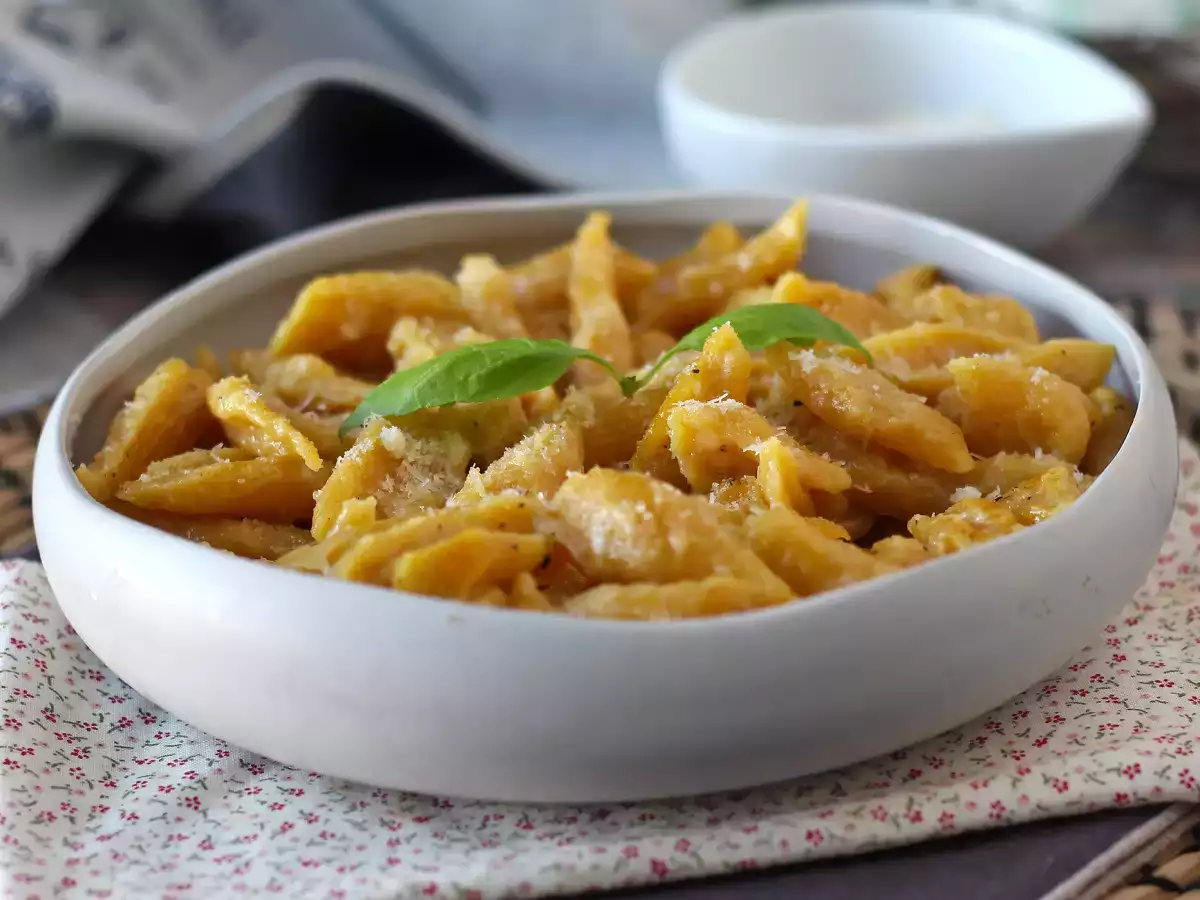
Fresh butternut pasta is the perfect example of a simple, delicious recipe :) With just two ingredients - butternut puree and flour - you can make an easy and original homemade recipe , without the need for sophisticated equipment. Butternut, with...
How long does frozen pumpkin last?
Writing the date on the bag is a small but very useful step. It’s also best to note the form: raw pumpkin cubes, cooked pumpkin, or pumpkin purée. That way, when you open the freezer, you’ll know right away what you have and how to use it.
Do you need to thaw the pumpkin before cooking it?
However, it’s best to thaw cooked pumpkin or pumpkin puree slowly in the refrigerator when you plan to use it in doughs, fillings, or recipes where moisture content needs to be better controlled. After thawing, if you notice excess liquid, drain it or cook the puree in a pan for a few minutes to dry it out.
Mistakes to avoid when freezing pumpkin
- Don't freeze it when it's too ripe: if it's already mushy or stringy, freezing it won't improve it.
- Don’t put it in the bag while it’s wet: the water on the surface will turn to ice and ruin the texture.
- Don’t cut it into pieces that are too large: they’ll cook unevenly and be harder to portion out.
- Don’t refreeze it after thawing: it’s better to divide it into small portions before putting it in the freezer.
- Don’t use it as if it were freshly cut: after freezing, pumpkin is better suited for cooked, creamy, or baked recipes, rather than dishes where it needs to remain firm.
The smart pantry staples that save your winter dinners
Freezing pumpkin the right way means turning a seasonal ingredient into a ready-to-use resource. It only takes a few steps: cut it properly, dry it, pre-freeze it, and divide it into portions. That way, your freezer won’t become a storage space for forgotten bags, but a little stash of ideas for quick lunches and dinners .
The next time you buy a large pumpkin, don’t wait for it to go to waste in the fridge. Prepare a portion for the freezer right away: in winter, all you’ll need to do is open a bag to serve up something warm, simple, and truly comforting.
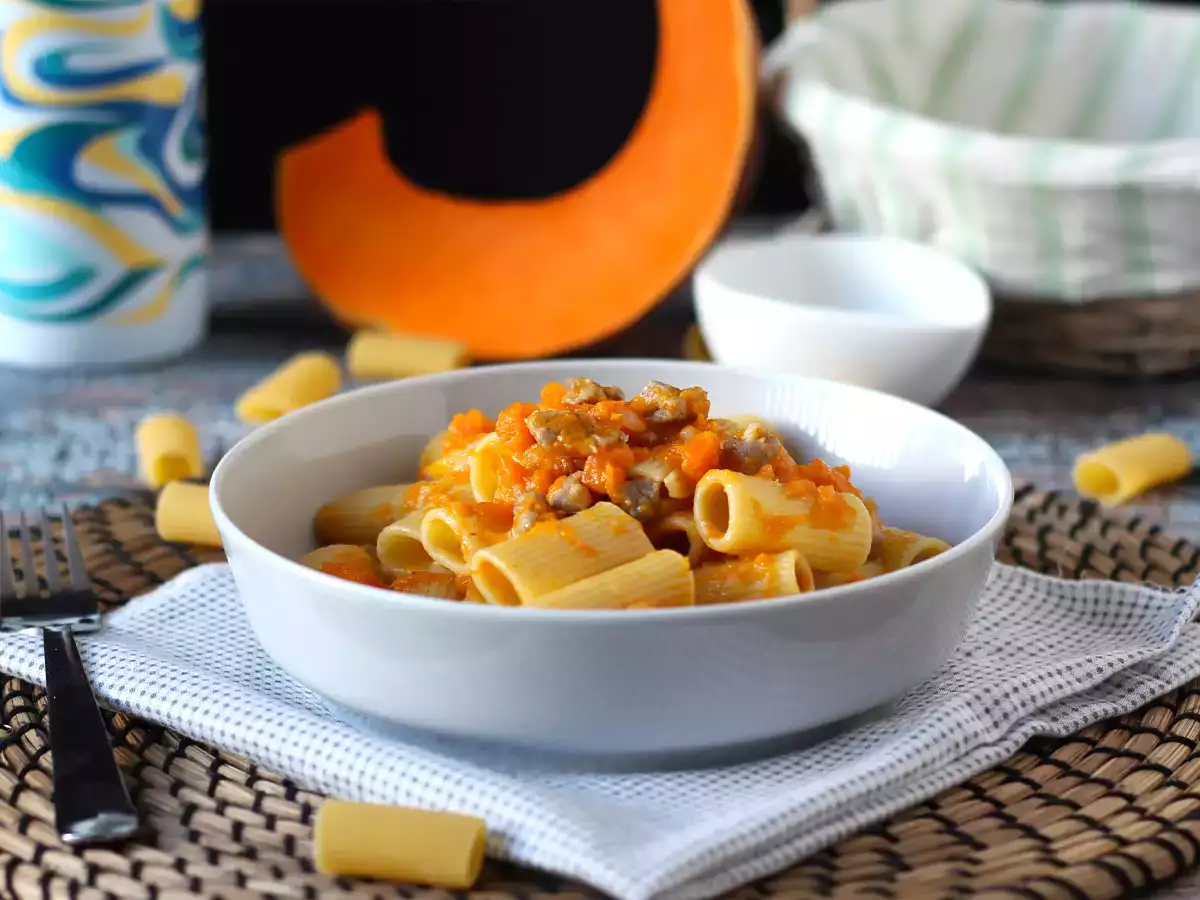
We offer you a new topping idea for your pasta ! And believe us, you too will fall for this slightly sweet combination thanks to the addition of pumpkin. It will also be an opportunity to cook this squash in another way than velouté or simply...
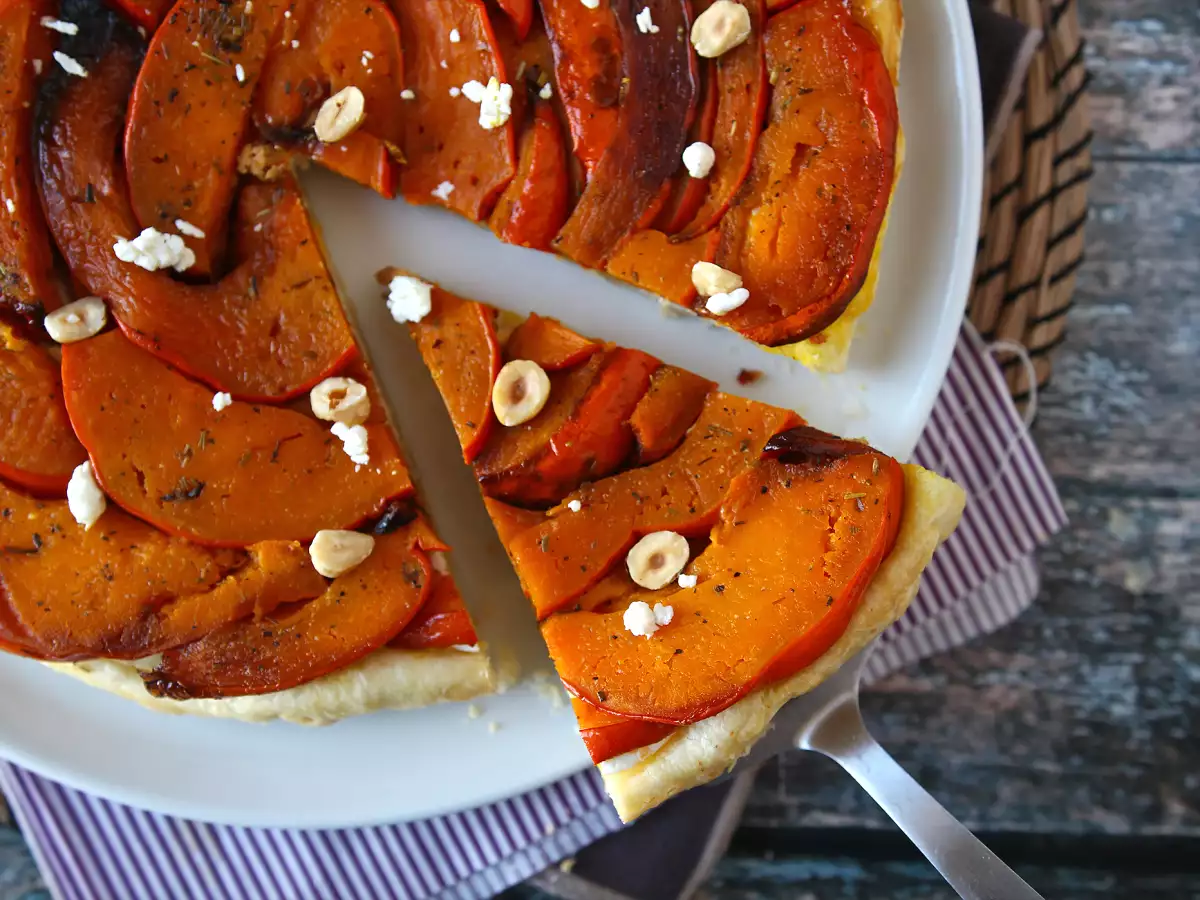
Let yourself be tempted by this pumpkin tatin with goat's cheese and honey , a real autumn delight! Melt-in-your-mouth pumpkin, creamy goat's cheese and a touch of sweet honey combine perfectly for a result that's both sweet and savory . This...

If you are looking for an original , refined yet healthy snack , pumpkin chips in air fryer are the ideal choice. The natural sweetness of pumpkin , enriched with black pepper, is transformed into an irresistible treat that impresses from the...
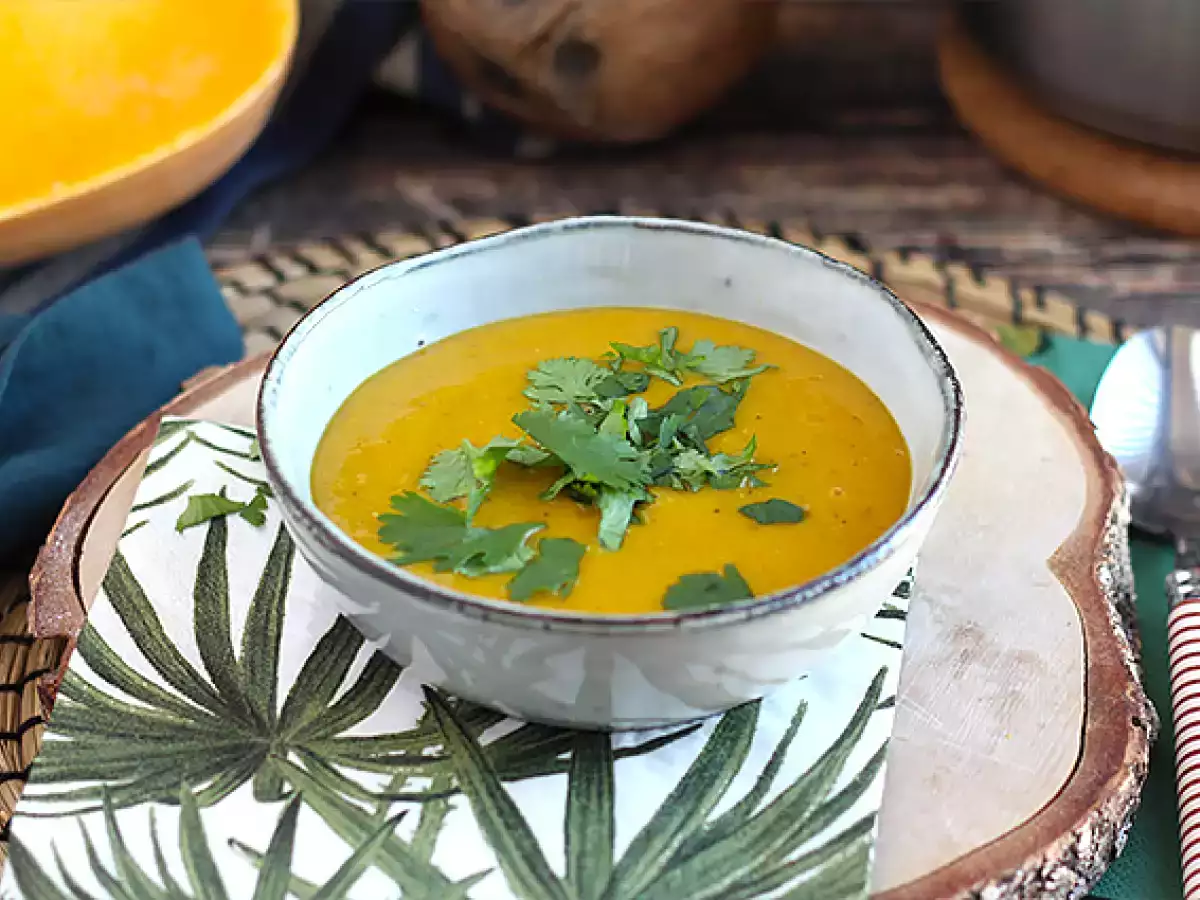
On the menu tonight, a super comforting and spicy soup to travel while staying cozy under a blanket. Rich in plant-based proteins thanks to the red lentils, this complete soup will also highlight one of the seasonal squashes: butternut :-) It's your...
 Daniele Mainieri
Comments