Huge zucchini: Are oversized summer squash still good to eat, and what should you do with them?
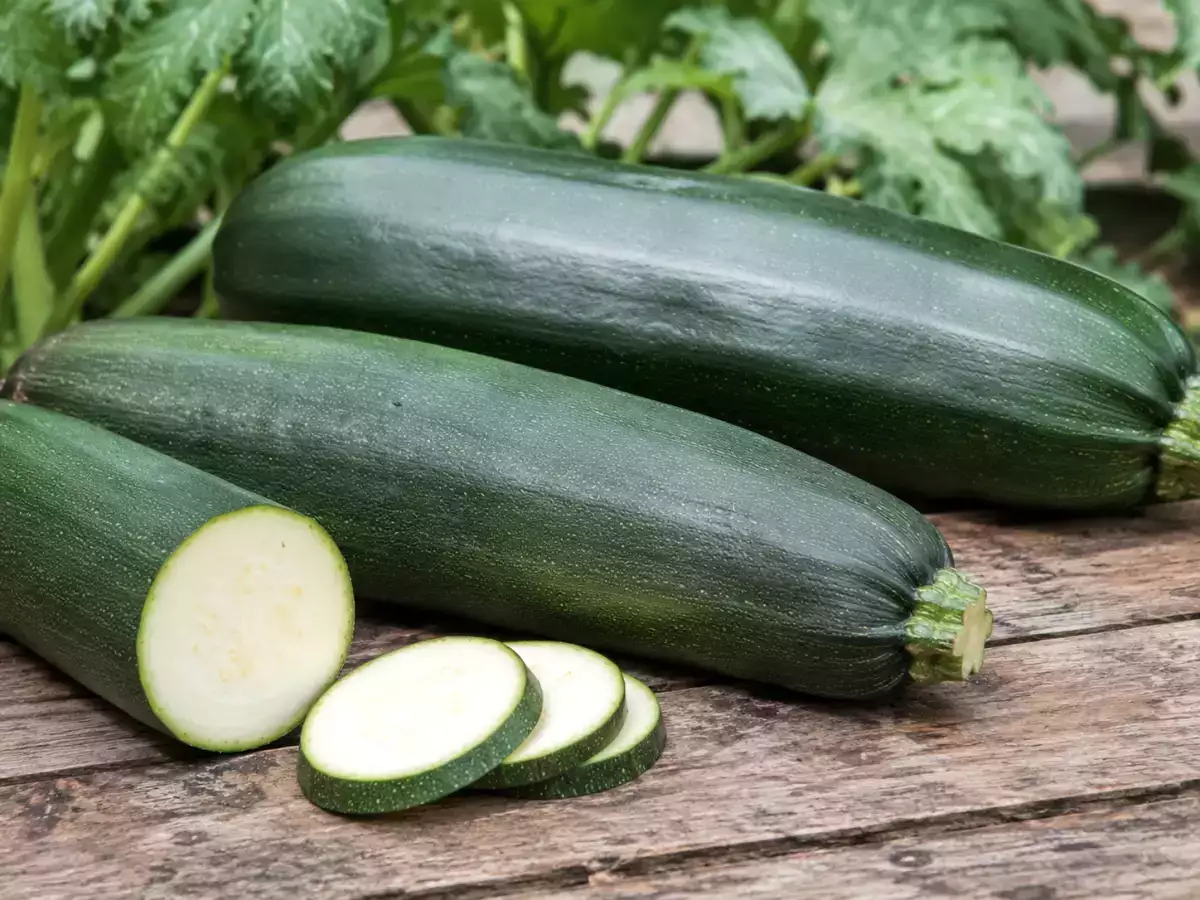
A big zucchini isn't necessarily a wasted zucchini
Don’t worry: a zucchini that’s too big isn’t automatically compost material. If its skin is sound, it shows no signs of mold, and its flesh is still in decent condition, it can definitely end up on your plate.
On the other hand, you have to accept one thing: it won’t cook exactly like a young, tender zucchini. The larger the zucchini grows, the more water and seeds it contains, and sometimes its skin gets thicker. Its flavor can also become more subtle, or even slightly bland. It’s no big deal, but you’ll want to choose recipes that really bring out its best.
How can I tell if it's still good?
Once cut open, take a look inside. If the flesh is light in color and free of suspicious spots, you can cook it. If the seeds are very large, simply scoop out the core with a spoon. It’s often this part that makes large zucchini more watery.
Another important point: if the zucchini tastes very bitter, don’t eat it. A pronounced bitterness can be a sign of a naturally occurring irritant. In this case, don’t try to “fix” it with cheese or spices—just throw it away.
The Best Ways to Cook Large Zucchini
When pan-frying, dice them, season lightly with salt, and cook them long enough for the water to evaporate. When baking, cut them into sticks or thick slices, drizzle with olive oil, sprinkle with herbs, and bake at a high temperature. In soups, they make a mild and light base, especially with a touch of lemon, yogurt, or fresh cheese.
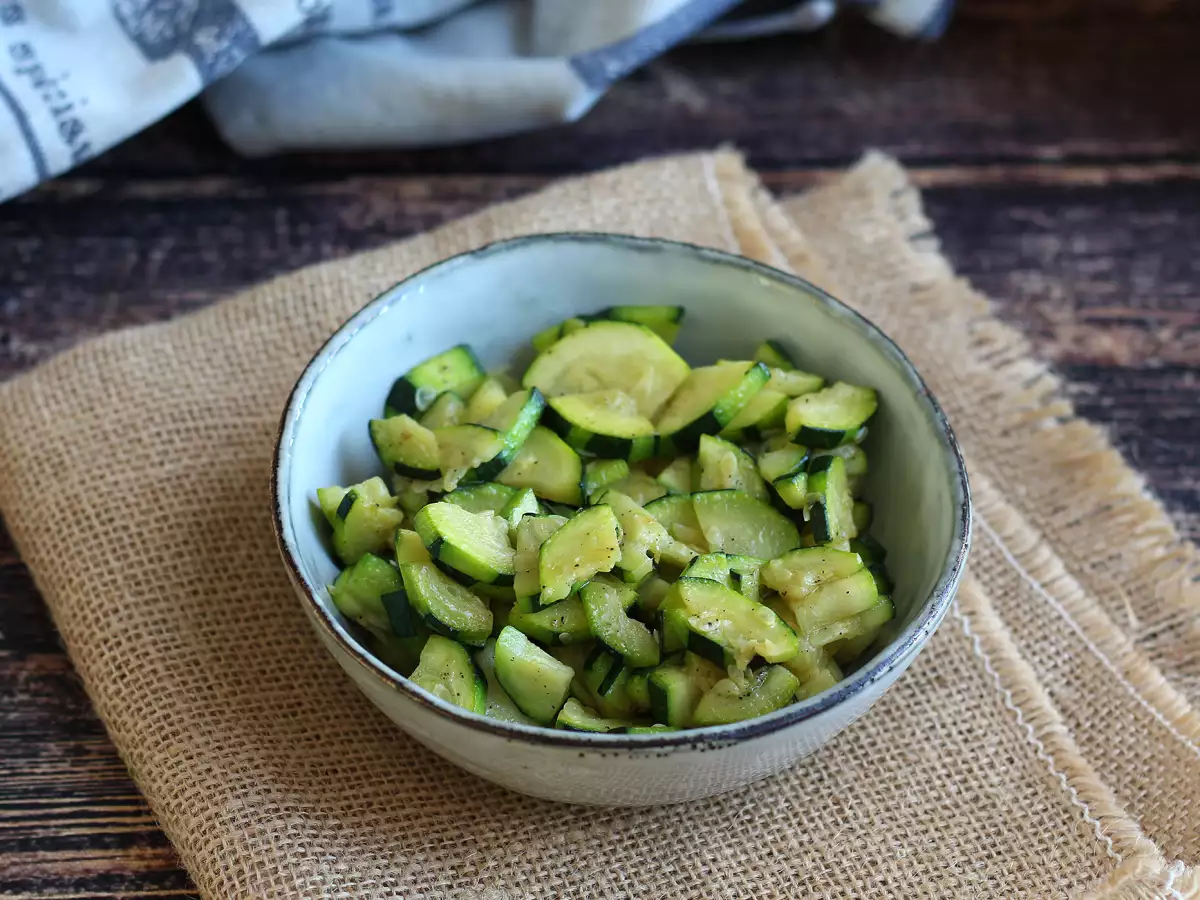
What's better than a pan of vegetables to serve with your meal? Since zucchini is one of our favorite vegetables, we decided to share our pan-fried zucchini recipe with you. It's incredibly easy, and a must-have recipe to keep in your repertoire for...
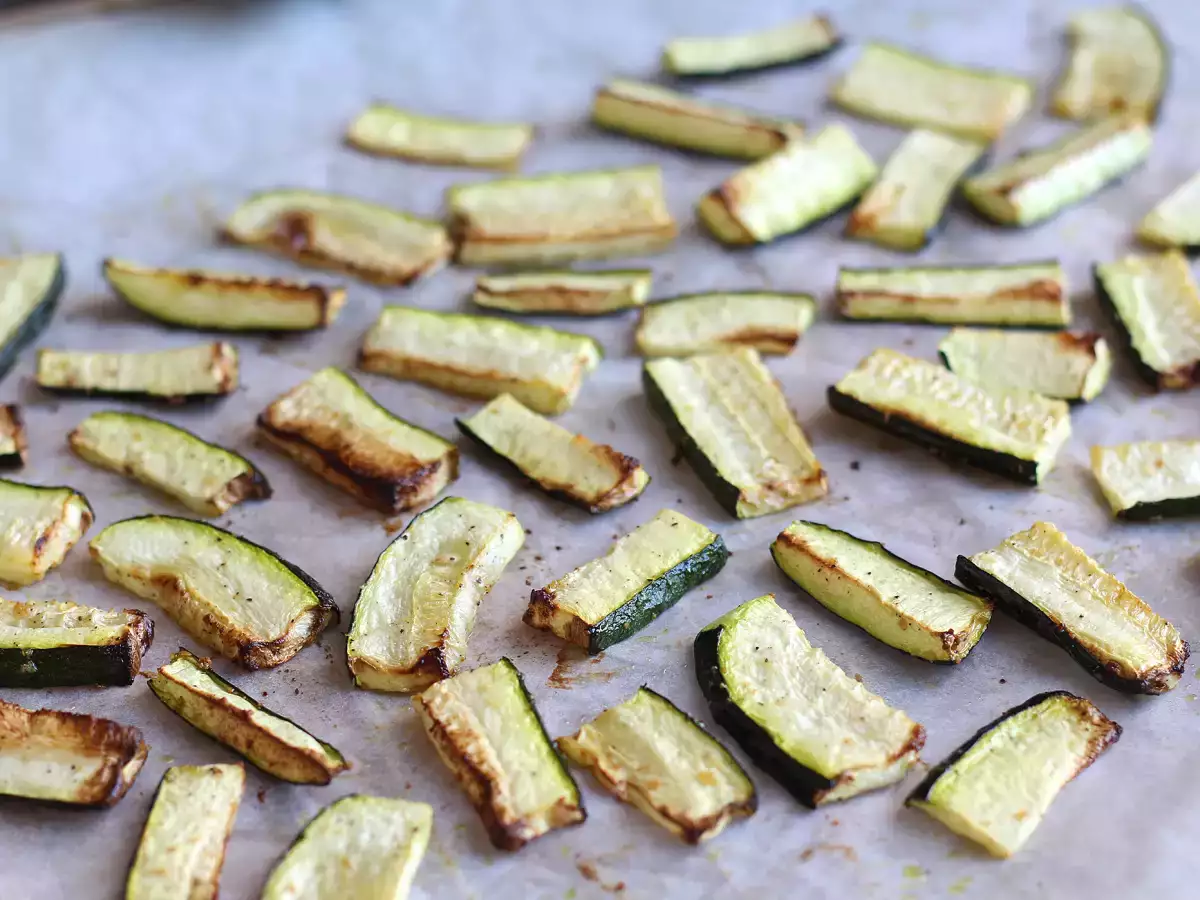
For a lightly roasted effect, there's nothing better than baking your zucchini! Cut into sticks, they almost look like little fries :-) A great way to get the whole family to eat vegetables! We’re sharing our seasoning and, of course, the exact cooking...
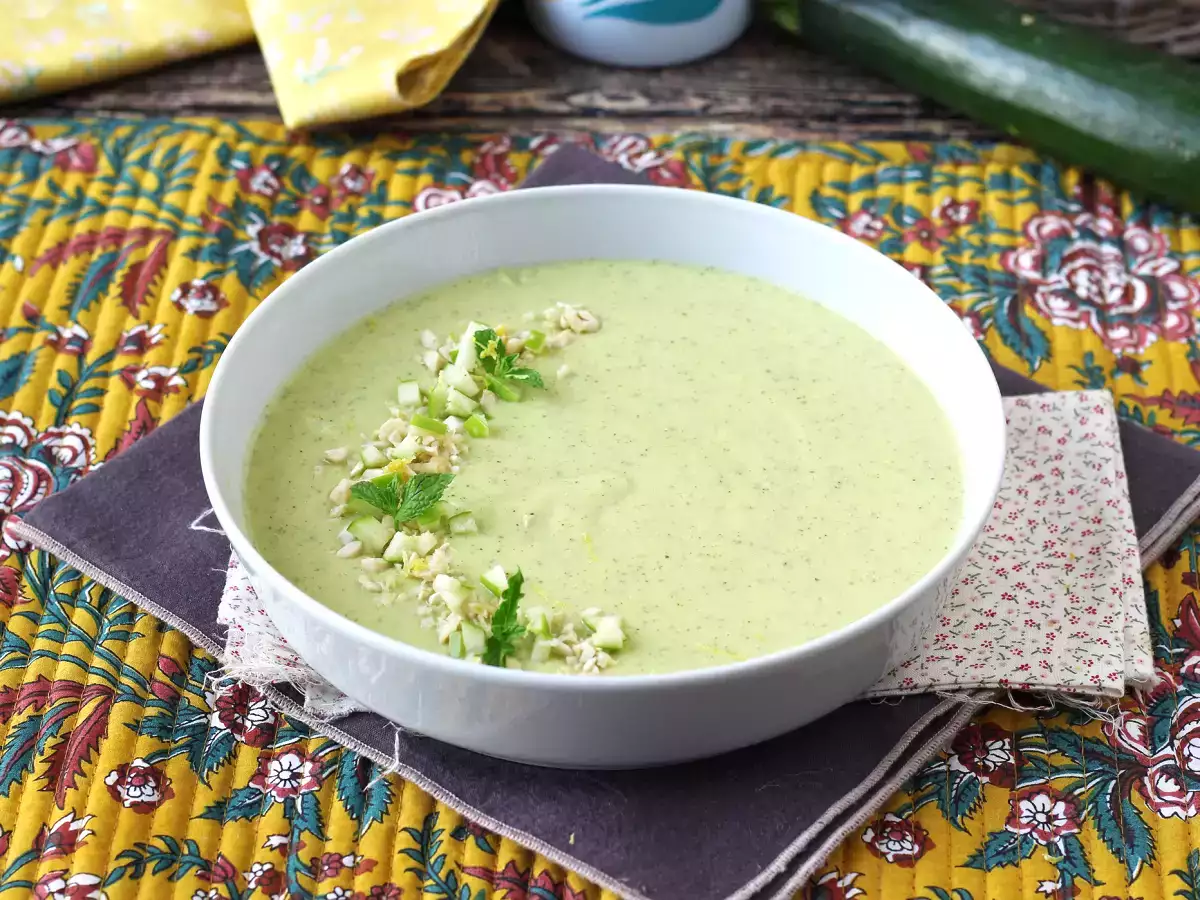
The zucchini rarely seeks the spotlight, but when it meets the fresh acidity of apple and the creaminess of yogurt , the story changes. Suddenly, the ordinary becomes an elegant, light dish full of nuances. This cream is not just a light soup: it is...
Clever recipes for using them without wasting anything
Stuffed zucchini is ideal. Its size makes it perfect for preparing a generous dish to share, with a flavorful filling. In a pasta sauce, it takes a back seat but adds a melt-in-your-mouth texture. And in pesto, it creates a mild, quick preparation that’s perfect for spreading or mixing with pasta.
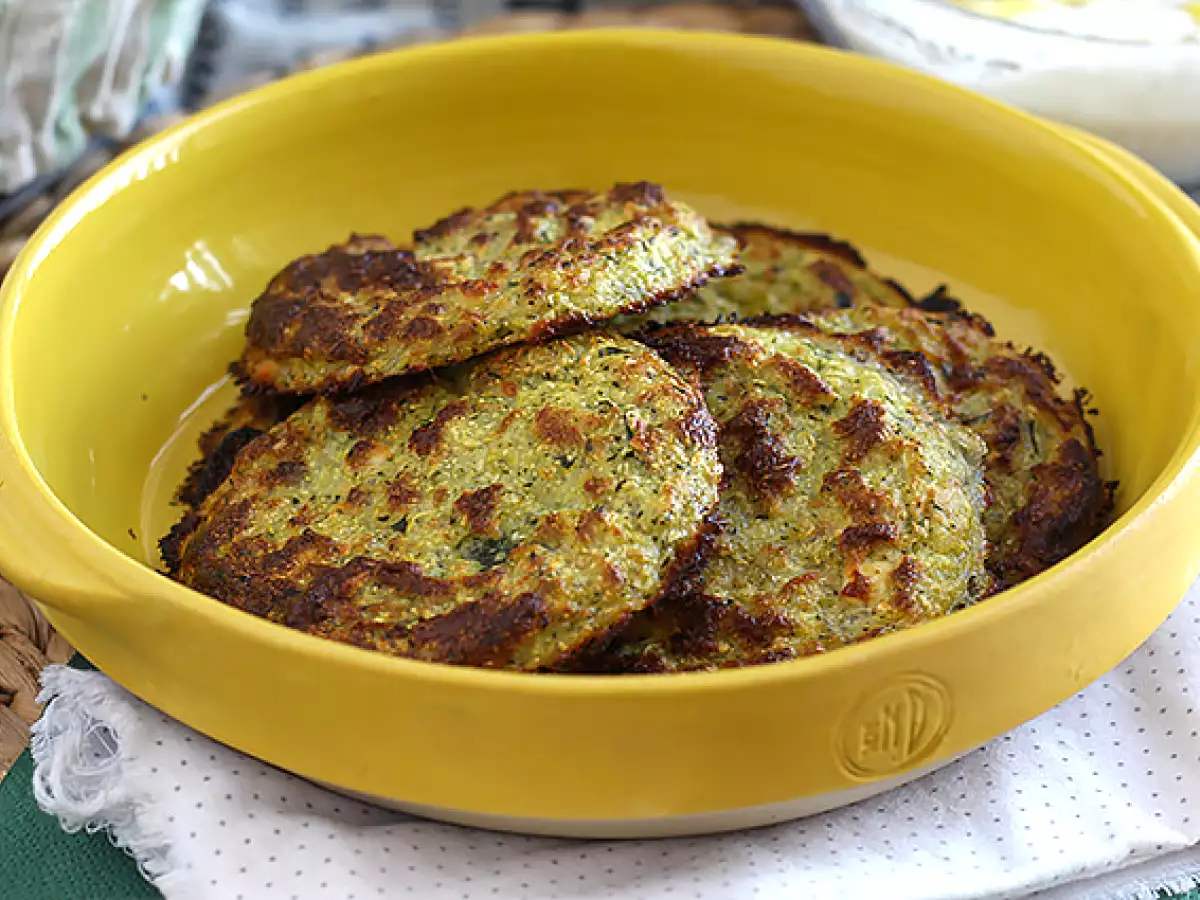
The whole family will surely eat their vegetables with these zucchini and feta patties. Super easy to make, you can even serve them as an appetizer with a yogurt sauce ;-) Otherwise, they will be perfect with a mixed salad for dinner. Follow our...
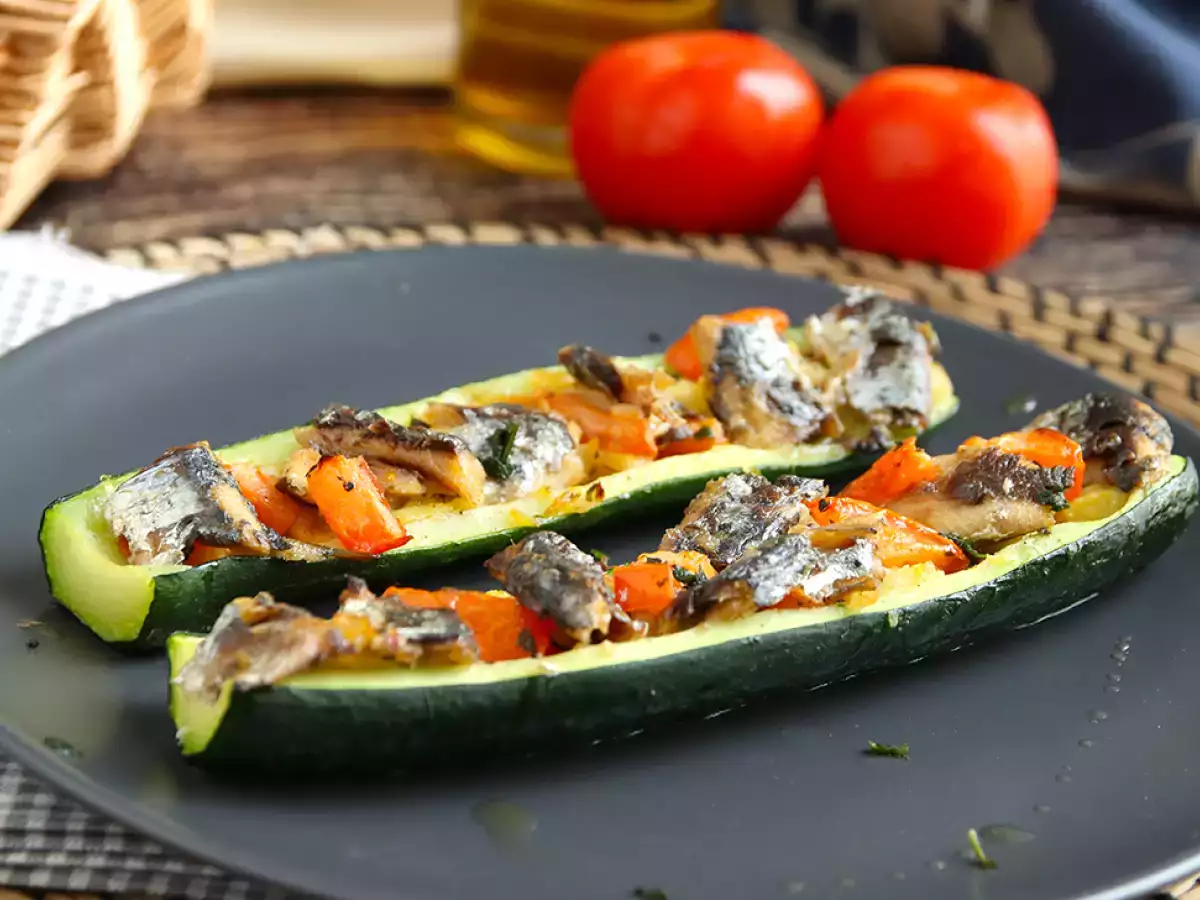
Easy and quick to make, this sardine-stuffed zucchini recipe is a must if you're looking for a low-calorie, very healthy meal rich in vitamin C and omega-3. It serves 4 and takes just 30 minutes to prepare. Like the suggestion? Then follow our...
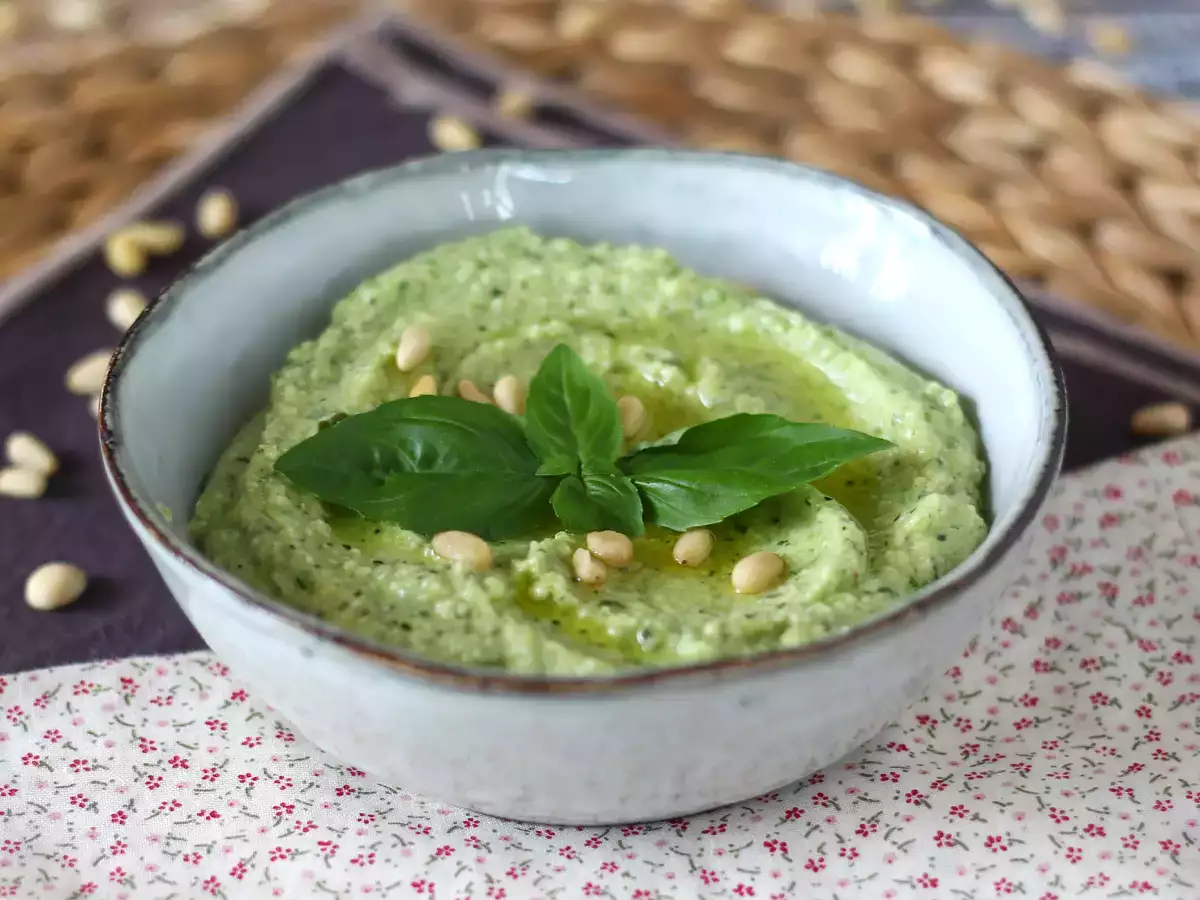
An easy-to-make, tasty savory cream. Zucchini pesto can be used on bruschetta, to fill sandwiches , or as a pasta sauce: we used it to dress a delicious pasta salad . What makes this recipe special is that the zucchini is raw , so you won't even...
What if it's really huge?
When a zucchini grows to a truly spectacular size, you sometimes have to change your approach. Peel it if the skin is too thick, remove the seeds, then use the flesh in recipes where it will blend in well: savory muffins, baked omelets, fritters, vegetarian patties, or air fryer dishes.
It’s also a great way to get people to eat vegetables without making them feel like they’re being served “zucchini again.” Once grated and mixed with eggs, cheese, potatoes, or herbs, it becomes much more delicious.
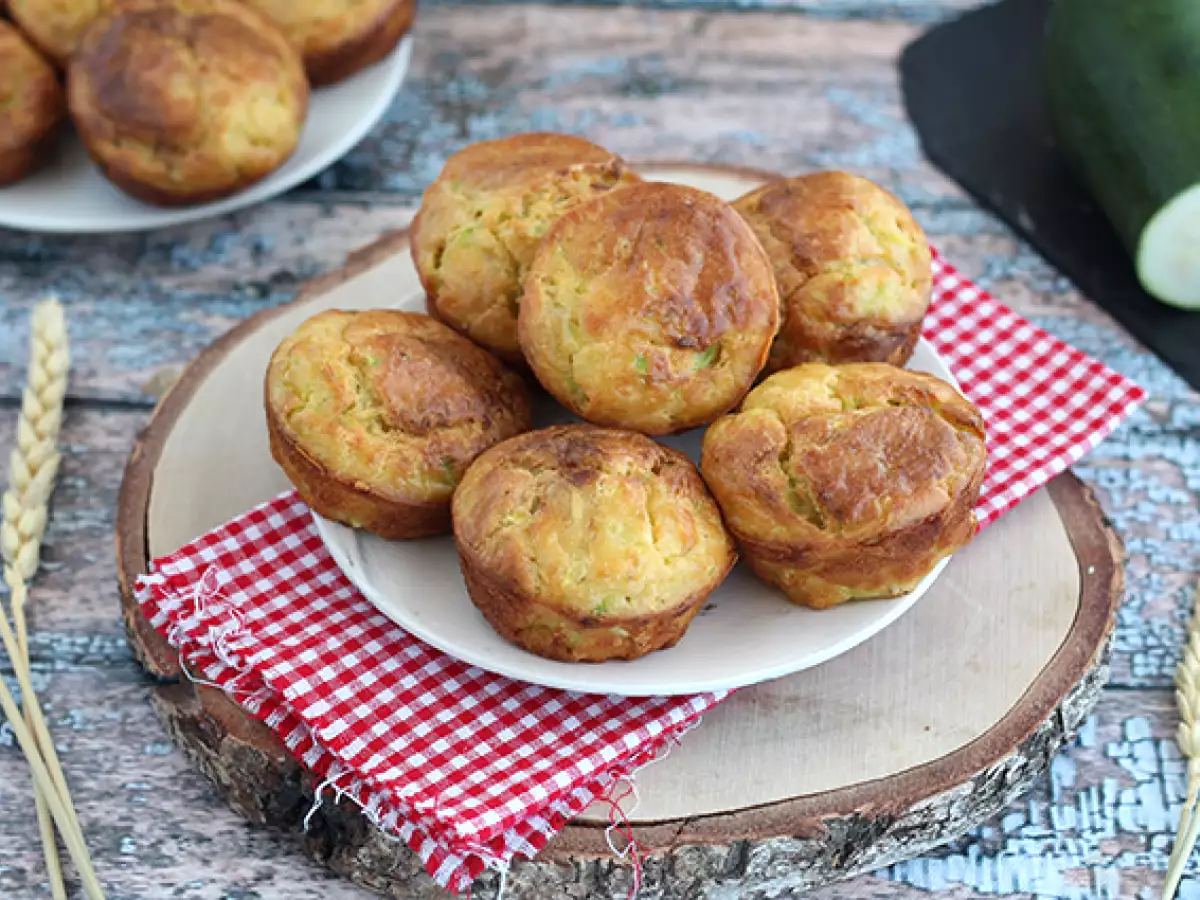
For appetizers, try these savory and vegetarian muffins. A very easy recipe to make and ready in no time. Thanks to the addition of zucchini and goat cheese, this recipe will also be perfect for getting the whole family to eat their vegetables ;-)...
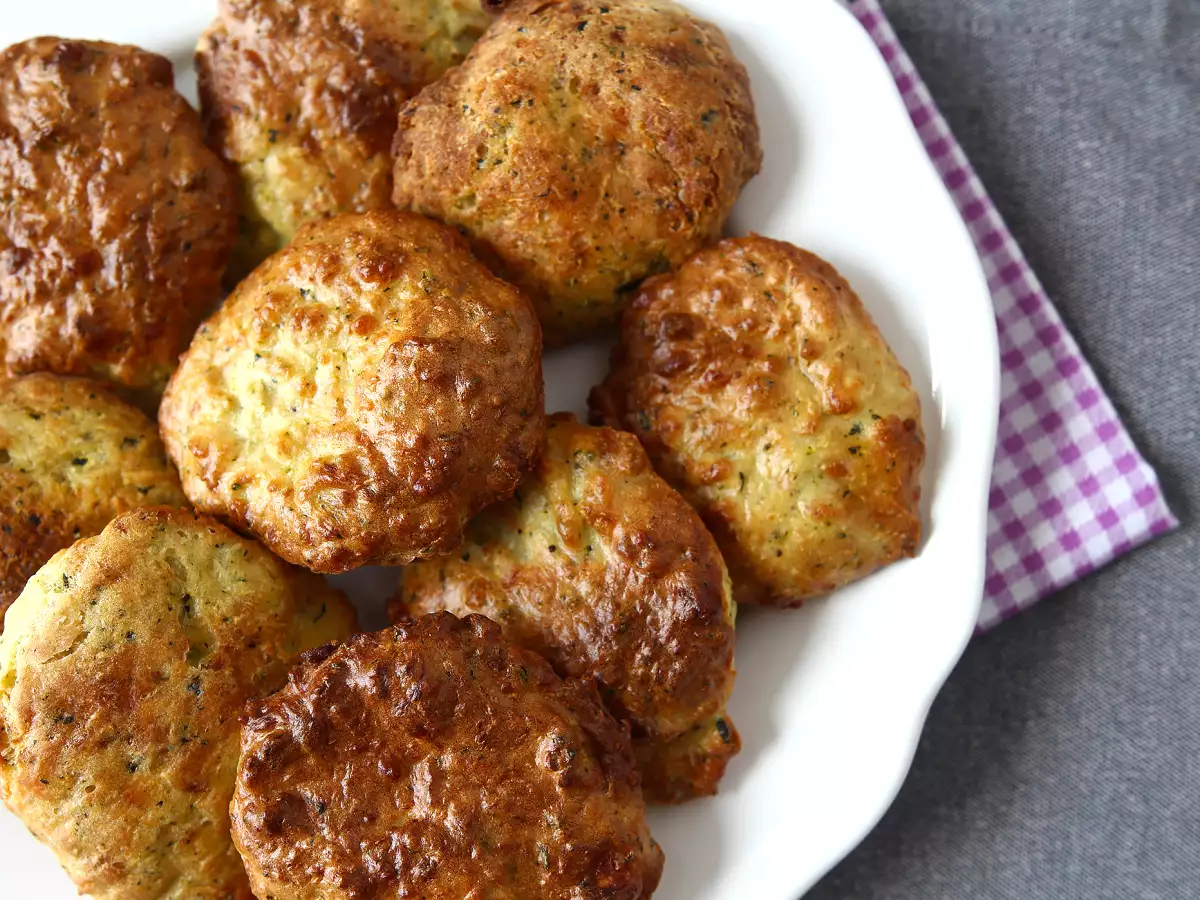
Looking for a new way to enjoy zucchini? Try our zucchini fritters cooked in the air fryer , served with yogurt and feta sauce ! These fritters are ultra-crispy on the outside and fluffy on the inside—a perfect recipe for getting kids to love...
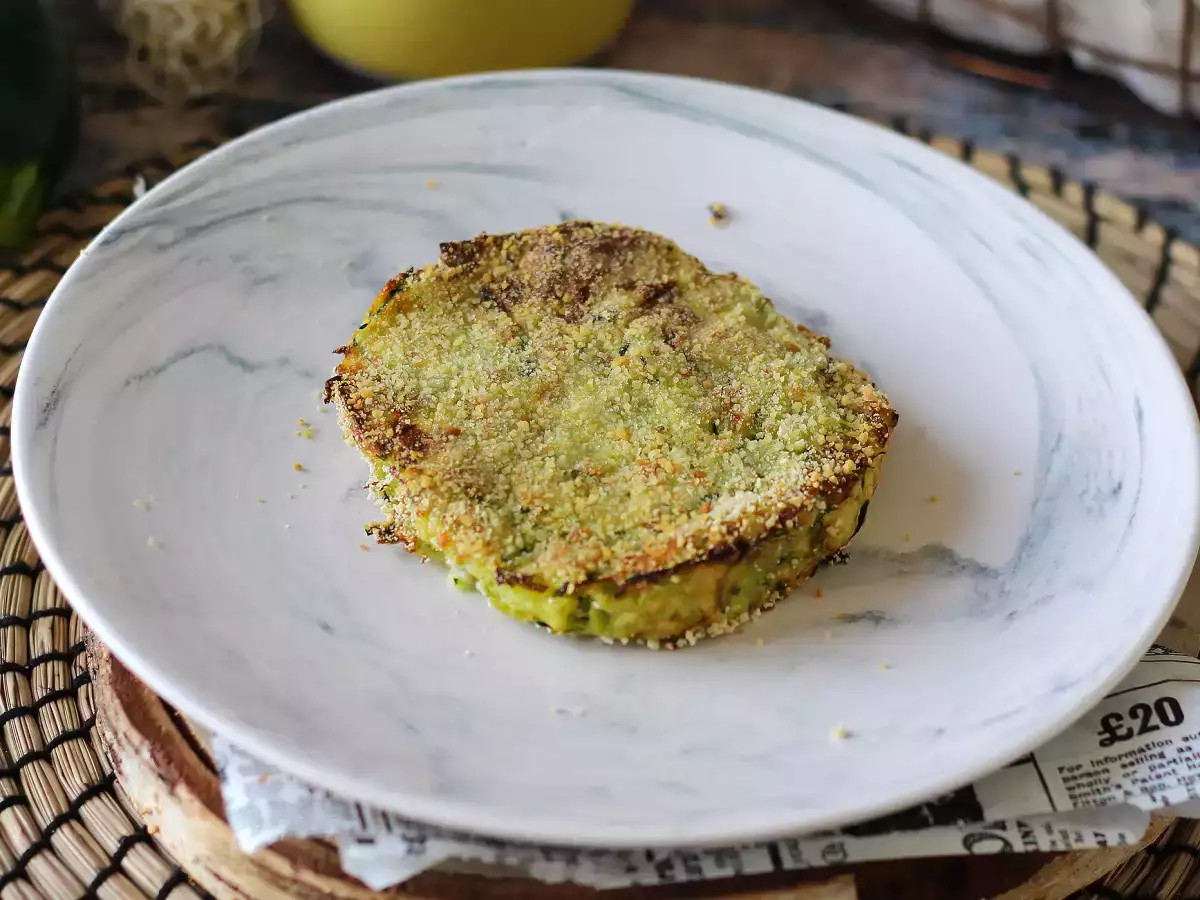
A simple, healthy, vegetarian recipe. These zucchini and potato patties cooked in an air fryer win you over with their special texture: a crispy crust and a moist interior that melts in your mouth. These vegetarian patties have a mild flavor and...
What you should avoid
Also avoid adding them directly to a tart without precooking them. They could make the crust soggy. Sauté them for a few minutes in a skillet or lightly salt them before draining. Same goes for gratins: if the zucchini is very watery, a quick pre-cook makes all the difference.
The bottom line? Yes, you can eat an oversized zucchini, as long as it’s healthy and not bitter. You just need to find the right way to prepare it: stuffed, grated, pureed, simmered, or nicely browned. In the end, that zucchini left behind in the garden might not have been a mistake… but a great excuse to cook :)
 Adèle Peyches
Comments