11 cool, creamy cold soups beyond gazpacho to help you eat better in scorching hot weather
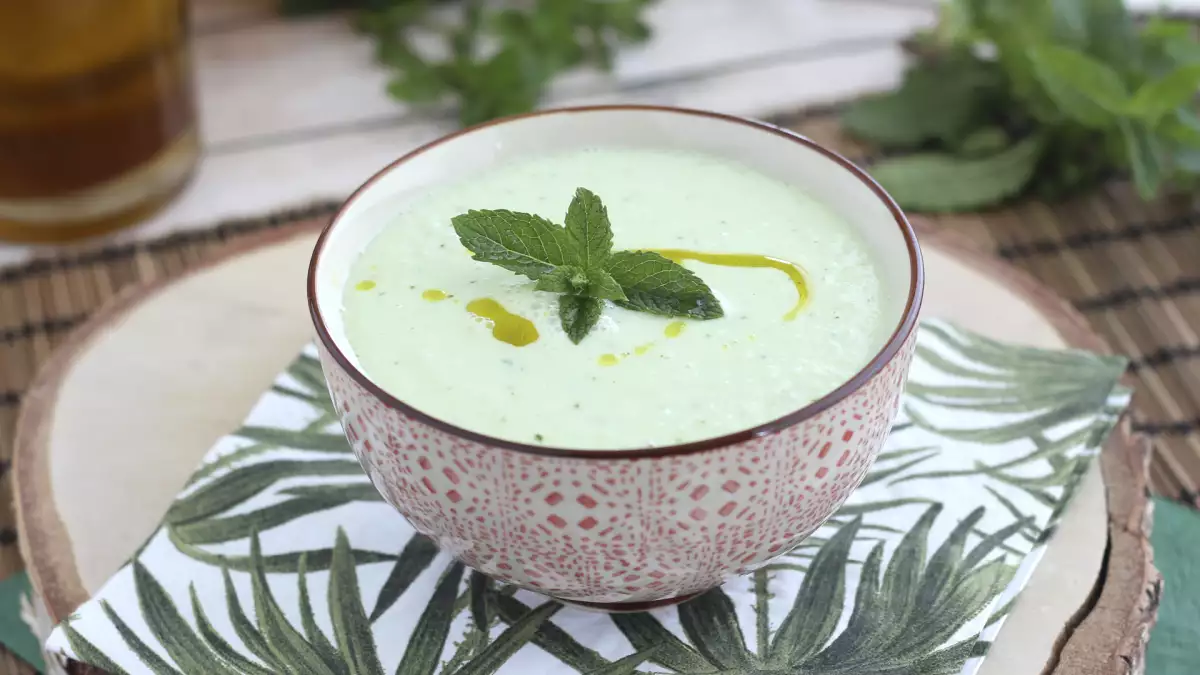
I don’t know if it was the same in your homes, but in mine, for years, when summer rolled around, cold soups seemed to boil down to just two names: gazpacho and salmorejo. Everything else fell into a somewhat confusing category, as if cooling down the vegetable soups we loved so much in winter couldn’t also turn them into a delicious summer soup. And sometimes, it can.
That’s when the repertoire of cold soups and creams becomes much broader, because there are recipes that work perfectly at different times of the year. In the colder months, they’re enjoyed warm or hot; when temperatures rise, they can be served well chilled, as long as they incorporate seasonal ingredients and the texture, dressing, and flavor are adjusted accordingly.
The key is understanding that not all cold soups are prepared the same way. There’s a large category that starts with raw ingredients ( blended and seasoned) where freshness, oil, vinegar, bread, or nuts take center stage. And there’s another category that begins on the stove: vegetables cooked gently, then pureed and chilled until they become smooth, clean, and very pleasant to eat.
This distinction, rather than being merely an academic classification, is very helpful in the kitchen. You don’t approach a gazpacho the same way you would a cold carrot soup. You don’t adjust a salmorejo the same way you would a vegetable soup that’s going to be served cold. And you don’t serve a cucumber soup with yogurt the same way you would a carrot, potato, and leek soup. They may all end up in the fridge, but they don’t all get there the same way.
No-cook cold soups: freshness, flavor, and texture
Cold soups made with raw ingredients are the quickest to prepare and, at the same time, the least forgiving when it comes to an imbalance in flavors. This category includes gazpacho, salmorejo, cucumber-and-mint soup, and dishes like ajoblanco, which isn’t cooked but requires a well-blended emulsion.
In this group, the flavor depends heavily on the quality of the ingredients and the seasoning. The tomato must taste like tomato, the cucumber shouldn’t overpower everything, and the vinegar needs to lift the whole dish, not make it taste like a jarring jolt. Here, olive oil doesn’t function merely as a fat: if incorporated properly, it helps create an emulsion and gives a rounder texture.
Bread, nuts, or hard-boiled eggs serve another important function: adding body. Gazpacho can be more liquid and drinkable; salmorejo, on the other hand, needs thickness. Ajoblanco relies on almonds to achieve that white, smooth, and rich texture. A cucumber soup can be lightened with yogurt, lemon, and mint, but if left too runny, it loses its charm.
These soups can stand for a while, but they don’t always need to sit in the fridge for hours. Some, like gazpacho, benefit from being chilled thoroughly so the flavor can settle. Others, especially those containing fresh herbs or avocado, are best prepared closer to serving time so they don’t lose their color or freshness.

When temperatures rise, gazpacho quickly becomes a must-have. But this time, we’re giving it a seasonal twist with an ingredient (which, admittedly, you wouldn’t necessarily expect in a cold soup): strawberries ! Paired with tomatoes, they add a...

Do you love Spanish gazpacho? You will adore Salmorejo! Hailing from Cordoba (southern Spain), this thick and frothy cold tomato soup will tantalize your taste buds as an appetizer or starter. An extra-easy recipe that requires no cooking and only a...
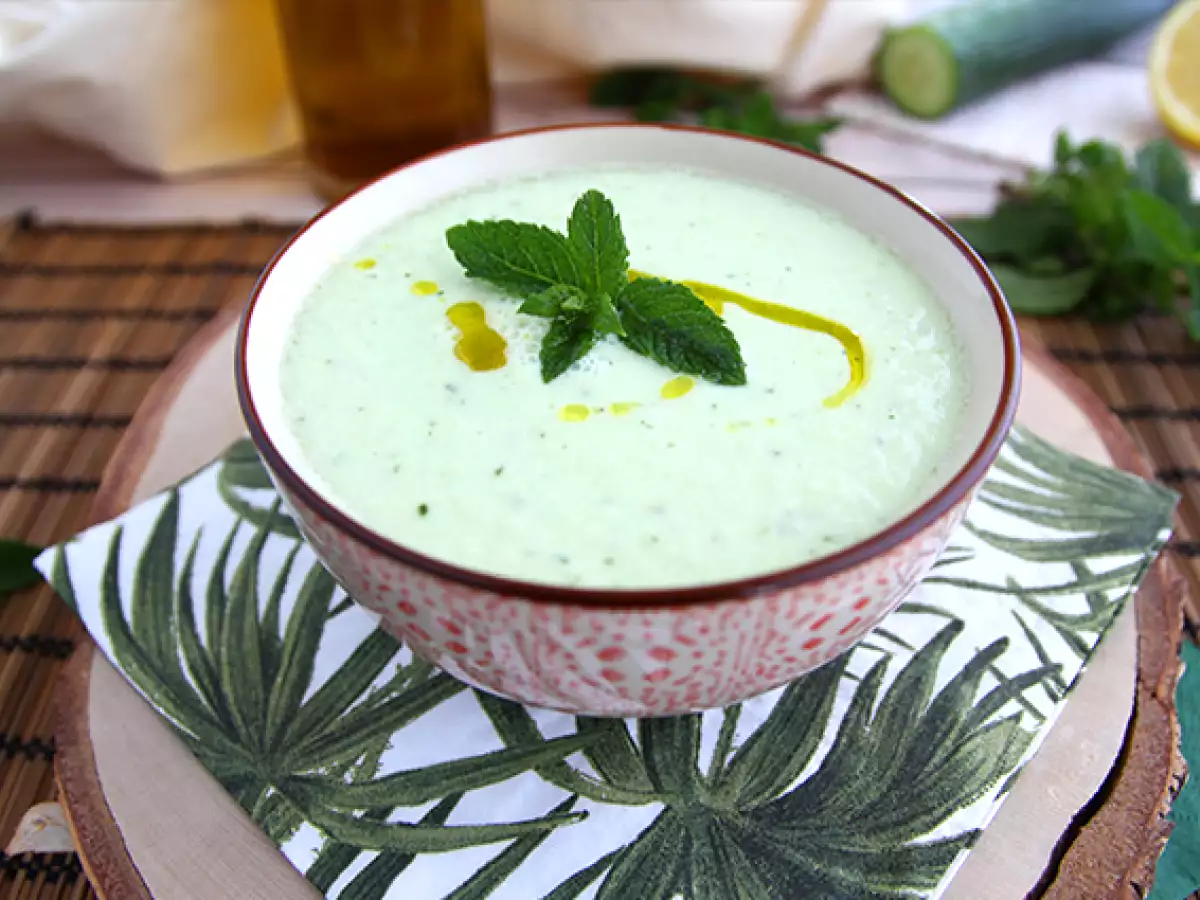
To cool off at the start of a meal, nothing beats a good chilled soup! Today, cucumber takes center stage, paired with mint and fromage blanc for an extra-refreshing and flavorful result. As for difficulty, it couldn't be simpler. Just put all the...

A cold soup to enjoy on hot days! And for a change from traditional Spanish tomato gazpacho, try this radish and goat cheese combination :-) Easy to make, this no-cook recipe is also very quick. Just put all the ingredients in a blender, blend, and...
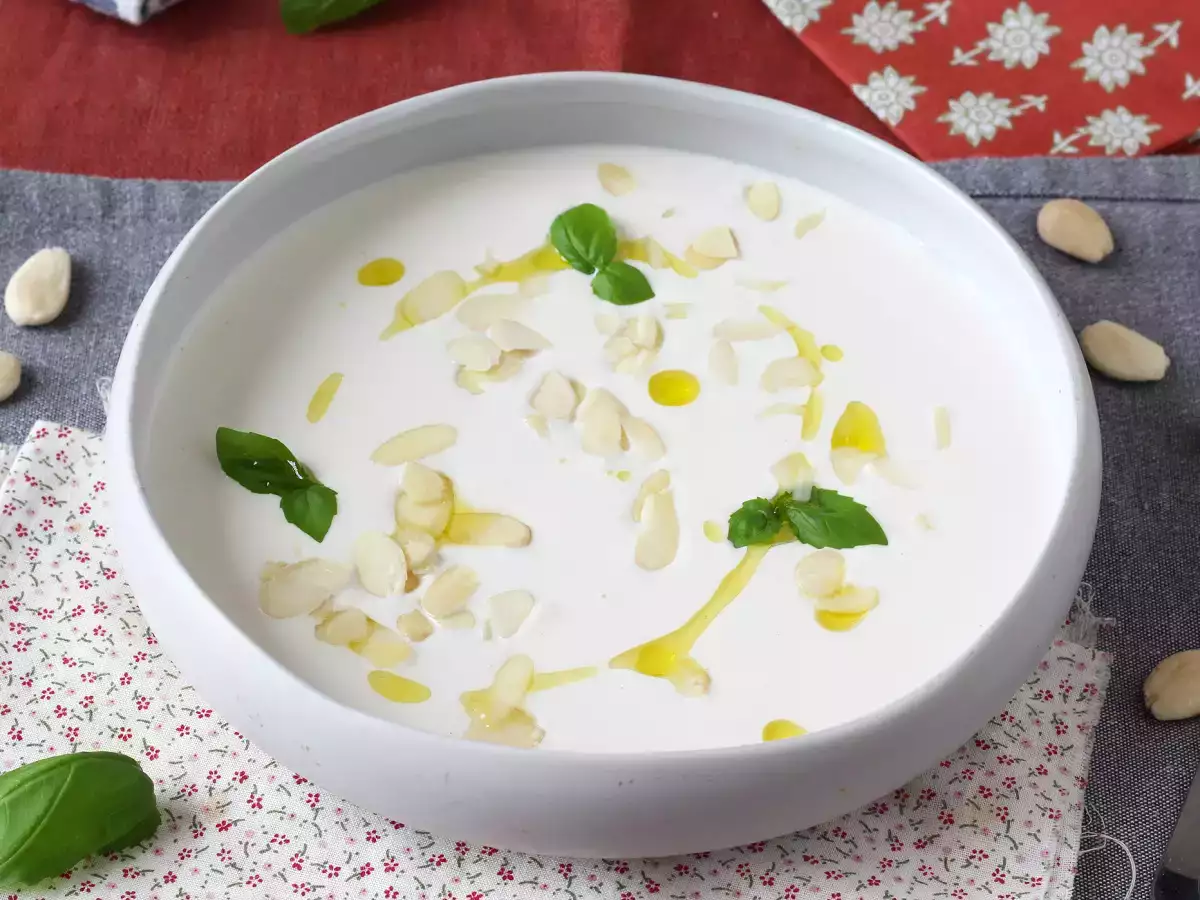
Don't let the name fool you: ajoblanco doesn't taste like garlic . This cold soup from southern Spain features raw almonds. Its delicate flavor and silky texture make it one of the most refreshing dishes of summer. A relative of gazpacho and...
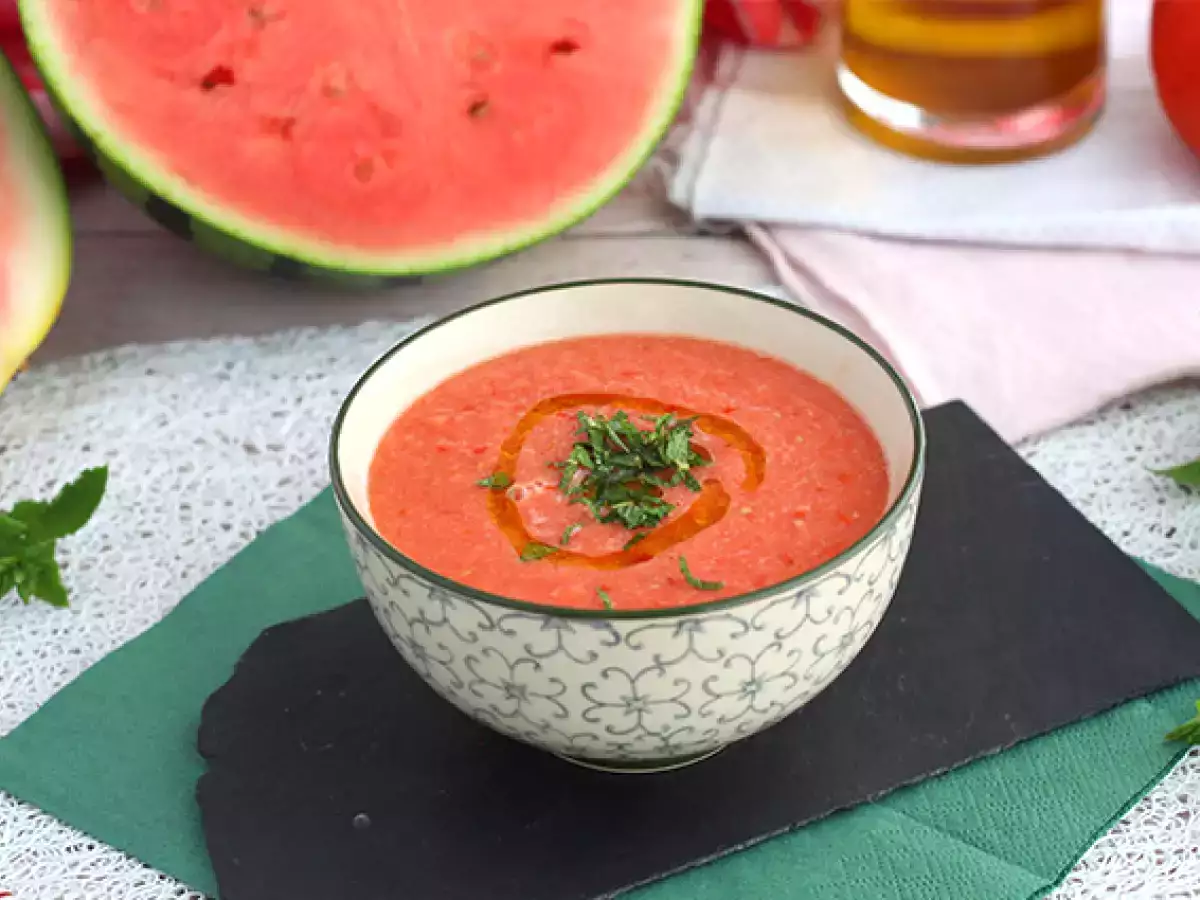
A refreshing cold soup to start your meal on hot summer days—everyone loves it! Easy and quick to make, this recipe is accessible to all. Today, we suggest blending tomatoes and watermelon with a hint of olive oil. Serve it to your guests as an...
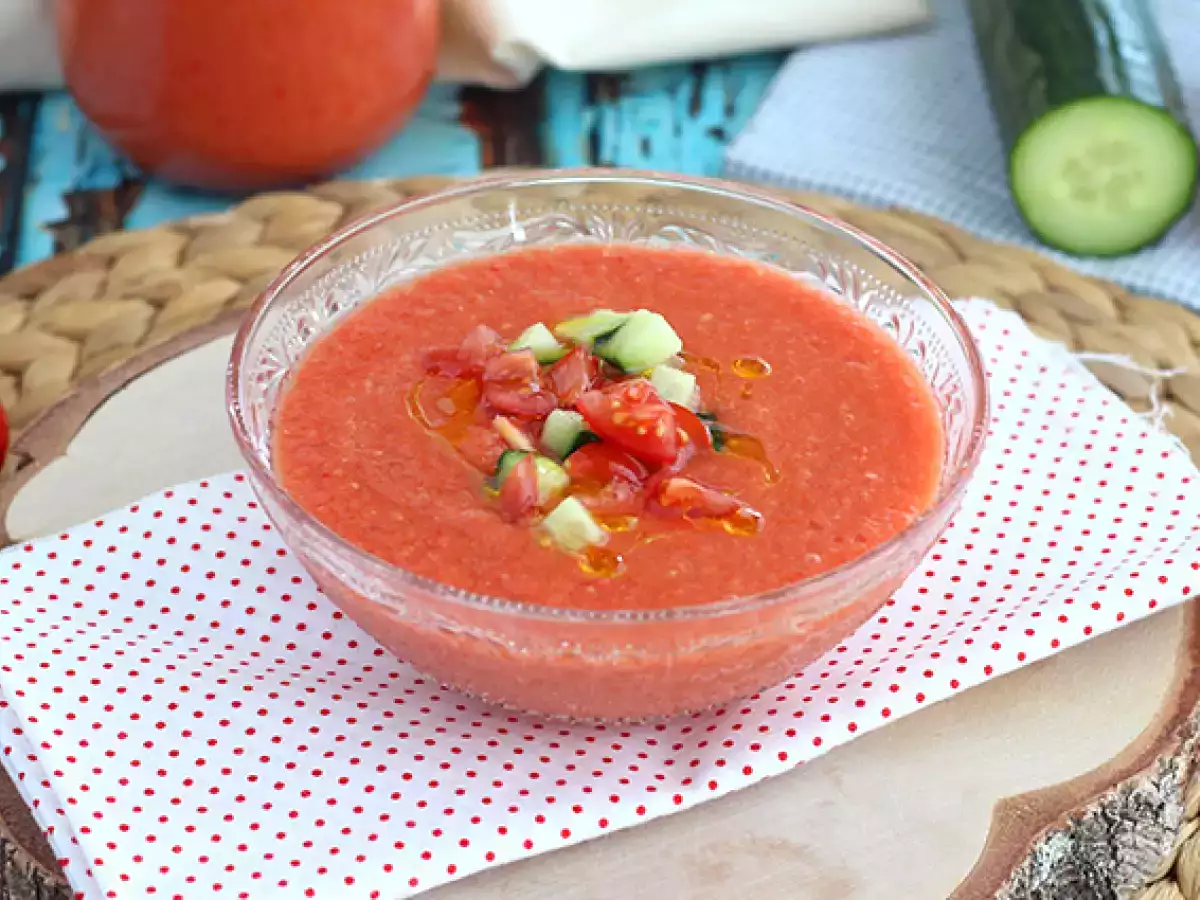
Cool off at the start of your meal with Spain’s famous cold soup: gazpacho! With juicy tomatoes, a touch of olive oil, and a little garlic to bring out the flavors, you have a fresh and tasty starter. Feel free to serve this gazpacho in small glasses...
Vegetable soups that are also good served cold
The other major category works differently. Here, it’s not just a matter of pureeing and chilling, but of cooking first. Some vegetable soups handle this change in temperature very well: hot, they’re comforting; cold, if balanced just right, they can become a smooth, light, and nuanced appetizer. Vichyssoise is the best-known example: leeks, potatoes, broth or water, gently cooked and finely pureed. But the same principle applies to a cold cream soup made with zucchini, carrots, beets, asparagus, or peas.
In these preparations, the flavor is developed before the soup goes into the blender. A leek that’s been sautéed just right (without browning too much) adds sweetness and depth. A potato cooked to perfection provides body without the need for too much fat. Zucchini, if cooked just right, retains a delicate, clean flavor profile. Carrots call for a touch of acidity or spice to keep the flavor from becoming flat.
Texture is key. A cold cream soup should be smooth and silky, without the heavy, mashed-potato-like consistency. To achieve this, it’s best to control the amount of liquid from the start and add more only if necessary. It’s better to adjust little by little than to have to fix a soup that’s too watery later on. Blend thoroughly, strain if you’re aiming for a more elegant finish, and allow plenty of time for cooling: these steps make all the difference.
These soups are usually best when prepared in advance. They need to be thoroughly chilled (not left lukewarm) especially when temperatures are high.
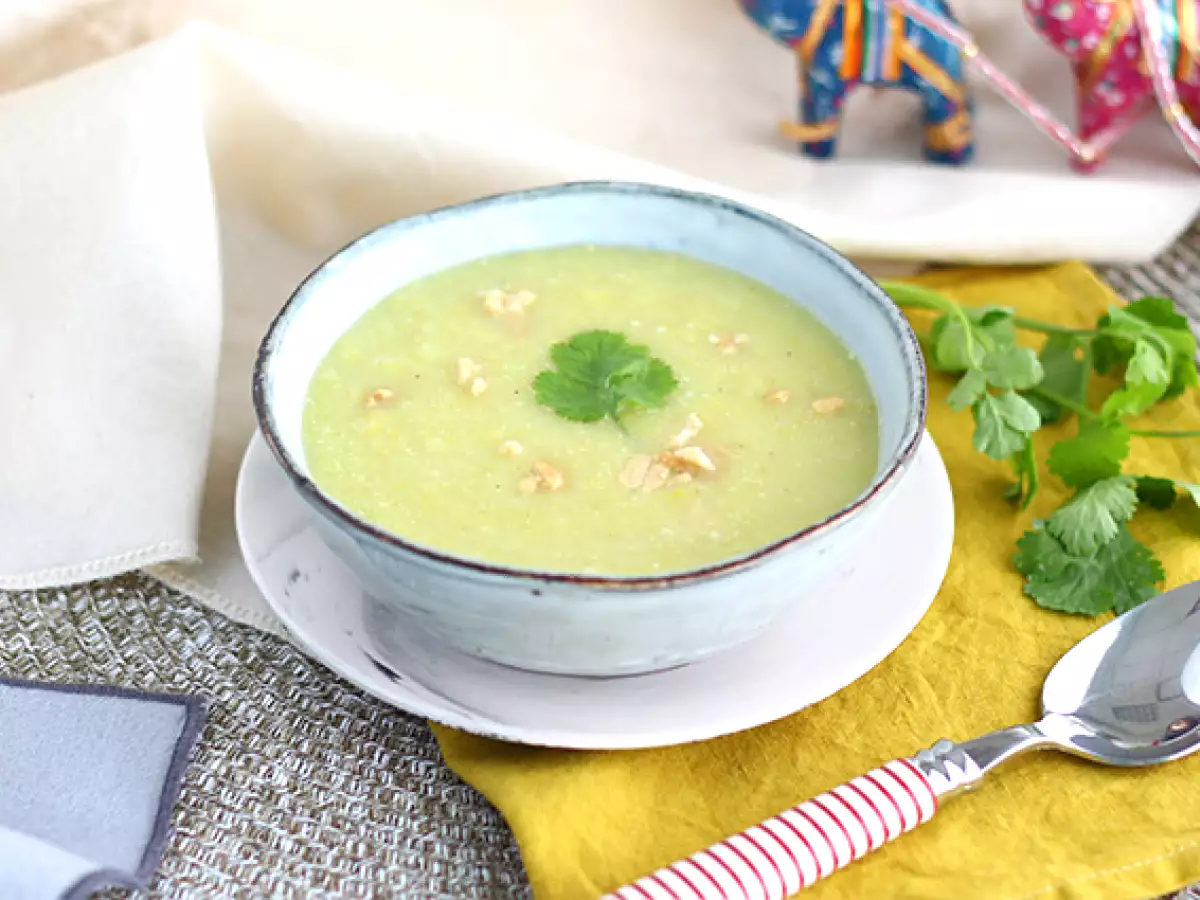
When you come home in the evening after a day in the rain and cold, the solution lies in dinner with this delicious leek, coconut, and curry soup! Creamy and very easy to make, it will bring sunshine into your home as well as a touch of the exotic!...
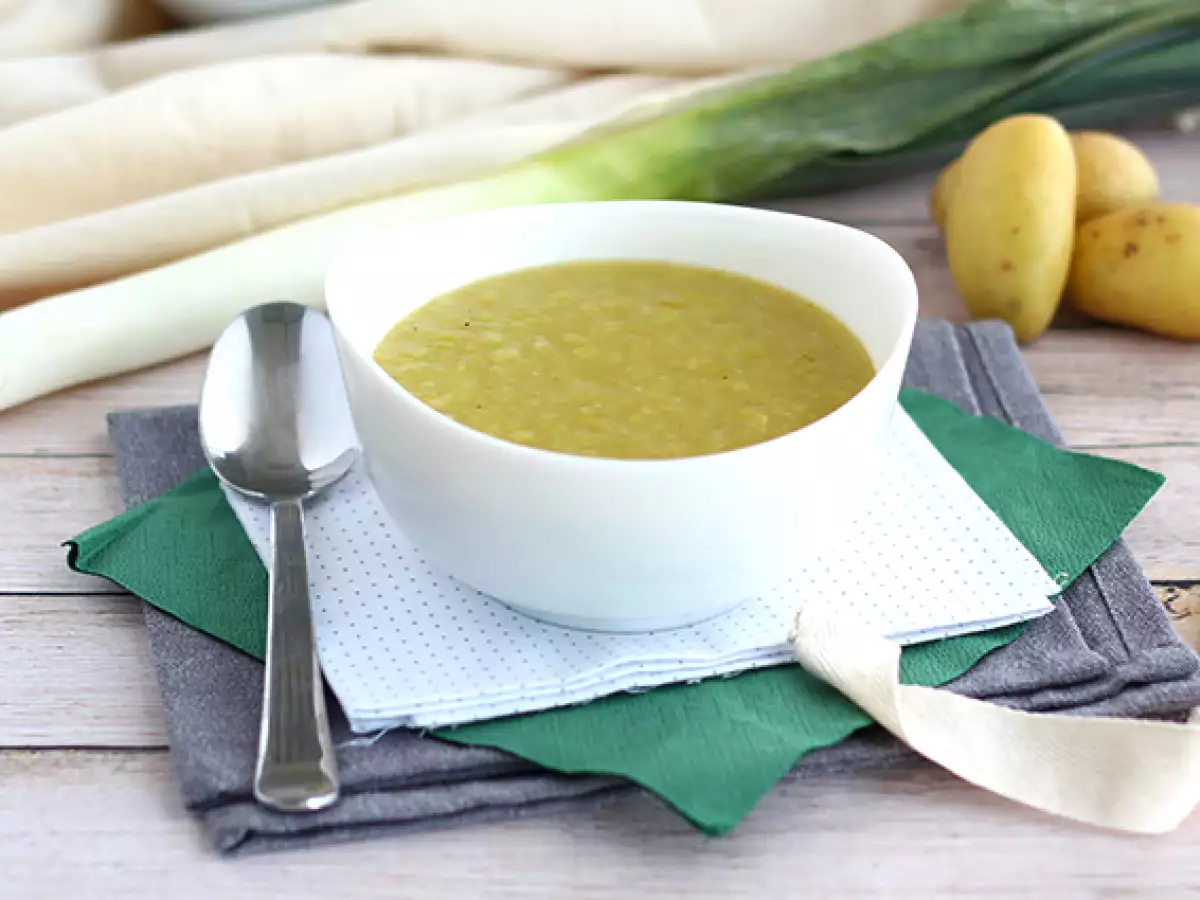
During the cold days of autumn and winter, nothing beats a good homemade soup to warm you up! Easy to make, it's also a great way to get plenty of seasonal vegetables. Try the combination of potatoes and leeks, and feel free to add some crunch with...
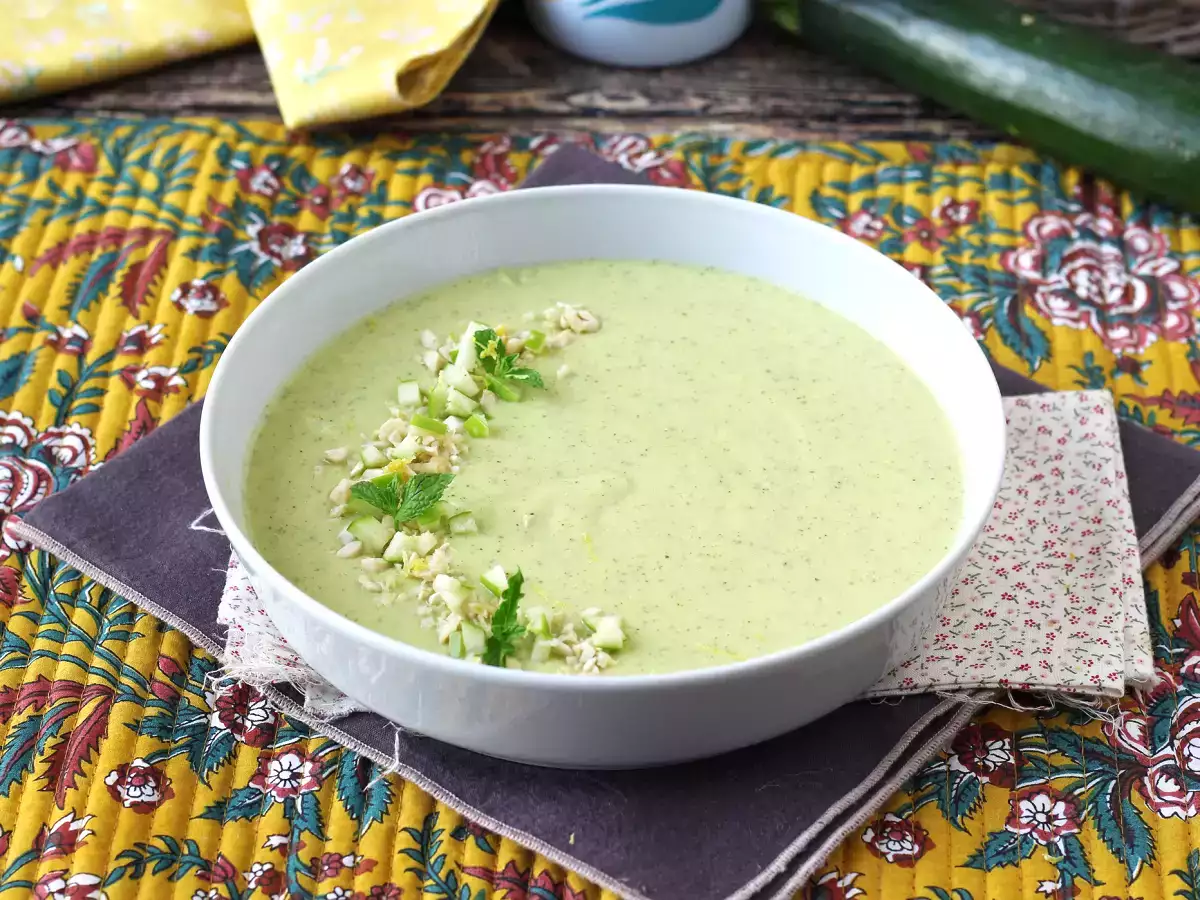
The zucchini rarely seeks the spotlight, but when it meets the fresh acidity of apple and the creaminess of yogurt , the story changes. Suddenly, the ordinary becomes an elegant, light dish full of nuances. This cream is not just a light soup: it is...
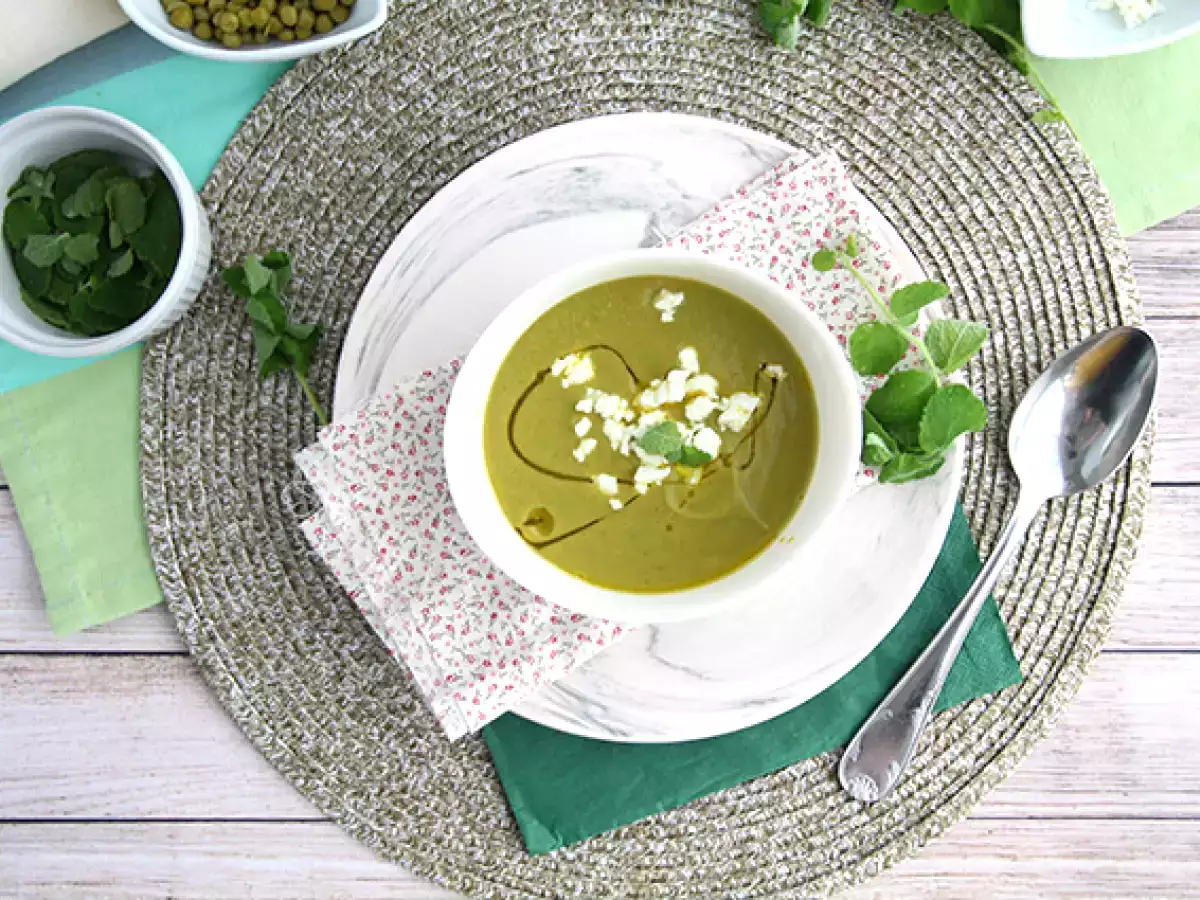
To enjoy soups even when it's hot, prepare them cold! Today, we offer you our quick and easy pea soup recipe. This no-cook recipe is perfect for serving in small glasses as an appetizer or as a refreshing starter for a meal.
Cold can change the taste
There’s one thing you should always keep in mind: cold temperatures dull your sense of taste. A soup that seemed well-seasoned when hot may taste a bit bland after being refrigerated. That’s why it’s important to taste it again right before serving.
Salt, acid, and herbs are the three most common adjustments. A little more salt can bring back its character. A few drops of vinegar, lemon, or lime can liven up a cream soup that’s become too mild. A few leaves of basil, mint, chives, cilantro, or parsley added at the end add aroma and a sense of freshness.
It also helps to think about contrast. A sweet carrot soup might call for yogurt, cumin, or lime. A tomato soup benefits from a drizzle of oil, pepper, and perhaps a touch of salt on top. A beet soup is enhanced by fresh cheese, kefir, or pickles. The goal isn’t to overload the dish, but to keep it from tasting flat.
How to serve them so they look like a complete meal
A cold soup can be transformed by what you put on top of it. A simple bowl can become a light meal if topped with a hard-boiled egg, tuna, sardines, ham, fresh cheese, toasted chickpeas, chopped nuts, seeds, croutons, fresh herbs, or a drizzle of good olive oil.
Temperature matters, too. They should be served cold, but not so cold that the flavor is numbed. A small glass can be a great way to start a meal; a more generous bowl, with a well-chosen topping, can make it a complete meal. That’s the beauty of cold soups. Are you ready to give them a try?
 Patricia González
Comments