Ladyfingers: the most decent shortcut for Holiday desserts without oven (and without effort)
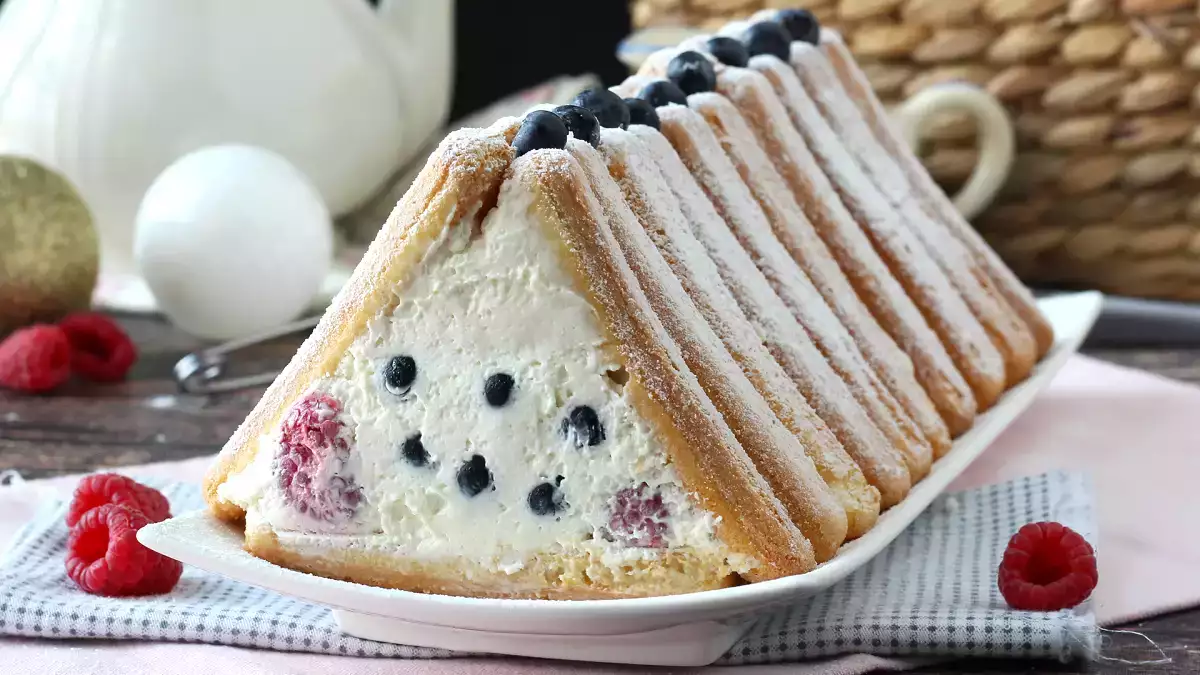
Around the holidays, the oven works overtime, everyone “improvises a little,” and for some mysterious reason the dessert is always the thing you remember last. By that point, you’re not chasing pastry-chef glory anymore; you just need a Plan B that doesn’t look like Plan B. That’s where ladyfingers quietly save the day. They’re low-effort, easy to handle, and when you layer them nicely, they give the impression that someone spent the whole afternoon “making dessert”… even if that afternoon was actually spent doing a hundred other things.
Homemade or store-bought?
At Christmas, almost everyone relies on at least one shortcut: store-bought puff pastry, frozen appetizers, prepped sides… Ladyfingers are in the same category: if they’re good quality, they’ll carry your dessert without stealing your whole afternoon. And in no-bake recipes, the goal isn’t to complicate things, it’s to nail three basics:
- build clean layers,
- make a flavorful cream to tie everything together,
- and give the dessert enough time in the fridge to set.
If you buy ladyfingers at the supermarket, the big advantage is obvious: they’re ready the second you open the package. One third of the work is already done. To set yourself up for success, choose ones that hold up well when soaked (dry, but not so brittle that they fall apart instantly) and that are fairly uniform in size. That way your layers look neat, and the finished dessert looks more polished and intentional.
If you feel like making them from scratch, the upside changes: you get more aroma and a finer, more delicate crumb; especially when they’re freshly baked. It’s a lovely option when you have time and want to fuss over the details a bit. And yes, they’re surprisingly easy to make.
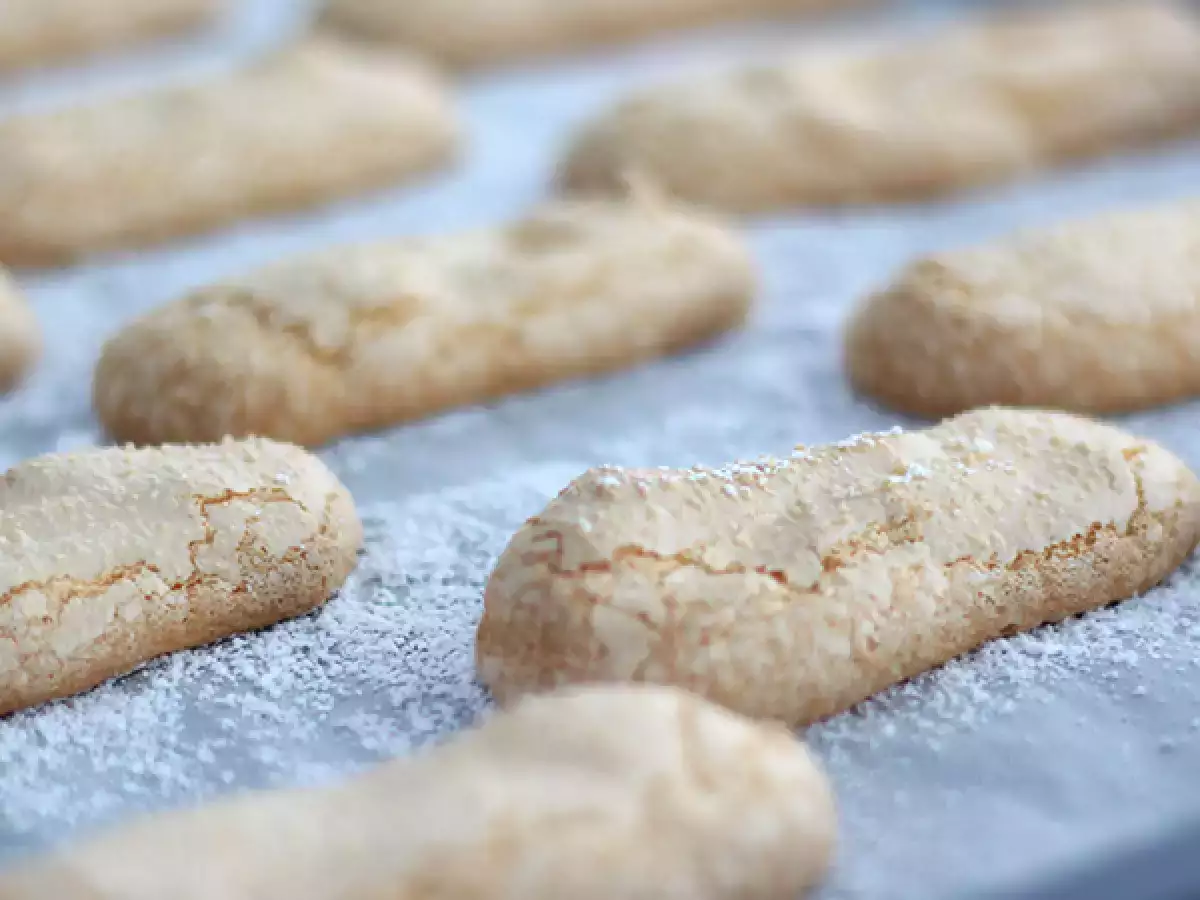
Everything is better when you bake it from scratch! So, if you are planning to bake a Tiramisu or a Charlotte, here is the simple recipe to make the famous lady fingers!
Either way, homemade or store-bought, what really decides the final result is how you soak them, the cream you pair them with, and the time you give them to rest in the fridge.
Why they’re perfect when you don’t want to overcomplicate things
The beauty of ladyfingers is that they act as the supporting cast, not the diva. They’re not there to be “the dessert” on their own; they’re there to hold it up: they soak just enough, turn tender as they sit, and happily let the cream and flavors you choose take center stage. That’s exactly what you want when you need something convincing without a three-page recipe.
- Porous texture: they soak quickly and meld with the cream—no oven, gelatin, or fancy techniques needed.
- Neutral flavor: they play well with coffee, cocoa, vanilla, citrus, chocolate, chestnut, berries… without fighting back.
- Modular assembly: dish, individual glasses, charlotte, or a “no-mold” log—the format can change, the method stays the same: layers, a good cream, and time to rest.
From there, the base recipe stretches to whatever you have on hand, the fruit that’s in season, or the flavors you’re craving. A charlotte doesn’t have to be strawberry; it can be mixed berries (frozen works), pear, or even something tiramisu-inspired.
Here is our selection of desserts with ladyfingers:
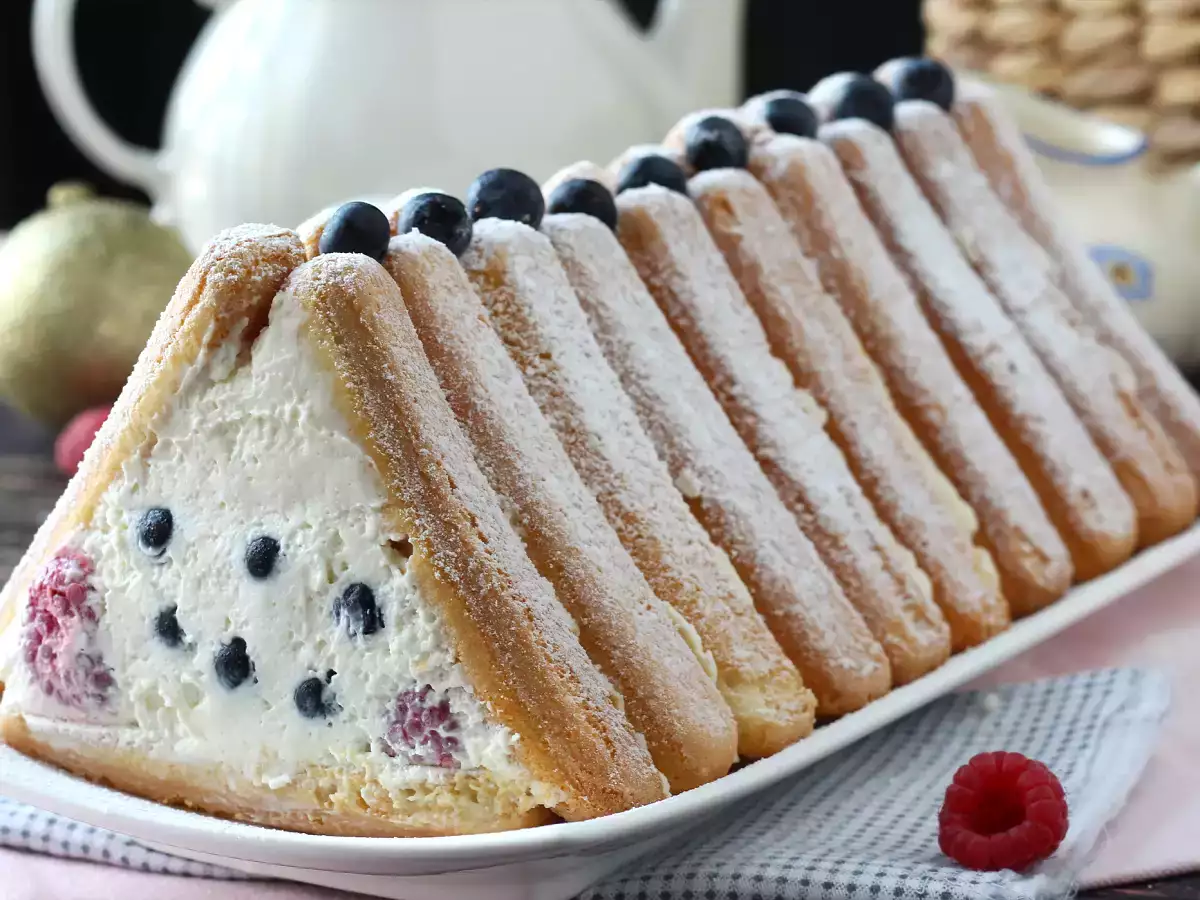
No mould for your Yule log ? No problem! This log is easily assembled by hand with ladyfingers, a light mascarpone cream and a generous raspberry and blueberry filling. The result is a fruity , creamy dessert full of freshness, perfect for ending a...
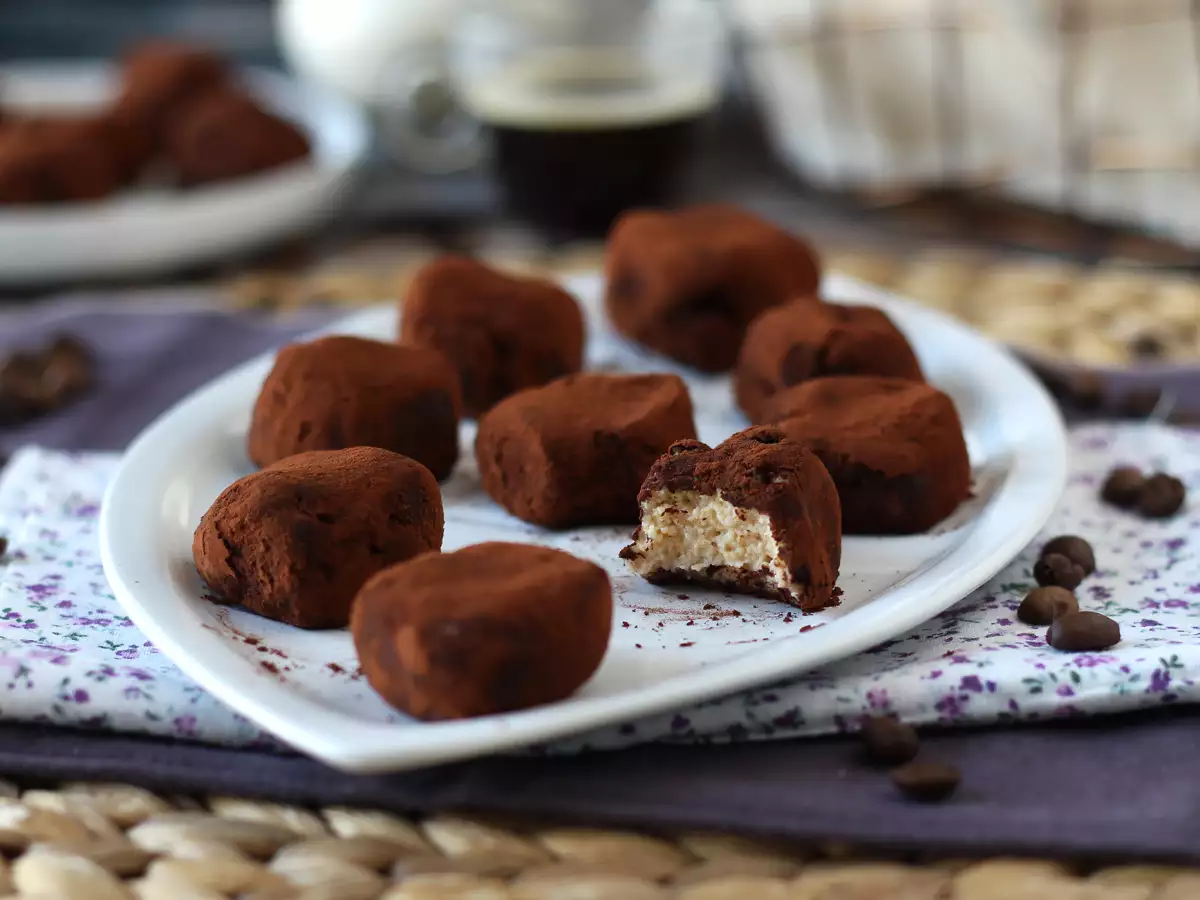
Alert to all tiramisu lovers, here are some completely addictive mignardises: rochers tiramisu-style :-) These little marvels combine everything we love in a classic tiramisu: a creamy mascarpone , a touch of coffee and a cocoa coating. Perfect for...
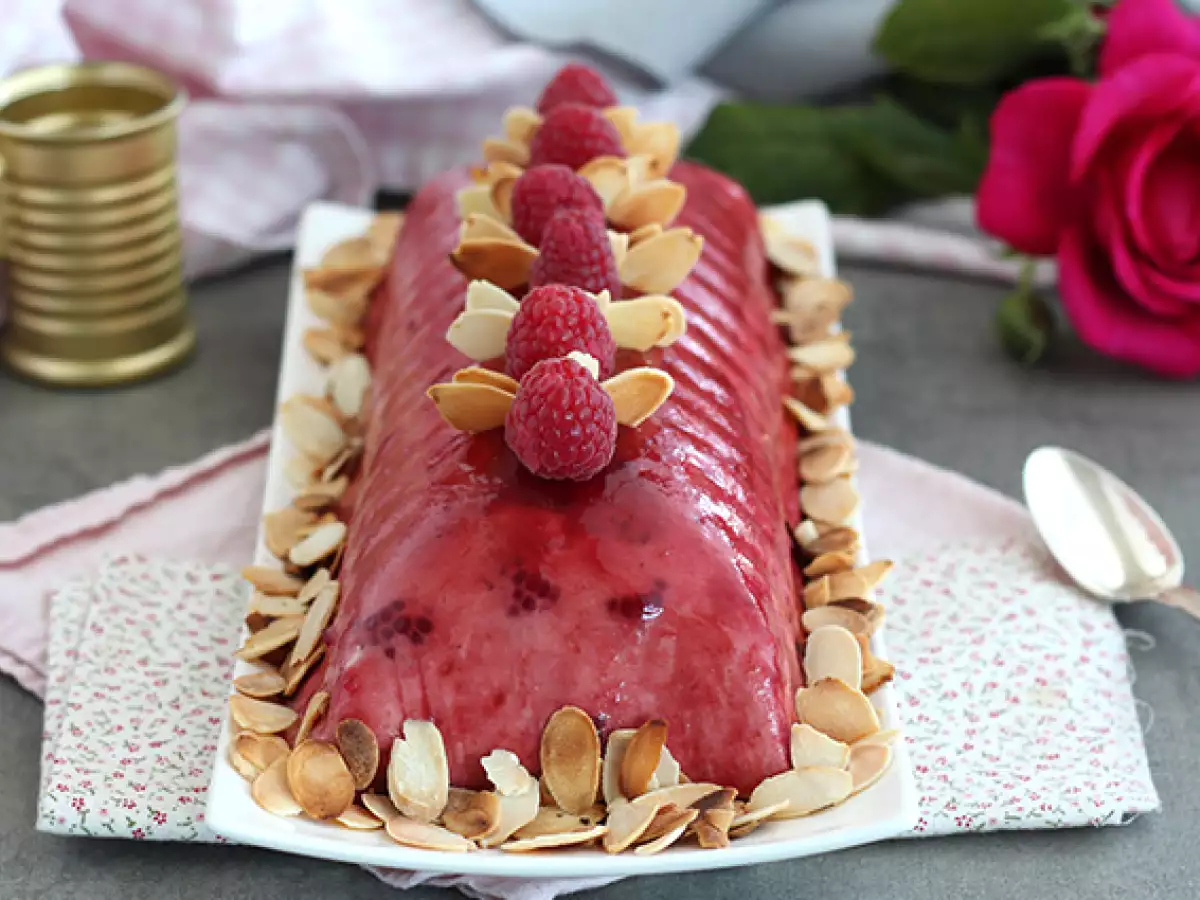
This year for Christmas, make your own cake log! With so much enthusiasm, the entire Ptitchef team decided to help you! Let yourself be tempted by our "Raspberry Tiramisu" log. Moist, fruity, and fresh, you'll delight your guests' taste buds for...
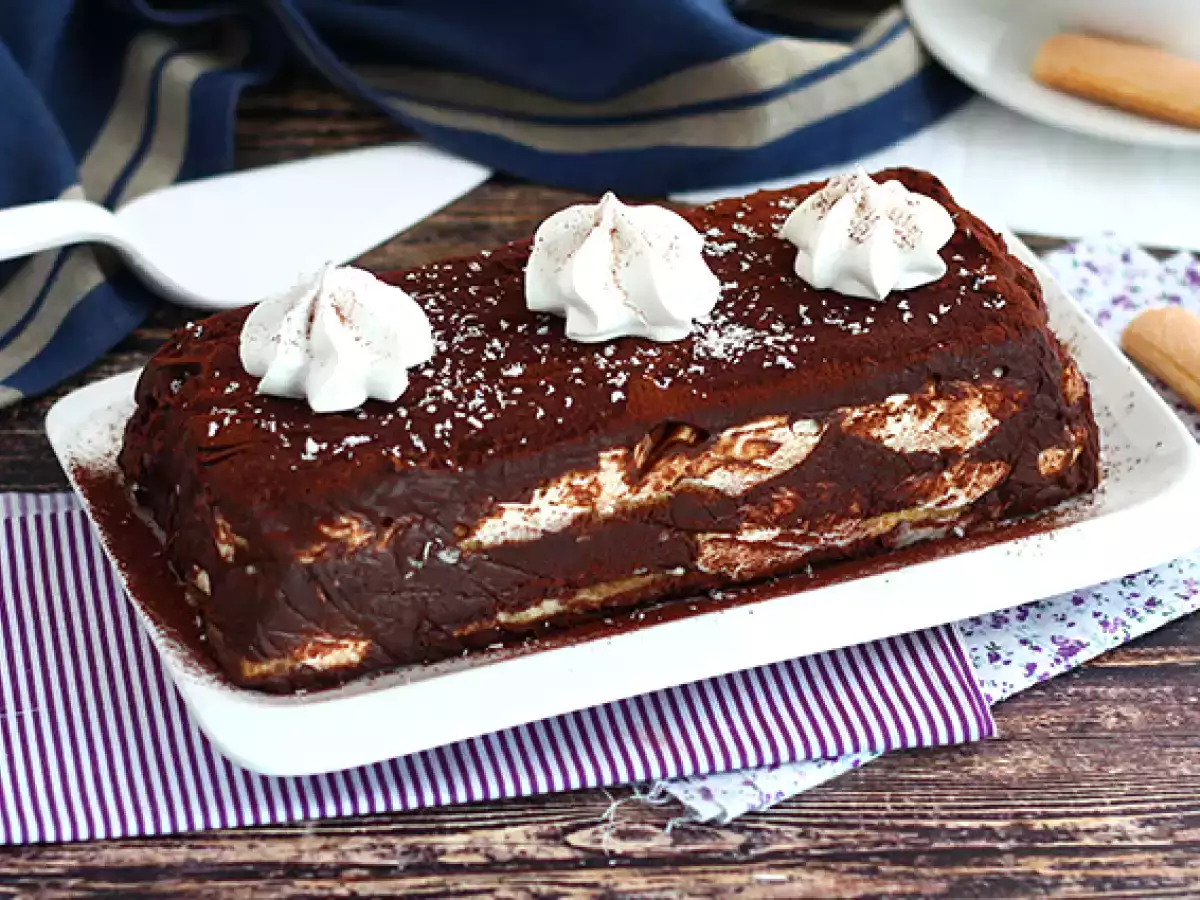
At Ptitchef, we can't resist a good tiramisu for dessert. Even at Christmas, we can't do without it thanks to our tiramisu log recipe! A simple idea that will bring a bit of Italy to your festive meal! Tested and approved by the whole team, we provide...
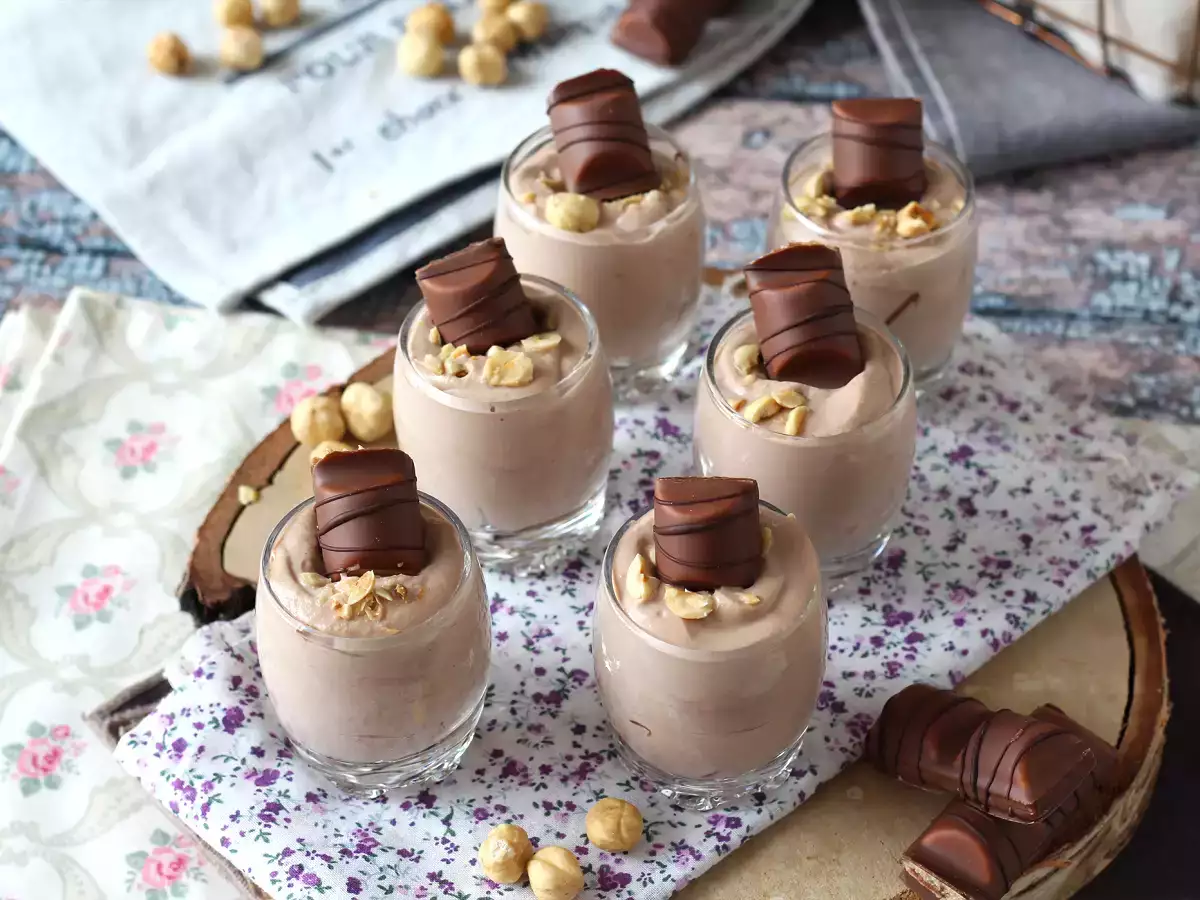
Here we are fans of Kinder Bueno sweets... we already made the homemade spread , a cheesecake and many more recipes. So today get ready to give in to temptation with our irresistible recipe for Kinder Bueno verrines! Our secret for a perfect...
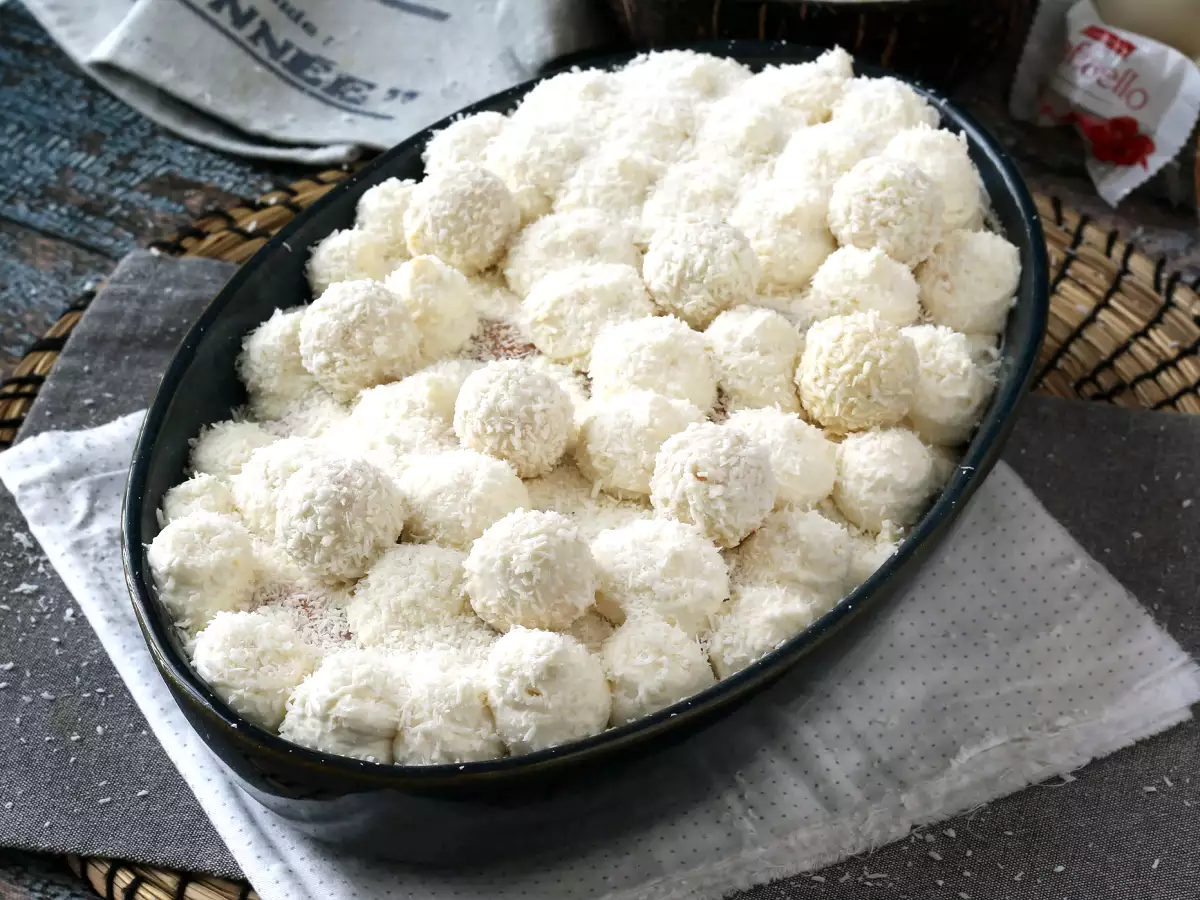
Our love for coconut desserts is no longer in doubt... In verrines , in rolled cakes or even in flans , this sweet fruit adapts to a whole host of sweet recipes that we love! And yet today, we think we have found our favorite coconut dessert:...
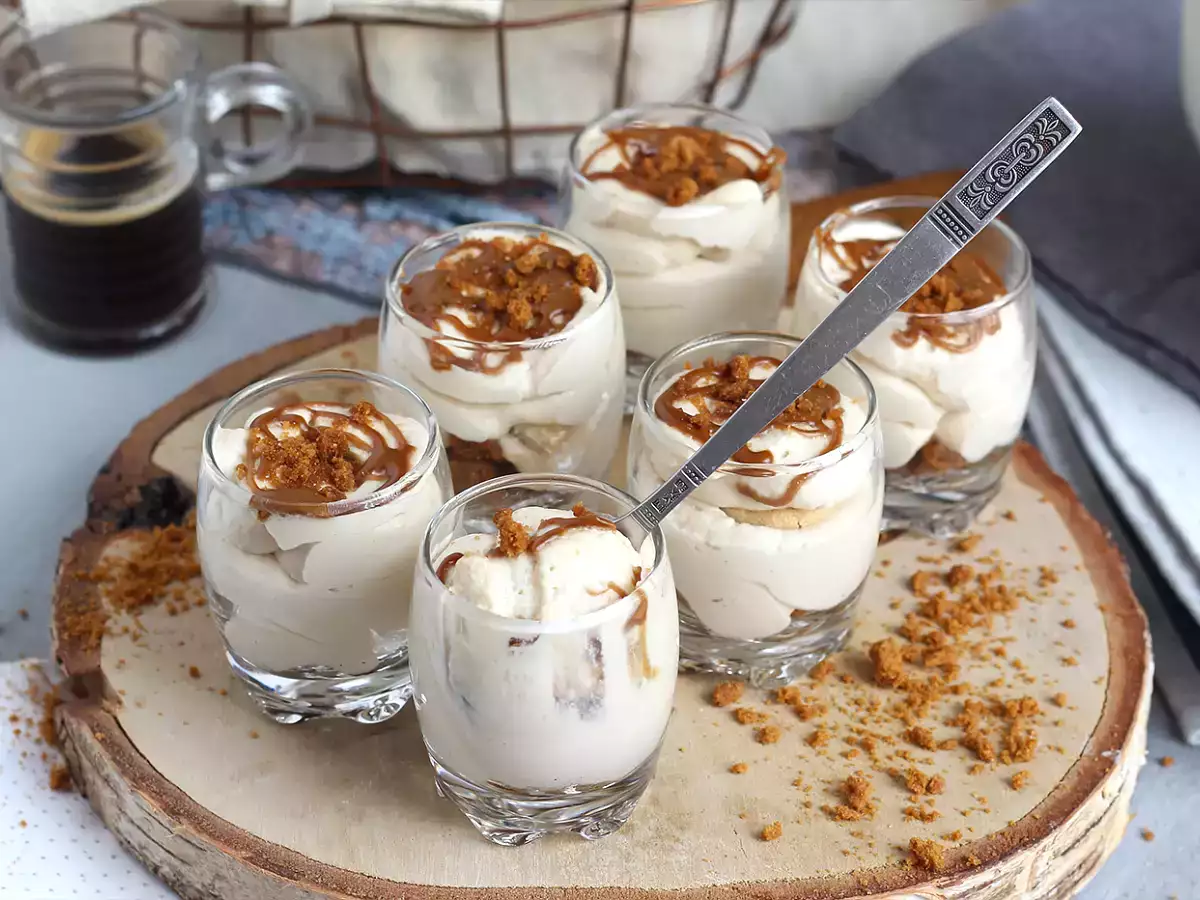
Usually, we enjoy speculoos cookies with coffee at the end of a meal. It's impossible for us to resist this little crunchy biscuit. So, when the cake was replaced by these verrines, our hearts nearly skipped a beat! And you, will you be able to resist...
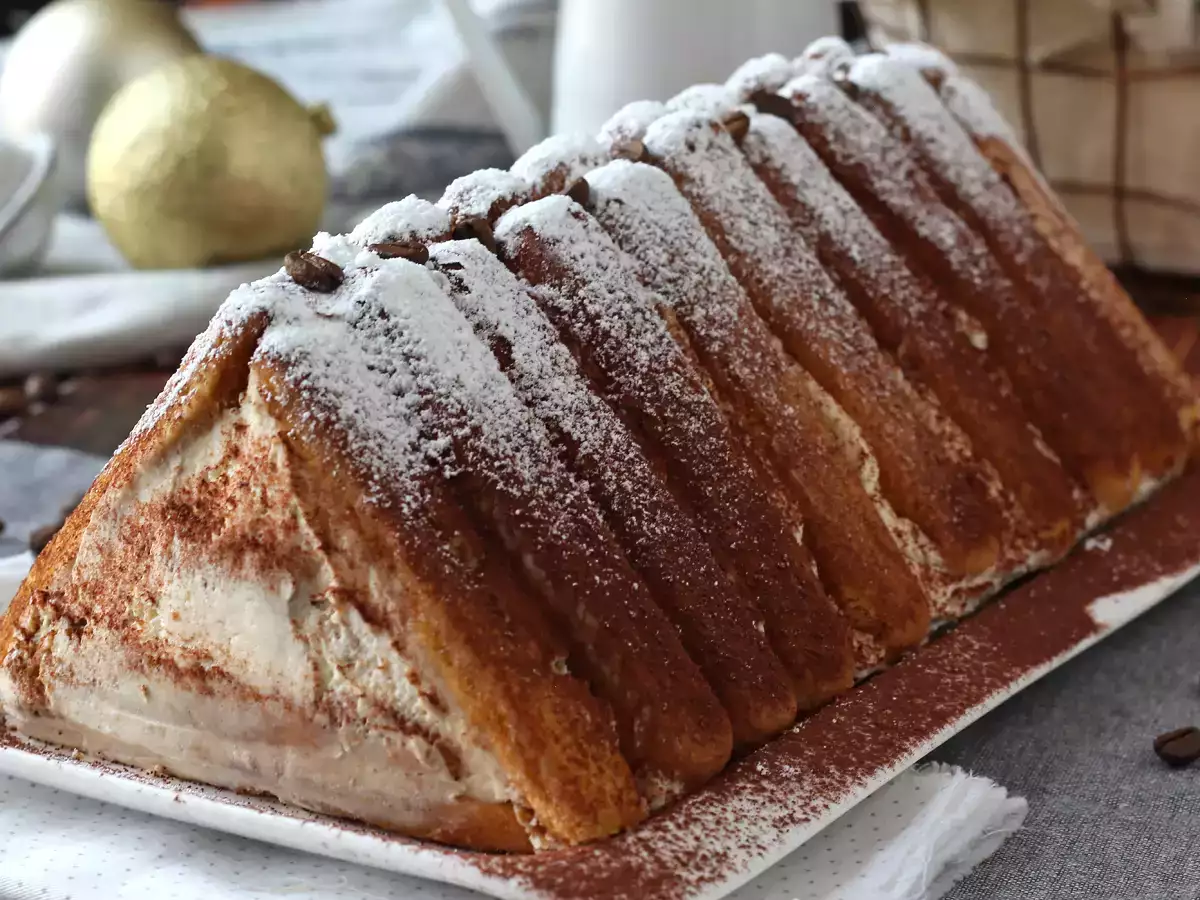
You don't need complicated equipment to impress your guests this Christmas! This cabin-shaped log can be assembled by hand, without a mold, using simple coffee-soaked ladyfingers, a light and creamy mascarpone cream, and a snowy cabin-style...
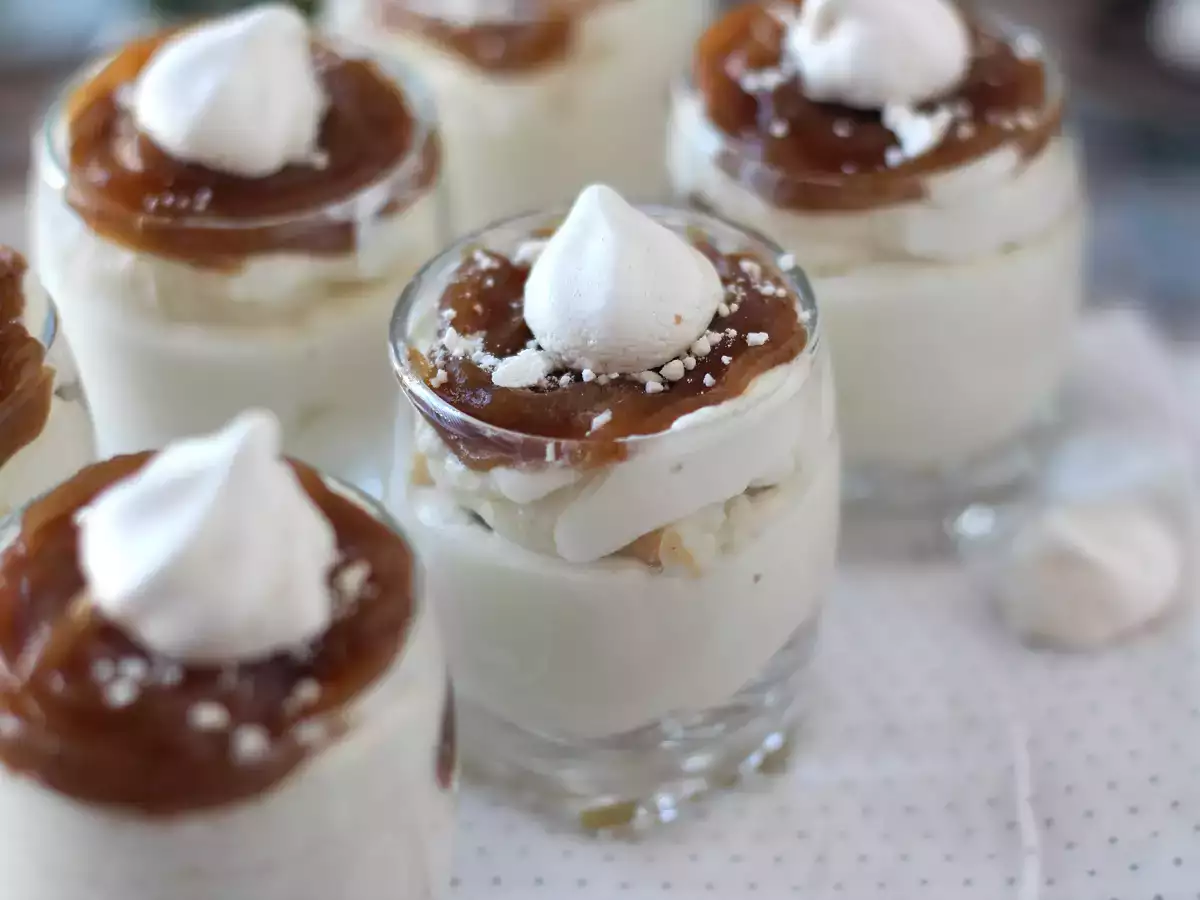
Looking for an idea for a festive dessert? These Mont Blanc-style verrines with chestnut cream are simply irresistible! Imagine layers of boudoir, creamy mascarpone and chestnut cream ... Each spoon is a veritable cloud, topped with a little...
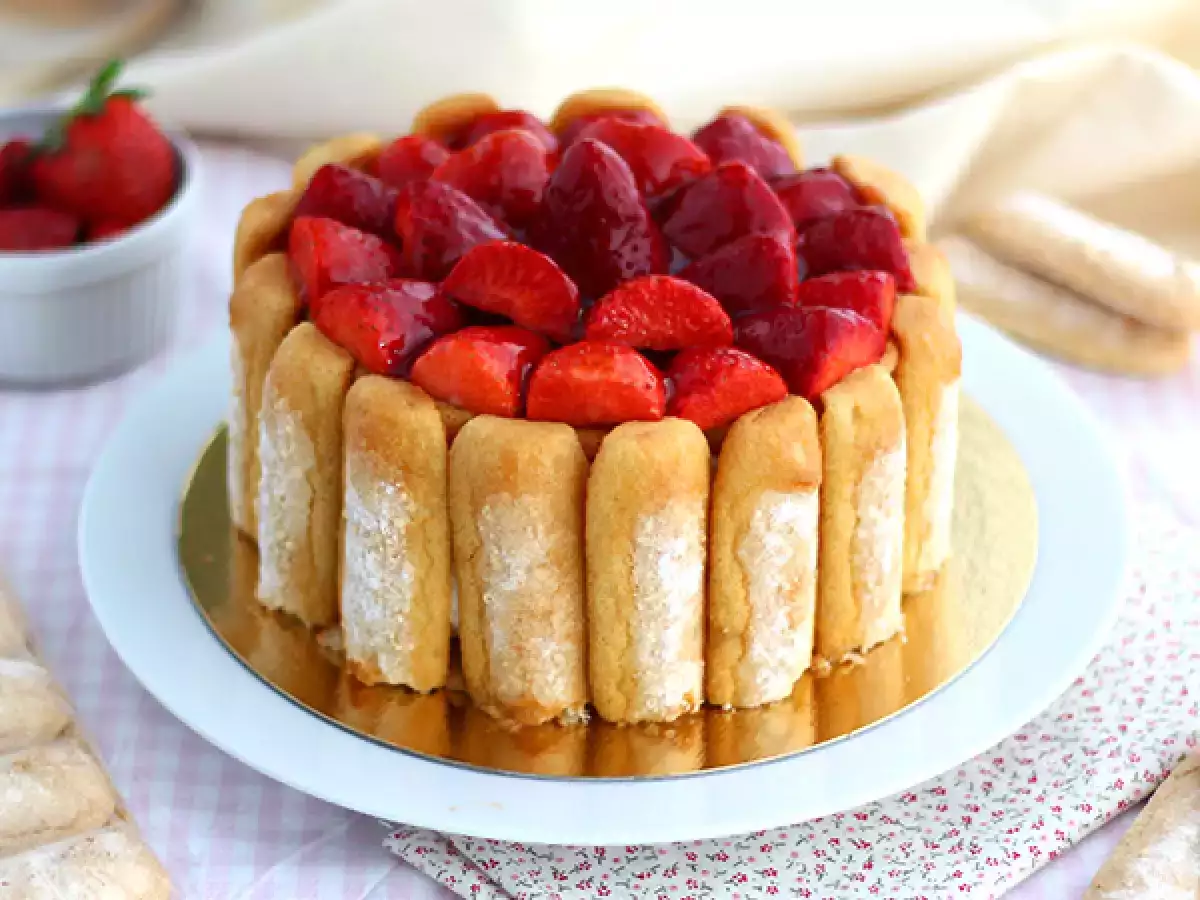
When strawberries are in season, there's nothing better than a beautiful dessert to showcase them! So grab your lady fingers, it's time to make a charlotte!
Three tricks to make it look harder than it is
With these desserts, the secret isn’t complexity, it’s doing the simple things well. If you pay attention to three details: timing, format, and presentation; the result feels elevated without adding work.
- Make it the day before: that’s not laziness, it’s strategy. The texture improves, and you’re not scrambling.
- Respect the serving format: in a large dish, give it plenty of time to set so it cuts cleanly; in glasses, neat layers and a clean rim matter more than you think.
- Decorate with intention: a dusting of cocoa, a few well-placed pieces of fruit, chocolate shavings. Not much, but thoughtfully done.
After that, the recipe becomes a flexible canvas: you can swap fruits, change the flavor of the soak, or tweak the cream without breaking the basic structure.
Ladyfingers aren’t there to impress with effort; they’re there to quietly solve dessert so you don’t end the night exhausted. And in December, that’s a gift in itself.
 Patricia González
Comments