There are dishes that don't wait: 9 dishes that should be served immediately
In cooking, there are preparations that appreciate rest. A stew, a lasagna or a stew can even improve after a few hours, when the flavors settle and the whole finds another depth. But there is the other side: dishes that live in a brief, delicate, almost fleeting equilibrium. It is enough to let them wait a little for them to change texture, temperature or structure, and they cease to be exactly what they were.
In professional cooking, many of these preparations are finished à la minute, i.e. just at the moment of serving. Not to give solemnity to the gesture, nor because of a passing craze, but because there are recipes whose best moment lasts only a very short time. A soufflé that is starting to go down, a pasta whose emulsion loses its shine, a risotto that becomes lumpy? The weather, in these cases, does not help: it plays against.
Soufflé
A soufflé fresh from the oven seems almost impossible: tall, light, puffy, supported by a structure so delicate that it is impressive to see it standing upright. And yet it is short-lived. Its volume depends on a fragile network of coagulated proteins, incorporated air and hot steam that keeps pushing from within.
As soon as the temperature drops, the steam condenses, the pressure inside decreases and the structure loses its strength. The soufflé then begins to give way, first barely, then noticeably. This is not a defect or an error of execution: it is its nature. That is why there are few preparations that require such a simple and important gesture of serving immediately.

For a light, fluffy starter delicately flavored with smoked salmon, choose this soufflé recipe! A very simple preparation to recreate at home that will delight your taste buds :-) With a touch of cream cheese for sweetness and dill for flavor, this...
The juicy omelet
A French omelette at its most tender is cooked to the limit. The egg coagulates in a narrow margin, and that mellow texture that we like so much appears just before the preparation becomes too firm.
The problem is that the heat does not disappear when the pan comes off the heat. The thermal inertia continues to act for a few minutes and finishes curdling the interior. What was juicy on the stove may have already begun to dry out on the plate. This is why it is advisable to serve it immediately: because in a very short time it goes from tender to compact with hardly any time to react.
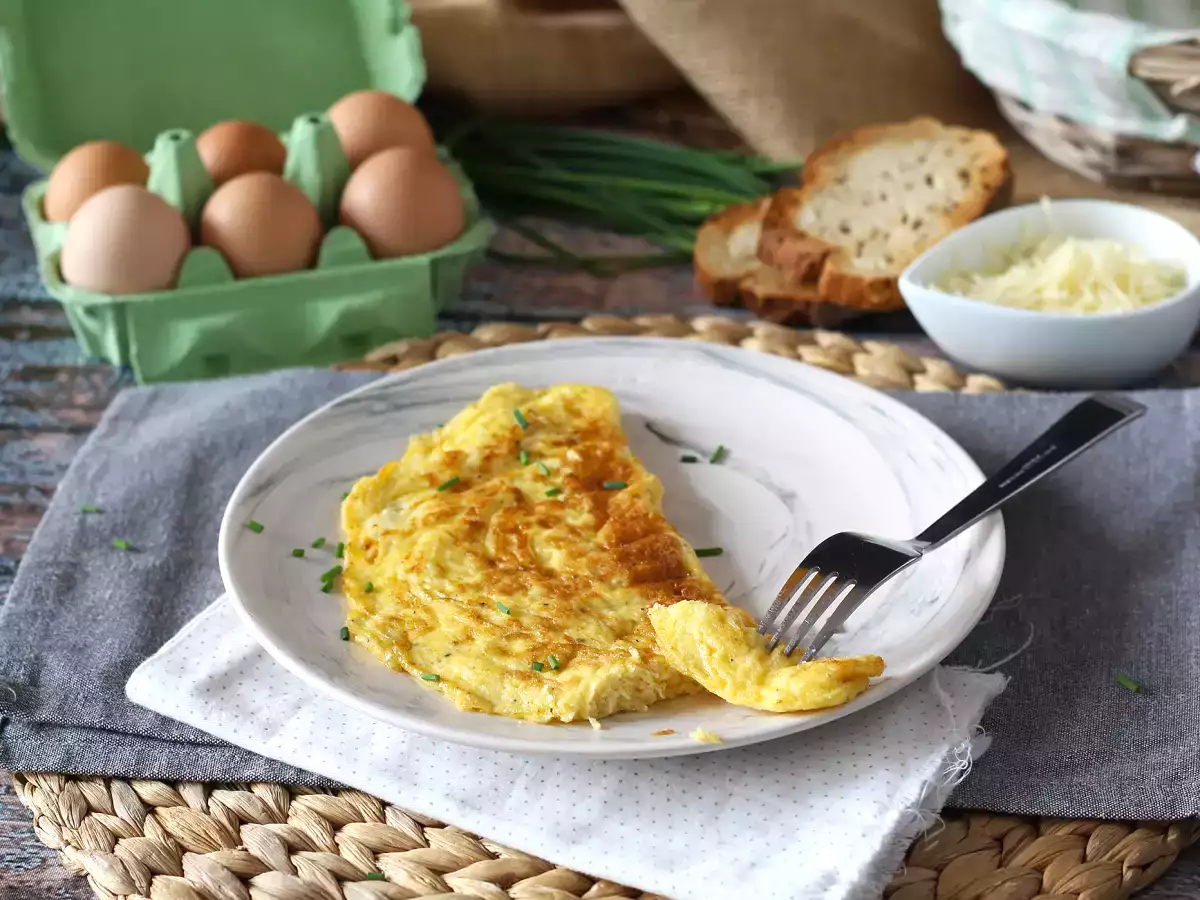
Heat up your frying pan to prepare your best omelette in no time! Nothing is better and easier to make than an omelette for breakfast, brunch or just for lunch accompanied by a salad for a balanced meal ready in just a few minutes . And for even...
Emulsified sauce: the delicate balance between water and fat
Dishes like carbonara or cacio e pepe do not rely on a thick sauce added, but on a delicate emulsion that is formed on the spot: fat, cooking water rich in starch, cheese and movement. When it goes well, the result is bright, enveloping and light at the same time.
But this harmony is short-lived. As soon as the pasta rests, the emulsion loses stability: the starch continues to absorb liquid, the sauce thickens, the fat tends to separate and the whole no longer coats equally well. The difference between a silky dish and a heavy one can be a matter of a couple of minutes. That is why this type of pasta is not expected: it is finished and served.
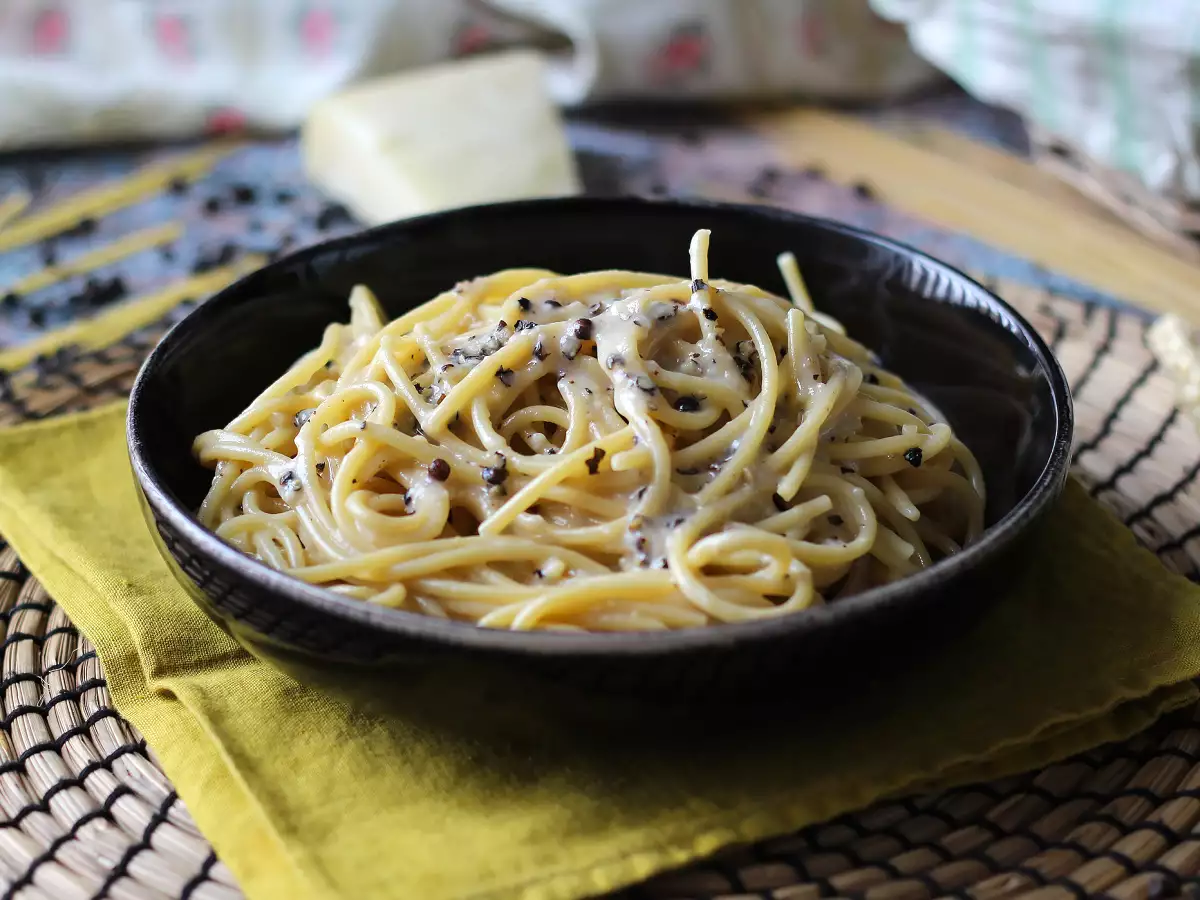
The preparation of cacio e pepe is a simple ritual only in appearance, but one that encompasses in a few gestures an ancient and refined art : the pecorino romano cheese , with its savory and decisive note, and the freshly ground black pepper, with...
Risotto: the rice that does not stop absorbing
Risotto is not at its best when it is compact, but when it retains a fluid and bound texture, capable of spreading smoothly on the plate. This creaminess is not provided by the cream, but by the starch released by the rice and the liquid that still envelops each grain.
That is why time is so bad for it. Even off the heat, the rice continues to absorb broth, the temperature continues to work and the whole becomes denser. In a few minutes, what was supposed to be a mellow yet loose rice becomes a heavy mass. In Italian cooking there is even an image for that perfect point, all'onda, "in wave", because the risotto must move smoothly. If it waits, it stops.
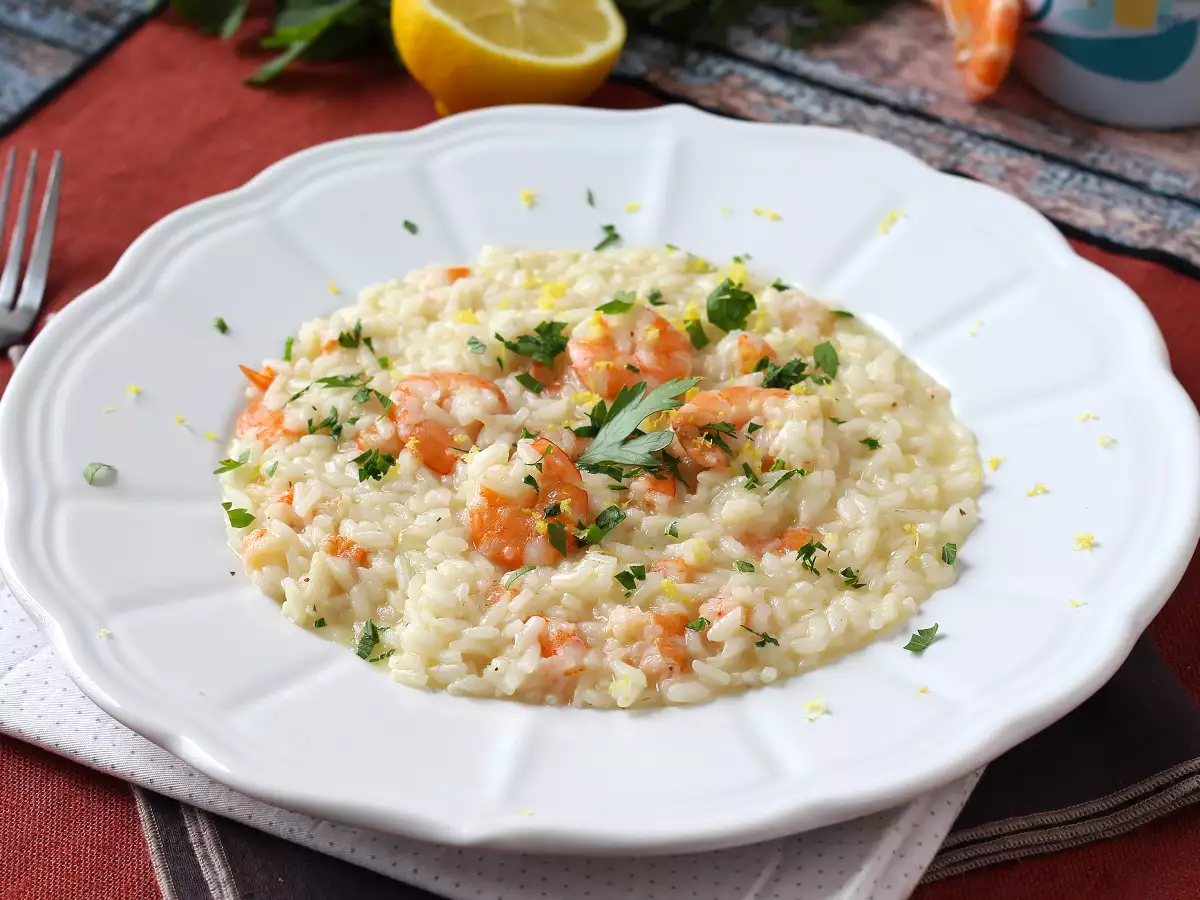
Shrimp and lemon risotto is an iconic dish of Italian cuisine , ideal for special occasions (even a romantic dinner ❤). Elegant and balanced in flavor, it combines the creaminess of the rice with the sweetness of the shrimp and the freshness of...
Light fried foods
Some fried foods are only really good for a few minutes. Tempura is perhaps the most obvious example, but not the only one: any thin, light coating depends on a dry, crisp, freshly made surface to be at its best.
The problem is that there is still steam inside the food. That steam migrates out and gradually rehydrates the outer layer. What was initially light and crisp begins to soften almost immediately. This is not necessarily a technical fault, but the natural behavior of moisture seeking equilibrium. That's why delicate fried foods can't wait too long: they quickly lose what made them special.
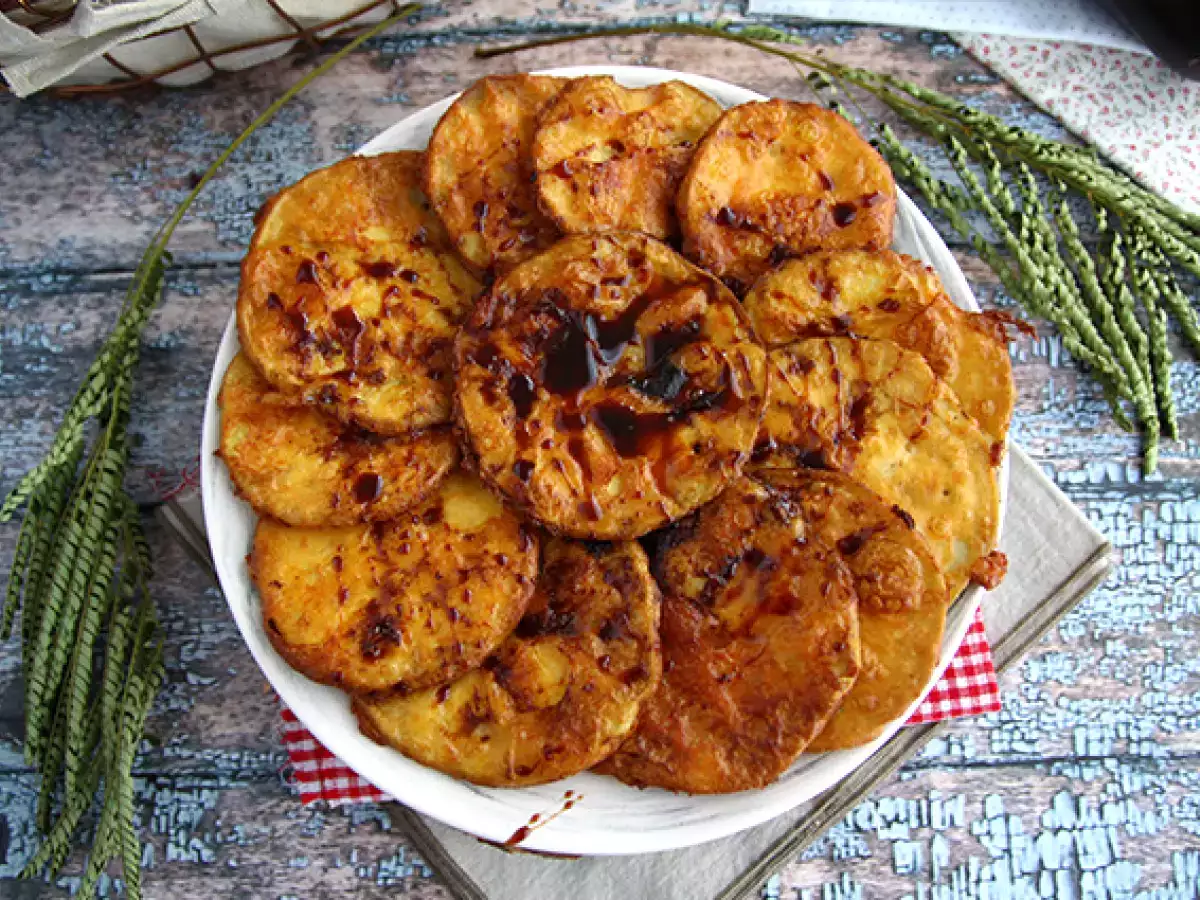
Are you often looking for tips to get your family to eat more vegetables? Try these eggplant fritters! A super easy recipe that won't require too many ingredients, just those you have in your pantry and fridge! Enjoy snacking on these eggplant fritters...
Steak tartar
Steak tartar looks like a still dish, but in reality it changes from the moment it is prepared. When the meat is minced, the surface area exposed to the air increases and oxidation begins. But that's not all: the seasoning also starts to do its job right away.
The salt changes the texture, the seasonings moisten the mixture and the whole loses its firmness quite quickly. That is why the tartar does not gain anything by waiting for it to be assembled. Its best version is the one that is seasoned just before serving, when the meat maintains its clean taste, its freshness and that pleasant tension that disappears if too much time passes.
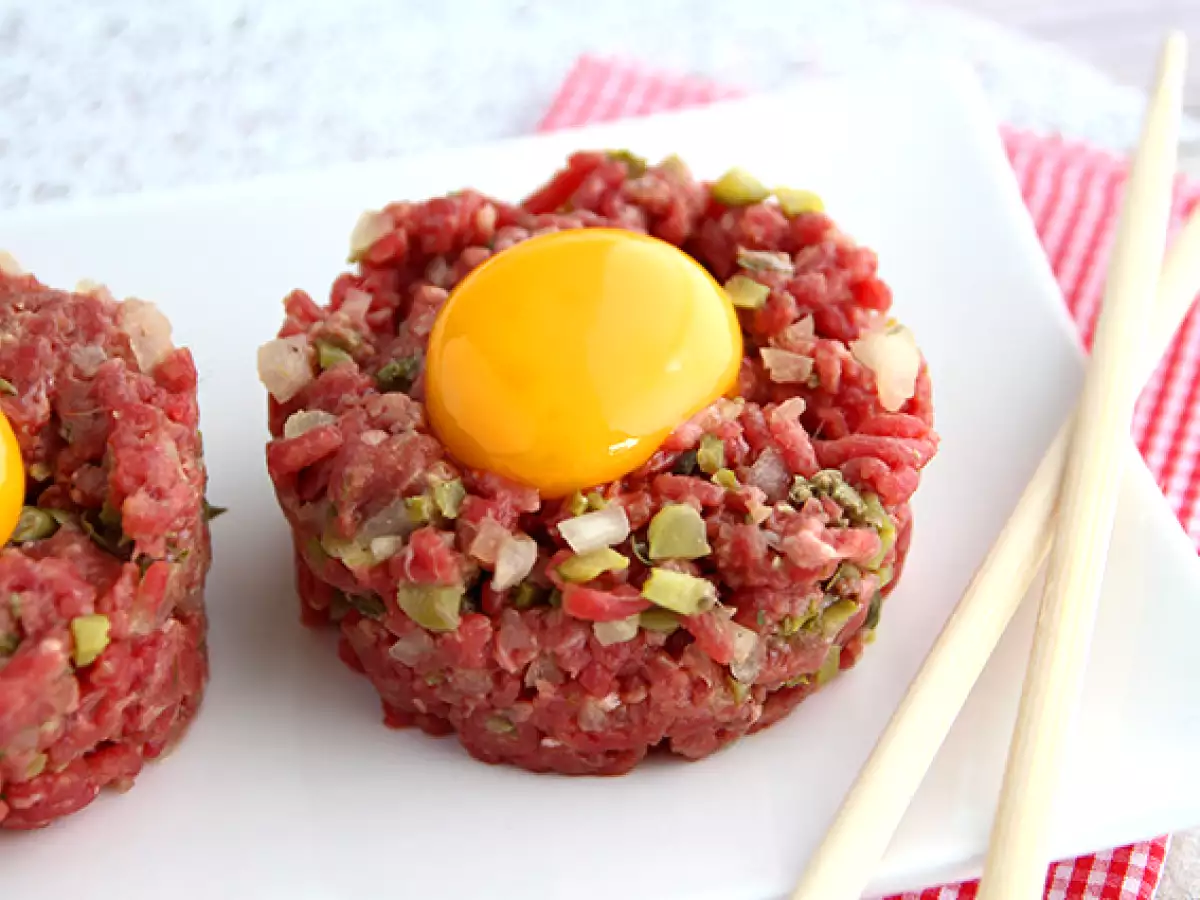
Often ordered at restaurants, you can now make your steak tartare at home! This ultra-easy and quick recipe requires no cooking time :-) It's an even better dish when homemade and served with crispy, fluffy baked fries. Follow our step-by-step written...
Chocolate coulant
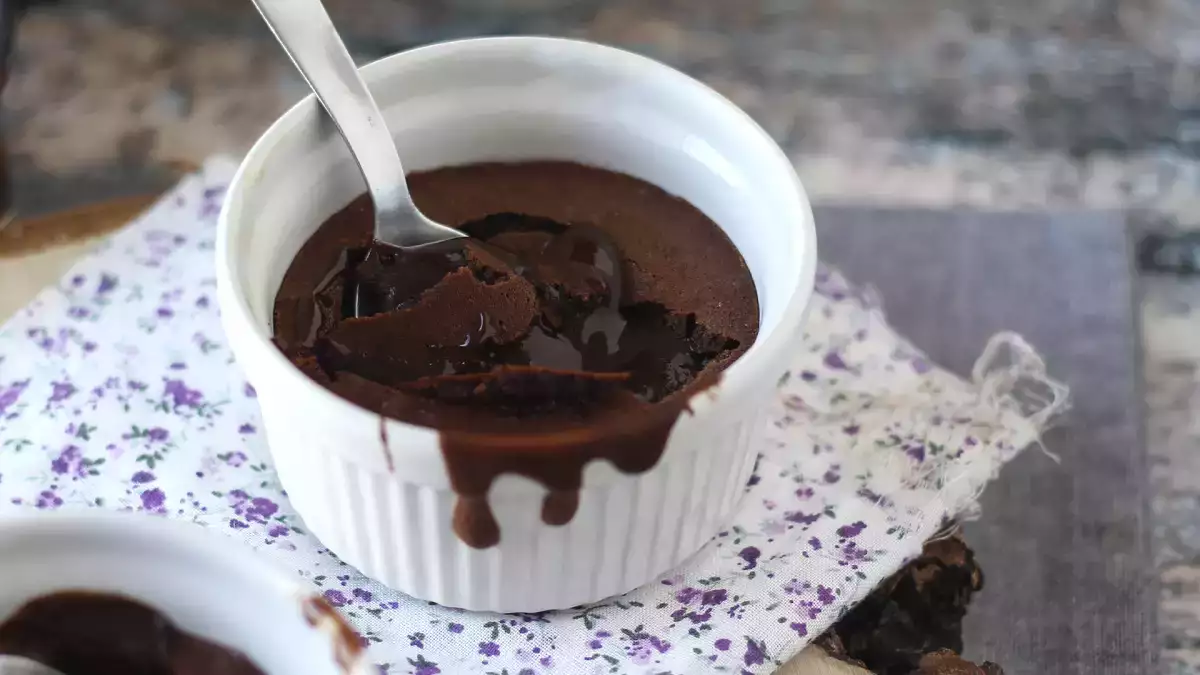
The success of a good coulant depends on a precise difference between the outside and the inside. The outer part must be cooked and hold its shape; the center, on the other hand, must remain fluid or very slightly curdled, so that when it is broken, the texture that justifies the whole dessert appears.
The problem is again the residual heat. Even if it comes out of the oven just right, the interior continues to be heated during the rest. If left too long, the center loses its fluidity and the contrast disappears. The coulant then ceases to be a coulant and becomes something else: a chocolate sponge, perhaps good, but without that defining effect.
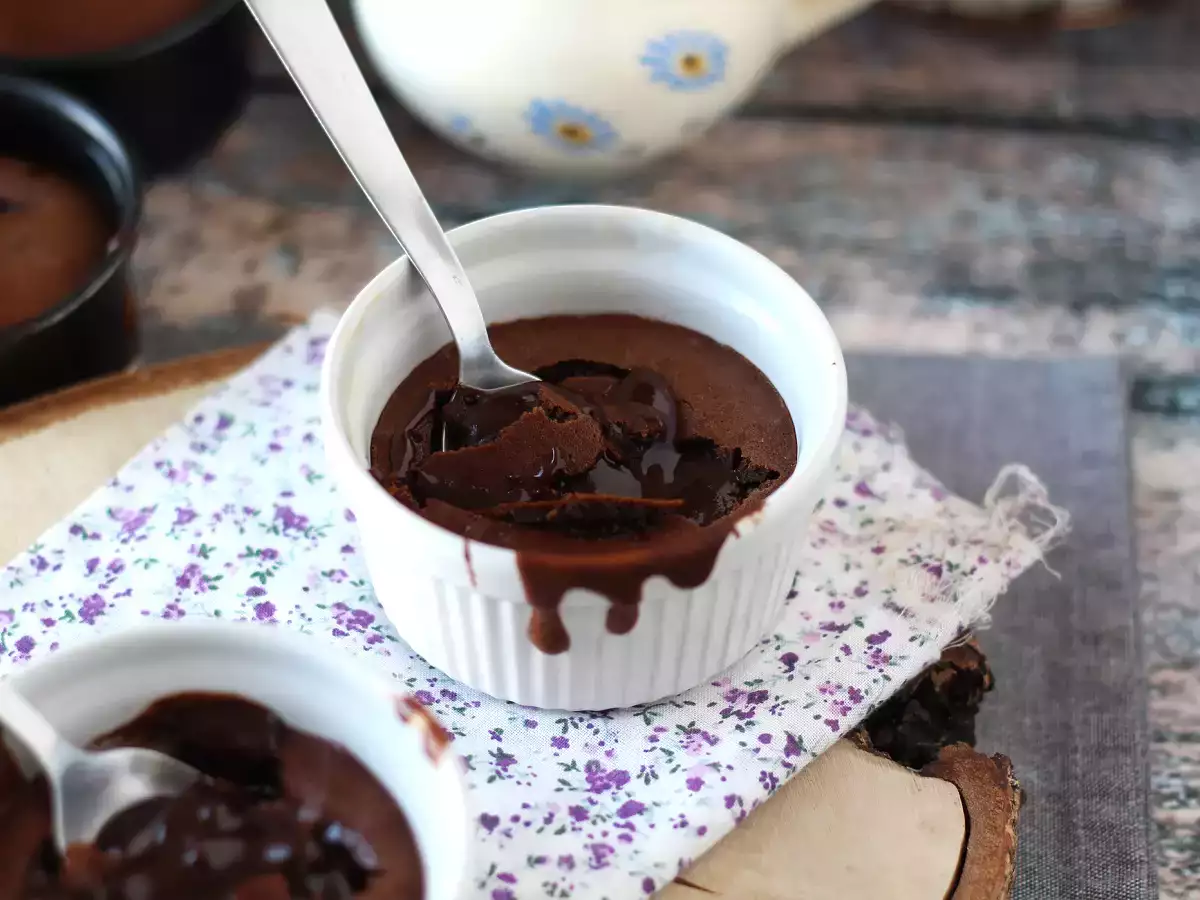
Dive into a chocolate adventure with our chocolate fondant baked to perfection using the Air Fryer ! Discover the pleasure of enjoying a melt-in-your-mouth dessert, prepared in no time thanks to our trusty Air Fryer. Each bite is an explosion of...
Ceviche
Ceviche looks like a still dish, but it is changing all the time. The citric acid denatures the proteins of the fish from the outside to the inside and gradually transforms its texture. There is no heat, but a constant chemical action.
At its best, the fish is firm but still tender, with that fresh, juicy point that makes the dish so appealing. If you wait too long, it continues to "cook": it becomes drier, releases water, the leche de tigre is diluted and the onion loses some of its liveliness. That is why ceviche is not left ready to serve later: it is finished and brought to the table.
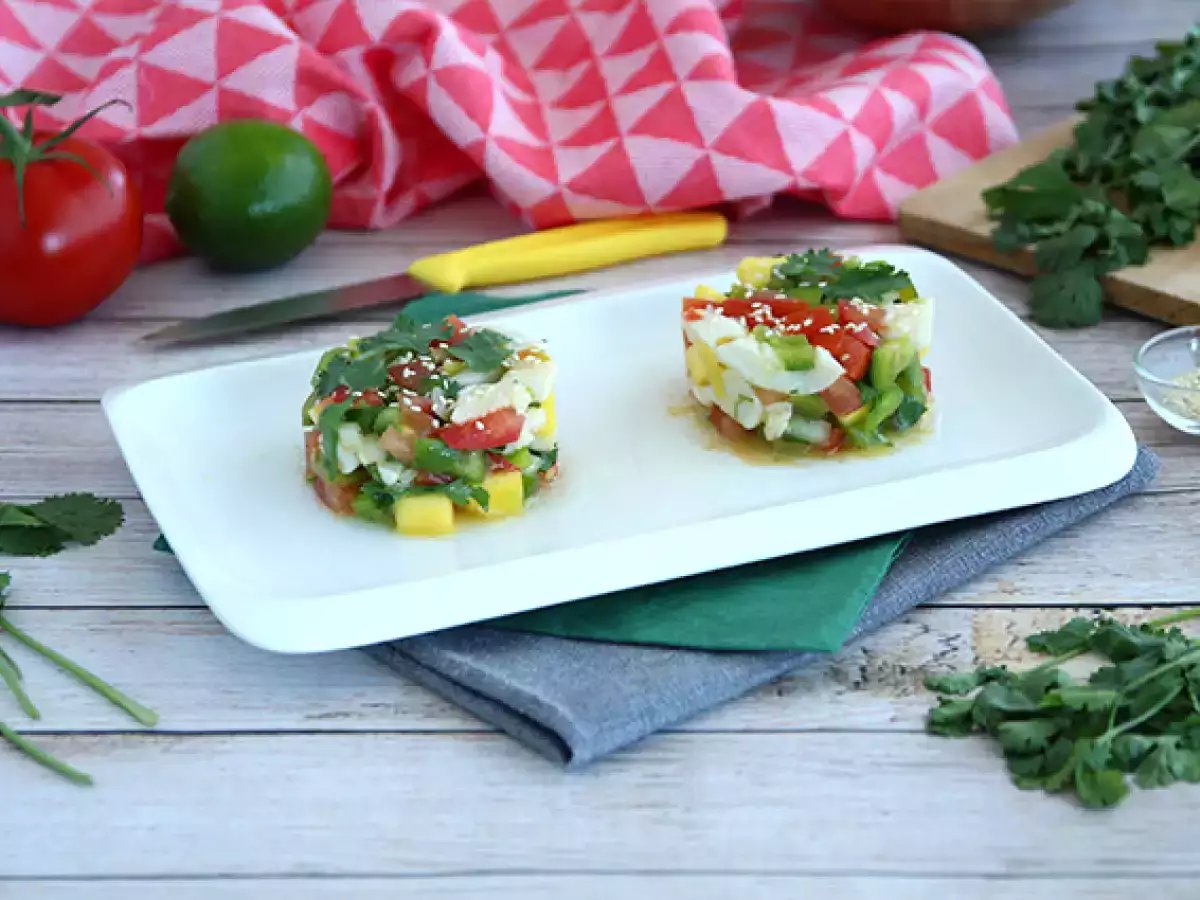
Travel to South America with our ceviche recipe! No cooking required, recreate this colorful and flavorful dish! Cod paired with diced tomatoes, green peppers, and mango to bring a bit of sunshine to your kitchen.
Scallops
In seafood and fish cooked very briefly, the exact point is a narrow border. A well-done scallop should be barely marked on the outside, juicy on the inside and with that pearly texture that disappears as soon as you overcook it.
And there is no need to overdo it. The residual heat continues to act after removing them from the fire, the fibers contract and expel part of their water. The result can change in a very short time: from tender and meaty to firmer and drier. As with other short preparations, the best of the scallop lasts only a short time, which is why it should be served as soon as it is ready.
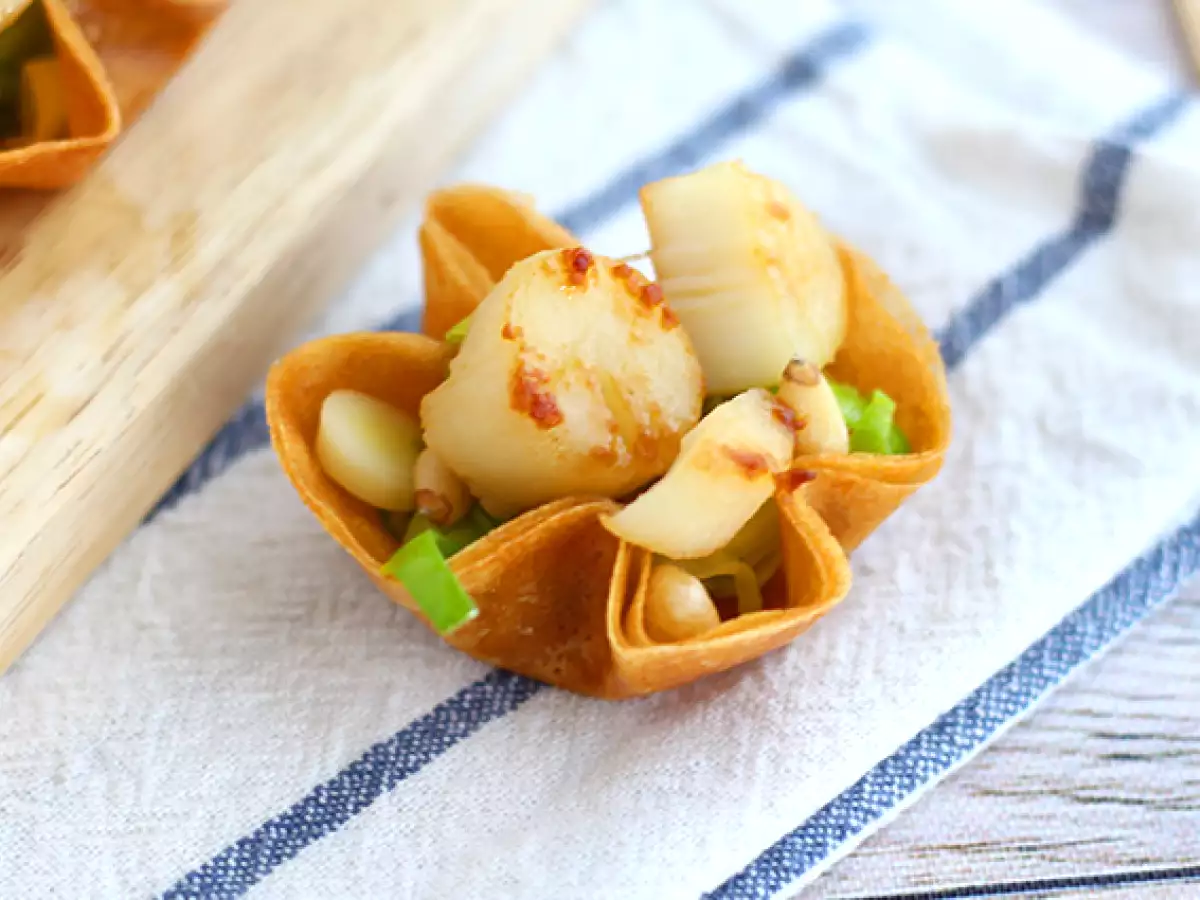
Let's all agree that the combination of scallops and leeks is a winner, right? Make it even crispier for the holidays by adding it to filo pastry sheets! An ultra-simple homemade recipe, tested and approved by the entire Ptitchef team of course ;-) For...
A matter of time
There are dishes that need to rest and others that only really exist for a very short time. It is not a matter of impatience or dramatizing the service, but of understanding that cooking is also about structure, temperature, humidity and time. And that some equilibriums are, by definition, transitory.
In all these cases the same thing happens: the dish reaches a precise point and begins to lose it almost immediately. A soufflé goes down, an omelet finishes curdling, an emulsion thickens, a fried dish softens. Serving them at the moment is not a professional craze, but the most sensible way to respect the best they have.
It is enough to understand that time does what it always does: it changes things.
 Patricia González
Comments