Vanilla beans too expensive? Use paste for custard flecks without the scraping
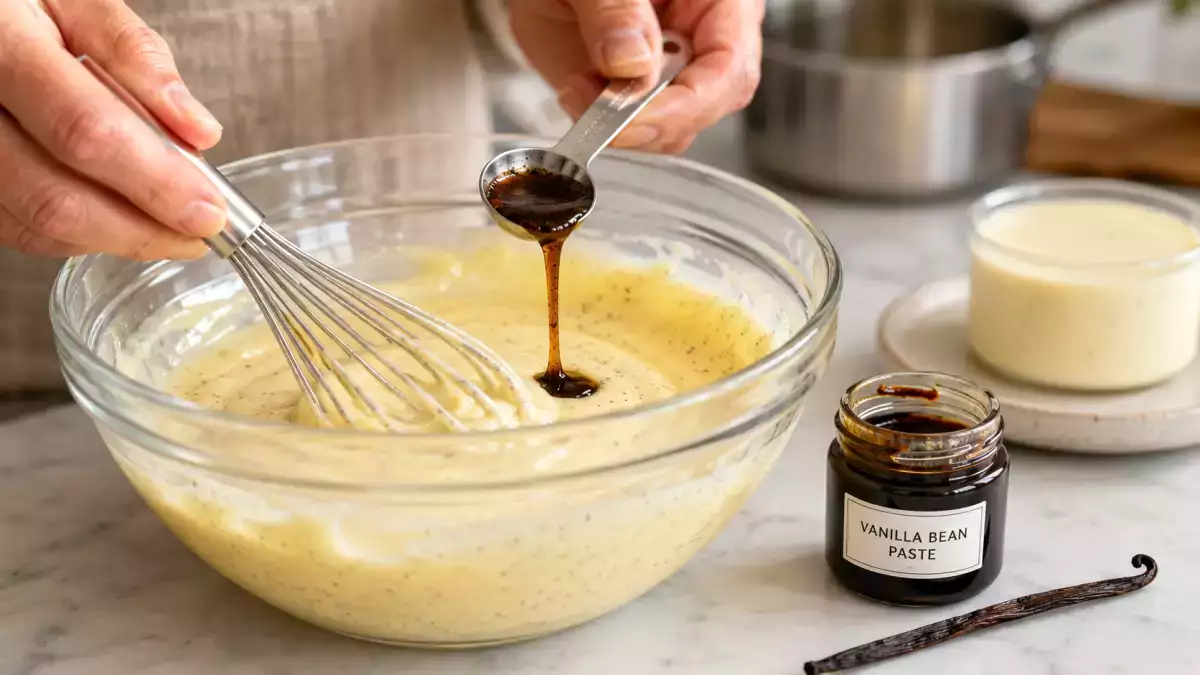
Vanilla paste is not magic, and it does not make every dessert taste identical to a freshly split bean. But in creamy recipes, it can be a very practical compromise: easy to measure, easy to stir in and visually close to the effect people expect from vanilla beans. For custards and creams, that matters because the look is part of the pleasure.
The best places to use vanilla paste are desserts where vanilla is meant to be visible and gentle: custards, pastry cream, flans, panna cotta, mille-feuille and soft tarts. Here is how to use it wisely, with recipes where vanilla flecks make sense.
Why vanilla paste is useful in custards
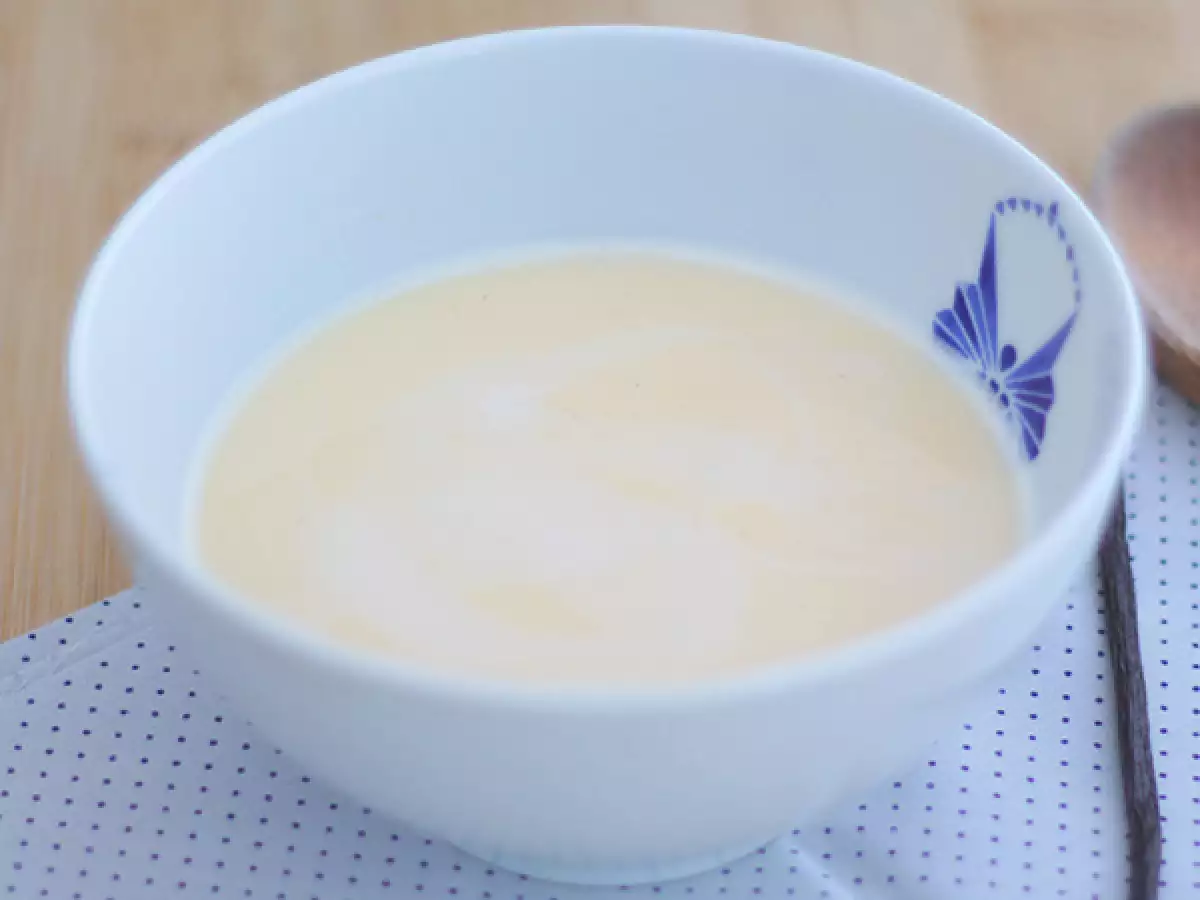
Creme anglaise is just the best poured on top of chocolate brownies, or to make floating islands ! This is a tricky recipe, but we'll give you every tip to make it a success !
In a sauce like crème anglaise, vanilla is not hiding behind chocolate, coffee or strong spices. It is part of the main identity of the dessert. Paste keeps the process simple while still giving that classic vanilla look.
Use paste in pastry cream when the filling needs to look homemade
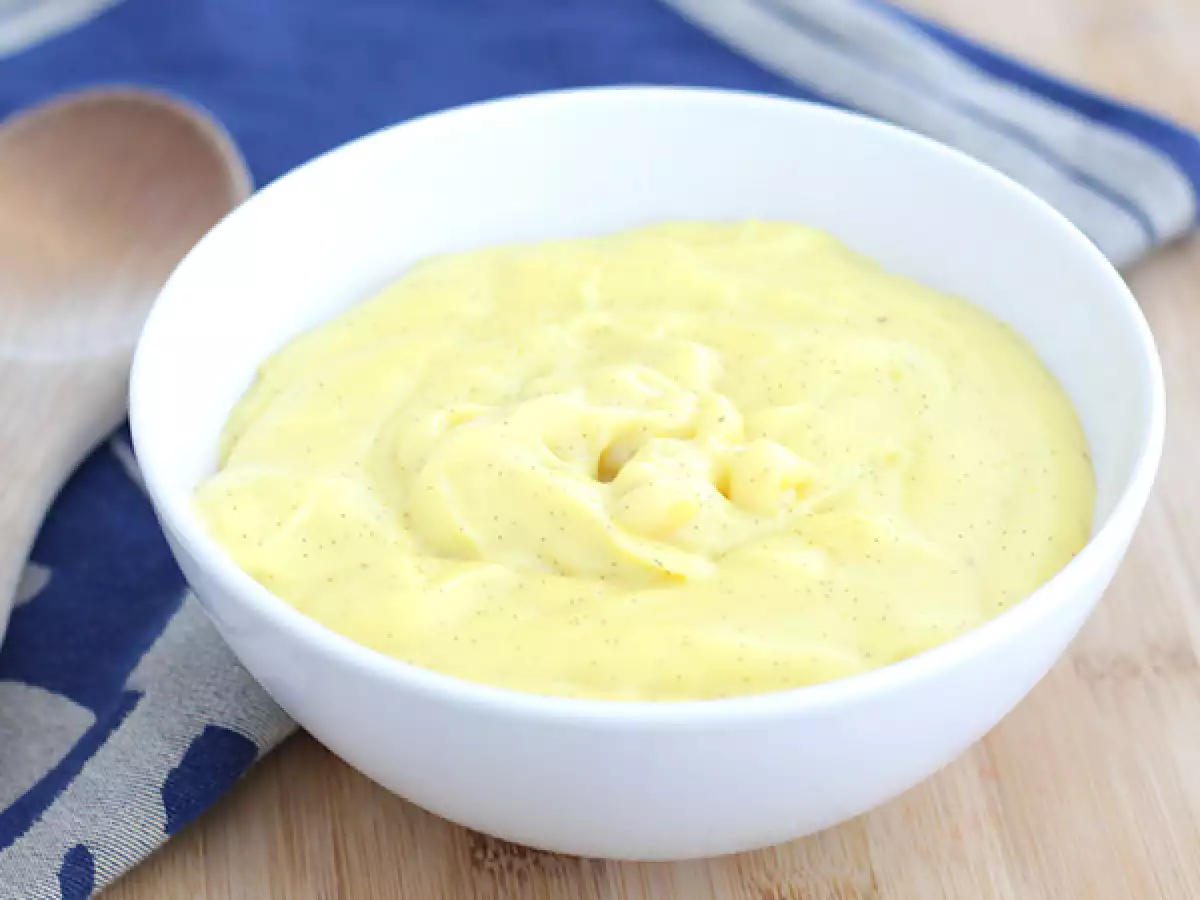
This pastry classic will help you bake a ton of desserts ! And you know what ? It's just delicious ! Ready to become a really pastry petit chef ?
This is especially useful when the cream will be seen directly in tarts, choux, pastries or layered desserts. Instead of splitting a pod, scrape, infuse and strain, paste lets you add the vanilla character in a more direct way.
Make mille-feuille easier without losing the vanilla effect
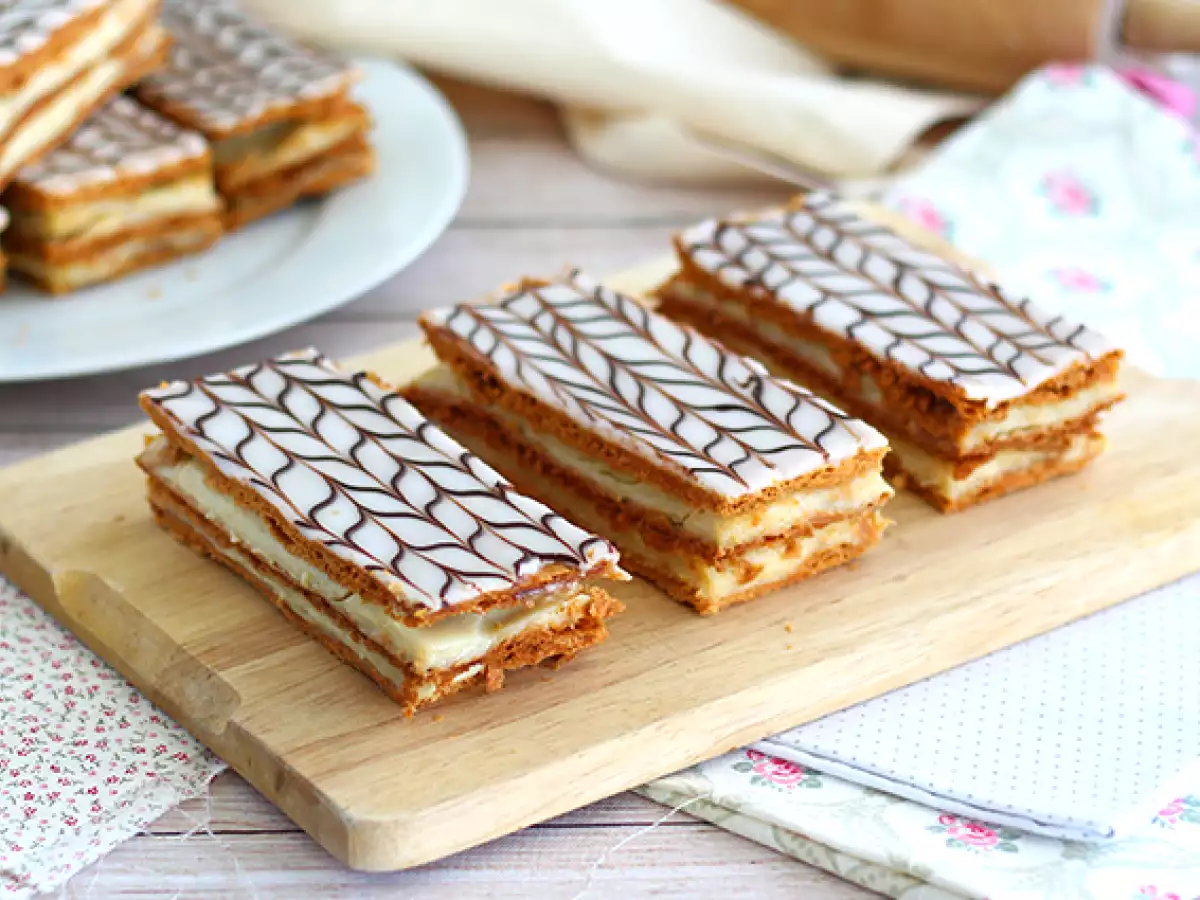
Vanilla mille-feuille, also known as the French Napoléon, is one of the most iconic desserts in classic pastry. With its delicate layers of crisp puff pastry, smooth vanilla cream, and its signature marbled icing, it’s both elegant and irresistible....
Vanilla paste is practical here because the recipe already has enough steps. When puff pastry, cream and assembly are involved, skipping the pod-scraping step can make the dessert feel more approachable without removing the visual charm.
Try it in panna cotta for a clean speckled finish
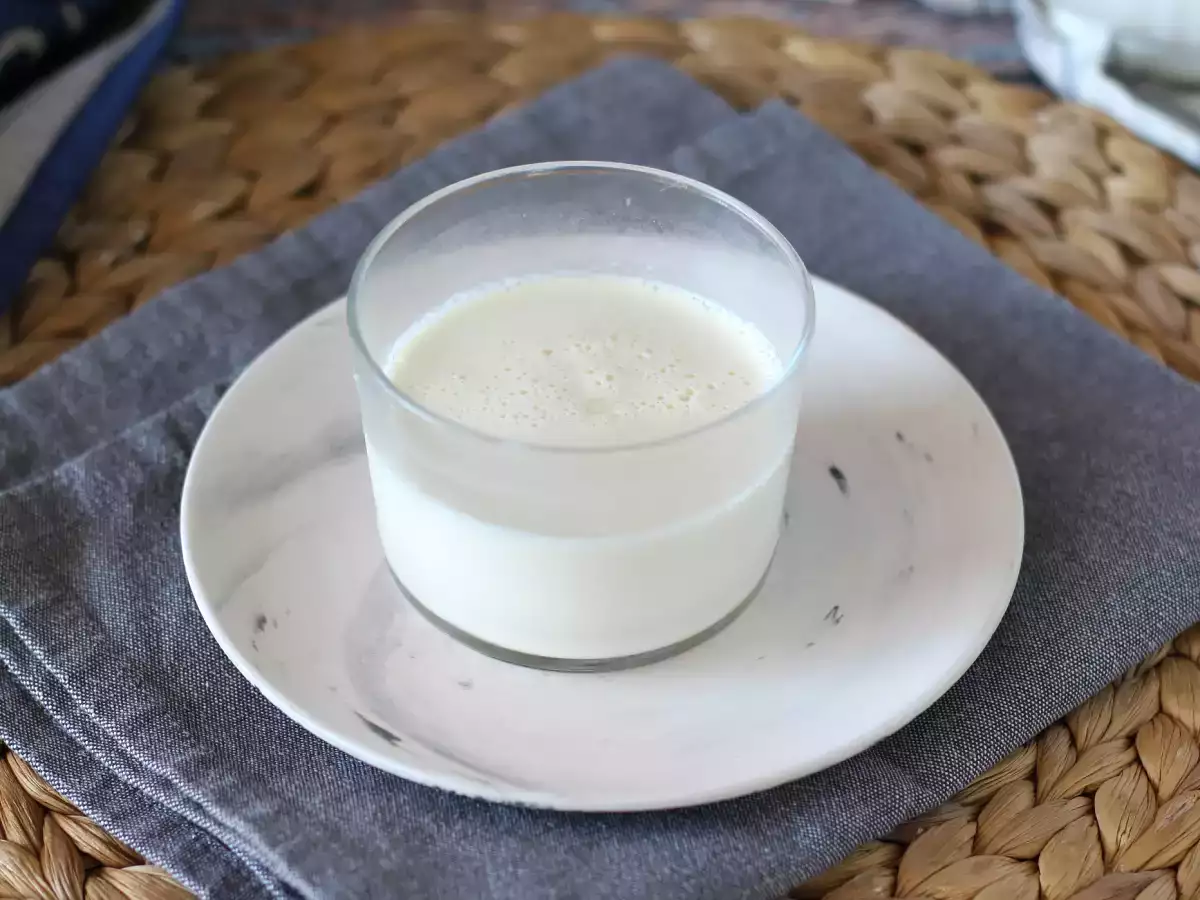
There are those who love panna cotta and those who lie! This fresh and chic dessert is a must-have at any time of the year because it is easily customizable depending on the season you want to prepare it. Here we give you the basic recipe for...
Because panna cotta has a smooth texture, stir the paste in well so the specks are evenly distributed. The goal is a delicate vanilla look, not a clump of paste at the bottom of the glass.
Use paste in flan when you want the bean look for less effort
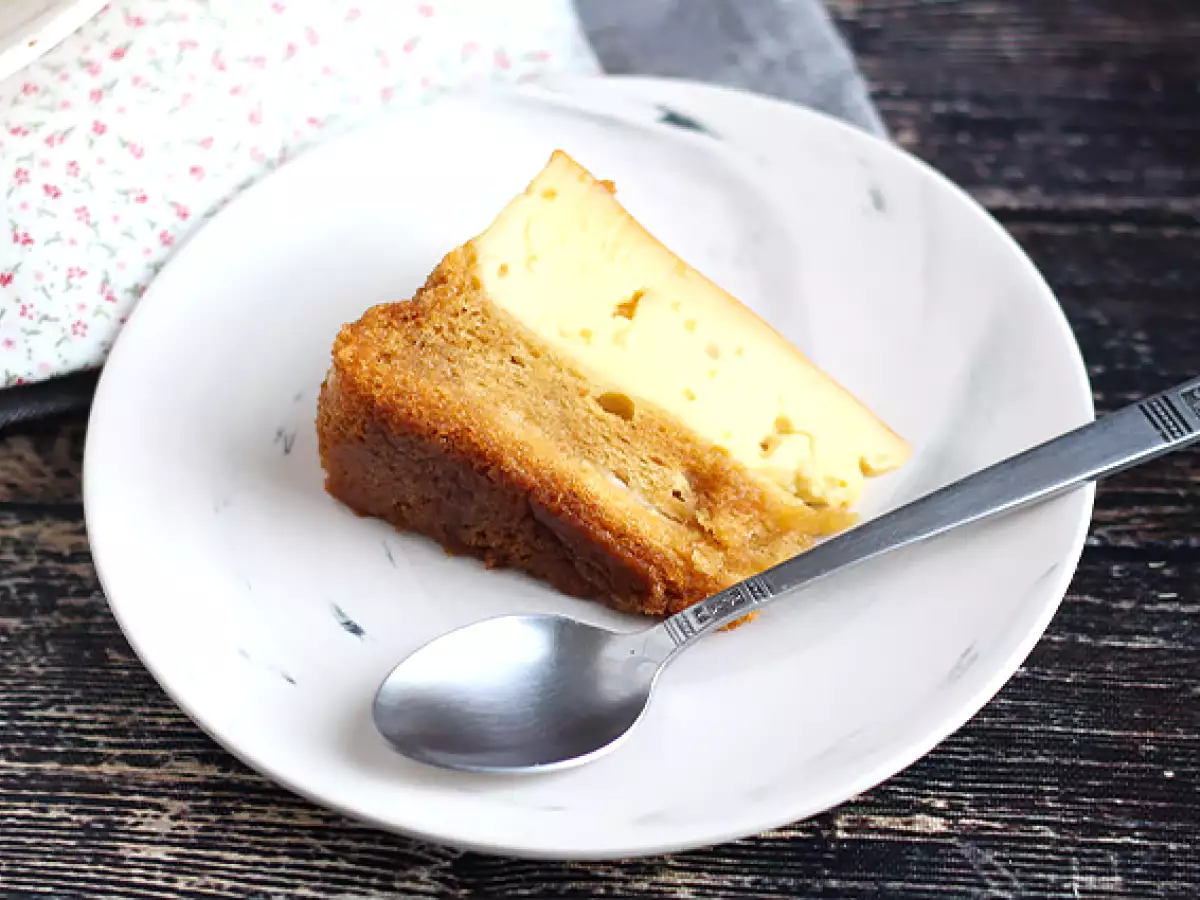
We guarantee you won't be disappointed with dessert with this wonderful vanilla flan cake! A fabulous dessert made of two layers: a flan and a cake. The surprise? As soon as you unmold it, the caramel will flow all around the cake below, which will...
Vanilla paste works well when you want that bean-like appearance but do not want to spend a whole pod on one everyday dessert. It keeps the preparation simple while still making the flan look more generous.
Add it to egg custards for an everyday upgrade
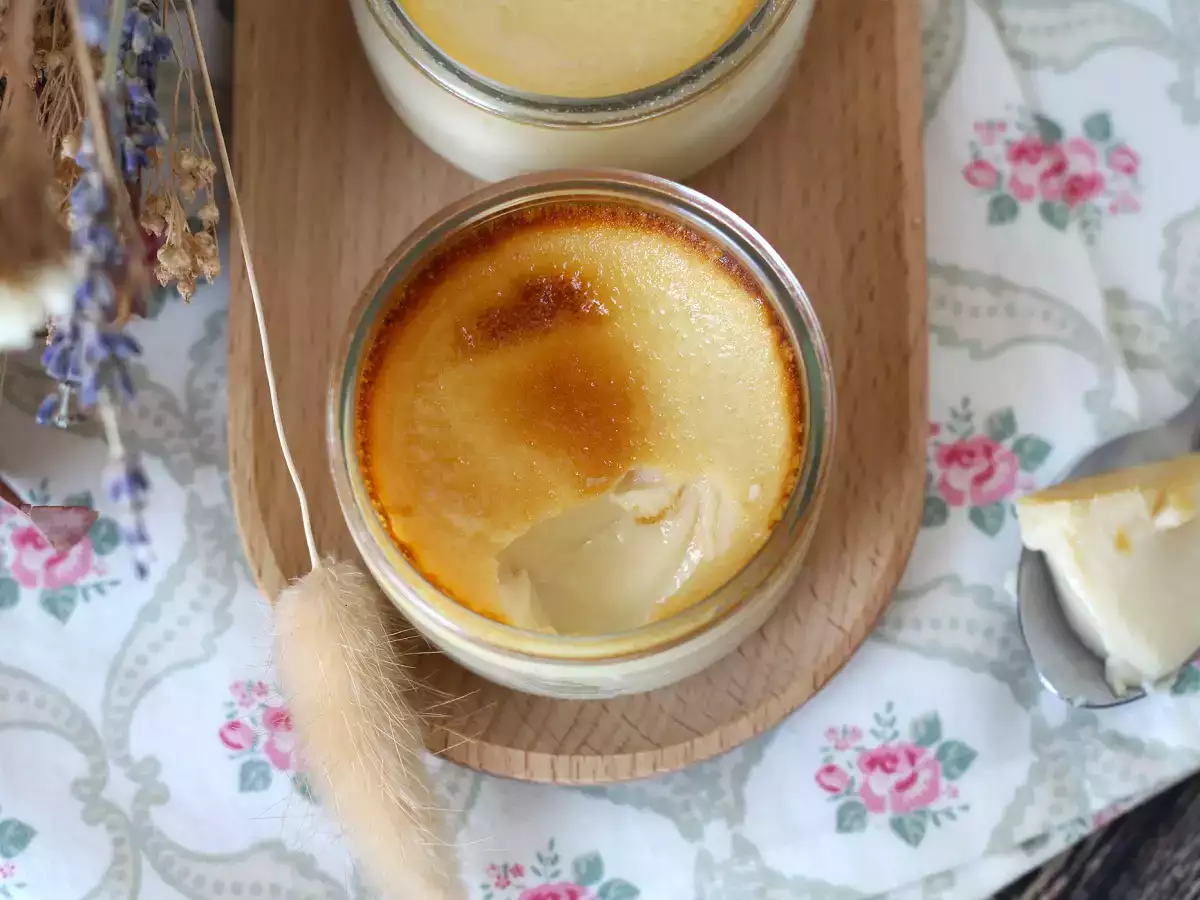
This dessert features a smooth custard made from a mixture of milk, eggs, sugar, and vanilla, gently baked in a water bath to ensure even cooking. The preparation involves heating milk, blending it with the egg mixture, and baking in ramekins until...
This is a good use for paste because the recipe is quick. When the dessert itself is simple, you do not necessarily want the extra step or cost of a whole bean. Paste keeps the upgrade easy.
Use paste in crème brûlée-style desserts
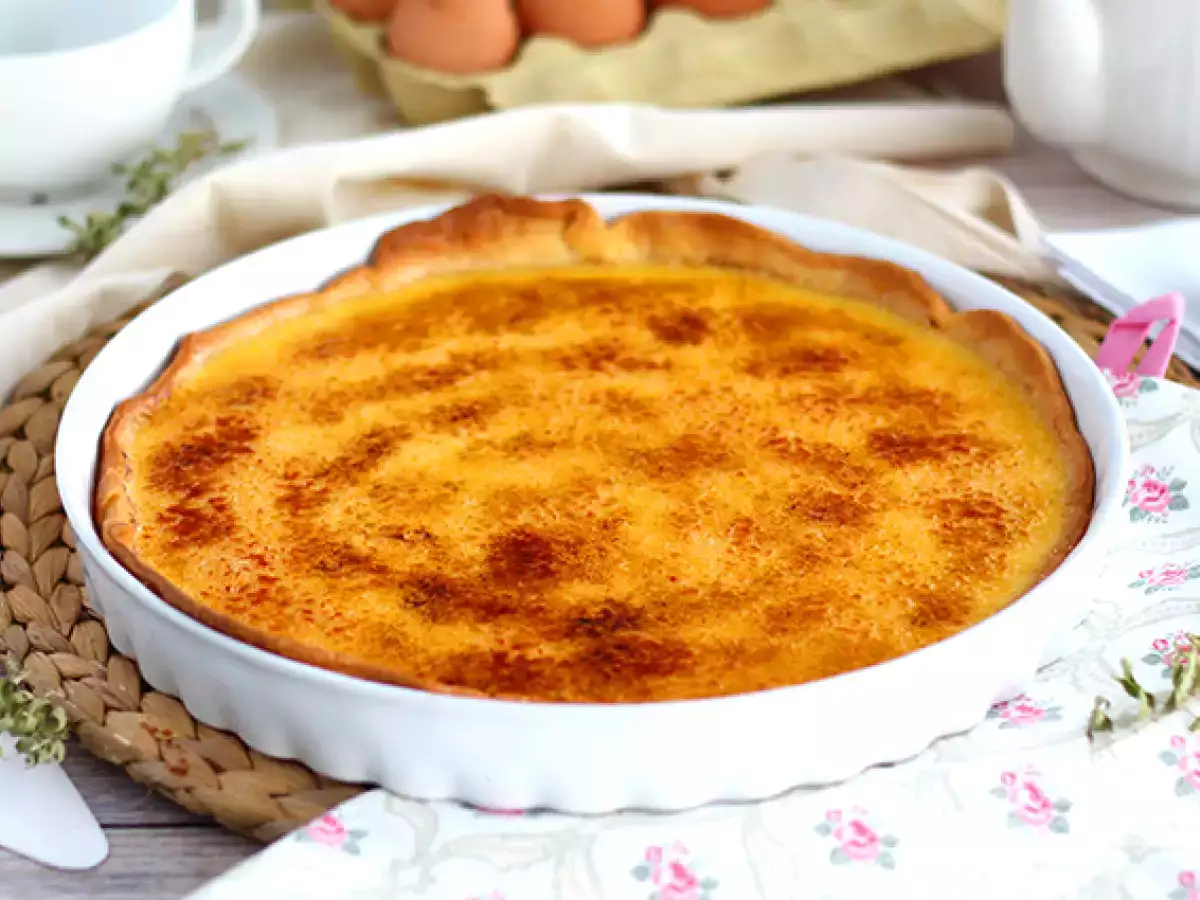
Crème brûlée, how can you resist?! A melting vanilla-flavored cream from France with a caramelized surface... Yum! For more originality, present it as a tart to your guests! An opportunity to share this treat more easily with them by adding a crunchy...
The caramelized top brings drama, but the custard is where the vanilla matters. Paste helps you get that classic appearance without needing to split and scrape a fresh pod.
How much vanilla paste should you use?
The important thing is not to overdo it. Custards and creams should taste rounded and fragrant, not harsh or perfumed. Add enough paste for aroma and visible flecks, then let the dairy, eggs and sugar stay balanced.
A good rule is: use paste where vanilla should be seen, and extract where it only needs to disappear into the background.
When a real vanilla bean is still worth it
A pod also gives you a bonus: after scraping it, the empty pod can be used to perfume sugar or infuse dairy. That helps make the most of the cost.
For everyday custards, paste is convenient. For a special occasion, a real bean can still feel worth the splurge.
The takeaway
Use it where the base is pale and smooth, where the specks can be seen and where the convenience actually helps. Keep whole beans for desserts where vanilla is the main event or where slow infusion matters most.
The goal is simple: keep the vanilla look and the creamy comfort, while making everyday desserts easier and more affordable.
 Juliette Hess
I love travelling and discovering new dishes, trying out new food trends and exploring new restaurants.
I’m a huge fan of pasta and noodles in all their forms ❤ from udon noodles to tagliatelle, I love cooking them and even making them from scratch!
I’m currently preparing, filming and photographing your next recipe, and I hope you’ll enjoy it!
Comments