Want better weeknight cooking? Use Chinese flavour balance to make simple food taste complete
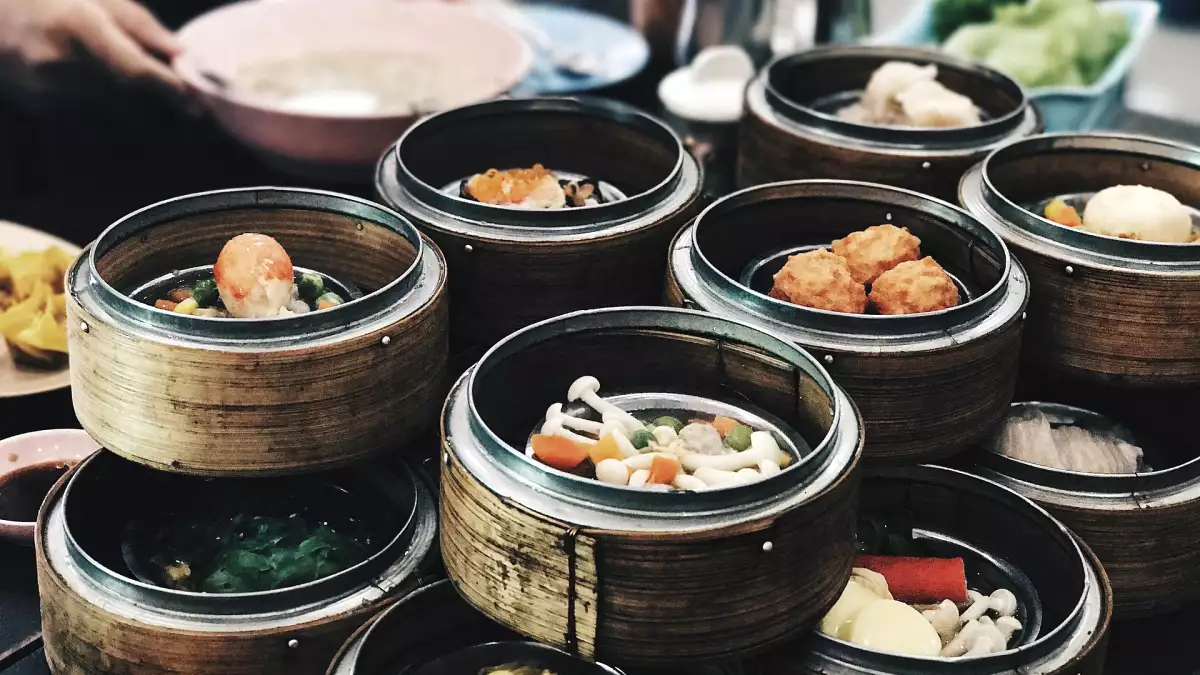
The good news is that you do not need a huge pantry to use these principles at home. A splash of vinegar, a little soy sauce, fresh ginger, scallions, sesame, chili, sugar, broth or citrus can change the whole direction of a dish. Instead of asking only “does this need more salt?”, you start asking: what flavor is missing? That small shift can make stir-fries, soups, noodles, eggs, rice and vegetables taste much more polished.
Sweetness is not just for dessert
This is especially useful in quick dinners. If a soy-based sauce tastes too sharp or too salty, a pinch of sugar can bring it back into balance. Carrots, onions, cabbage and bell peppers can also add natural sweetness while making the dish feel more generous.
Sourness makes rich food feel lighter
Use sourness carefully. Add a little, taste, then adjust. Too much can dominate the dish, but the right amount makes flavors feel sharper and more alive. It is particularly helpful when a recipe includes oil, fried elements, rich broth or fatty meat.
Bitterness adds depth when it is controlled
The key is balance. Bitter ingredients often need salt, sweetness or acidity nearby. For example, a bitter green becomes more appealing with garlic, sesame oil and soy sauce, while lightly charred vegetables taste better with a bright sauce or a touch of sweetness.
Saltiness gives structure to the whole dish
The trick is to layer it rather than overwhelm the dish. If you use soy sauce, taste before adding more salt. If you add a salty condiment, balance it with water, broth, sweetness or acidity. A well-seasoned dish should taste clear and flavorful, not harsh.
Pungent ingredients create aroma before the first bite
This is one of the easiest principles to use at home. Start a pan with garlic and ginger, finish noodles with scallions, add chili oil to soup, or use white pepper in eggs and broth. Even a very simple meal can taste more complete when the aroma is strong.
How to use the five flavors in everyday meals
You do not need every flavor to be equally loud. The goal is harmony. One dish might be mostly salty and pungent with a small sweet note. Another might be sweet-sour with a spicy finish. The more you taste and adjust, the easier it becomes to understand what each dish is asking for.
Chinese-inspired recipes to practice flavour balance

Love Chinese cuisine? Try making it at home with our Chow Mein recipe! It combines Chinese noodles, chicken, ginger, and vegetables to make a complete, balanced, and easy-to-prepare dish. Tested and approved by the entire Ptitchef team, here are the...
For a quick rice dish where savory seasoning and simple ingredients create a complete meal:

An express Cantonese rice dish to save time in the kitchen. Quick and easy, this dish can soon become the ultimate way to avoid food waste! If you cooked too much rice for an earlier meal, this is the perfect opportunity to give it a second life. Just...
For soft steamed eggs that highlight the power of gentle seasoning and texture:

If you haven't already tried Chinese steamed eggs , you're in for a pleasant surprise ;) With just two ingredients , you get an egg custard with an incredibly smooth, soft and melting texture, almost like a savory flan ! It's simple, quick and...
For scallion pancakes, a perfect example of pungent aroma, crisp texture and simple balance:

Hey! As Chinese New Year approaches, why not explore Chinese cuisine? Today, alongside nems and spring rolls, we suggest making these "Scallion pancakes." The idea is simply to make savory pancakes with green onions! They're soft and slightly spicy,...
For bao buns, where soft dough and savory filling make a comforting Chinese-style meal:

Dear lovers of Chinese and Vietnamese cuisine, our Banh Bao recipe is sure to delight you! A lovely Vietnamese steamed bun filled with pork. A great idea to make for Chinese New Year, for example ;-) Follow the detailed step-by-step instructions below ↓ ↓
For a shrimp appetizer with festive Chinese New Year inspiration and bold seasoning:

Celebrate this chinese new year with these delicious shrimp skewers, and take a trip to asian flavors...
For a vegetable noodle wok that makes everyday vegetables taste more exciting:

For an easy-to-make dish that’s rich in flavor, try this Chinese noodle stir-fry ! Here, you can enjoy a vegetarian topping made with vegetables and textured soy protein . And if you’ve never tried this ingredient, here’s a good reason to be...
The takeaway: taste in more than one direction
Start small. Add ginger and scallions to oil, brighten a sauce with vinegar, soften sharpness with a touch of sweetness, and finish with sesame or chili. Over time, this way of cooking becomes instinctive, and everyday meals become more balanced, expressive and satisfying.
 Juliette Hess
I love travelling and discovering new dishes, trying out new food trends and exploring new restaurants.
I’m a huge fan of pasta and noodles in all their forms ❤ from udon noodles to tagliatelle, I love cooking them and even making them from scratch!
I’m currently preparing, filming and photographing your next recipe, and I hope you’ll enjoy it!
Comments