Step-by-step french croissants explained
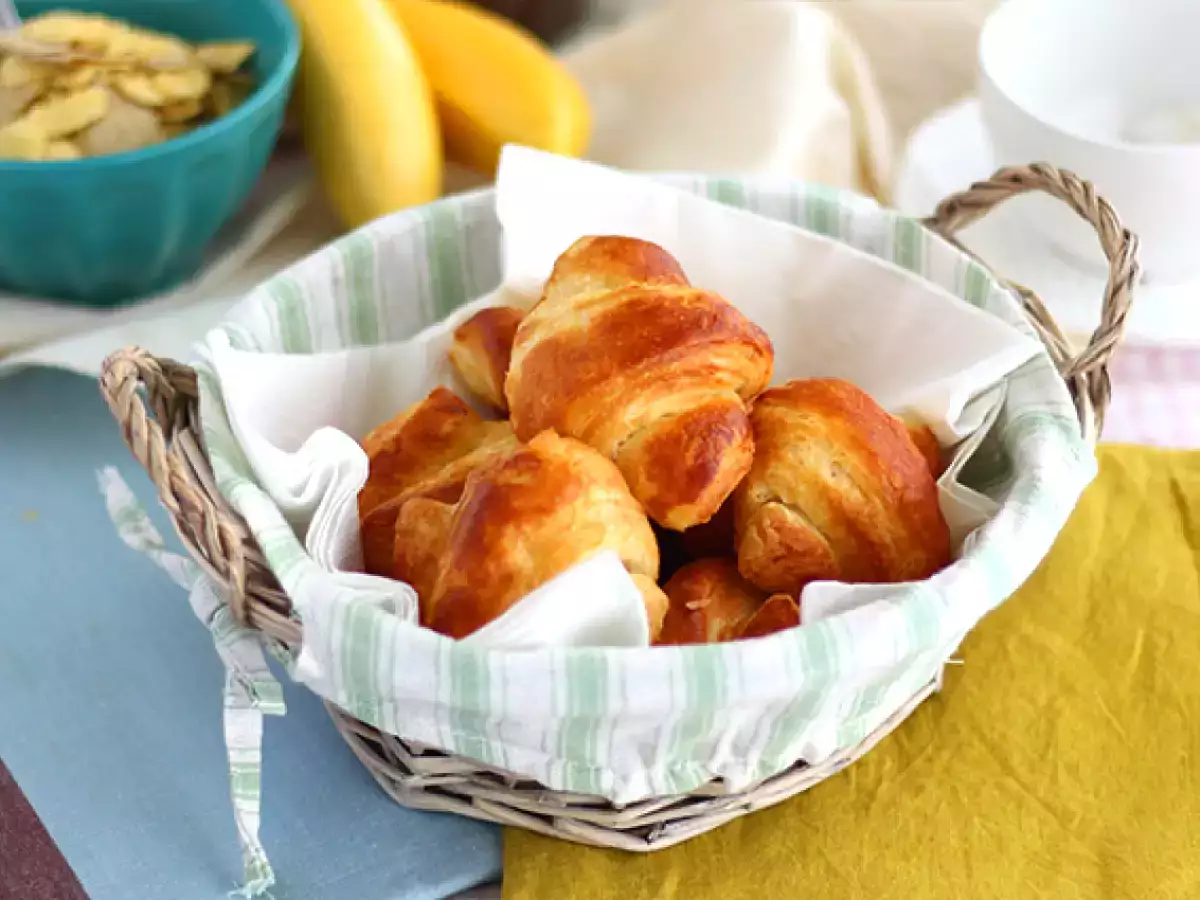
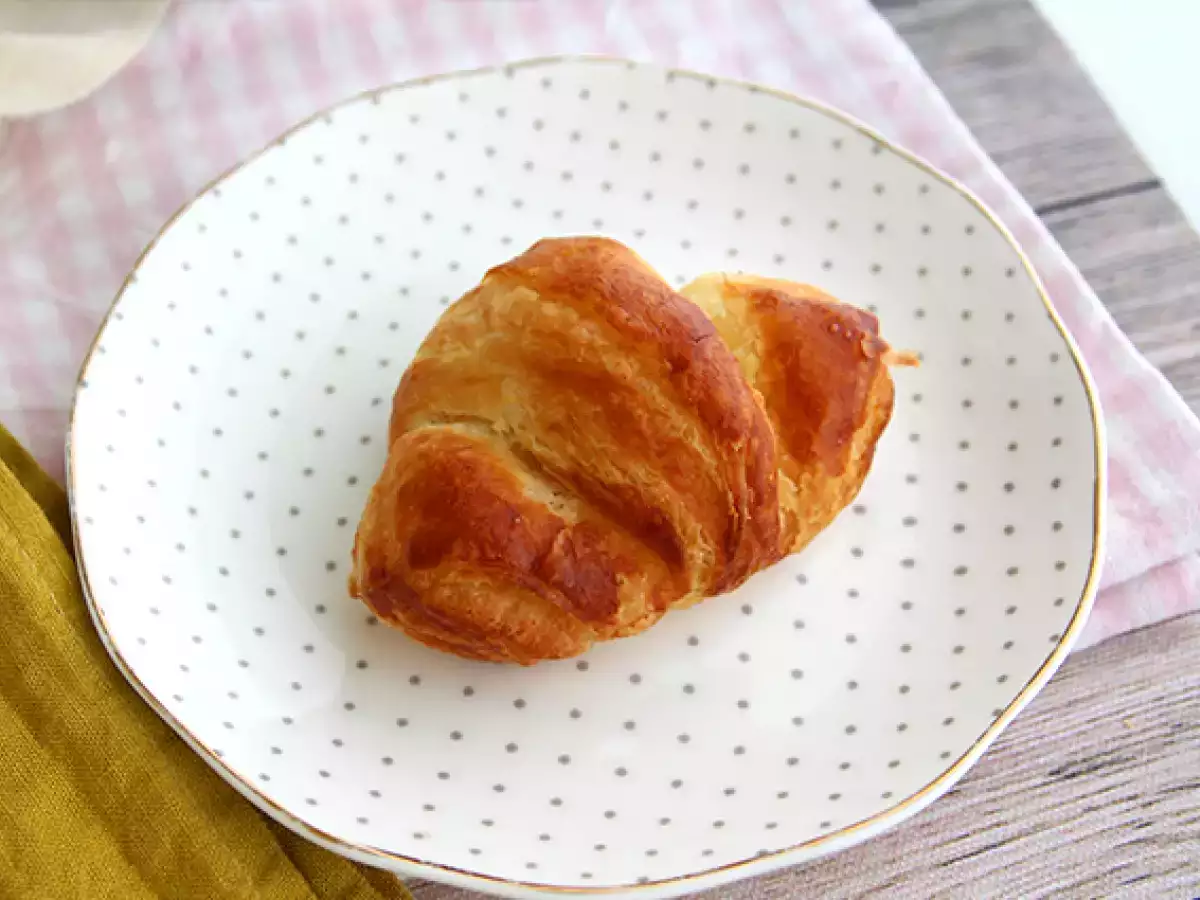
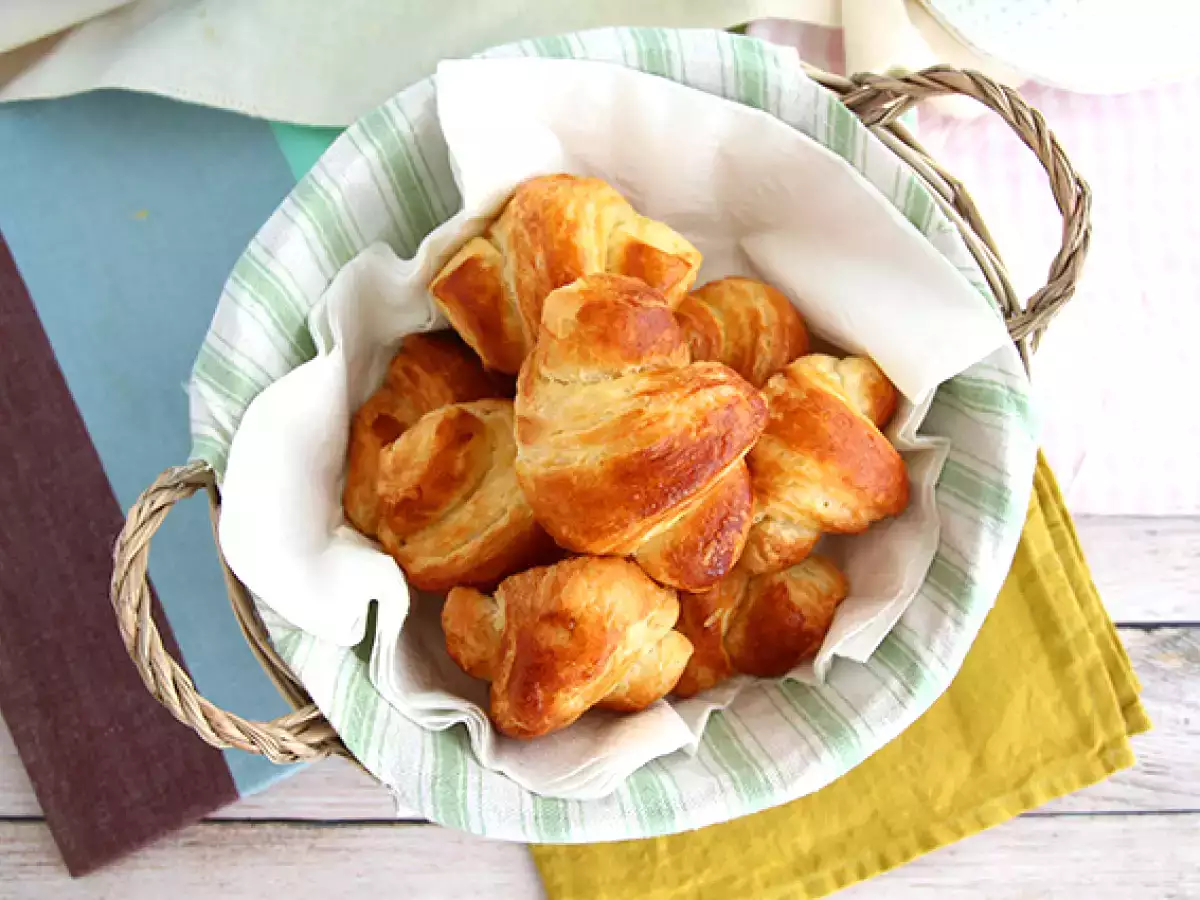
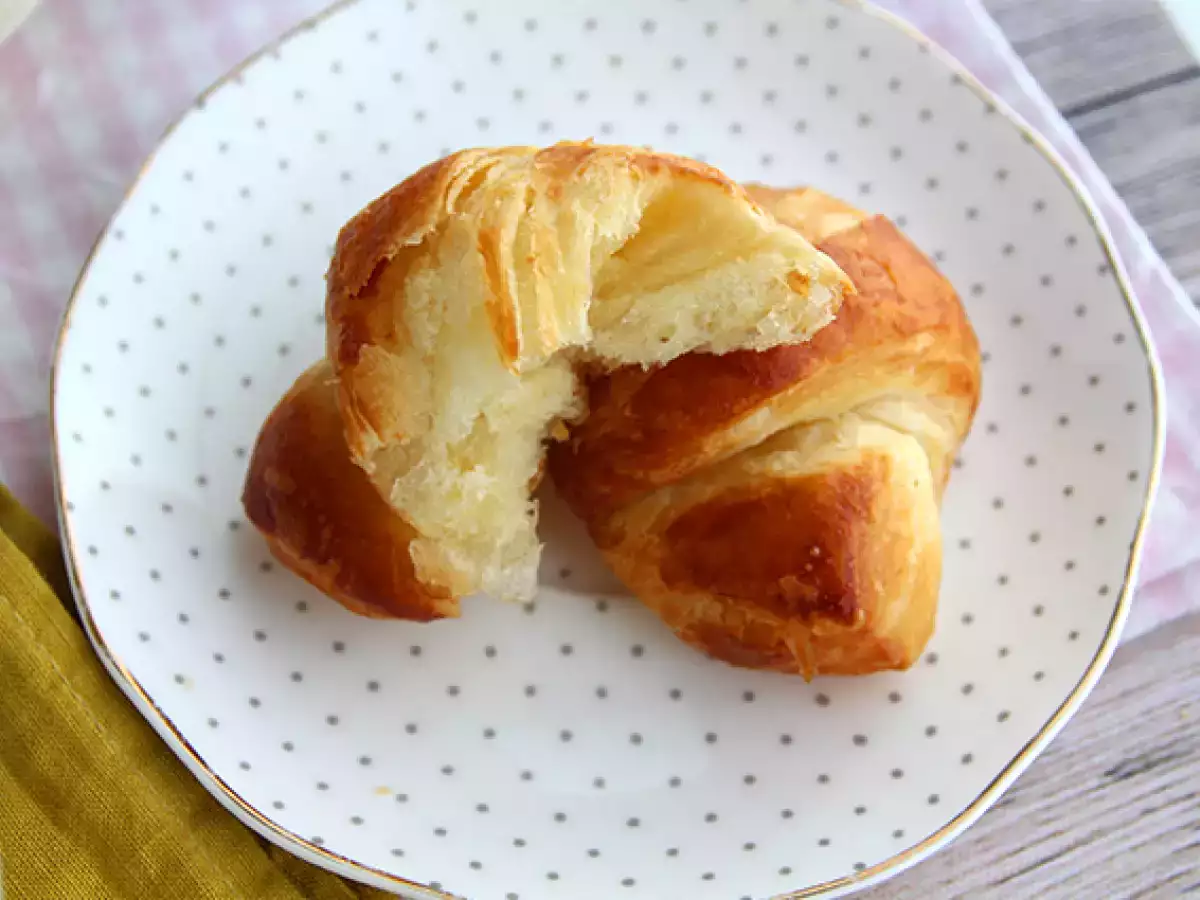
Can you smell that irresistible buttery goodness in the air? Yep… that’s homemade croissants doing their magic! Golden, flaky, crispy on the outside, soft on the inside; basically the breakfast upgrade your family didn’t know they needed. Get ready to bring a little French bakery vibe straight to your kitchen… and try not to eat them before they even reach the table!
Ingredients
Materials
- Stand mixer
Preparation
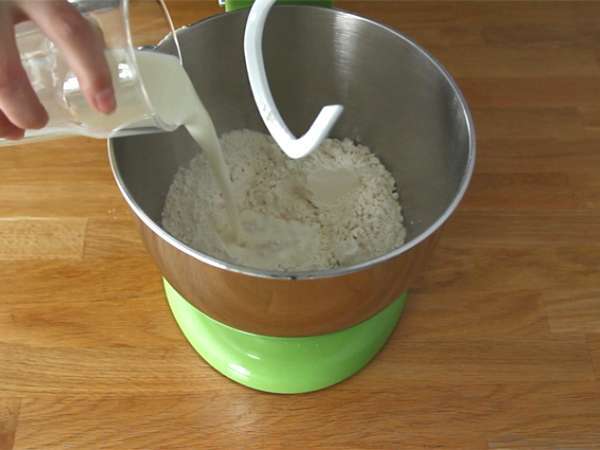 In the bowl of the mixer, add the flour, salt, and sugar, and form a well. Add the crumbled yeast (be careful, it must not touch the salt!). Add the water and milk, and knead at medium speed for a few minutes.
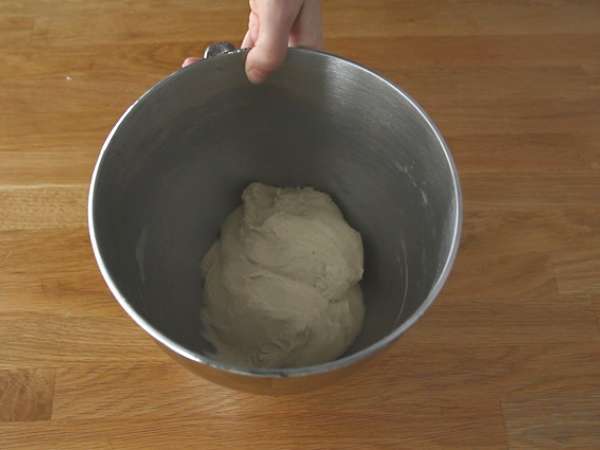 Then let the dough rise at room temperature for 2 hours (or refrigerate overnight).
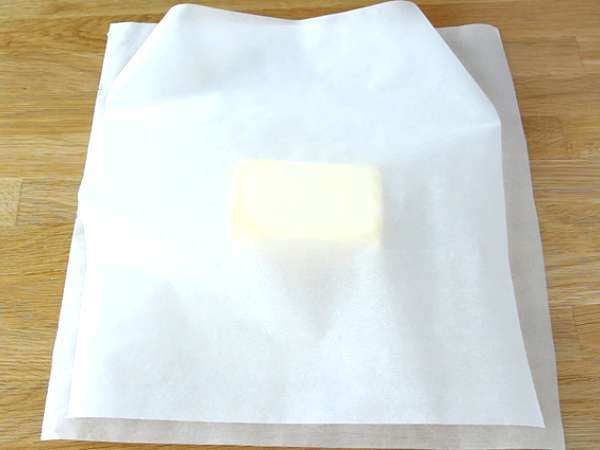 Place your butter slab on a sheet of parchment paper. Put another sheet on top, then tap it with your rolling pin to flatten it.
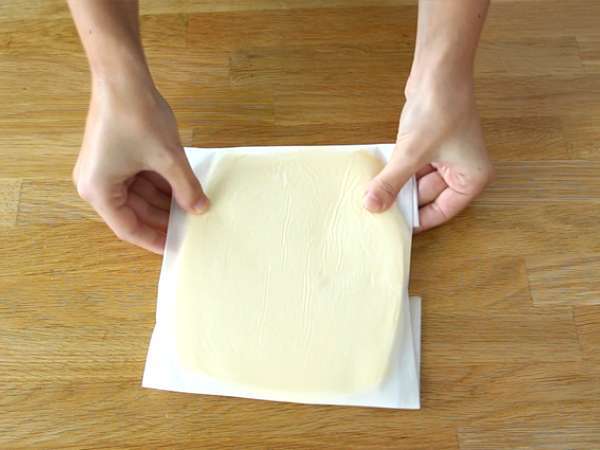 Then, fold the sheets of parchment paper to form a square around the butter. Roll it out to create a nice square of butter, ensuring it is of even thickness everywhere.
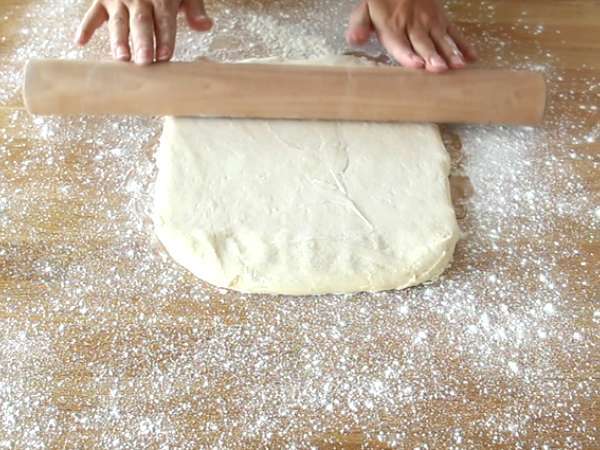 Roll out the previously prepared dough on a floured work surface. Form a rectangle that can accommodate the butter square twice.
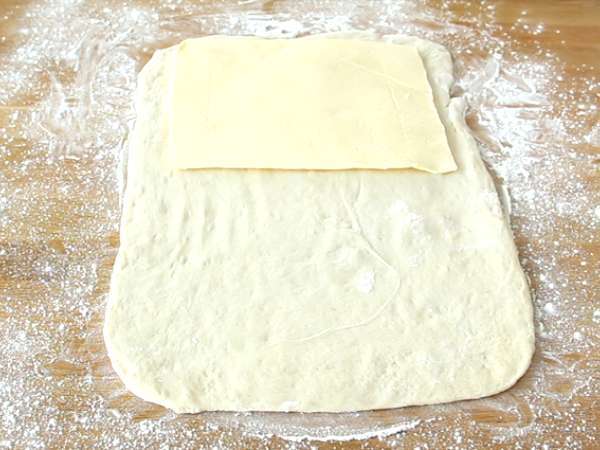 Place the butter square on one side, and fold the dough over it. Don't hesitate to "tighten" the dough at the edges so that it matches the size of the butter.
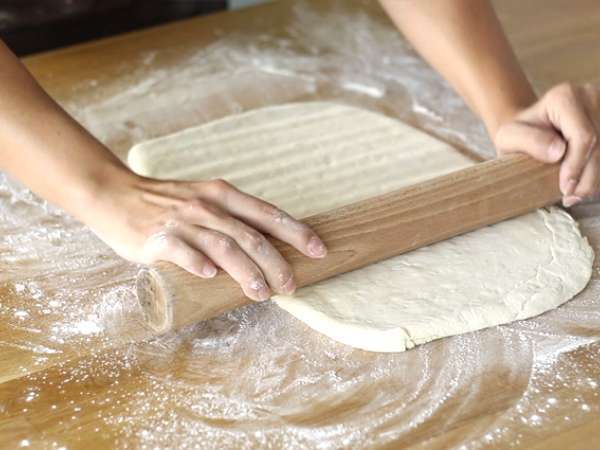 Turn it 90° and gently tap your dough with the rolling pin so that the butter adheres well. This helps to spread the butter in the dough without breaking it. Roll the dough out to about 20 inches/50 cm, keeping a rectangular shape.
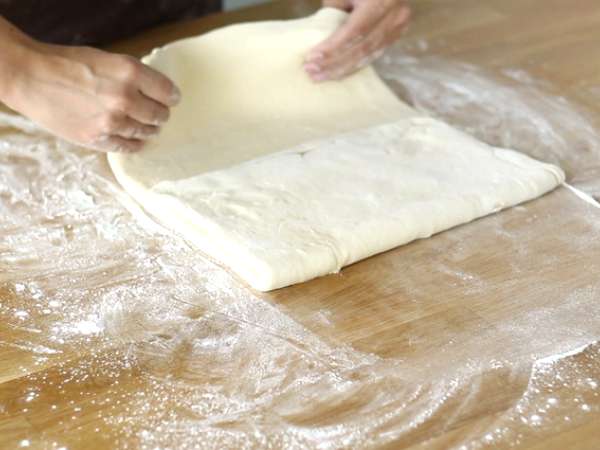 Dust off the excess flour on your dough.
Take the bottom of your rectangle and fold it over about 1 third of the dough. Then, fold the top of the dough over it. Everything must be aligned to create 3 uniform layers.
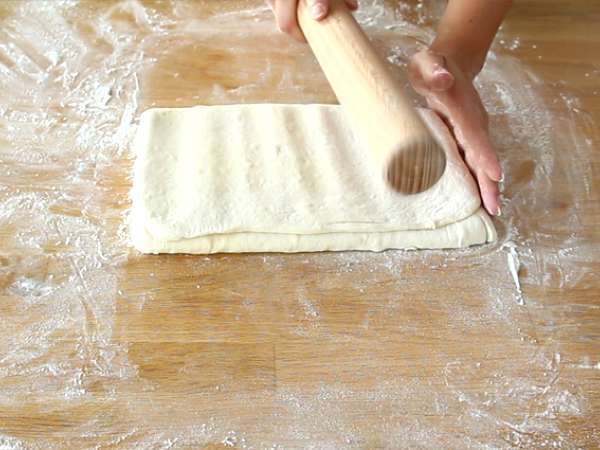 Tap the dough again, then wrap it in plastic wrap and refrigerate for 20 minutes (no more, no less).
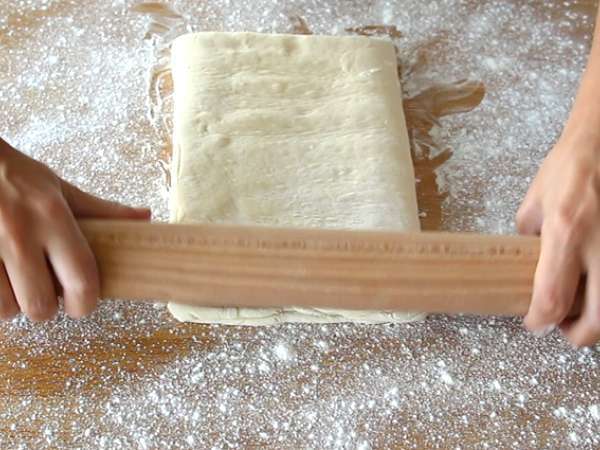 Place the dough back on the work surface, with the 3 layers facing you. Press the edges with your rolling pin to "seal" them. Tap and then roll out the dough in the same way as in the previous step.
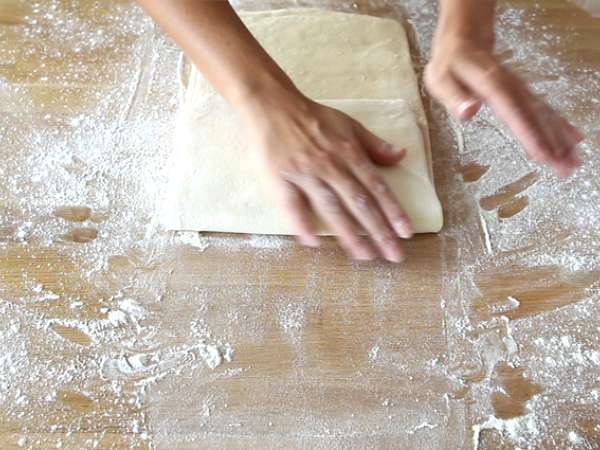 Fold it again into thirds, being careful to dust off the flour on the dough so that it doesn't get caught in the folds. Refrigerate again for 20 minutes.
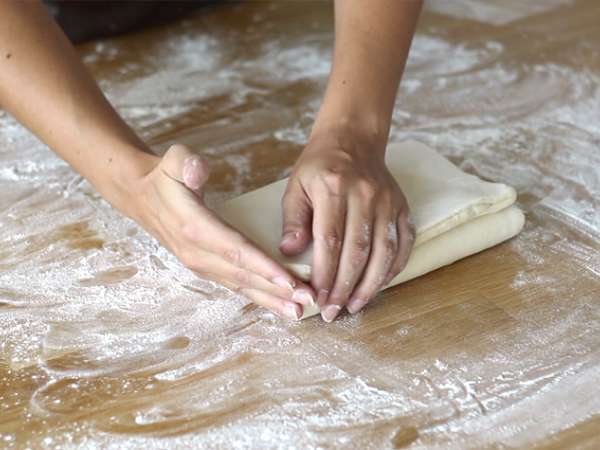 You can repeat this operation a third time to achieve a nice layering. You can only fold it 2 times if you are short on time.
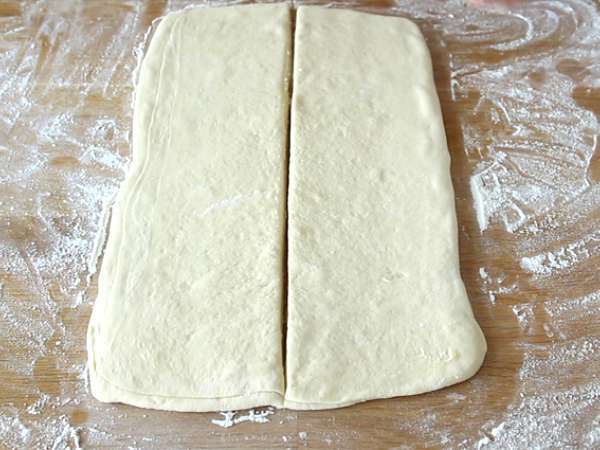 Then roll out the dough into a rectangle of about 10 x 15 inches/25 x 40 cm. Cut it in half lengthwise.
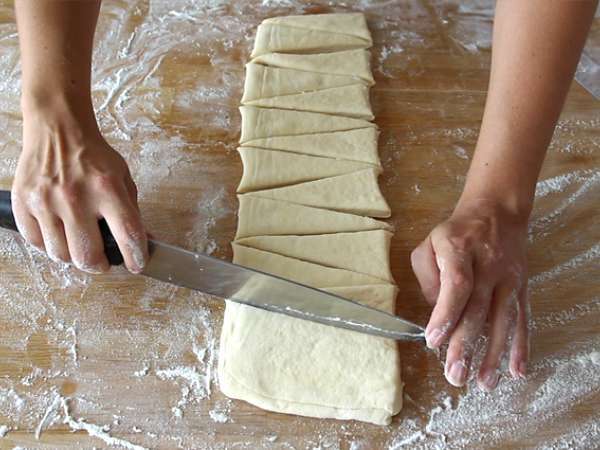 Using a ruler and a good knife, cut out triangles with a base of 2.7 inches/7 cm.
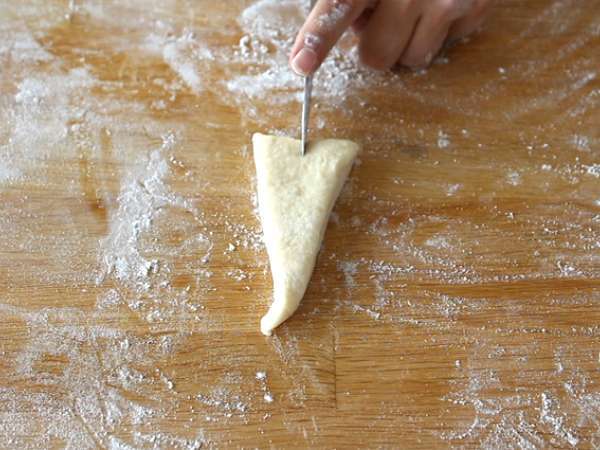 Take a triangle and cut the center of the base by 0.4 inch/1 cm. This will allow you to widen the base when rolling your croissant.
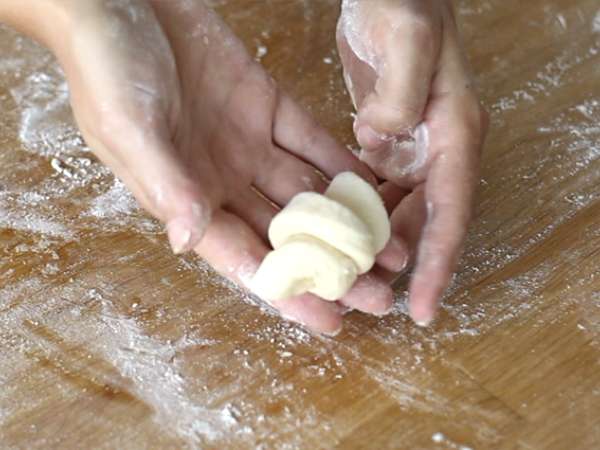 Roll the croissant, widening the base and not tightening too much. Be careful to tuck the tip under the croissant when placing it on a baking tray.
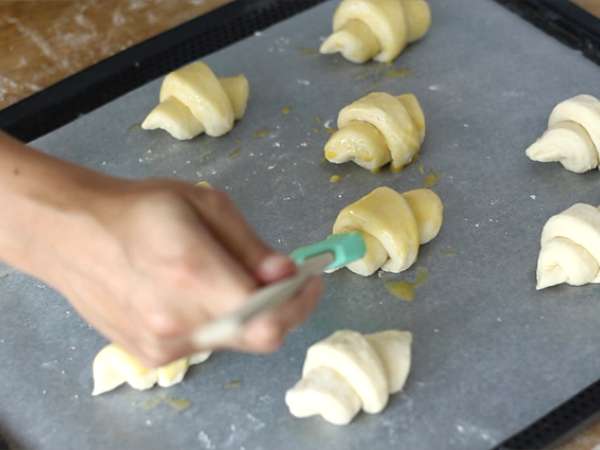 Space your croissants well so they have room to rise. Brush each croissant with beaten egg, then let them sit at room temperature for 2 hours.
 Bake for 20 minutes at 350°F/180°C (check the baking carefully).
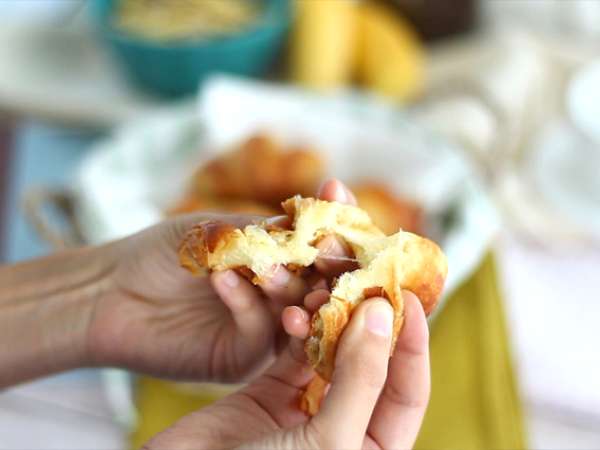 And there you have it, your croissants are ready!
Observations
Butter: For puff pastry, it is generally recommended to use a butter known as "dry", which means it melts at a higher temperature than regular butter. You will find it under the name "tourage butter".
Resting times: They are essential to properly control the temperature of the butter. Be careful, if this time is too short, your butter may become too soft and "marble" (not forming a layer, but lots of pieces). If the time is too long, the butter will harden too much and will spread poorly. The problem will be the same: it will no longer be uniform and the layering will develop poorly.
Freezing: You can freeze your croissants just after shaping them. Then, you can place them on a baking tray in the evening and let them thaw and rise overnight. Thus, bake them in the morning and enjoy fresh and warm croissants.
Nutrition
- Carbo: 37.1g
- Total fat: 11.3g
- Saturated fat: 7.2g
- Proteins: 6.3g
- Fibers: 1.9g
- Sugar: 4.4g
- ProPoints: 8
- SmartPoints: 10
Cookware
Attributes
 PetitChef_Official
 You may like

No-knead french baguettes

How to make pommes dauphines, the french tater tots

Suzette crepes, the traditional french recipe!

Surf and Turf, French Laundry style

Homemade french fries
Paris-brest, a divine french dessert - video recipe!

My French Laundry Experience

Ina Garten's Braised 4-Hour Lamb & Provencal French Beans

La baveuse, a French omelette for a gourmande mouth?
French apple dessert squares

Chewy, crusty french boule

Rate this recipe