French wines perfect for an aperitif: bottles that charm you from the very first sip
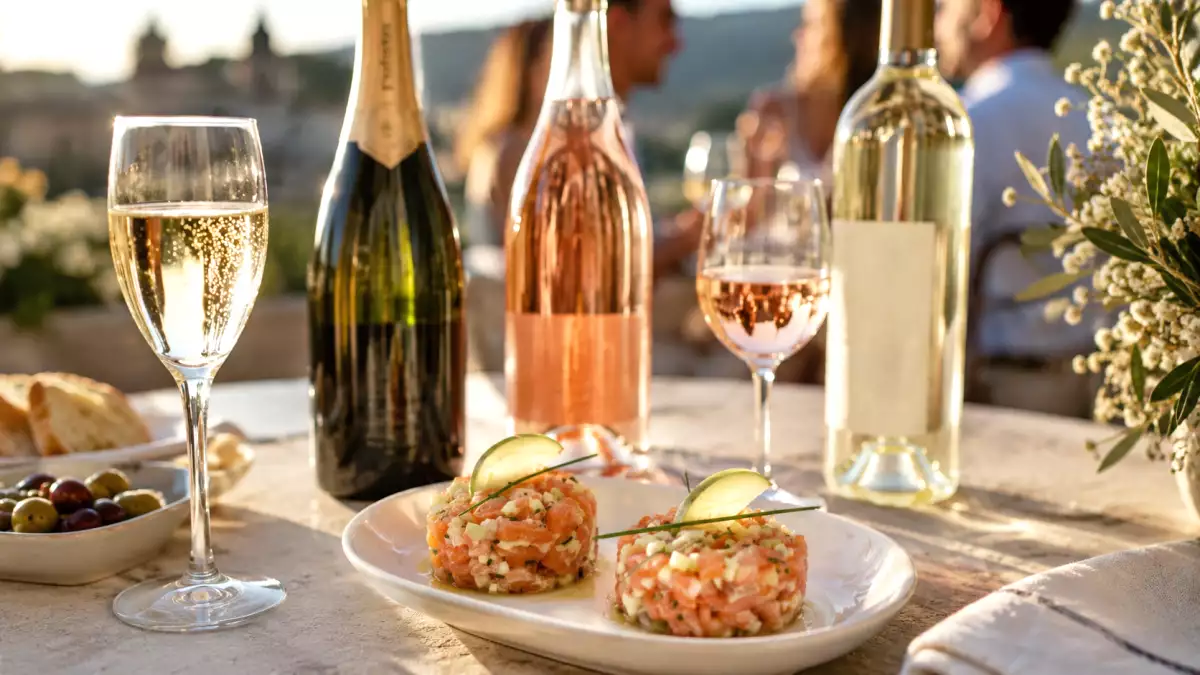
The point isn’t to choose “the most famous wine,” but to find the one that makes the aperitif most enjoyable: a glass that cleanses the palate, enhances the food, and invites a second sip without weighing you down. This guide is designed for those who love to eat well but don’t want to sound like a sommelier: a few clear rules, plenty of concrete examples, and pairings that are easy to bring to the table.
Champagne and Crémant: When an Aperitif Needs to Get Off to a Strong Start
Champagne is perfect when the aperitif centers on elegant appetizers, salmon, fresh cheeses, shellfish, or small buffet-style dishes. Crémant, produced in various French regions such as Alsace, the Loire, Burgundy, and Limoux, is often a more affordable and highly versatile choice: it retains the festive spirit of sparkling wine but with a more everyday feel.
To play it safe, opt for brut or extra brut versions if the food is salty, creamy, or fried. The bubbles cut through the richness, the freshness cleanses the palate, and the result is an aperitif that remains lively from start to finish.
Ideal pairings:
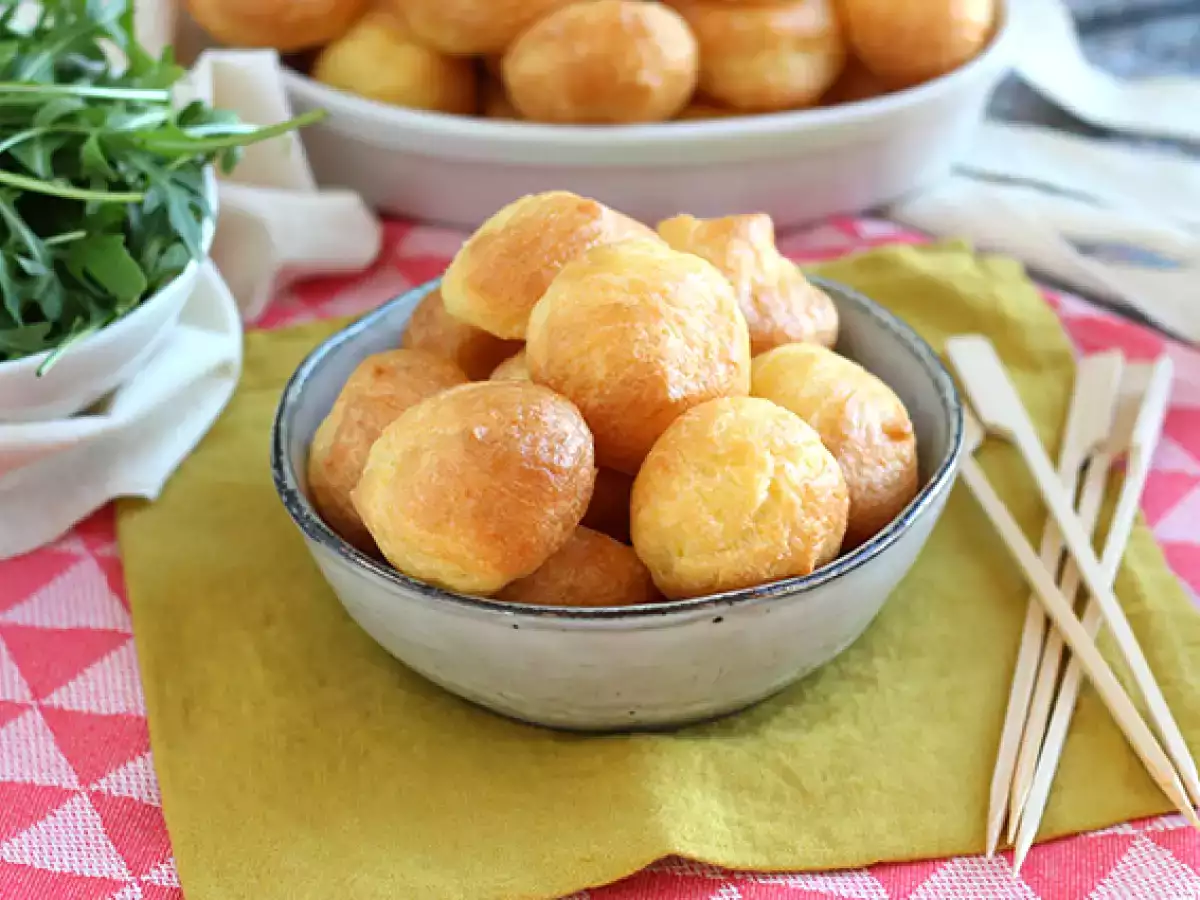
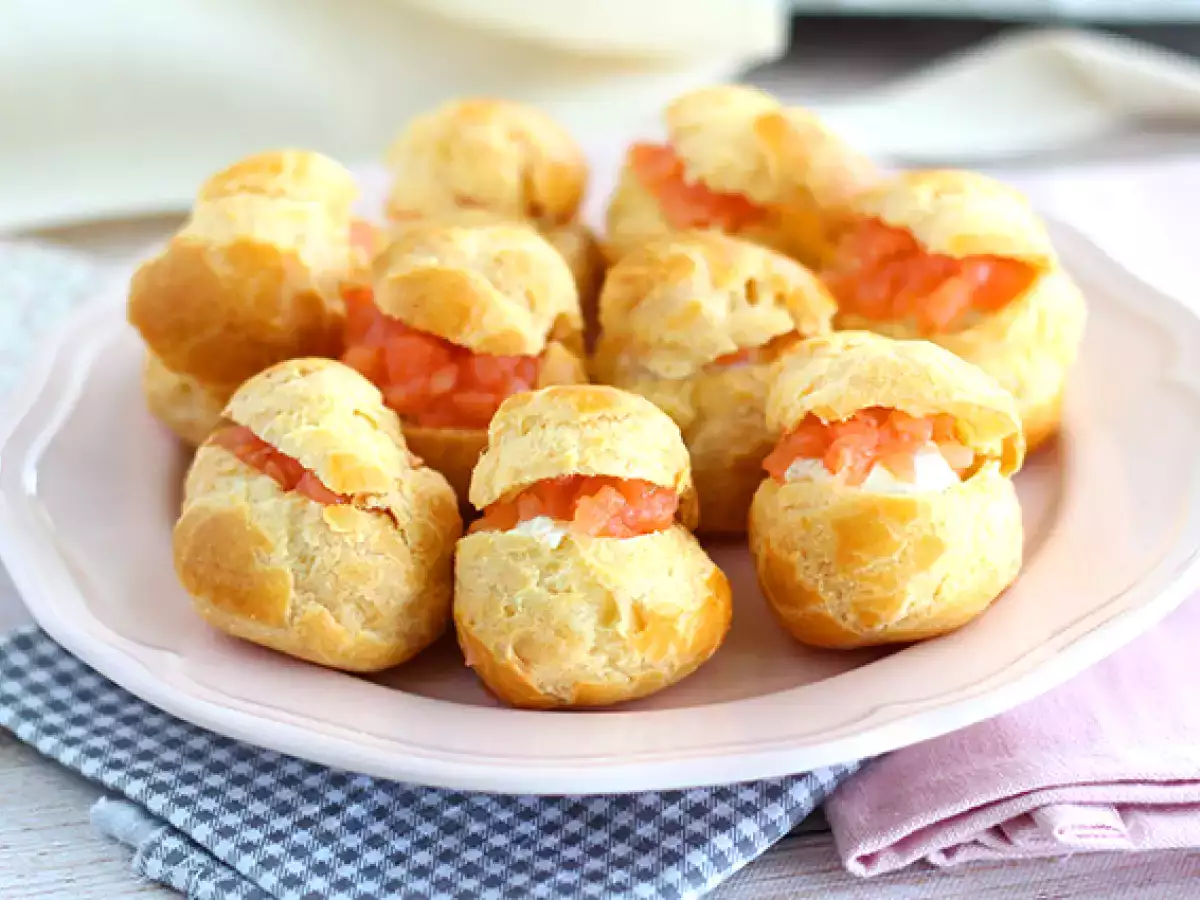
A delightful recipe to showcase your smoked salmon slices, perfect for holiday appetizers. Easy to prepare, you can make your choux in advance and fill them just before serving for a quick preparation. Paired with Philadelphia cream cheese and a hint...
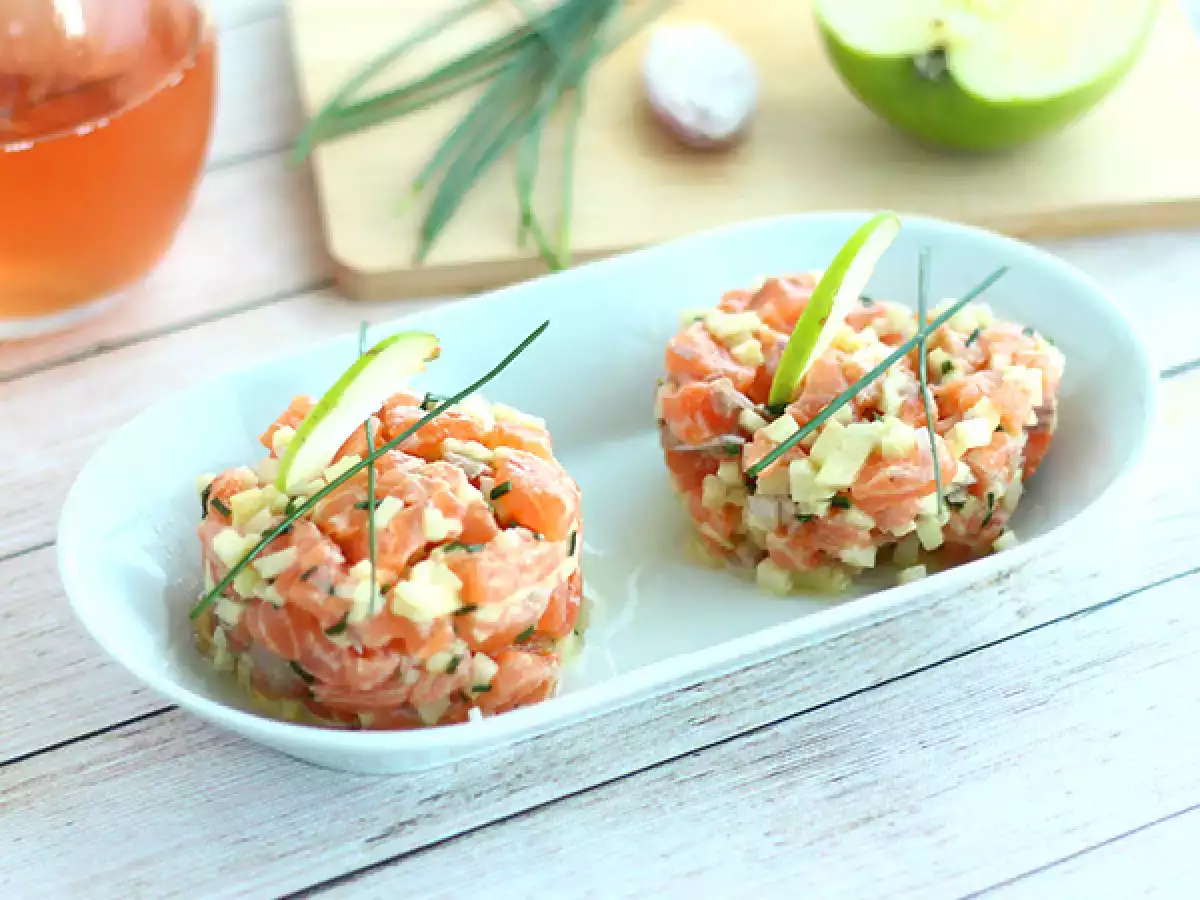
A no-cook recipe that never gets old, especially when it's easy to make! For your salmon and green apple tartare, all you need to do is chop the ingredients, mix them, and you're done! A fresh and quick recipe, perfect for summer when it's hot.
Loire Valley Sauvignon Blanc: a crisp white wine that pairs well with goat cheese, herbs, and vegetables
French Sauvignon pairs well with fresh, green flavors: goat cheese, zucchini, asparagus, fresh herbs, light canapés, and dishes with a touch of acidity. It’s an excellent choice when the meal isn’t too rich in fat but instead features fragrant, spring-like ingredients.
A common question is: Which French wine should you choose with goat cheese? Loire Sauvignon is one of the safest bets. Its acidity balances the creaminess of the cheese, while its herbal notes pair well with herbs, vegetables, and savory dishes.
Ideal pairings:
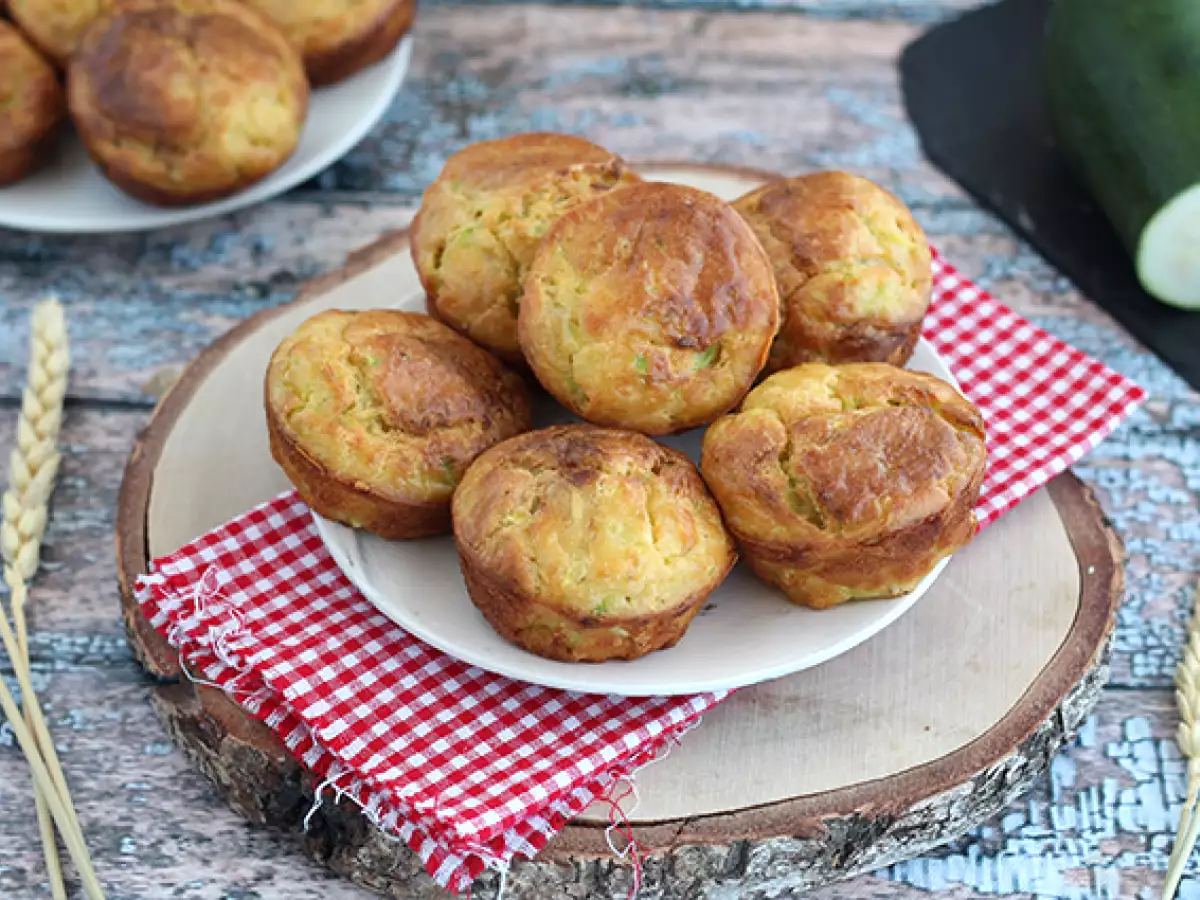
For appetizers, try these savory and vegetarian muffins. A very easy recipe to make and ready in no time. Thanks to the addition of zucchini and goat cheese, this recipe will also be perfect for getting the whole family to eat their vegetables ;-)...
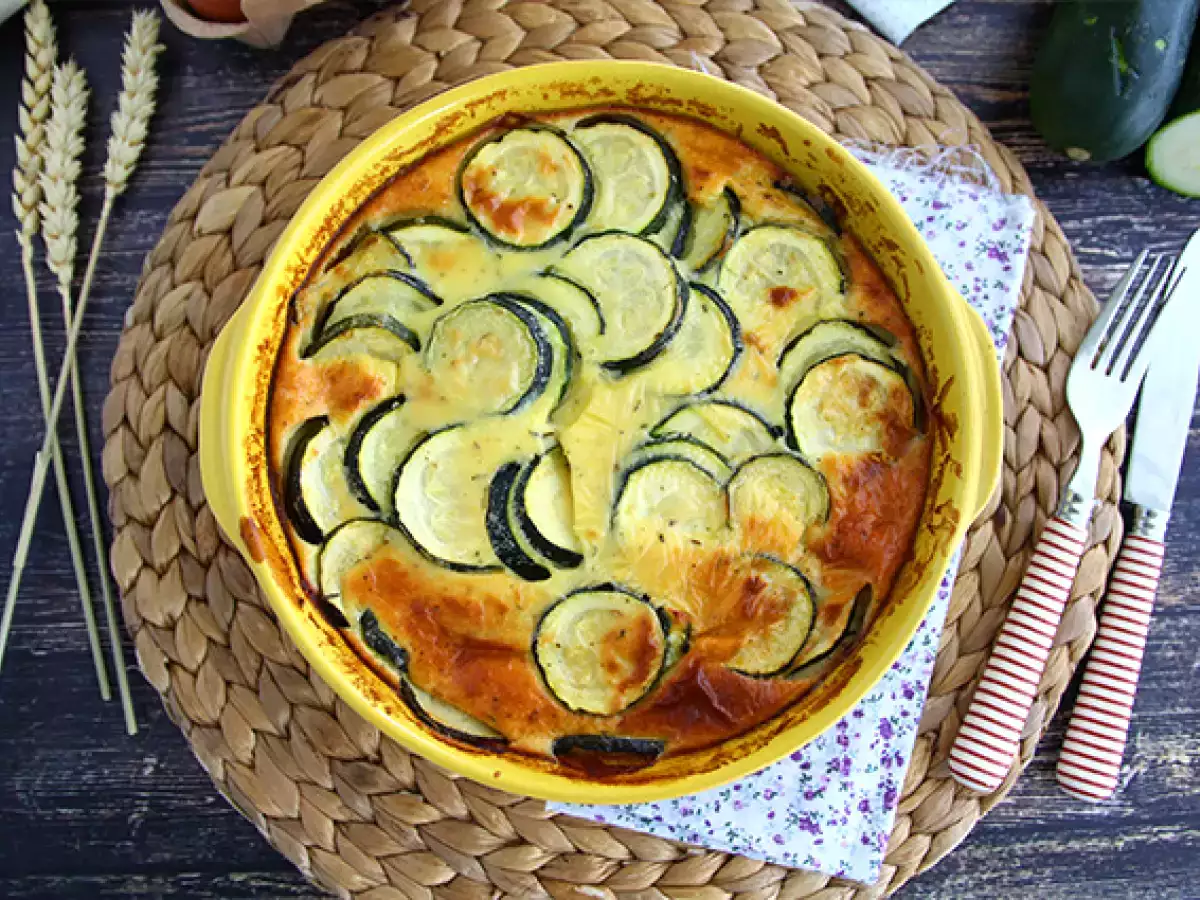
Indulge in this savory clafoutis made with zucchini and goat cheese! A great idea to get the whole family to eat vegetables! This recipe is super easy to make and will be perfect as a side dish for meat or fish. We provide you with written...
Chablis and Burgundy Chardonnay: Simple Elegance for Quiches and Cheeses
When an aperitif turns into a small buffet featuring savory tarts, quiches, mushrooms, and cheeses, French Chardonnay fits right in. But be careful: not all Chardonnays are the same. A Chablis is more crisp, fresh, and mineral-driven; some Burgundy whites are softer, rounder, and more enveloping.
For an aperitif, the best choice is to stick with wines that aren’t too high in alcohol or too oaky. You need a wine that complements the buttery elements of the dishes without overwhelming them with heaviness. Chablis, Mâconnais, and some of the fresher Burgundy appellations are excellent choices.
They pair wonderfully with eggs, shortcrust pastry, medium-intensity cheeses, mushrooms, and creamy fillings. The wine brings balance to each bite: it makes the quiche cleaner, the soufflé more interesting, and the flavor of the mushrooms more harmonious.
Ideal pairings:
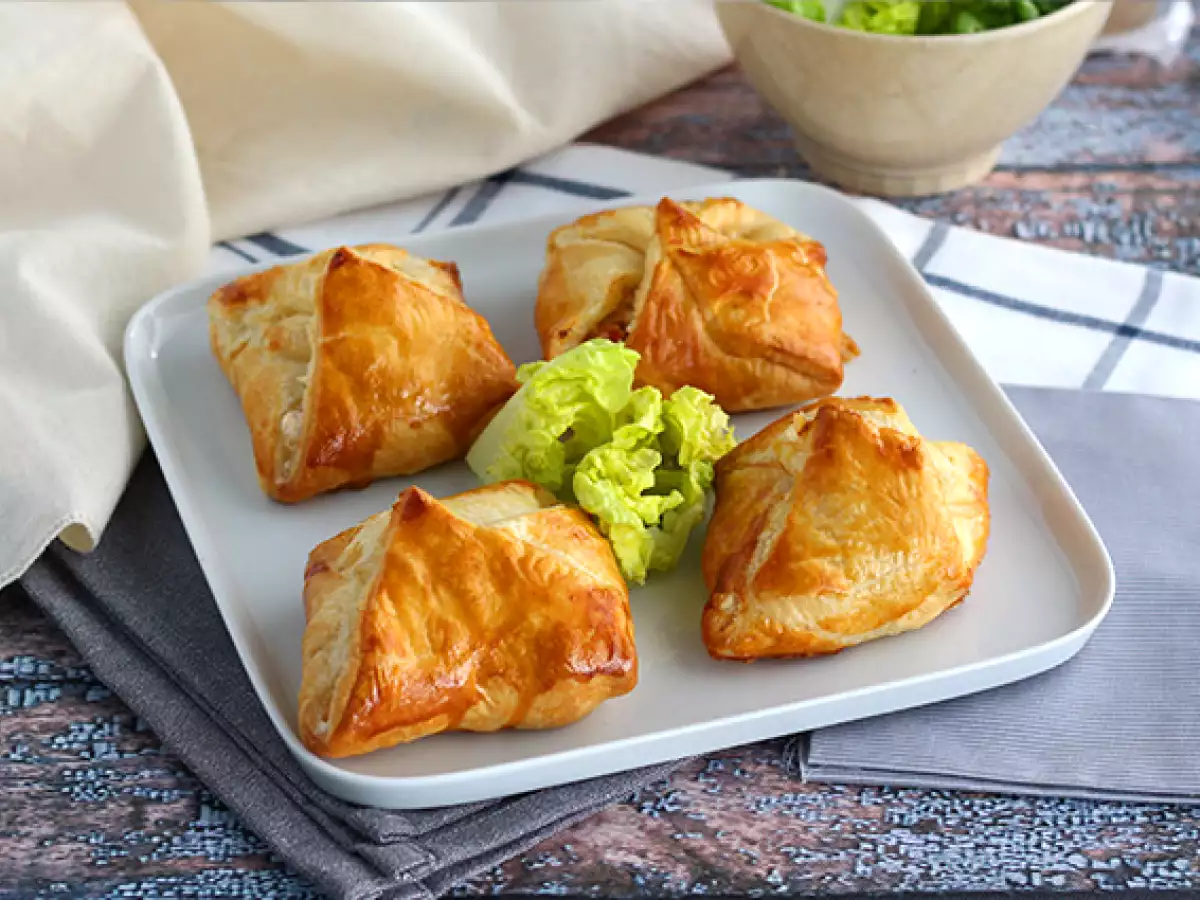
There's no doubt about it, recipes made with puff pastry are often the tastiest . Today we will look at how to make simple dumplings with smoked salmon and fresh goat cheese : the perfect combination to bring a mouth-watering appetiser to the...
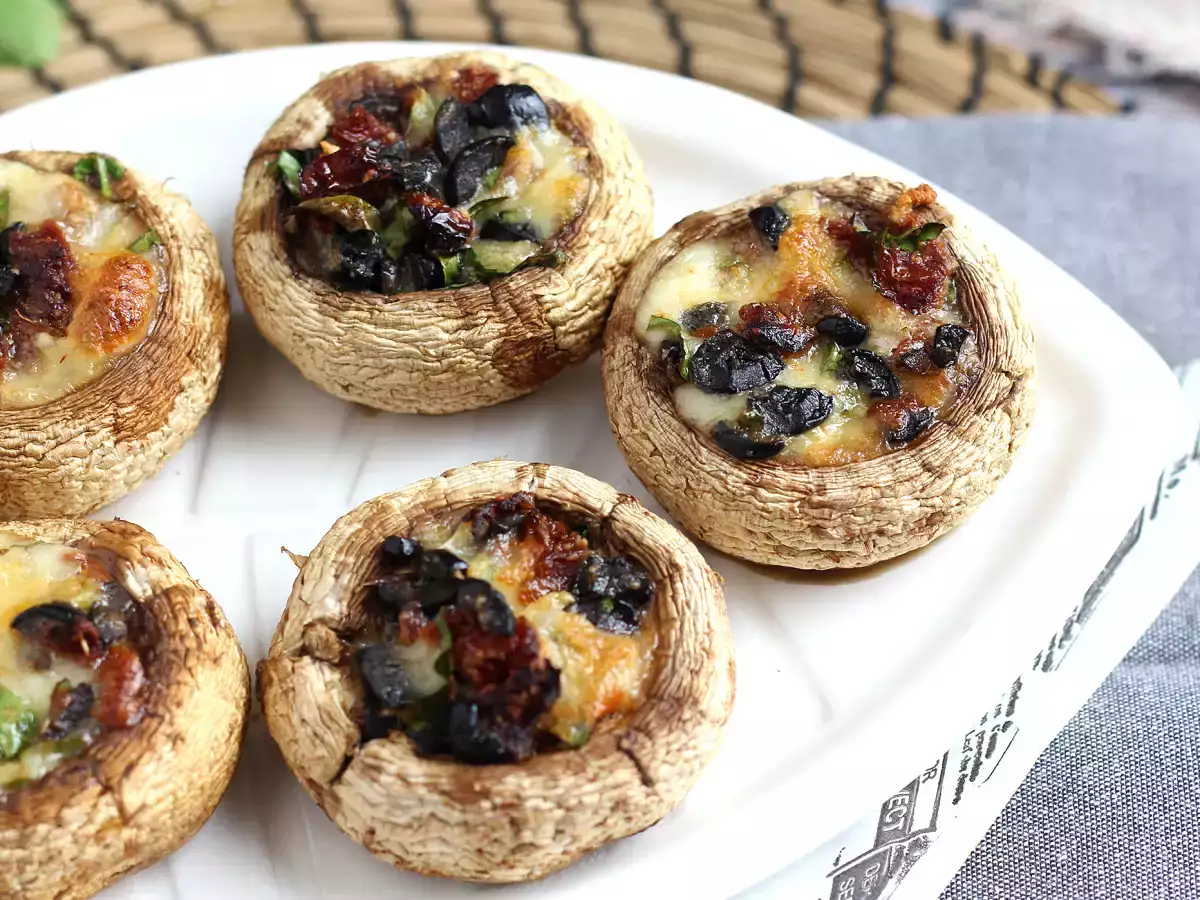
We had some leftover mushrooms last time, and instead of making a sauté, we decided to bake them! But first, we stuffed them with a fragrant mixture that we love. Thanks to the mozzarella, this mixture holds together well. You can cut your mushrooms in...
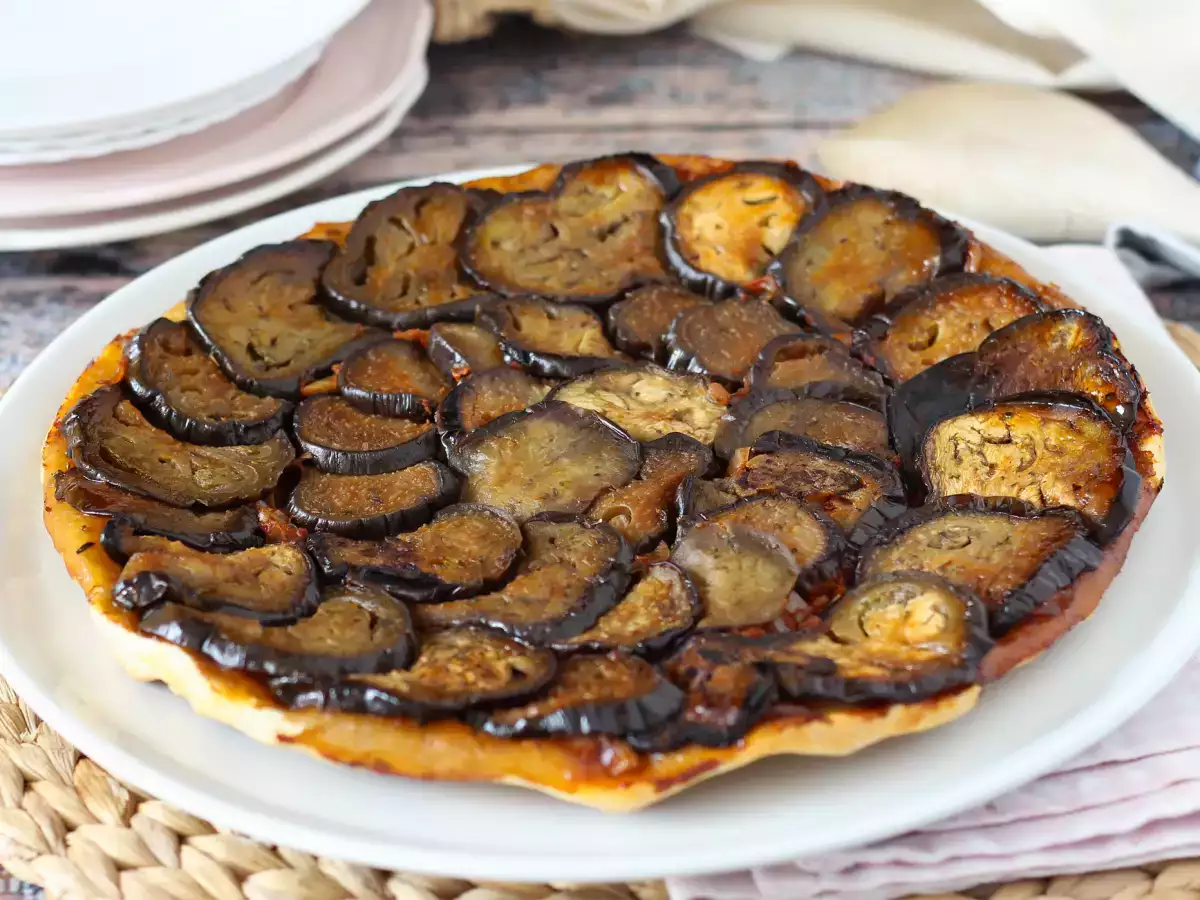
After the sweet apple version, we decided to showcase eggplants in our savory Tatin recipe. To enhance the flavors, we pair it with tomato sauce, dried oregano, and honey for a touch of sweetness. Super easy to make, this Tatin will perfectly accompany...
Provençal Rosé: The Versatile Wine That Saves Summer Cocktails and Mixed-Company Dinners
It’s the perfect wine to pair with bruschetta, vegetables, tomatoes, olives, small seafood dishes, mild cured meats, and fresh cheeses. It doesn’t try to steal the show: it complements, refreshes, and adds a summery touch to everything.
What should you pair a French rosé with? The simplest rule is to consider the color and lightness of the food. If the dish includes tomatoes, herbs, tuna, mozzarella, grilled vegetables, or Mediterranean flavors, a Provençal rosé is often a spot-on choice.
It’s also a perfect bottle when guests have different tastes: those who love whites find it refreshing, while those who prefer reds appreciate its subtle fruity notes.
Ideal pairings:
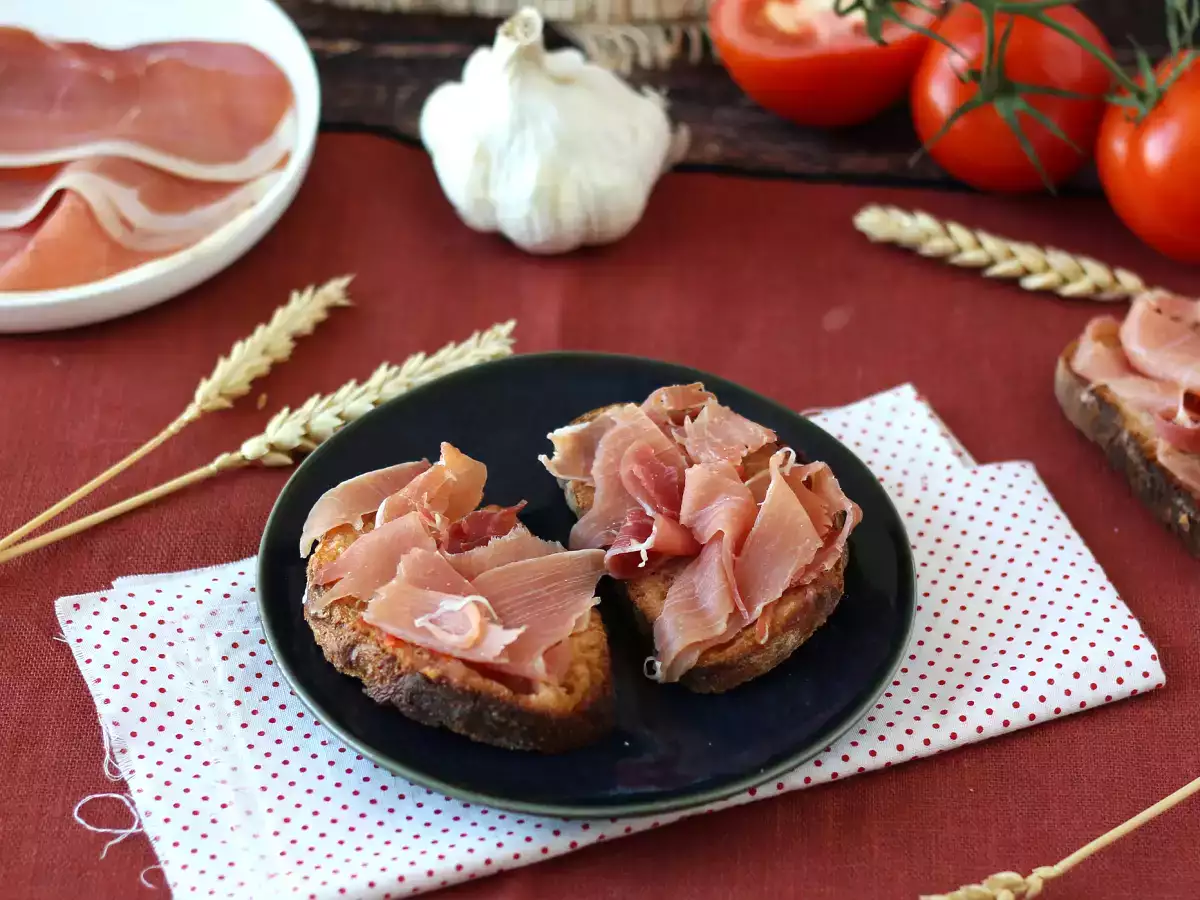
For a super simple, quick and no-bake meal, we always go for toast! Today, we are preparing a version with delicious Spanish flavors , inspired by the famous "pan con tomate" , the famous tapas made from toasted bread, with grated garlic and...
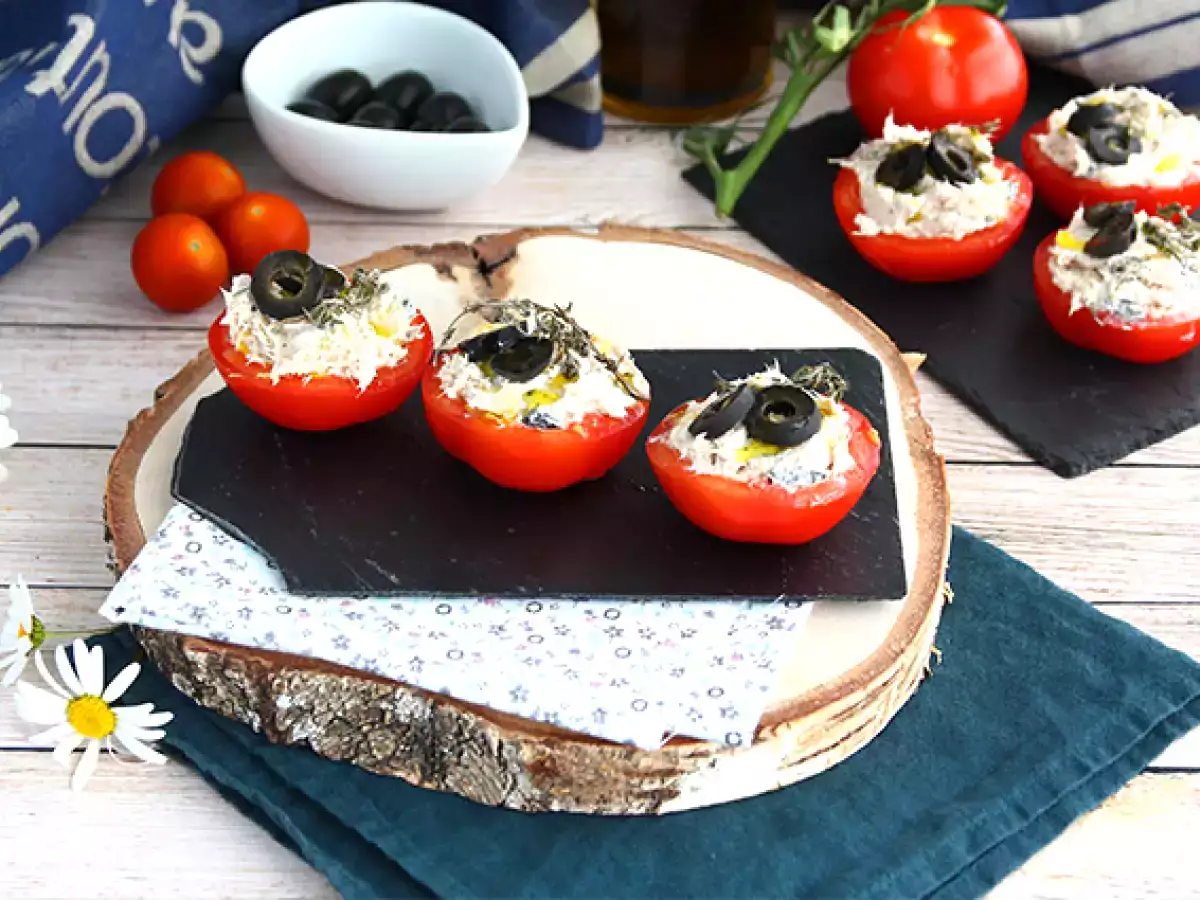
No-cook cuisine is possible, easy, and above all delicious! To convince you, taste our stuffed tomatoes with tuna, cream cheese, and olives! Ready in just 10 minutes, these stuffed tomatoes are perfect as a starter or to place on a mixed salad plate....
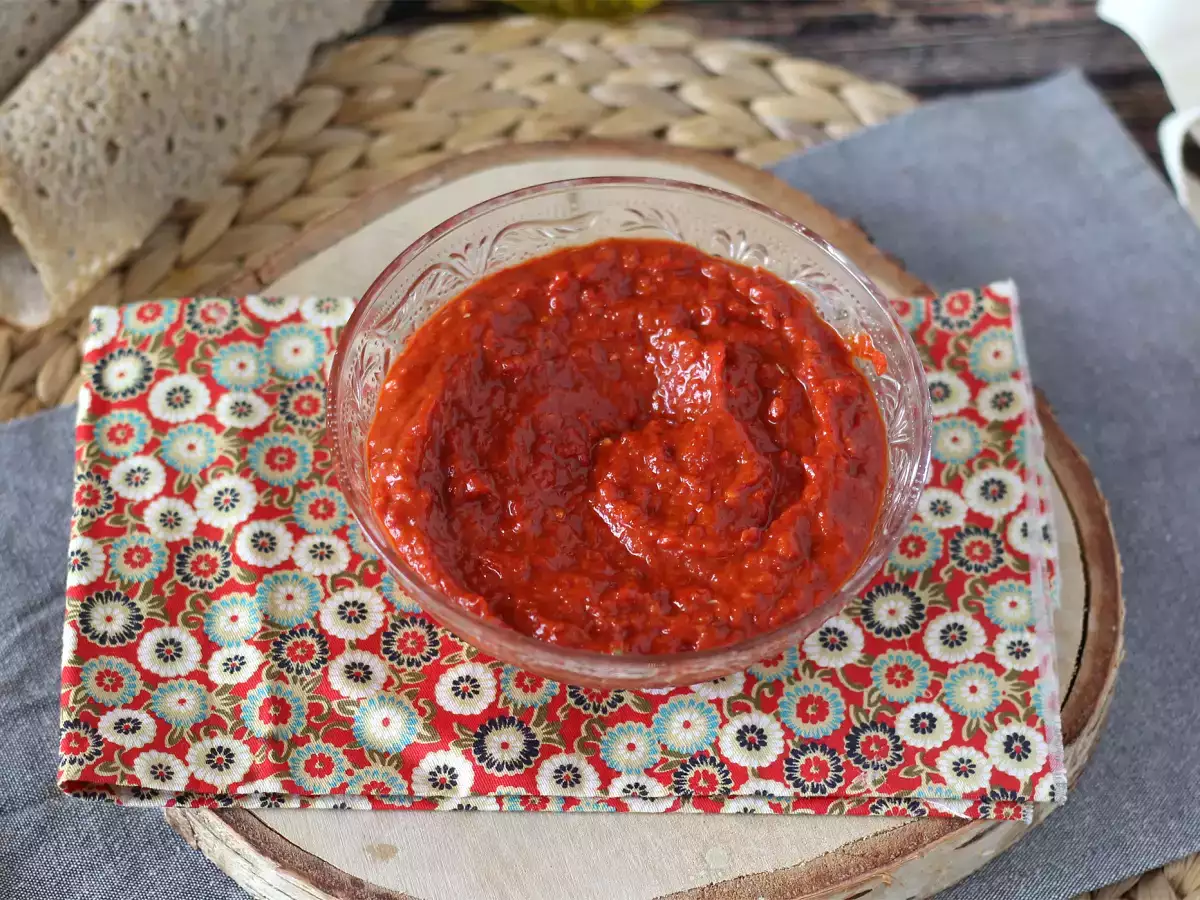
Until now, we were fans of hummus, guacamole, and tapenade for appetizers! Now, a new preparation regularly graces our table: a red pepper spread. Here, we share our super easy recipe. Don't forget the chips and vegetable sticks to accompany it...
Beaujolais and Pinot Noir: light red wines best served chilled with cold cuts and cheeses
The secret is to avoid reds that are too full-bodied. An aperitif needs a light, lively quality—not a wine that overwhelms the palate. Beaujolais and Pinot Noir work well because they offer aromatic complexity, juiciness, and gentle tannins. These are wines that are also enjoyable before dinner, especially with richer or more flavorful dishes.
These reds are at their best with Camembert, Brie, rillettes, or a savory tart with dried fruit: they complement the creaminess without creating harsh contrasts. Serving them at a slightly lower temperature than usual makes them even more suitable as an aperitif.
Ideal pairings:
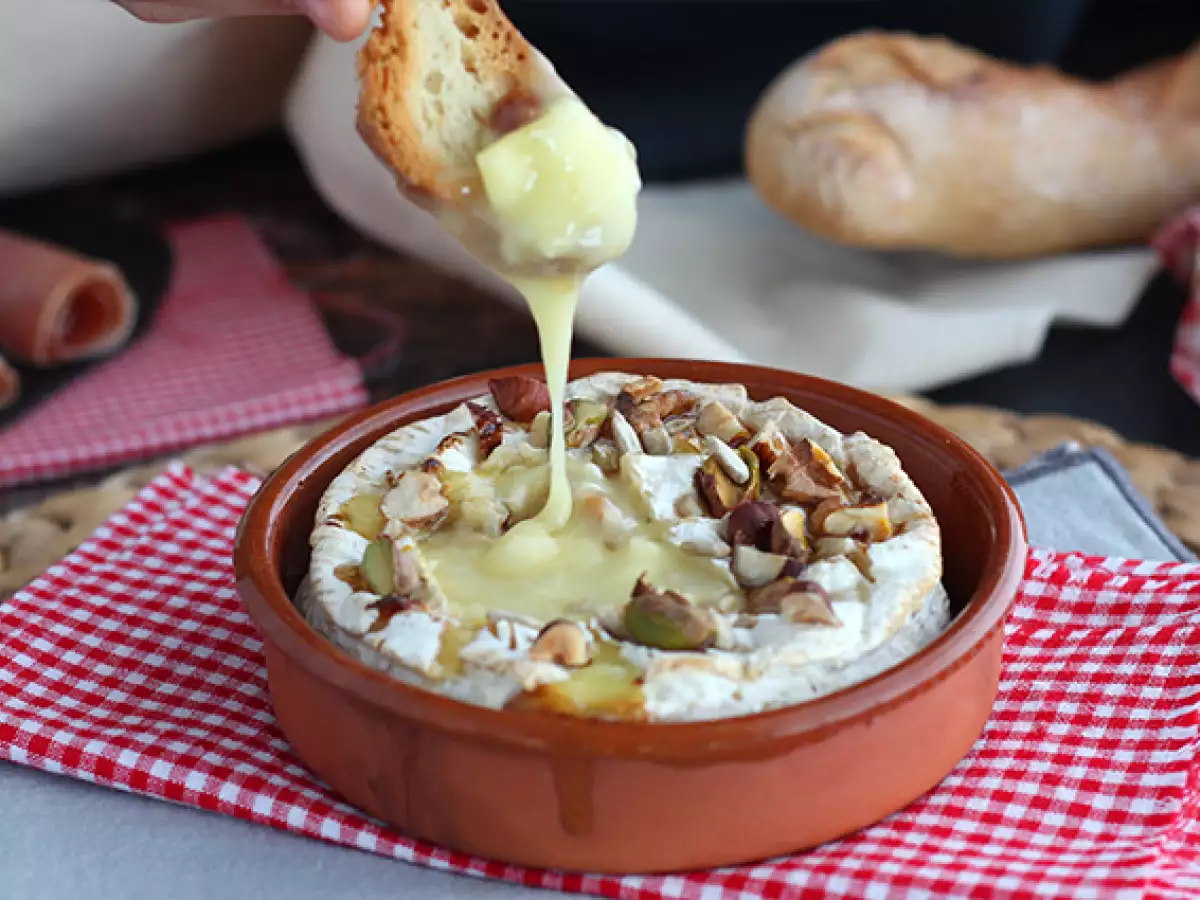
When you need a melting and especially comforting recipe, what could be better than baked Camembert?! Topped with honey and sprinkled with nuts, we assure you a delicious tasting experience! Serve this baked Camembert as an appetizer with toasted bread...
Riesling and Alsatian whites: freshness, spices, and unique aperitifs
Alsace is a treasure trove for anyone looking for a French aperitif that’s a little out of the ordinary. Riesling, Pinot Gris, and Gewürztraminer can pair well with savory, spicy, or slightly sweet-and-spicy dishes—as long as you choose the right style.
Dry Riesling is excellent with light fried foods, fish, croquettes, and lemon-based dishes: its acidity, aroma, and clean finish make the meal feel less heavy. Gewürztraminer, which is more aromatic, should be paired with care: it can be magnificent with spices, mild curry, and intense cheeses, but it risks overpowering foods with too delicate a flavor.
For a successful aperitif, here’s a quick guide:
- Dry Riesling: fish, fried foods, citrus fruits, croquettes;
- Pinot Gris: cheeses, savory tarts, and milder bites;
- Gewürztraminer: spices, curry, aromatic flavors, and blue cheeses;
- Crémant d’Alsace: when you want to stick with sparkling wine but prefer a fruitier profile.
This is the most intriguing section for those who want to surprise their guests without complicating the service.
Ideal pairings:
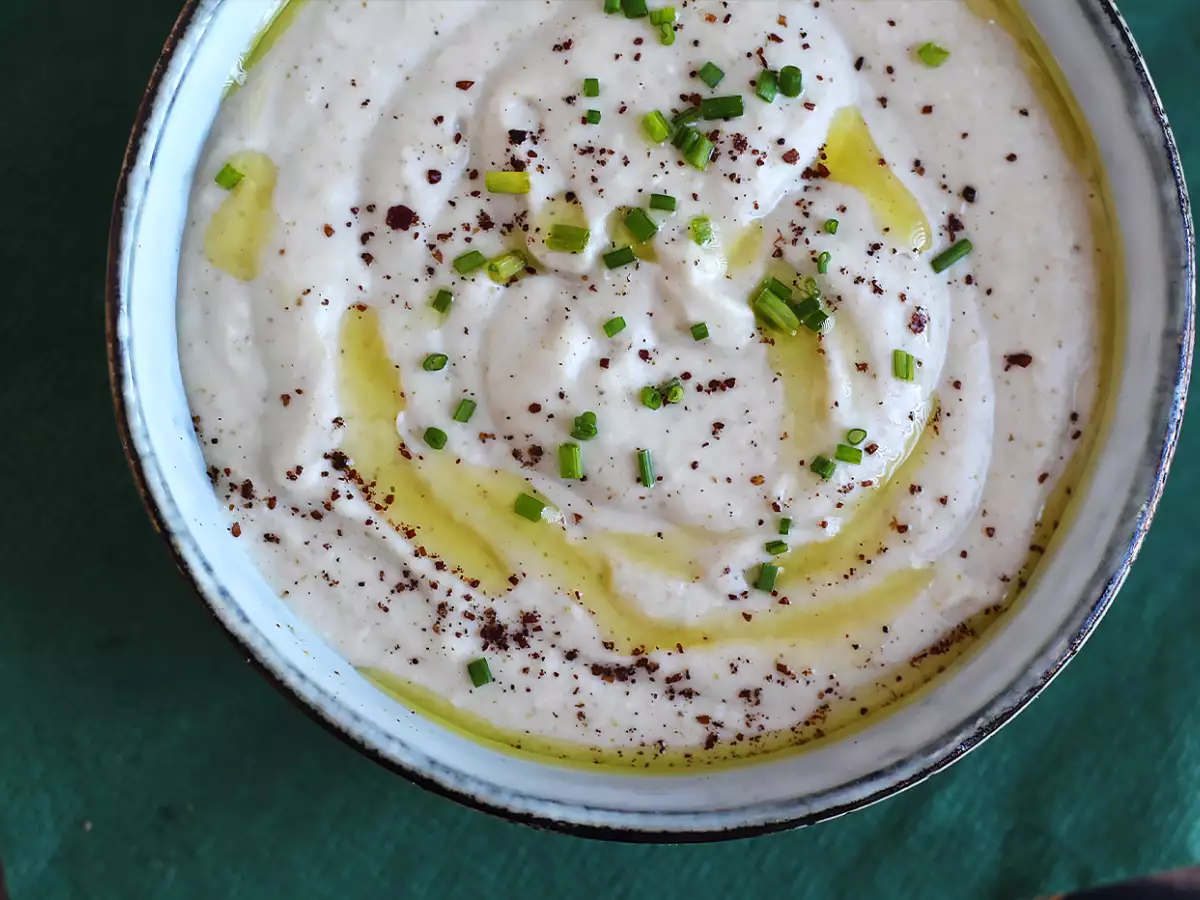
You probably already know hummus, that silky Lebanese dip made with chickpeas. Today, we add a twist by substituting chickpeas with white beans. This easy, healthy, economical, and very tasty recipe can be prepared in just 5 minutes and is perfect for...
How to choose the right French wine for an aperitif
One final practical tip: for an aperitif, it’s best to choose wines that are fresh, well-balanced, and not too high in alcohol. Wine should whet the appetite, not dampen it. And when the pairing works, you can tell right away: the food tastes better, the glass looks more inviting, and the evening gets off to a great start.
 Daniele Mainieri
Comments