9 everyday foods you should never eat raw: the surprising health risks behind each one right now

1. Chicken: always cook it through
Instead of taking risks, turn chicken into something crisp, roasted or saucy. A cooked chicken dinner gives you flavor, texture and peace of mind. Use a thermometer when possible, especially for thick pieces, and remember that poultry should be cooked to a safe internal temperature before serving.
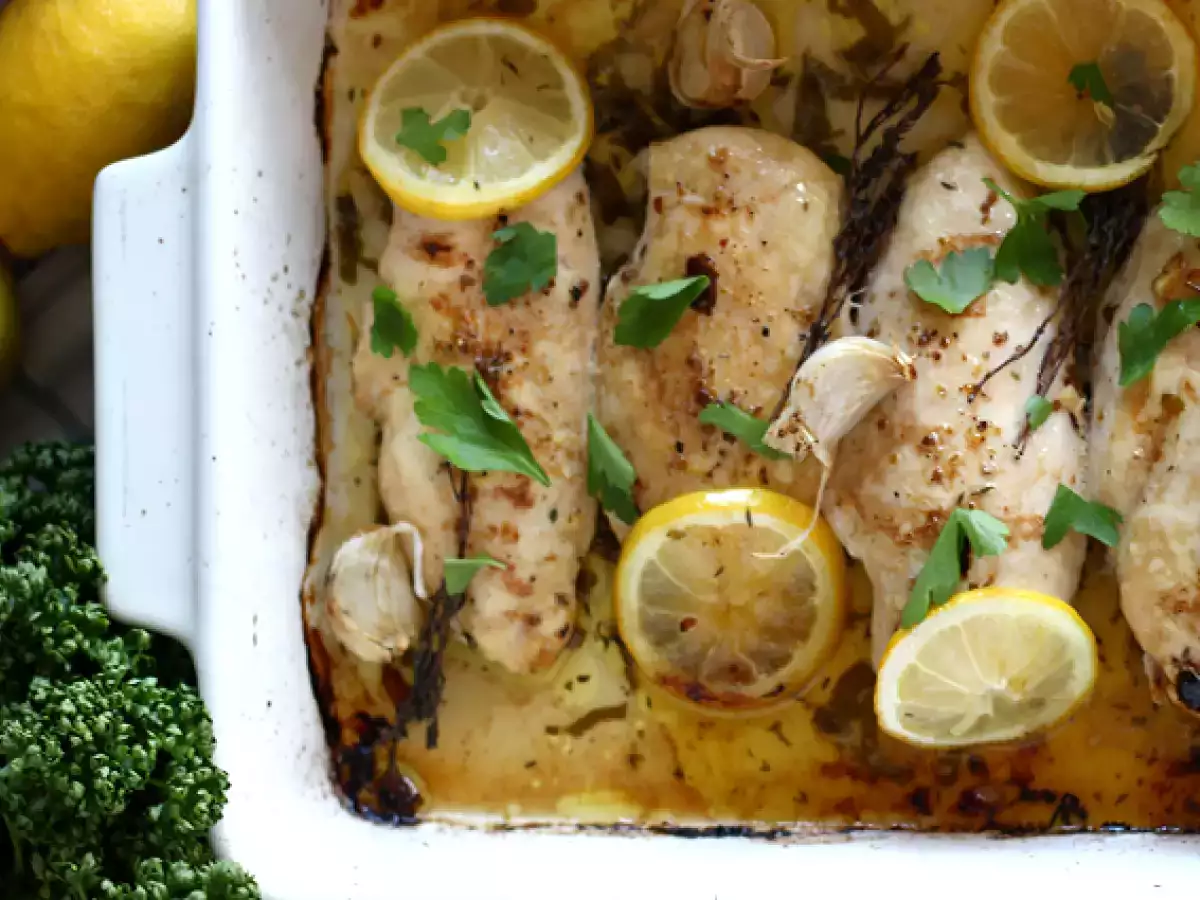
This is a very simple recipe to make, quick and convenient for family meals. It takes no time to prepare and cooks itself in the oven without dirtying the kitchen. In half an hour, your meal is ready! You can serve these lemon breasts with basmati...
2. Pork: delicious, but not raw
The good news is that cooked pork can be tender, juicy and deeply satisfying. Roast it, braise it or slow-cook it, then serve with vegetables or lentils for a proper meal. Safe does not mean sad; it means cooked with confidence.

When we think about a Sunday meal, we often have a roast accompanied by sautéed potatoes and green beans in mind ;-) So we offer you our recipe for roast pork baked in the oven along with all our tips for optimized preparation :-) Time, temperature,...
3. Ground meat: the center matters
For ground meats, use a food thermometer if you can, and cook until the center is safe. This is especially important for children, older adults and anyone with a weakened immune system. Choose cooked patties, meatballs or sauces rather than raw preparations when safety is the priority.
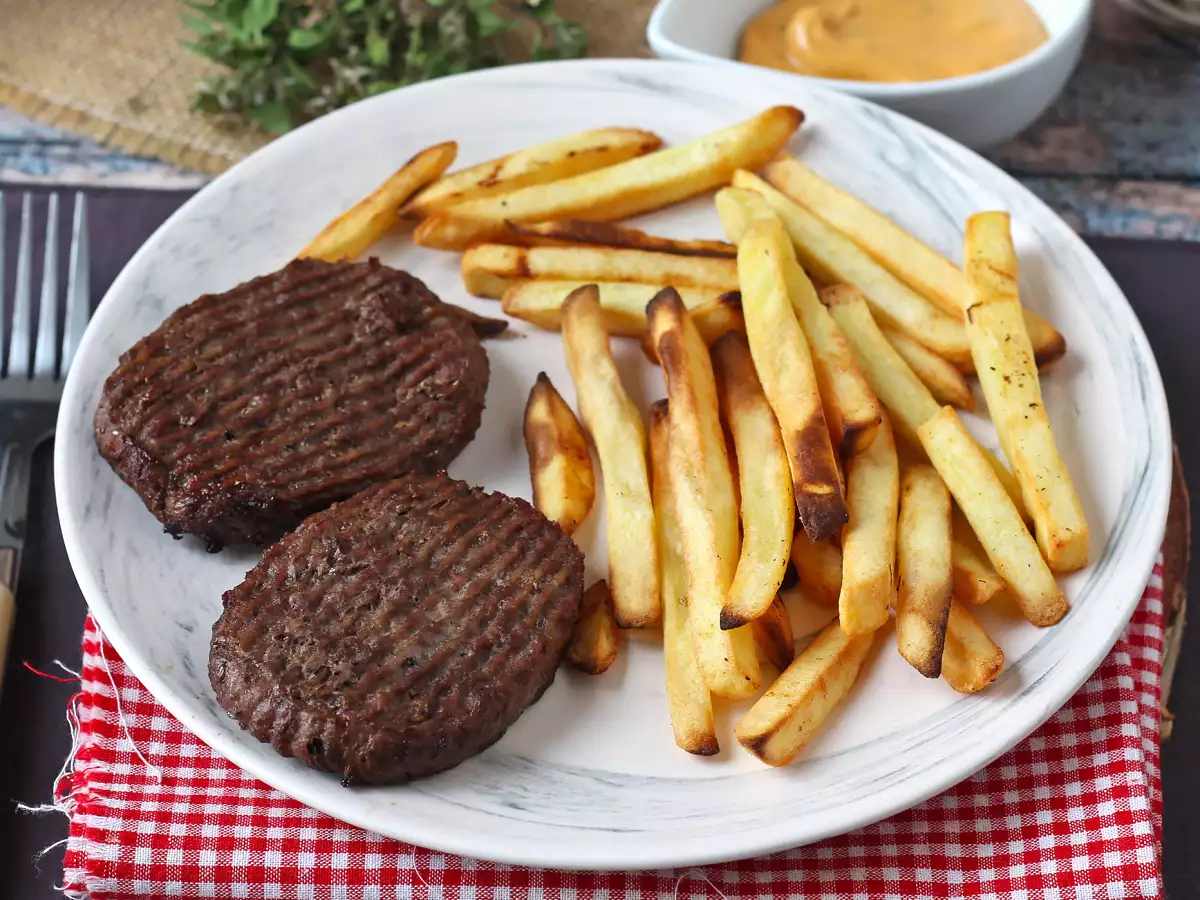
Fancy a juicy, flavorful ground beef patties without dirtying the pan? The Air Fryer is here to save the day! Fast, convenient and with less fat , it cooks your steak to perfection with a crispy crust . All you have to do is choose your cooking...
4. Fish: raw requires expertise, cooked is simpler
The bright side is that fish cooks quickly. Bake it in parchment, simmer it gently or make a simple gratin. You still get a light, fresh meal, but with far less food-safety guesswork. A lemony cooked fish dish can feel just as elegant as something raw, with a lot more reassurance.
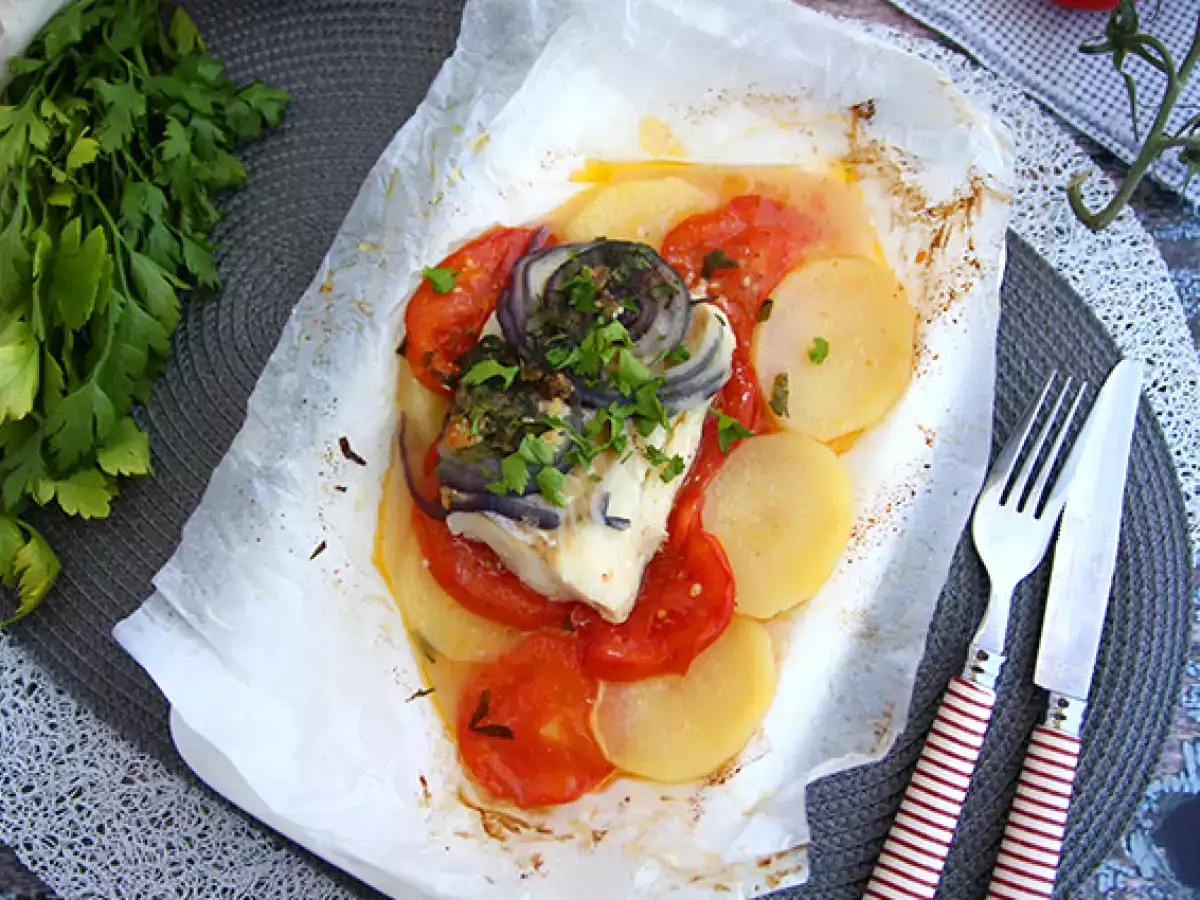
Make this easy, light, and balanced cod fish in parchment recipe! The gentle steam cooking will give your fish an extra tender texture. For sides, we chose simple ingredients that are usually found in every fridge and pantry: tomatoes and potatoes....
5. Wild mushrooms: cook them, and know them first
Even with edible mushrooms, cooking brings out their flavor and improves texture. Sauté them, roast them or fold them into risotto, pasta or eggs. The cooked version is more aromatic, more satisfying and much safer than casually nibbling unfamiliar mushrooms raw.
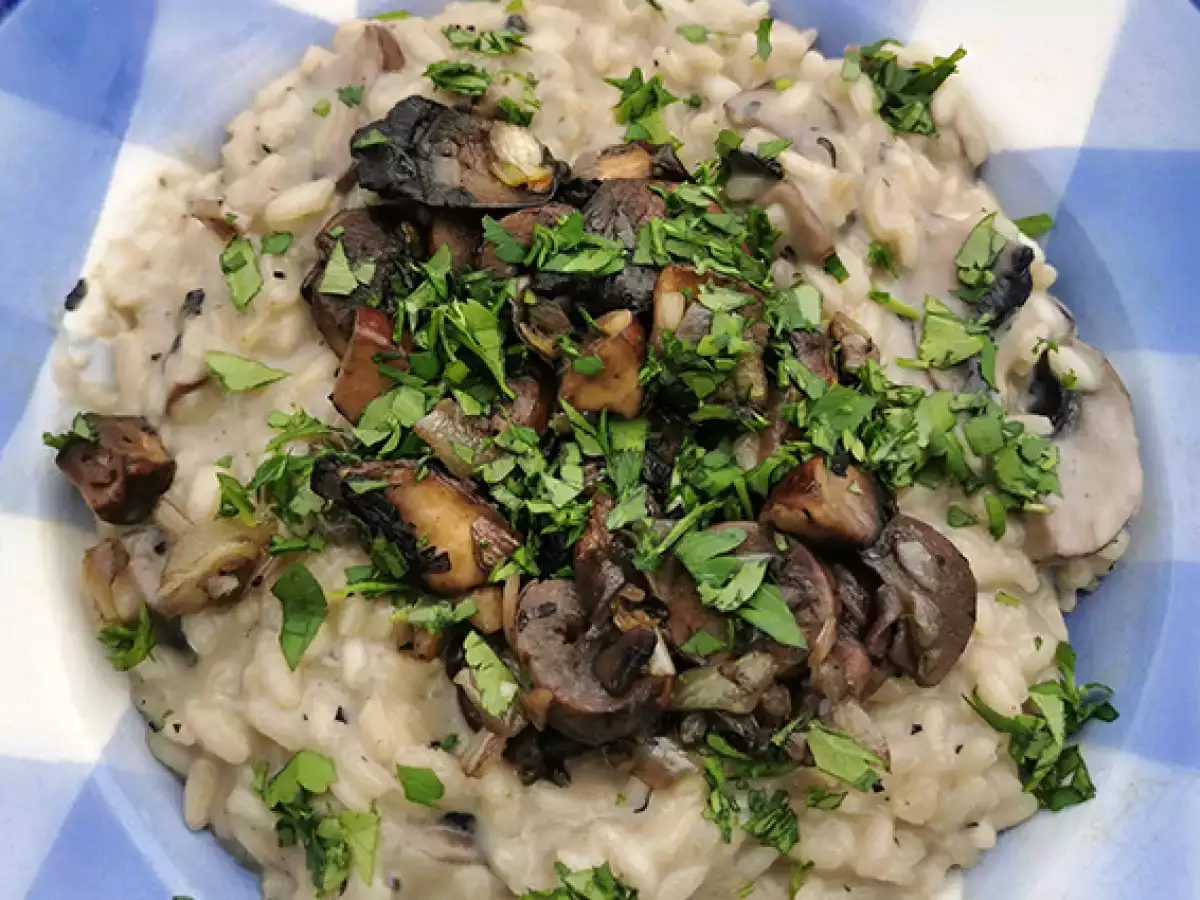
This vegan risotto recipe is a delicious and easy meal for dinner that everyone will love!
6. Potatoes: raw is not their best look
Boil them, roast them, mash them, bake them or crisp them in the air fryer. Cooking turns a hard, bland tuber into comfort food. If potatoes are green, bitter, sprouting heavily or damaged, trim carefully or discard them when in doubt.
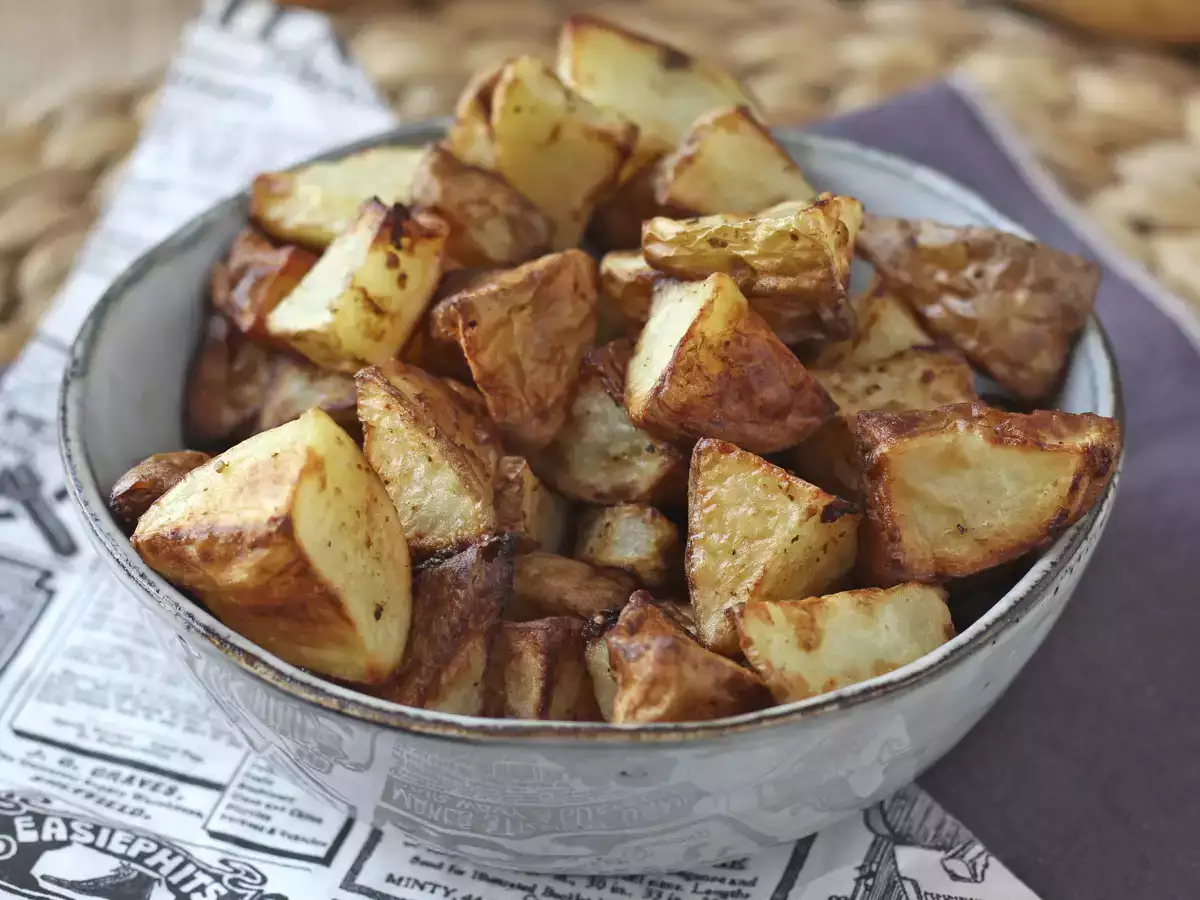
Let's make baked potatoes , but this time we cook with our best ally: the air fryer . Crispy on the outside and super tender on the outside, they will be the best side dish . We love to accompany them with our great Air Fryer crispy chicken recipe...
7. Eggplant: heat makes it shine
Grill it, roast it, bake it with tomato, or turn it into a soft spread. If the question is “Should I eat eggplant raw?” the happier answer is: no, cook it and let it become the main character.
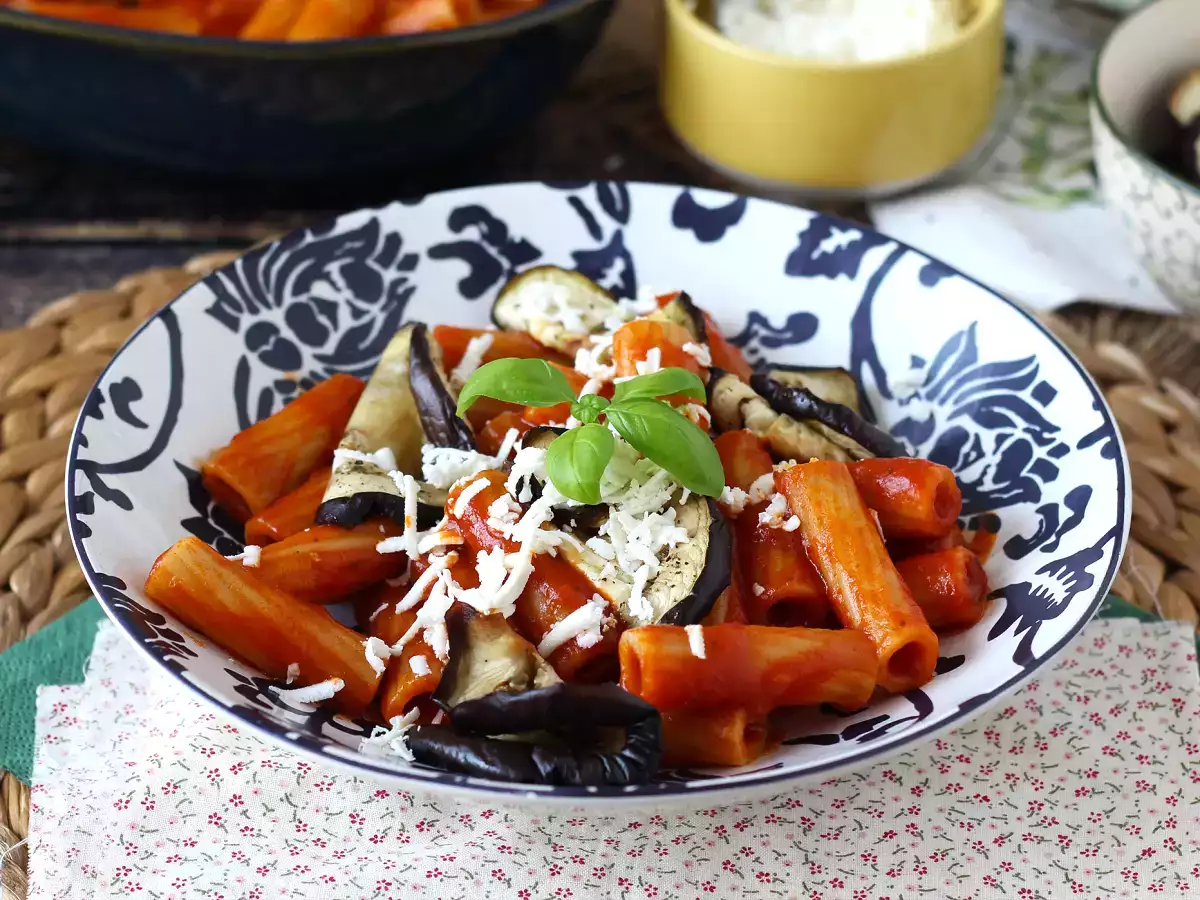
Let's travel straight to Catania in Sicily , where the delicate notes of grilled eggplant , juicy tomatoes and melting ricotta combine to create an easy and inexpensive summertime pasta dish! This recipe for " Pasta alla Norma " is both easy to...
8. Sprouts: cute, crunchy and risky raw
If you love sprouts, consider cooking them thoroughly instead of scattering them raw over salads and sandwiches. Stir them into a hot noodle bowl, add them to a stir-fry, or wilt them quickly in a pan until steaming. You keep the crunch-adjacent freshness while lowering the risk.
9. Raw milk: choose pasteurized instead
The simple swap is easy: choose pasteurized milk, pasteurized yogurt and cheeses made from pasteurized milk when safety matters. If you want something cozy and dairy-based, warm pasteurized milk with spices for a comforting drink. You get the creamy pleasure without the raw-milk gamble.

Are you familiar with golden milk ? This ancient drink , with its roots in India , is becoming increasingly popular thanks to its health benefits ( anti-inflammatory action , increased immunity, among others) and also for its exotic taste that...
A bonus reminder: raw flour is raw too
If you want cookies, pancakes or cakes, bake them properly and enjoy every crumb. The cooked version is not a compromise; it is the whole point.

Want a typical american breakfast ? Try out this recipe, perfect for fluffy and moist pancakes ! Add some chocolate chips or blueberries, and you'll get the fanciest breakfast !
The takeaway
That does not mean meals have to become fussy or fearful. It just means choosing the right preparation. Roast the potatoes, cook the chicken, bake the fish, sauté the mushrooms, steam the sprouts and use pasteurized milk. Food safety can be cheerful, practical and delicious; especially when the cooked version tastes better anyway.
 Juliette Hess
I love travelling and discovering new dishes, trying out new food trends and exploring new restaurants.
I’m a huge fan of pasta and noodles in all their forms ❤ from udon noodles to tagliatelle, I love cooking them and even making them from scratch!
I’m currently preparing, filming and photographing your next recipe, and I hope you’ll enjoy it!
Comments