10 simple tips to cut back on meat and fish and still enjoy easy, satisfying meals without hassle
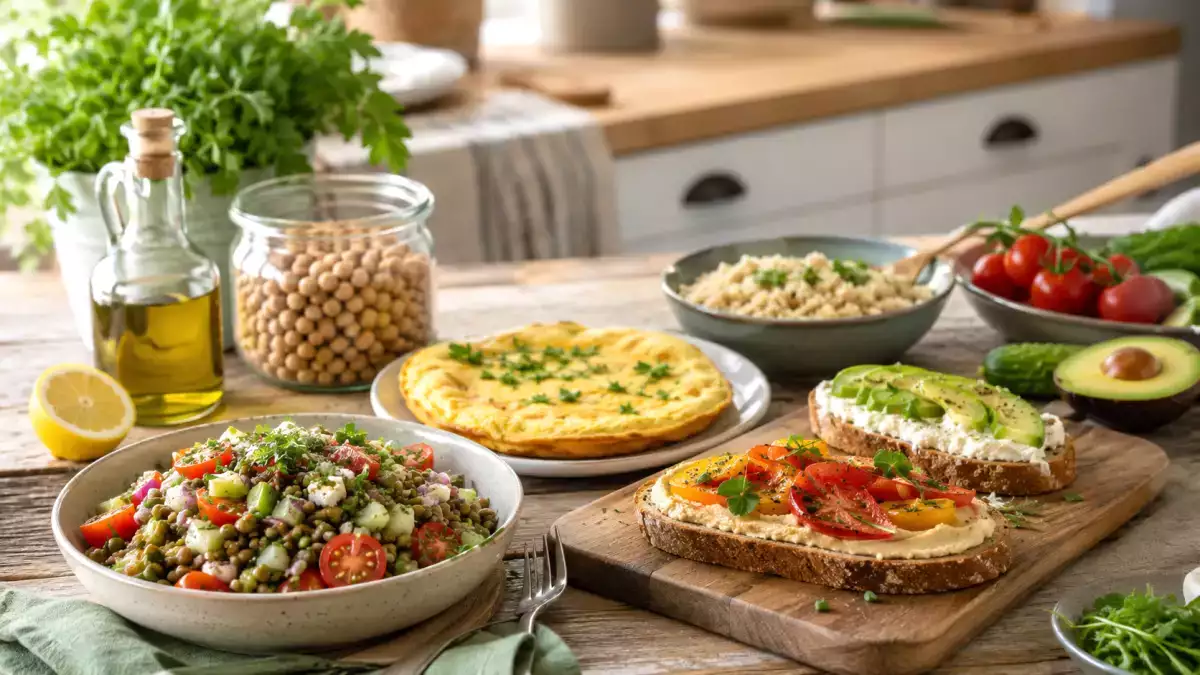
We’re not necessarily talking about giving it all up overnight. It doesn’t mean emptying your pantries, changing all your habits, or announcing to everyone at the table that “from now on, no more steak at home” :)
The idea is more about taking it slowly. Replace one meal every now and then, discover new recipes, add more vegetables to your plate, and try lentils, chickpeas, eggs, tofu, or complete vegetarian dishes.
And here’s the good news: cutting back on meat and fish doesn’t mean eating boring food. Quite the opposite! With the right ingredients, you can create hearty, colorful, and truly delicious meals.
1. Start by having one vegetarian meal a week
The easiest way is to start small. One vegetarian meal a week, then two if you like. No need to overhaul all your meal plans at once.
Pick an easy day: Monday night, Wednesday lunch, Sunday dinner… and plan a comforting recipe. A chickpea curry, a red lentil dahl, a vegetarian quiche, or spinach lasagna will do just fine.
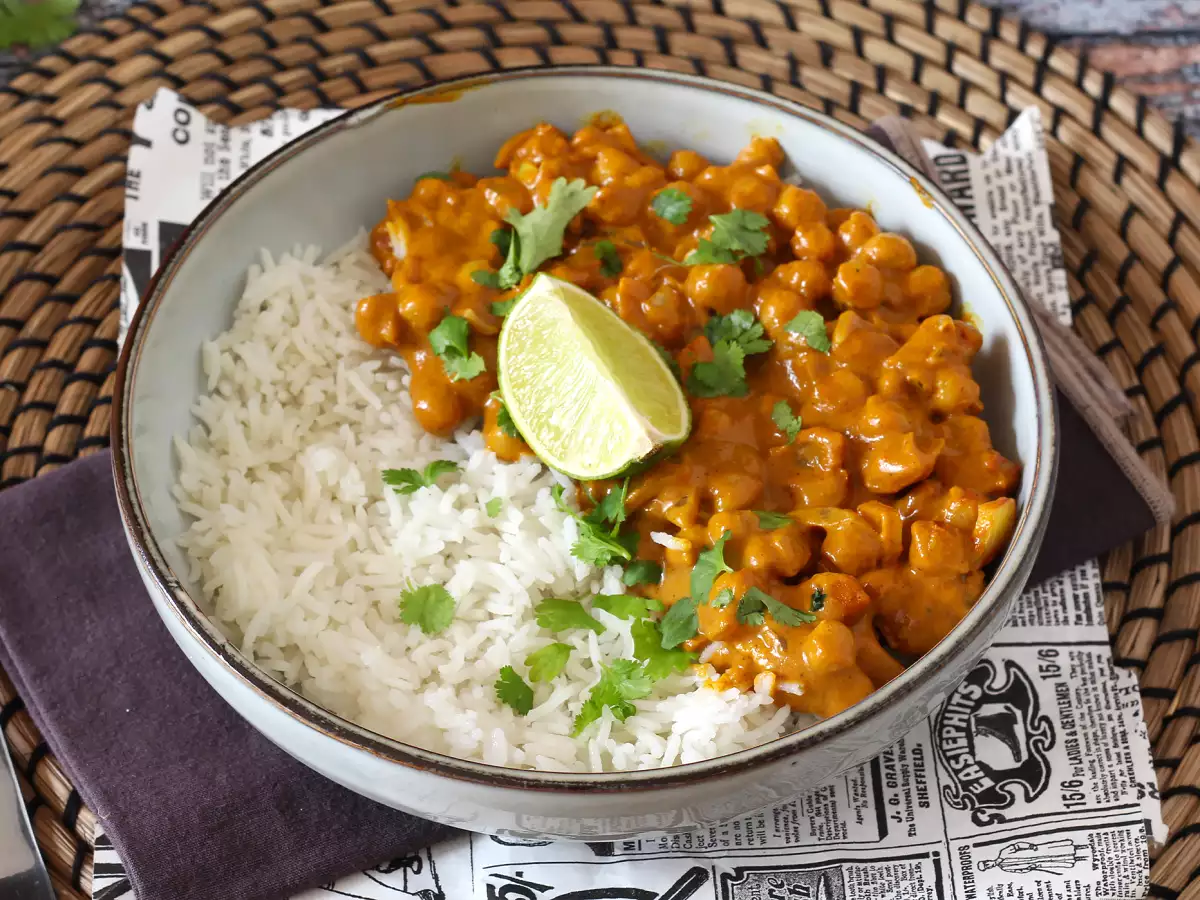
When it comes to comfort food , we're always happy to make room for chickpea curry ! Served with rice, this fragrant dish will take your taste buds on a journey and warm you up :-) Think we're exaggerating? Give it a try and you'll soon be won over...
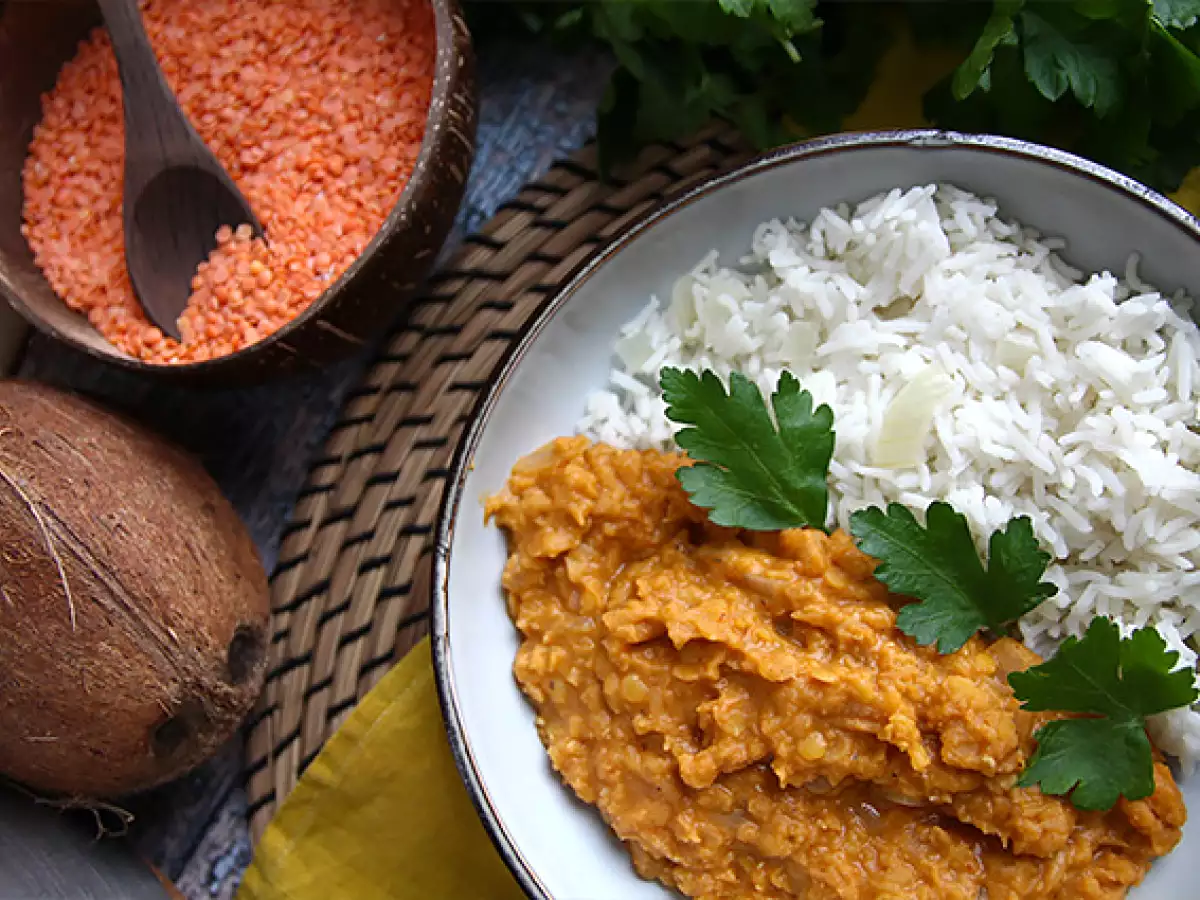
In the category of comforting and original recipes, we love this red lentil dahl! Not only does it introduce this legume to the whole family, but this dish is also vegetarian. A great way to diversify your menus while enjoying yourself :-) Flavored...
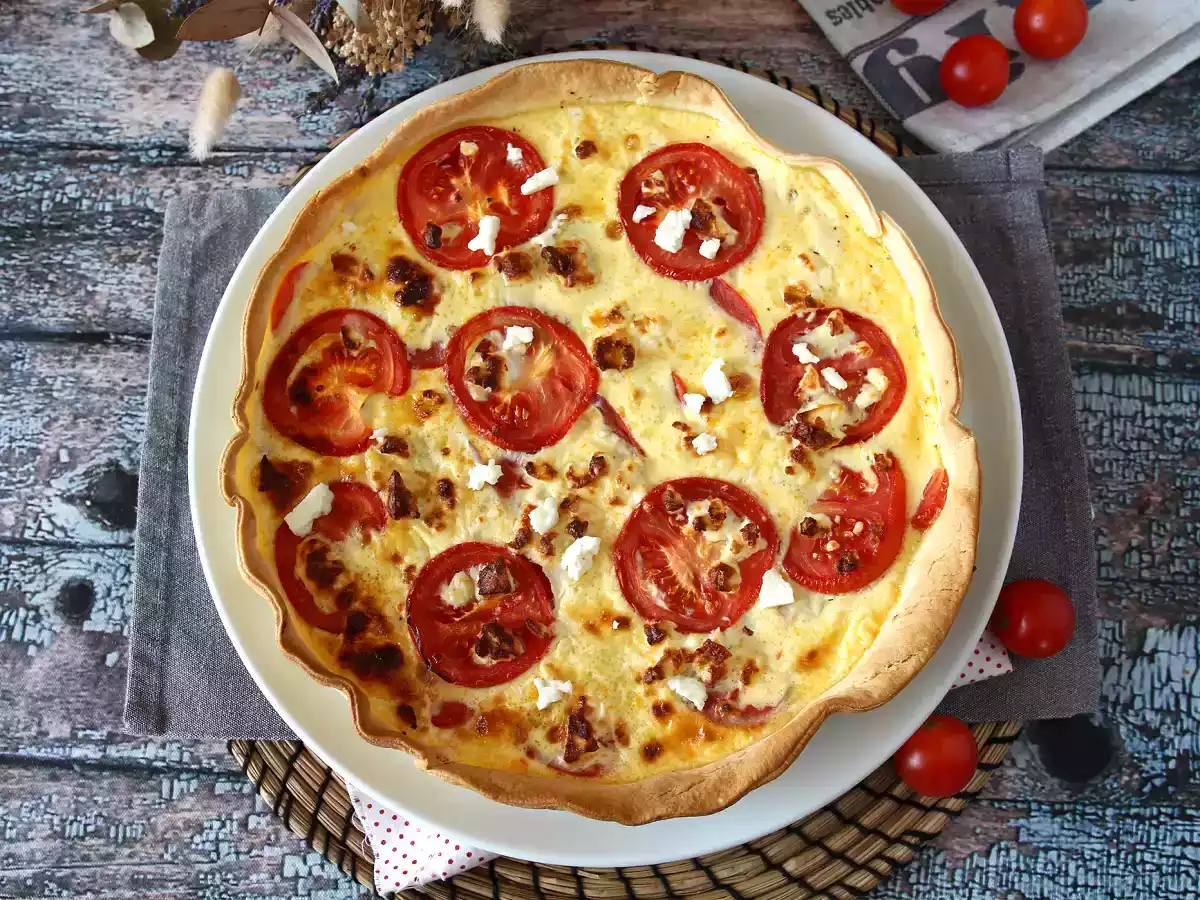
As you know, here at Ptitchef, we love quiches when the summer heat starts to set in! Quiche is the perfect dish to take along on a picnic , bring for lunch at work , serve at an appetizer party with friends, or simply enjoy as a meal with a green...
2. Focus on legumes
Lentils, chickpeas, red beans, white beans…these are truly your best allies when you want to cut back on meat. They’re filling, affordable, easy to store, and very convenient to use in the kitchen.
You can turn them into curries, salads, patties, meatballs, hummus, or even a vegetarian burger patty. And honestly, with some spices, a good sauce, and a few fresh herbs, no one will miss that slice of ham ;-)
Manger Bouger reminds us that legumes are naturally high in fiber and contain plant-based protein.
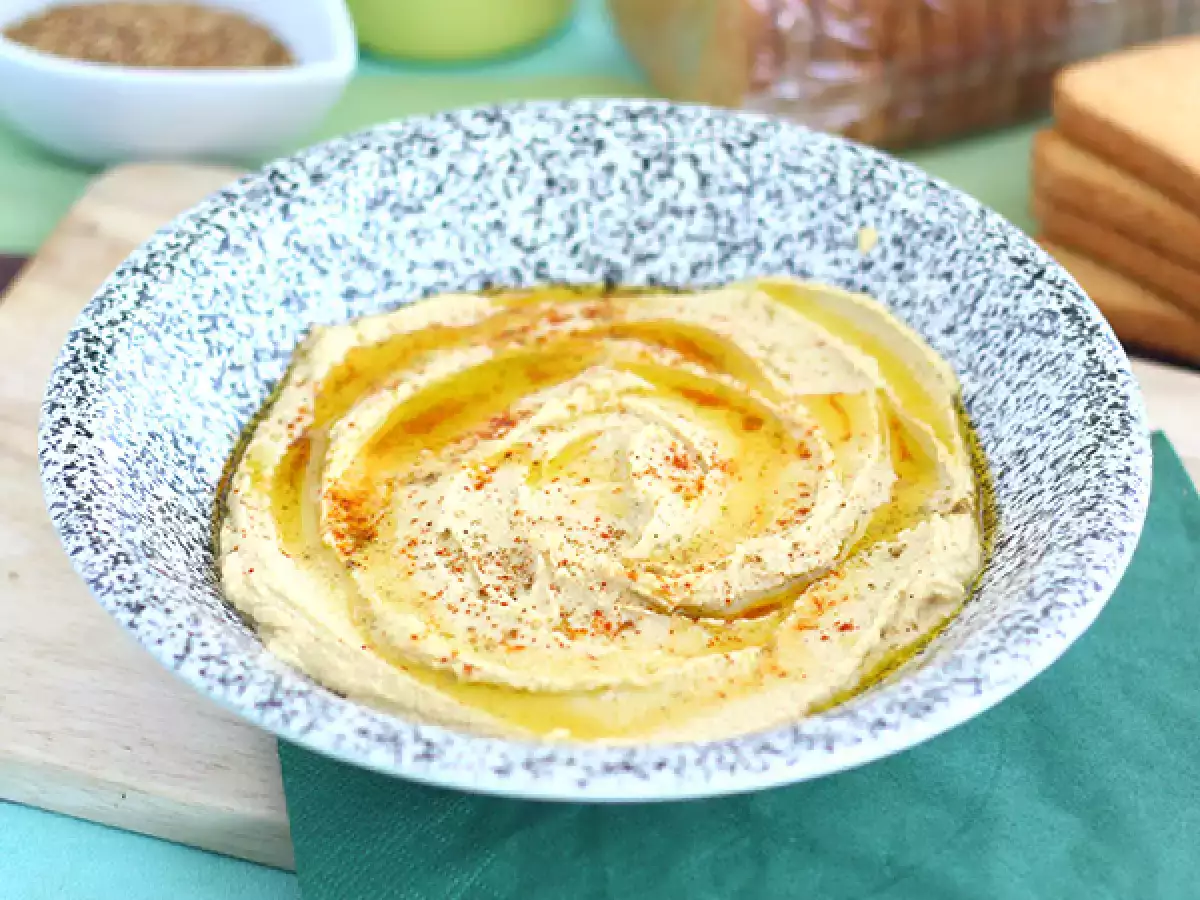
Chickpeas are on the menu today! Enjoy this recipe as a starter or an appetizer, served with pita bread, toast, or crudités ;-)
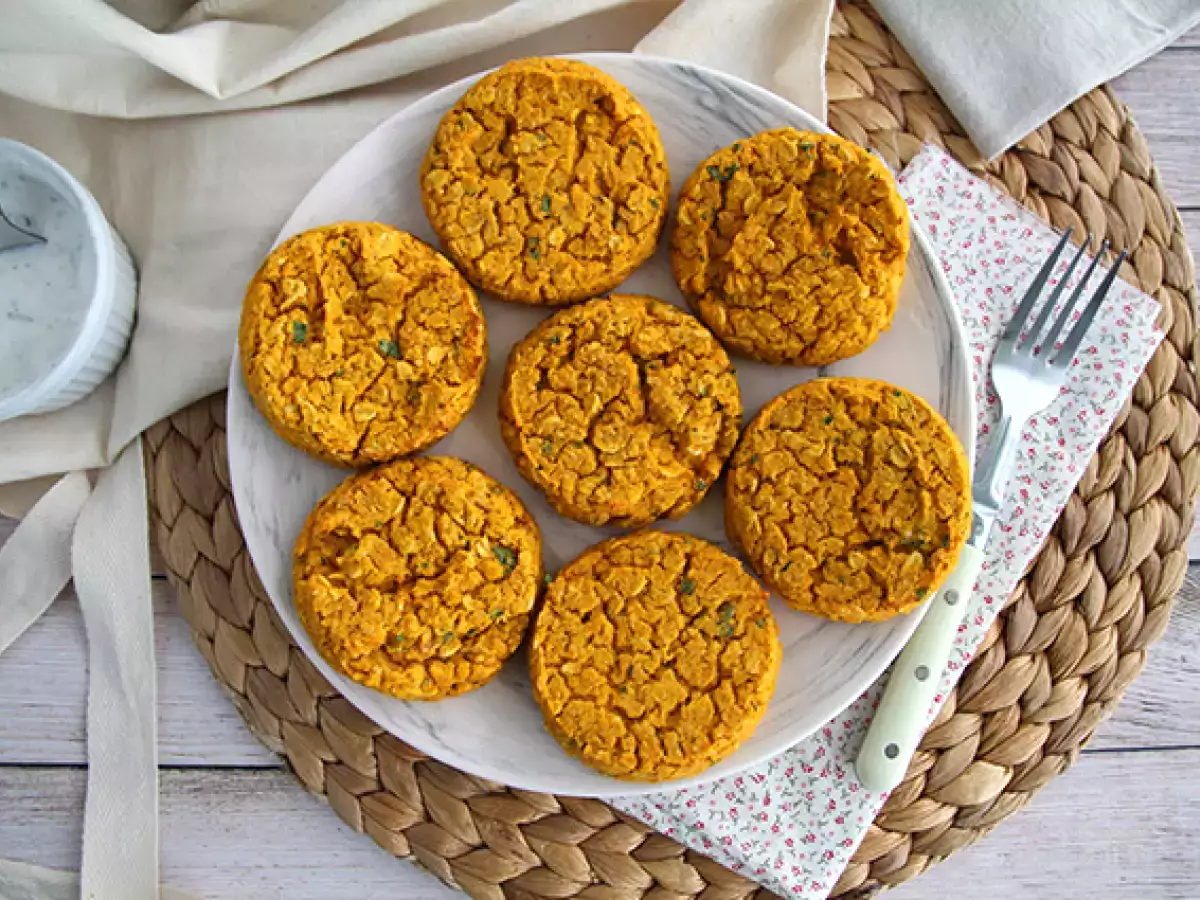
These patties are super easy to make and are made from legumes: red lentils. Their orange hue will brighten your plate and complement the carrots perfectly. A great way to incorporate vegetables and plant-based proteins into your meal. Naturally...
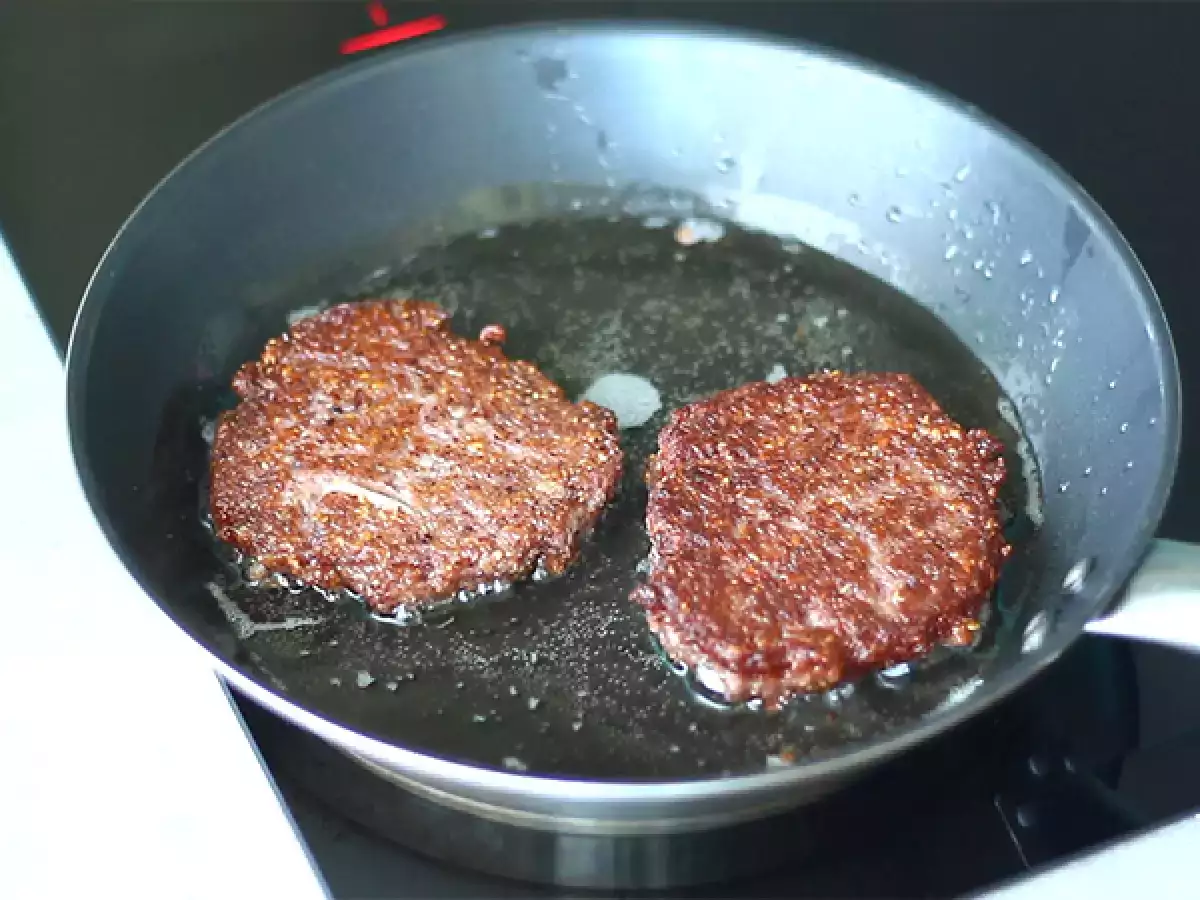
Steaks don't have to be made of meat! This recipe for vegetarian steaks proves it ↓
3. Keep the dishes you love… but change the toppings
No need to give up your favorite recipes. Often, all you have to do is replace the meat or fish with a different filling.
Fajitas? You can make them with textured soy protein, red kidney beans, or grilled vegetables. Spaghetti Bolognese? A vegetarian version works great. A burger? A red kidney bean patty is a perfect substitute.
This is often the best trick for winning over even the most skeptical eaters: keep the familiar dish, the sauces, the spices, and the indulgent flavor; but simply change the main ingredient of the recipe.
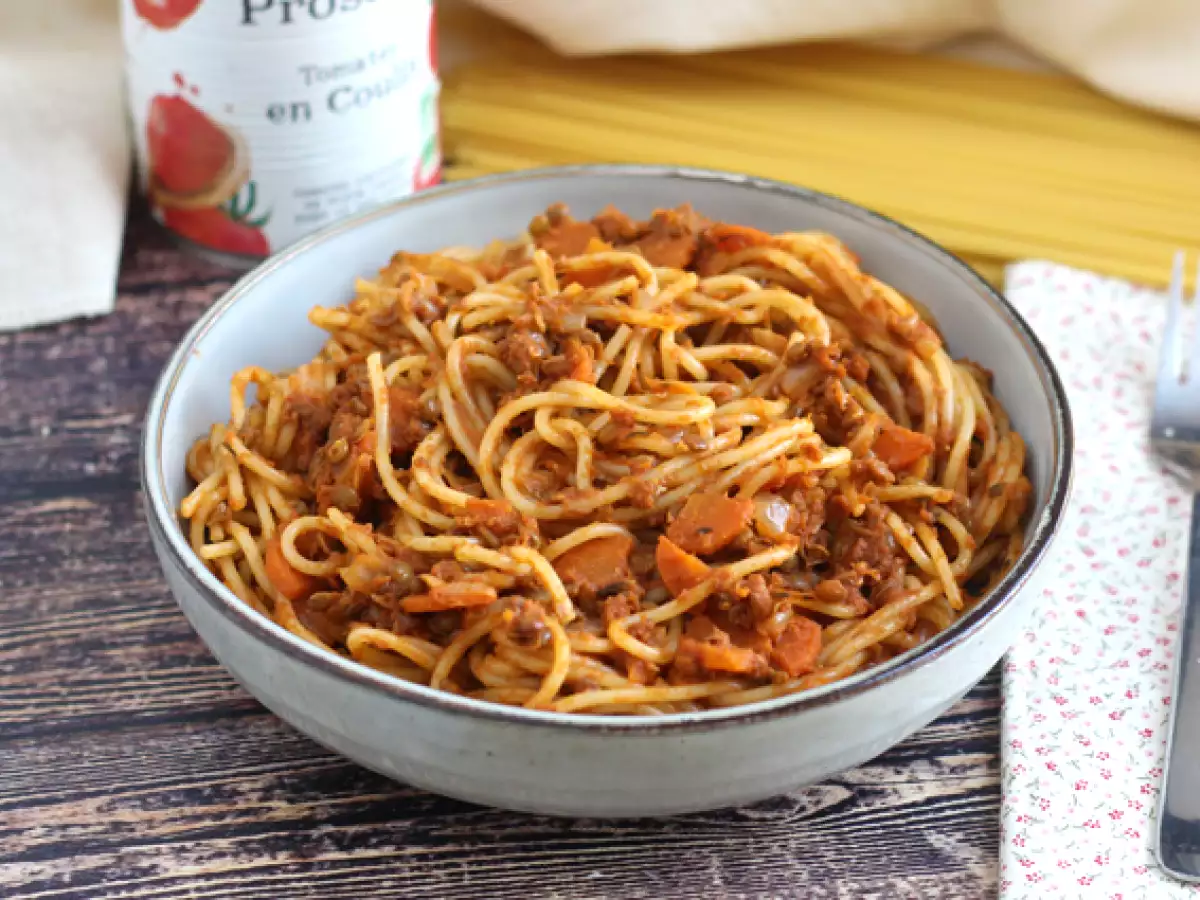
Delicious as can be, here’s a new idea for a sauce to accompany your pasta. With this vegetarian bolognese, you’ll surprise and delight everyone around the table. But what have we used instead of meat? Discover it through our step-by-step instructions...
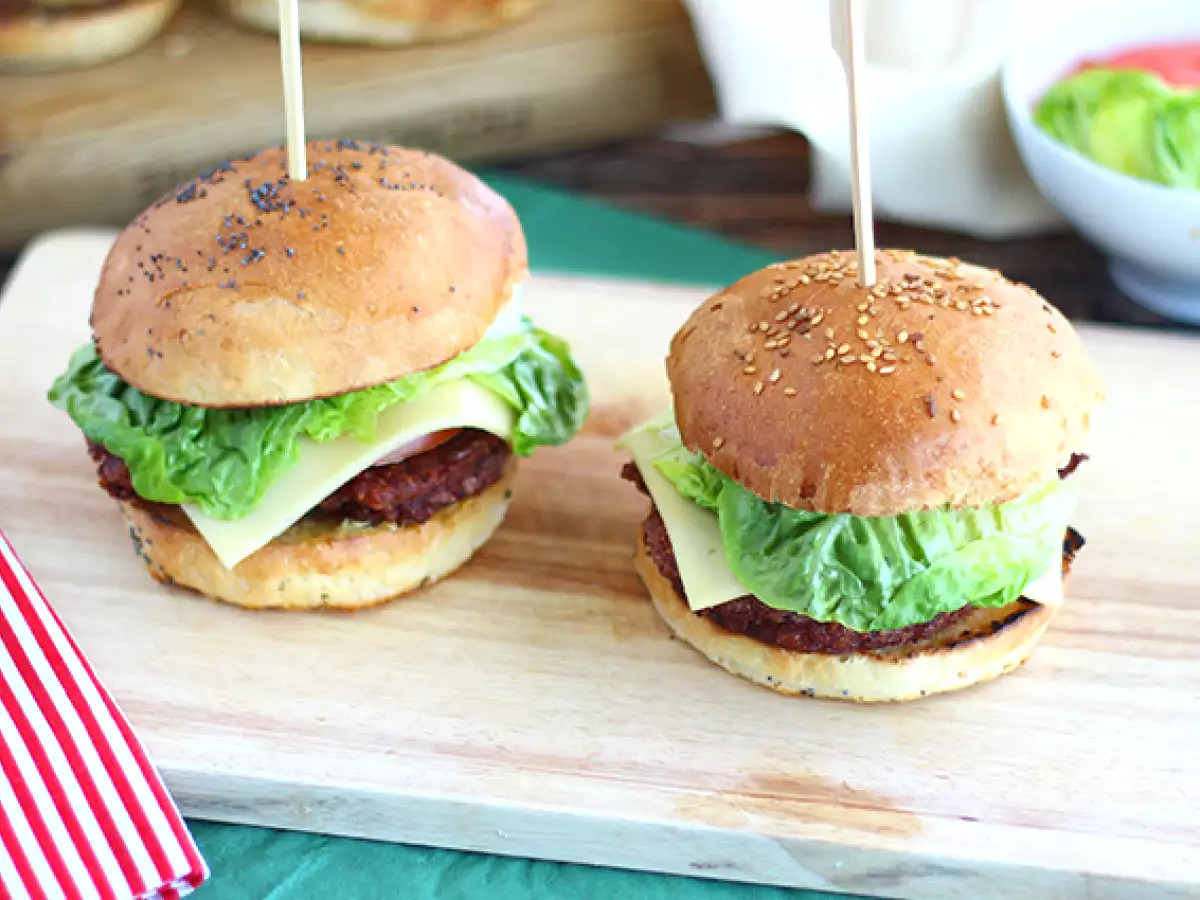
What if we turned our burger into a vegetarian version? Don't worry, you can still enjoy a great patty, but without a trace of meat in it ;-) Find out more below ↓
4. Add eggs when you want a quick meal
When you’re not serving meat or fish, eggs can come in really handy. Omelets, frittatas, hard-boiled eggs in a salad, soft-boiled eggs on top of vegetables, scrambled eggs on toast… they’re quick, easy, and very convenient.
They’re perfect for those evenings when you don’t feel like thinking. A panful of vegetables, two eggs, a little cheese, a side salad… and dinner is ready.
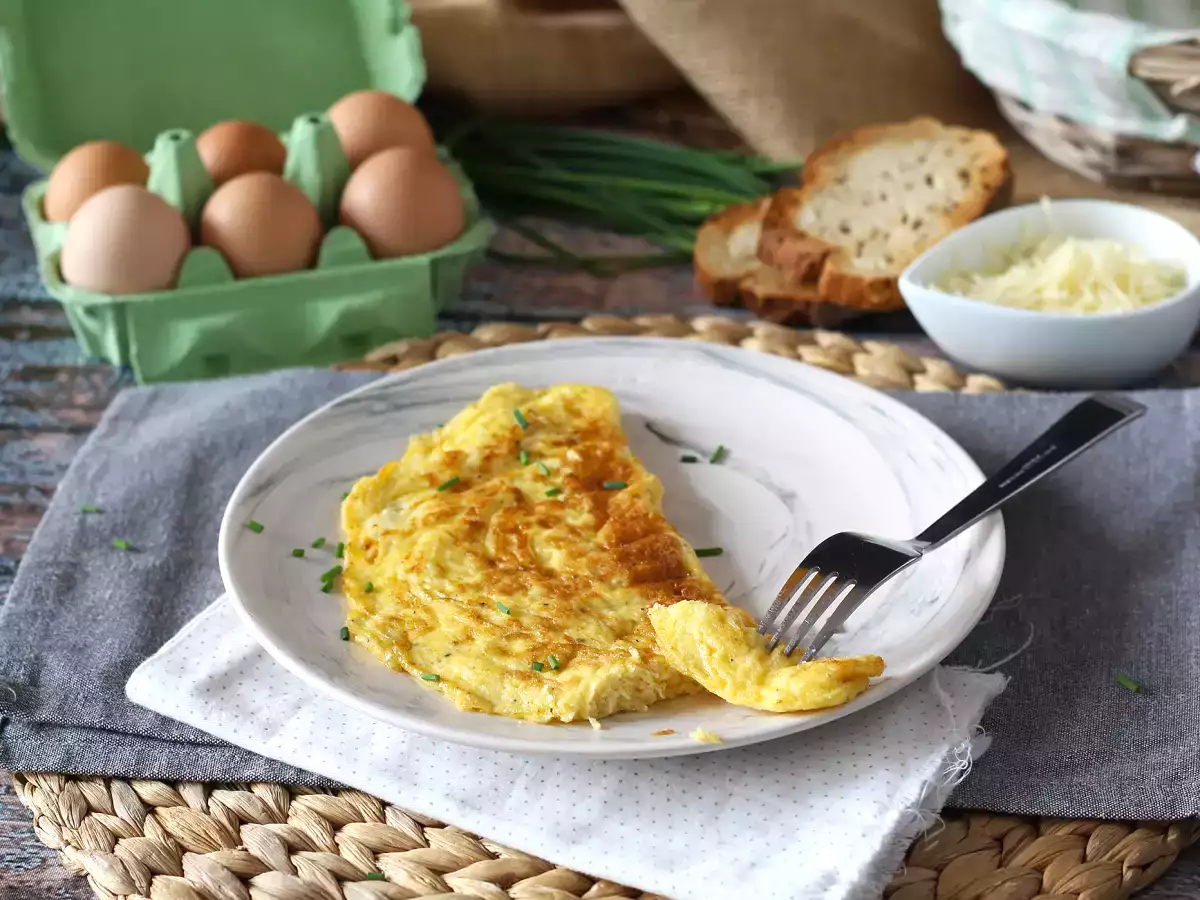
Heat up your frying pan and make your best omelette in no time! Nothing is better or easier to make than an omelette for breakfast, brunch, or simply for lunch, served with a salad for a balanced meal ready in just a few minutes. For an even more...
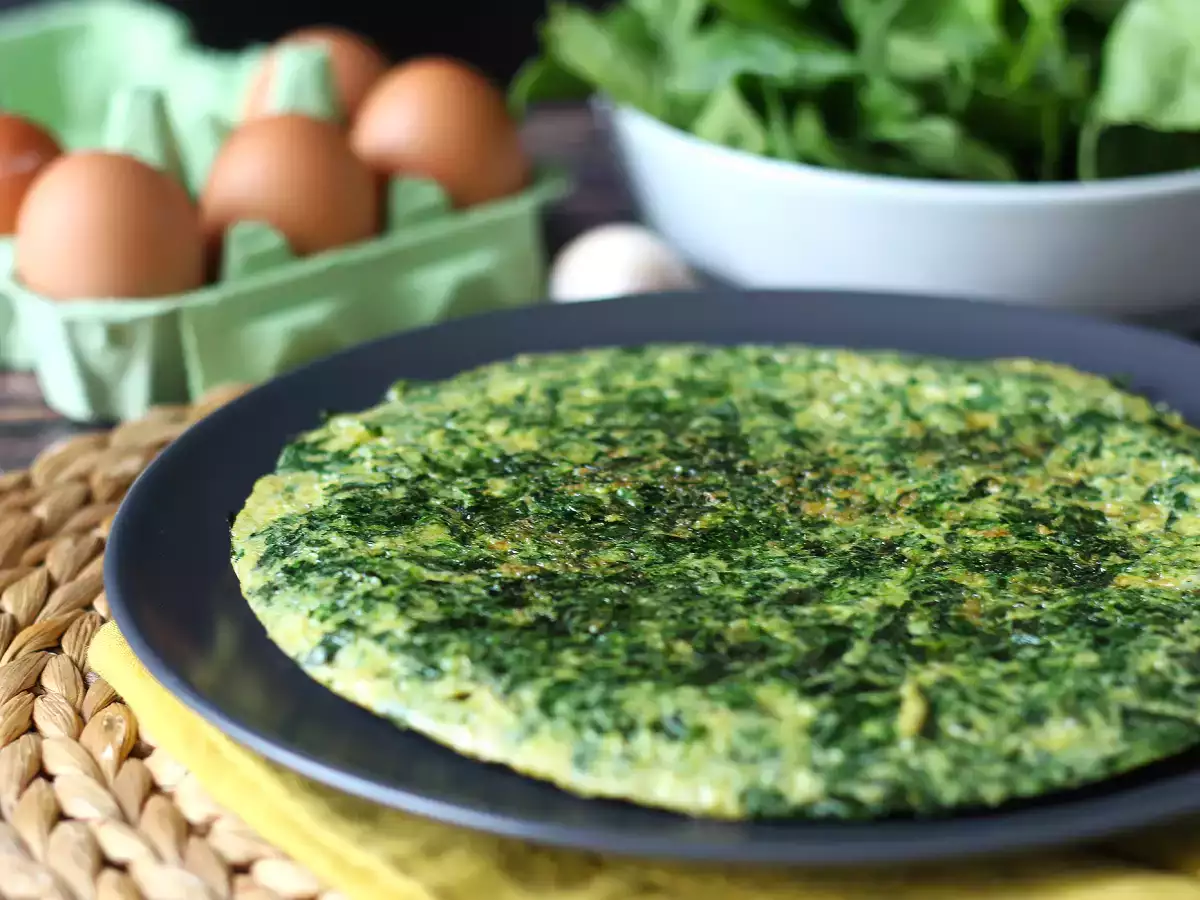
A great idea for a quick, inexpensive dinner, a packed lunch (yes, spinach frittata is delicious cold too!), or a vegetarian main course for a last-minute lunch. Spinach frittata is a tasty, nutritious homemade dish that everyone will enjoy. This...
5. Prepare truly well-rounded meals
A common mistake when trying to eat less meat is simply cutting out the meat… without adding anything in its place. The result: you’re hungry two hours later, and inevitably, you tell yourself, “This doesn’t fill me up.”
The right approach is to put together a well-rounded plate: vegetables, a starchy side, legumes or eggs, a tasty sauce, and a few seeds or nuts for some crunch. Right away, the meal becomes much more satisfying.
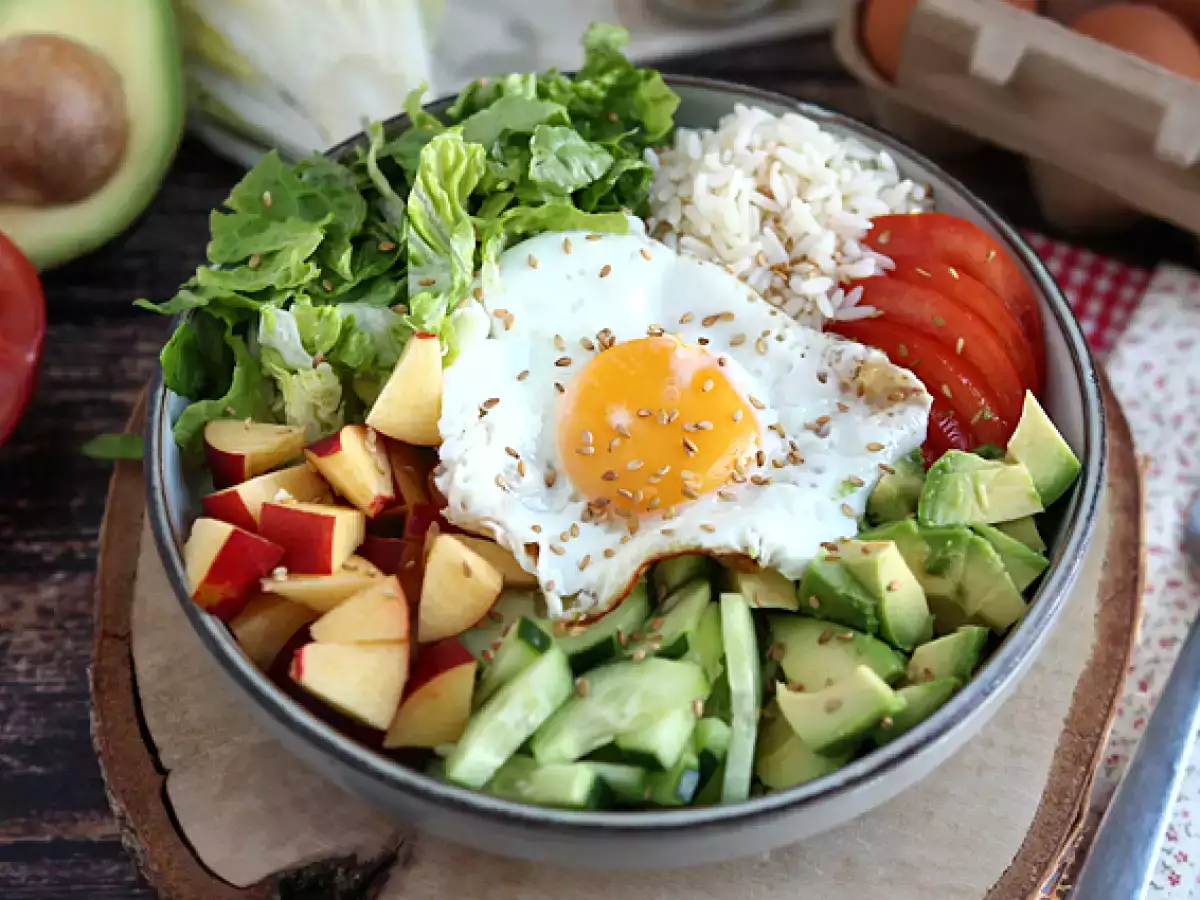
Bring some sunshine to your plate with this Buddha bowl! It’s packed with good things: rice for carbohydrates, fruits and vegetables, and avocado and egg for protein. Proof that you can eat healthily with quick and easy recipes ;-)
6. Use spices to add flavor
If a vegetarian dish seems bland, the problem is rarely the lack of meat. It’s often the seasoning.
Curry, cumin, smoked paprika, ras el hanout, garlic, ginger, fresh herbs, lemon, soy sauce… these are the ingredients that add depth. A pan-seared vegetable dish can become much more interesting with the right spices and a well-thought-out sauce.
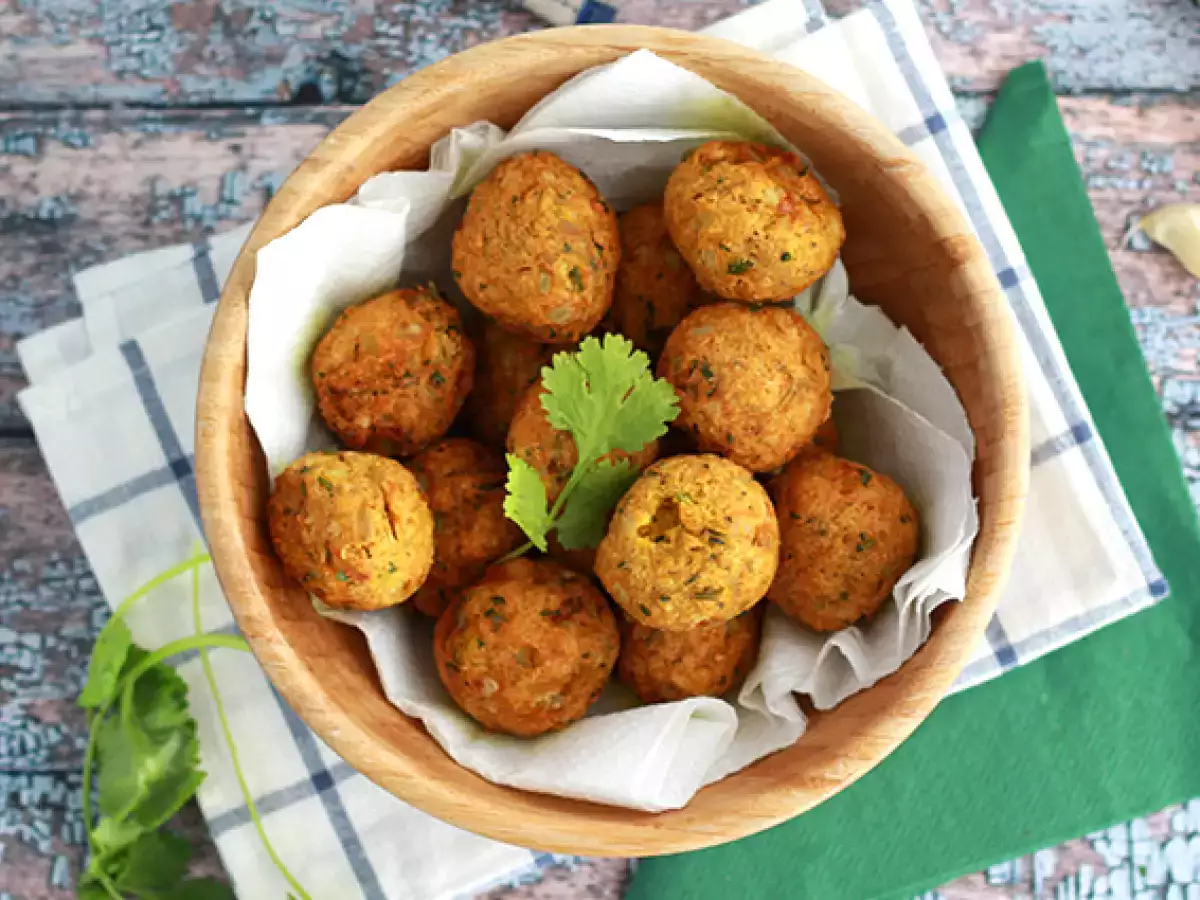
One of our favorite recipes to make with chickpeas? Falafels! This famous recipe from the Middle East will tantalize your taste buds. A healthy, vegetarian, and aromatic preparation that showcases the richness of Lebanese cuisine. Whether as an...
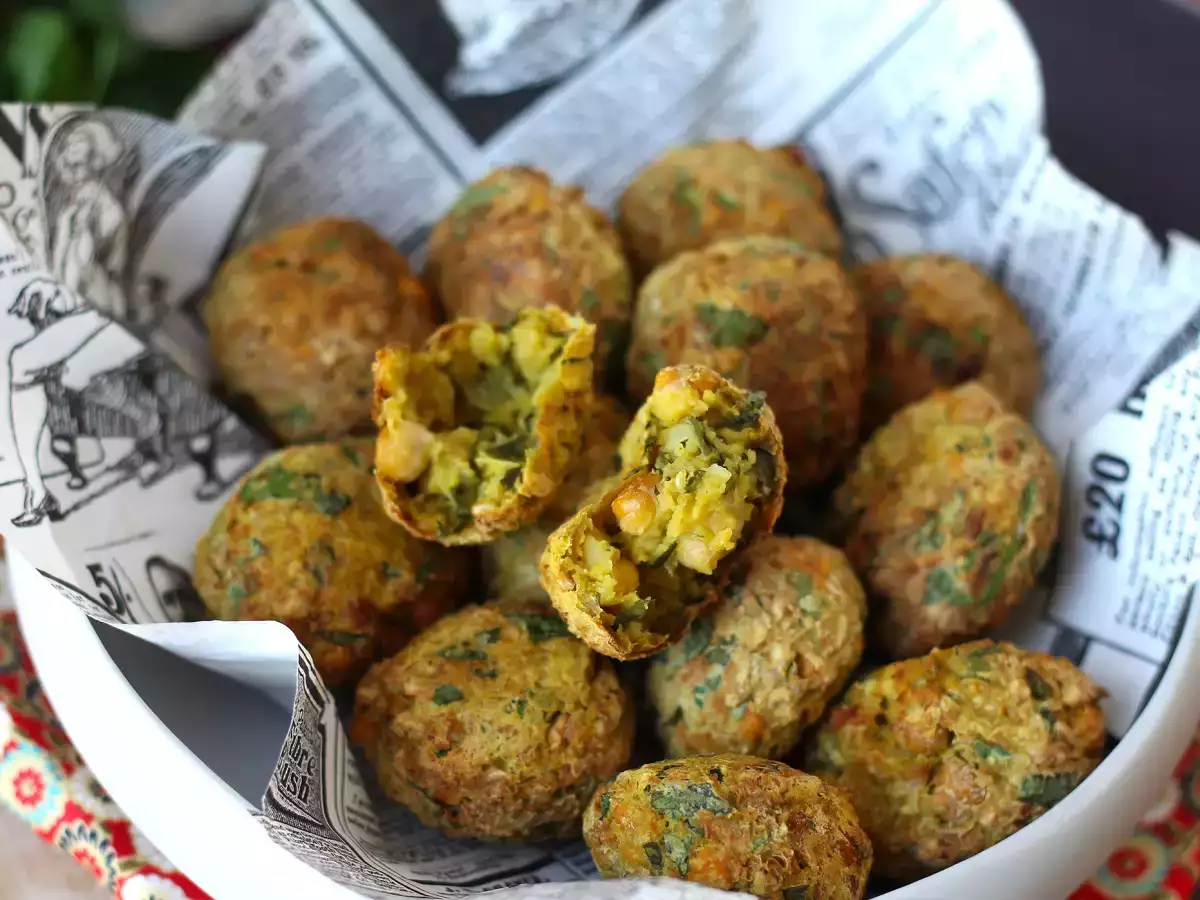
Lovers of Middle Eastern cuisine are bound to know falafel . These little vegetarian balls, made from chickpeas , are packed with flavor and are usually deep-fried. But today, we’ve decided to make a healthier version that’s just as delicious,...
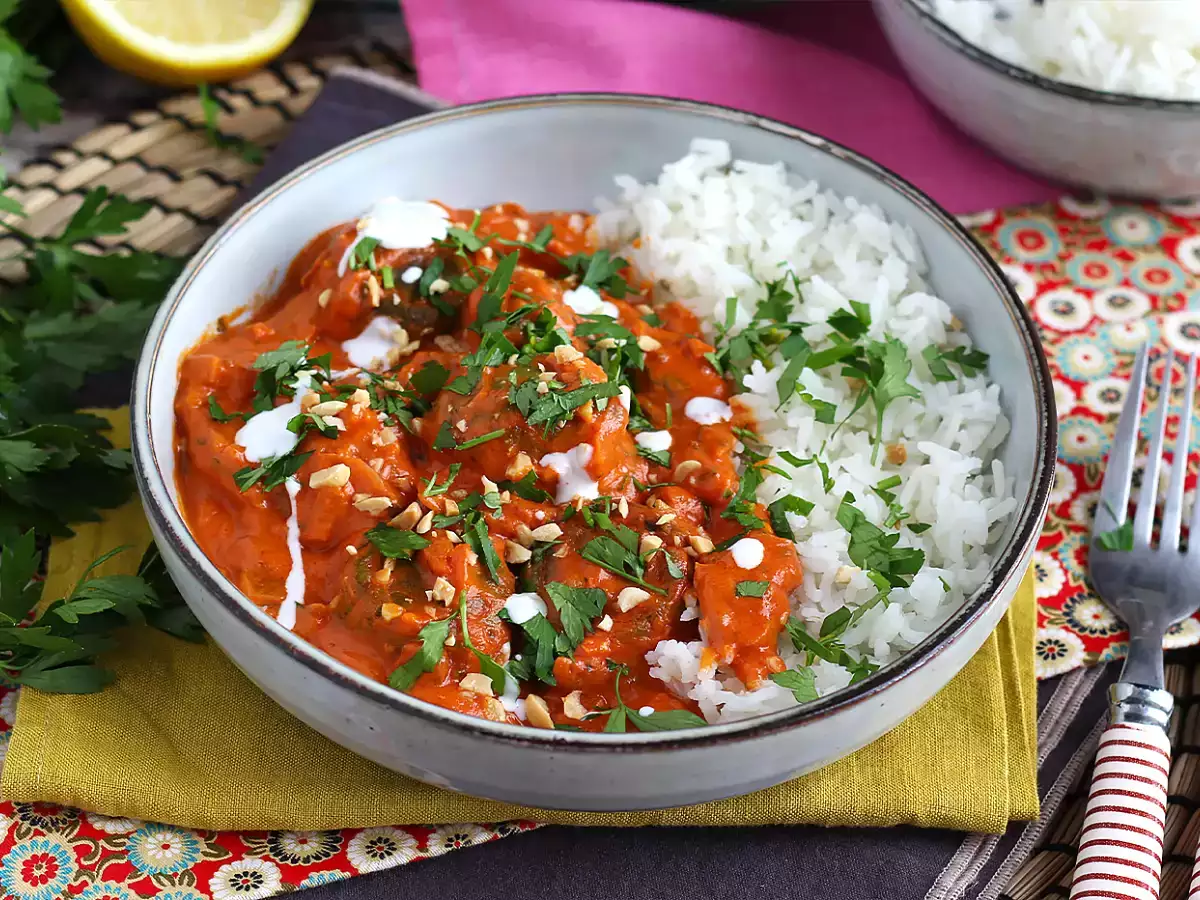
Today we’re bringing you a vegan version of one of India’s most popular dishes: Malai Kofta (meatballs in sauce). Since we sometimes struggle to eat legumes, at Petitchef we try to cook them in every way possible. These chickpea and spinach balls,...
7. Think about cheese and dairy products
Feta, ricotta, mozzarella, goat cheese, yogurt, Parmesan… these can help make a vegetarian dish more indulgent. A little feta in a salad, some ricotta in lasagna, yogurt in a sauce, Parmesan on pasta… and the dish immediately feels more substantial.
Just be careful not to replace every serving of meat with a mountain of cheese. The idea is to add a little extra flavor, not to make it the main ingredient at every meal :)
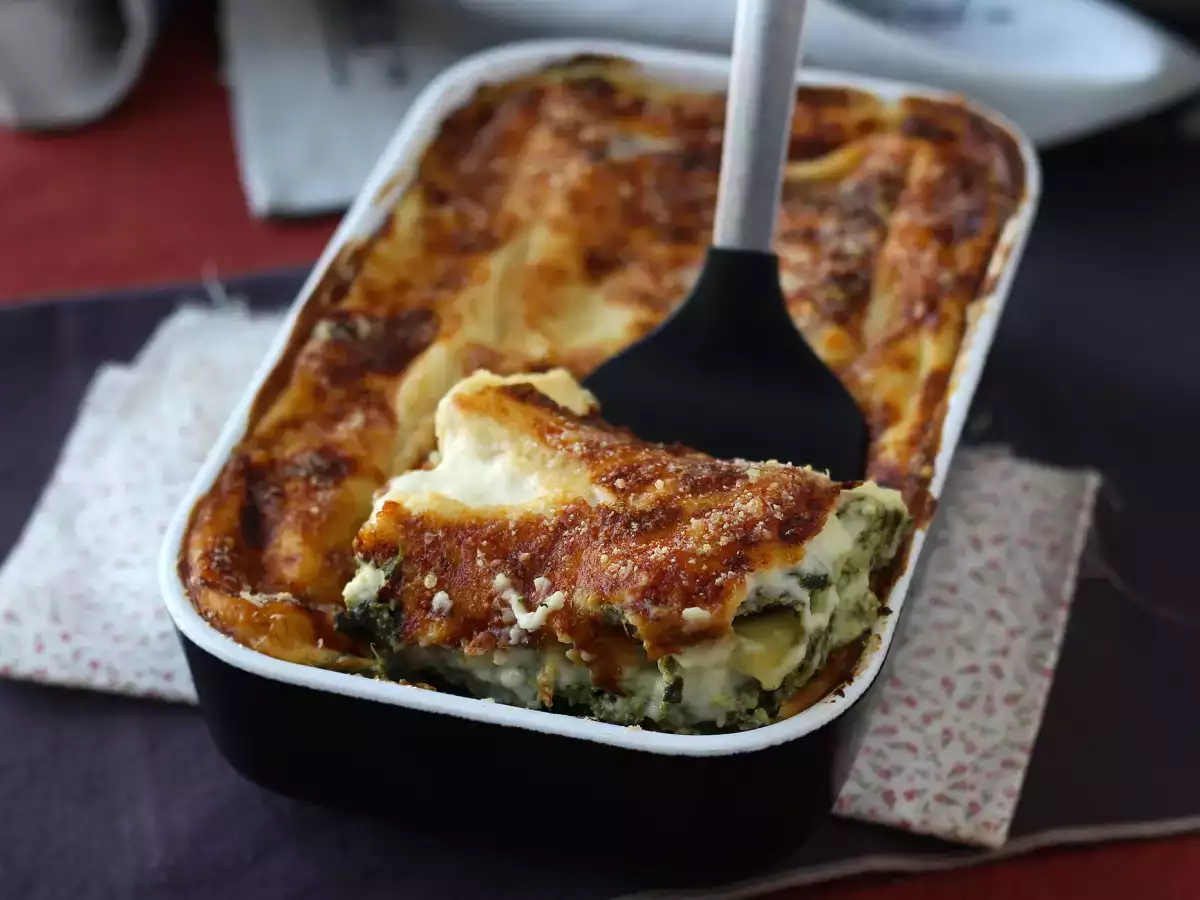
What's on the menu for lunch today? Vegetarian lasagna ! But there's no question of skimping on flavor—not at all! We can assure you that you'll love the combination of ricotta and spinach . The result is extra creamy and, above all, wonderfully...
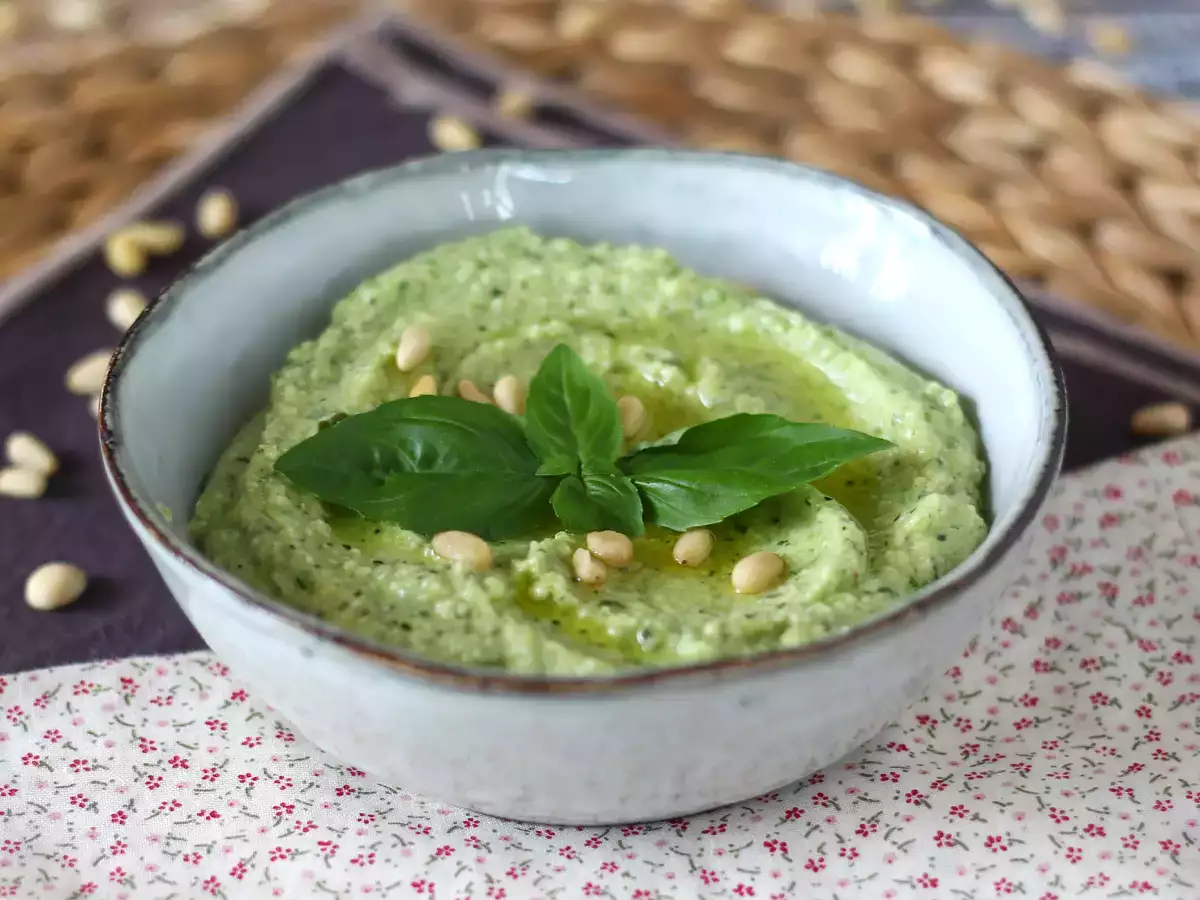
An easy-to-make, tasty savory cream. Zucchini pesto can be used on bruschetta, to fill sandwiches , or as a pasta sauce: we used it to dress a delicious pasta salad . What makes this recipe special is that the zucchini is raw , so you won't even...
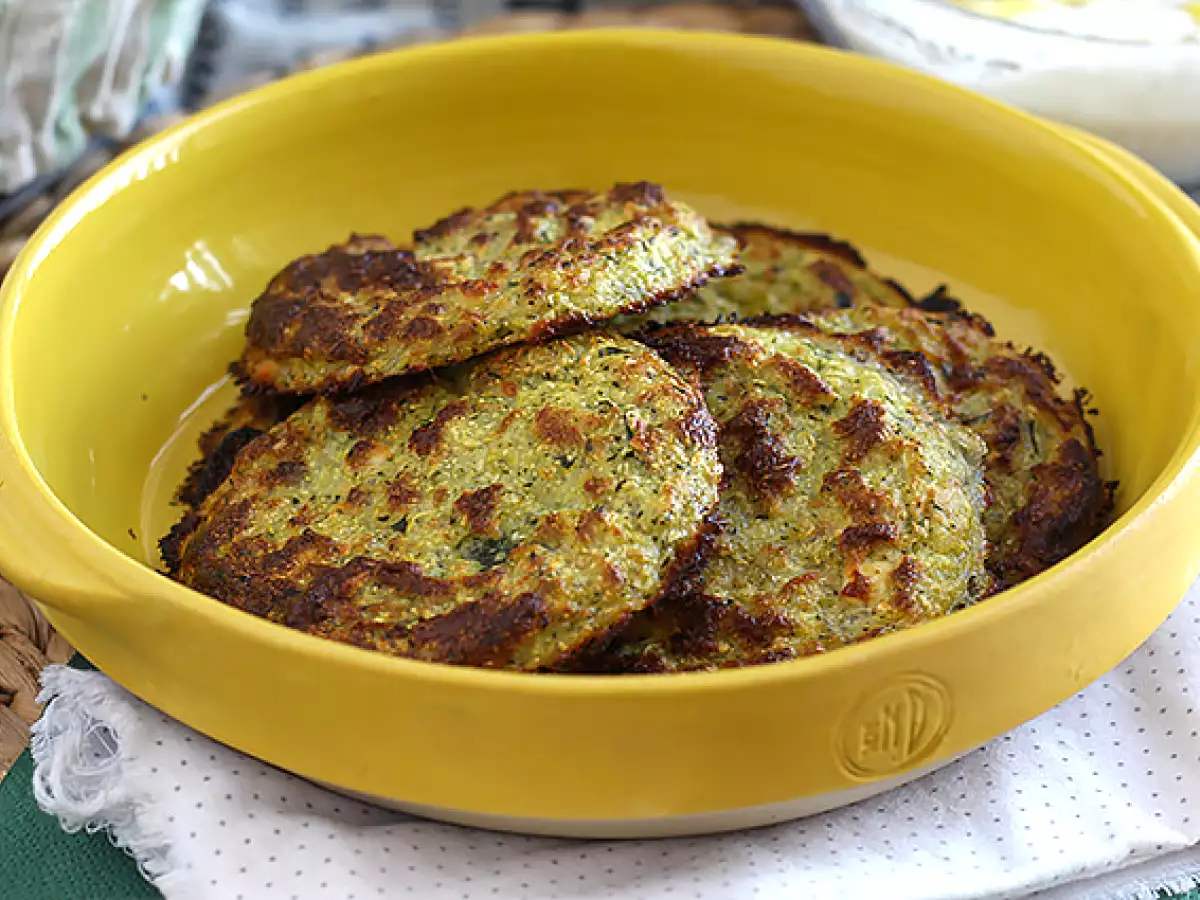
The whole family will surely eat their vegetables with these zucchini and feta patties. Super easy to make, you can even serve them as an appetizer with a yogurt sauce ;-) Otherwise, they will be perfect with a mixed salad for dinner. Follow our...
8. Prepare the bases in advance
Cutting back on meat becomes much easier when you already have a few staples on hand in the fridge.
An open can of chickpeas, cooked lentils, rice, quinoa, roasted vegetables, a yogurt sauce, pesto… and you’ve got everything you need to put together a meal in just a few minutes.
It’s often when we’re in a hurry that we fall back on ham, tuna, or chicken. So if the alternatives are already prepared, they become much easier to choose.
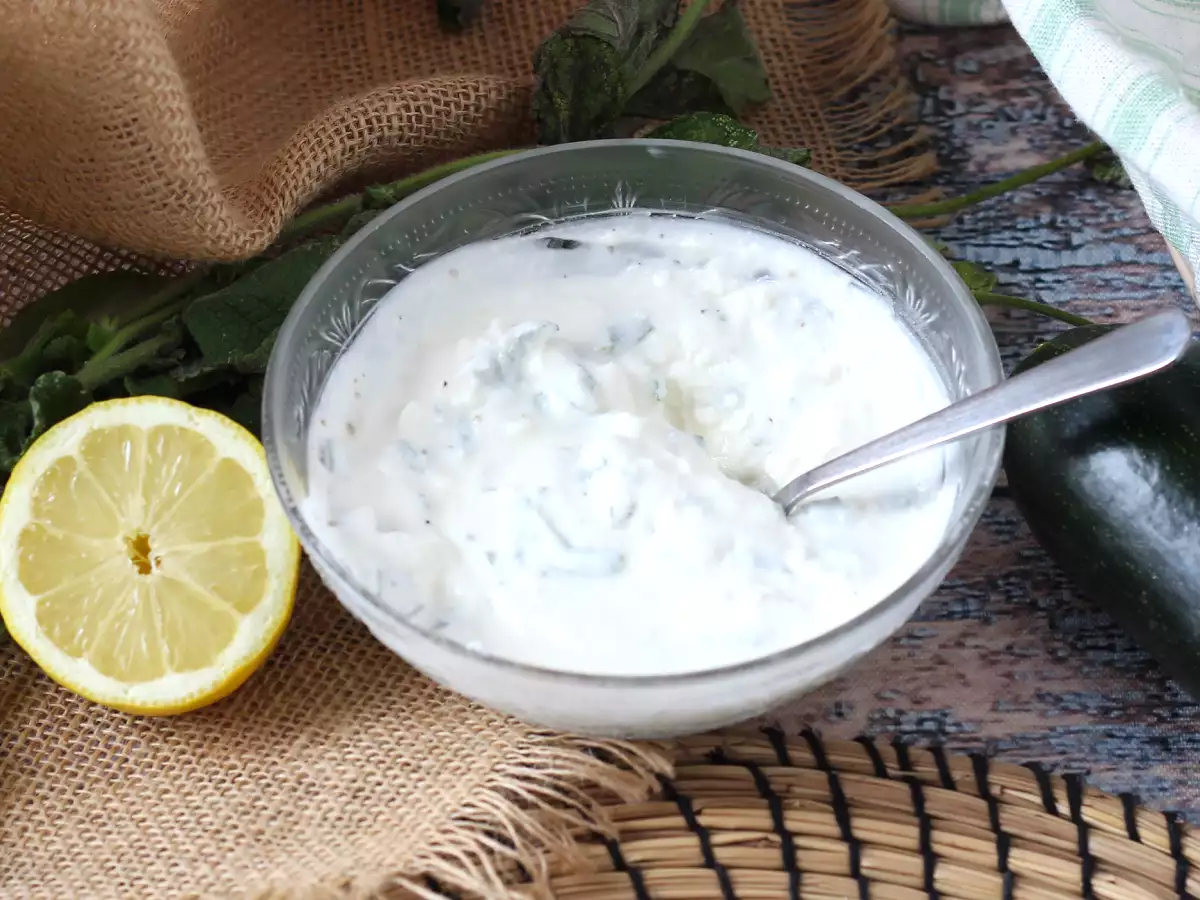
Need a fresh and flavorful sauce to go with your summer dishes? Try this yogurt, feta, lemon and mint sauce ! Easy to prepare, it's perfect for adding a burst of flavor to your salads, grilled meats or roasted vegetables. The feta adds a salty...
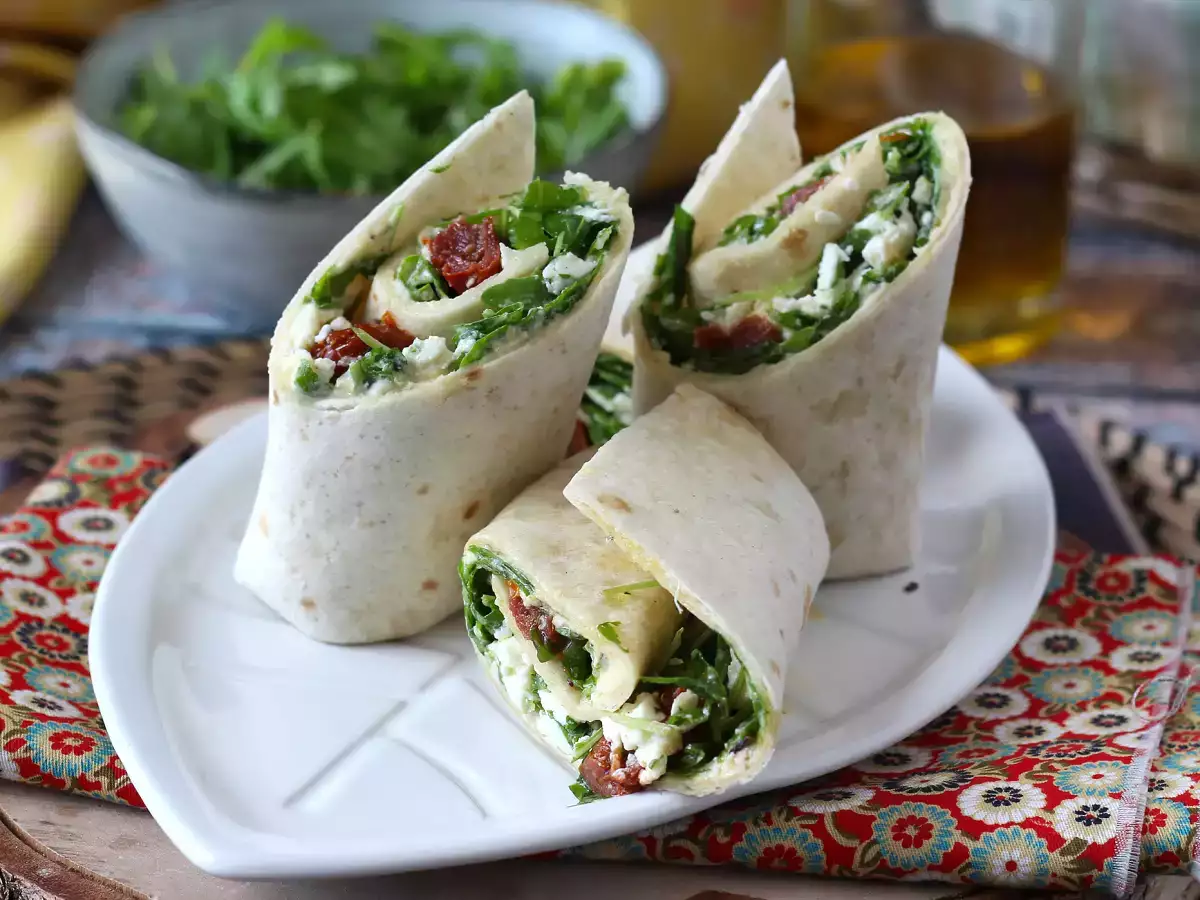
The Mediterranean wrap filled with hummus , arugula, peppers and feta is a delicious and versatile option for anyone looking for a light , tasty and nutritious meal . This combination of fresh, vibrant ingredients, inspired by the rich...
9. Don't try to imitate meat at all costs
Plant-based steaks, plant-based sausages, or meatless nuggets can certainly come in handy. But for everyday cooking, you can also simply make dishes that don’t need to imitate anything.
A mushroom risotto, pasta with eggplant, a chickpea curry, lentil patties, a tomato-feta quiche… these are real dishes, not “meat-free versions.”
And often, that’s where it gets the most enjoyable: you’re not comparing, you’re discovering something new.
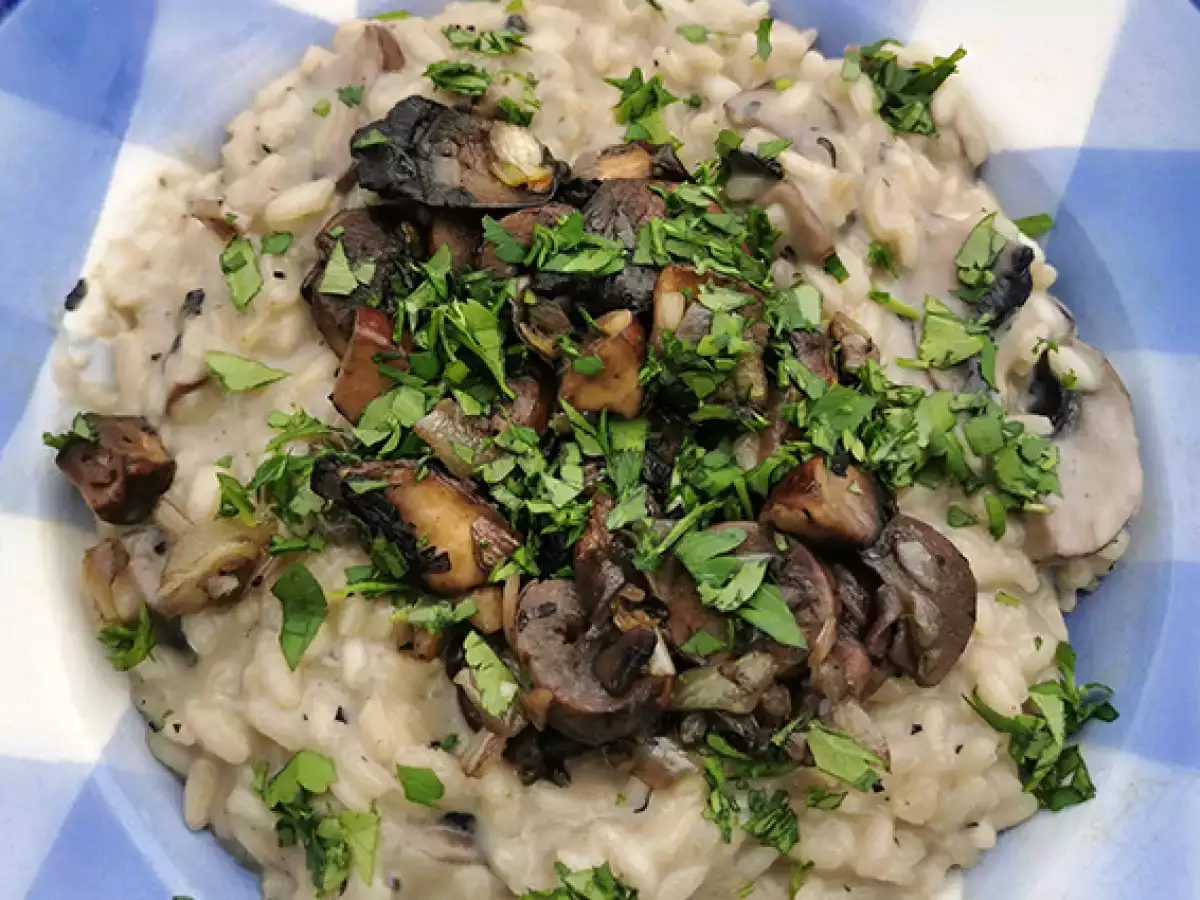
Here I’m sharing a risotto where some of the mushrooms are cooked with the rice, while the rest are sautéed in a pan and added to your plate just before serving. It’s a flavour-packed combination that I love pairing with freshly chopped parsley :-)
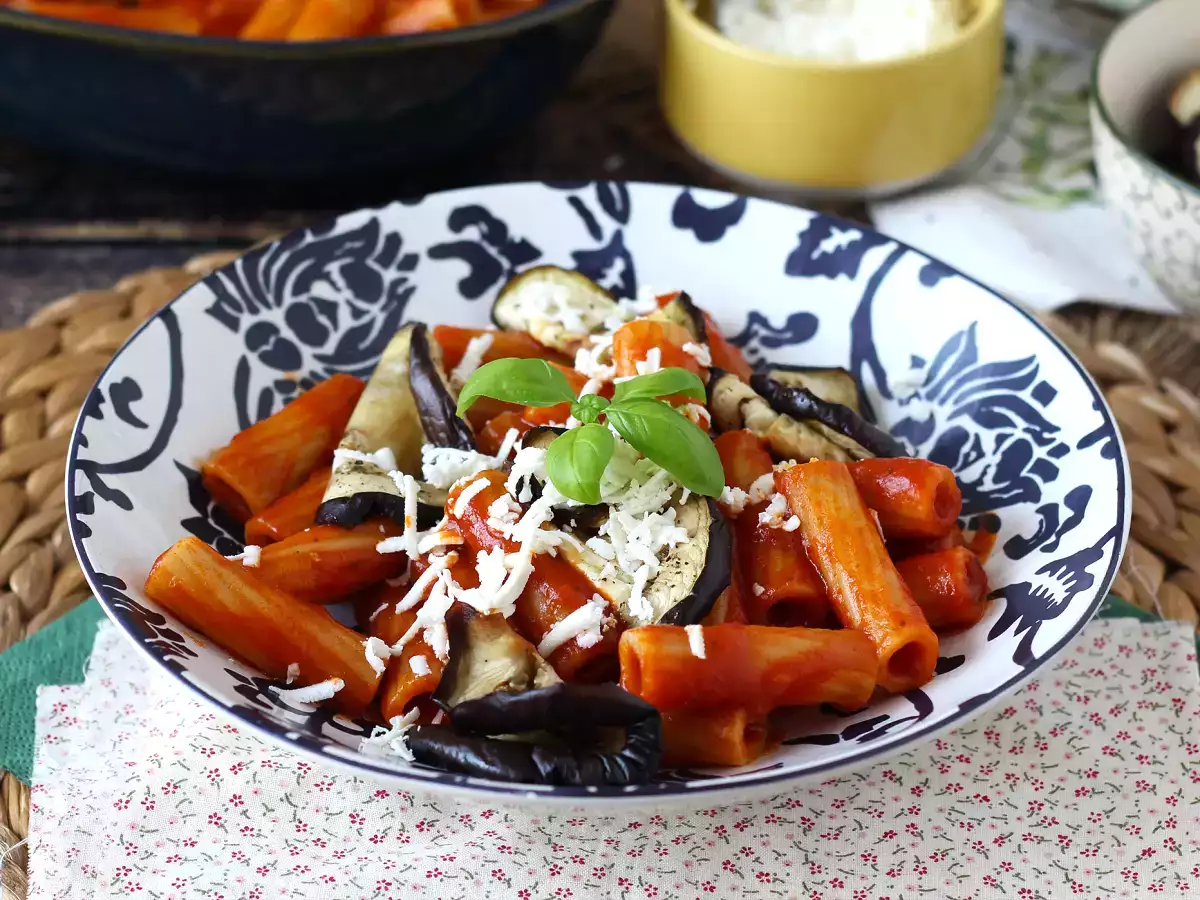
Get ready to travel straight to Catania in Sicily , where the delicate notes of grilled eggplant , juicy tomatoes and creamy ricotta come together to create a delicious, easy and inexpensive summer pasta dish! This recipe for "Pasta alla Norma"...
10. Take it step by step, without putting pressure on yourself
The most important thing is to find a rhythm that works for you. One vegetarian meal a week, then two. A slightly smaller portion of meat, with more vegetables on the side. Replacing a fish dish with eggs. A lentil salad instead of a ham salad.
Every little change counts. And above all, it’ll be much easier to stick with it over time if your meals remain tasty, simple, and tailored to your preferences.
Ultimately, cutting back on meat and fish isn’t about depriving yourself. It’s mainly about opening the door to new recipes, new textures, and new seasonings.
Now that you know all this, all that’s left is to choose your first recipe… and let chickpeas, lentils, or vegetables take up a little more space on your plate :)
 Adèle Peyches
Comments