Korean recipes: easy gochujang dishes, bibimbap and street-food ideas
vote now
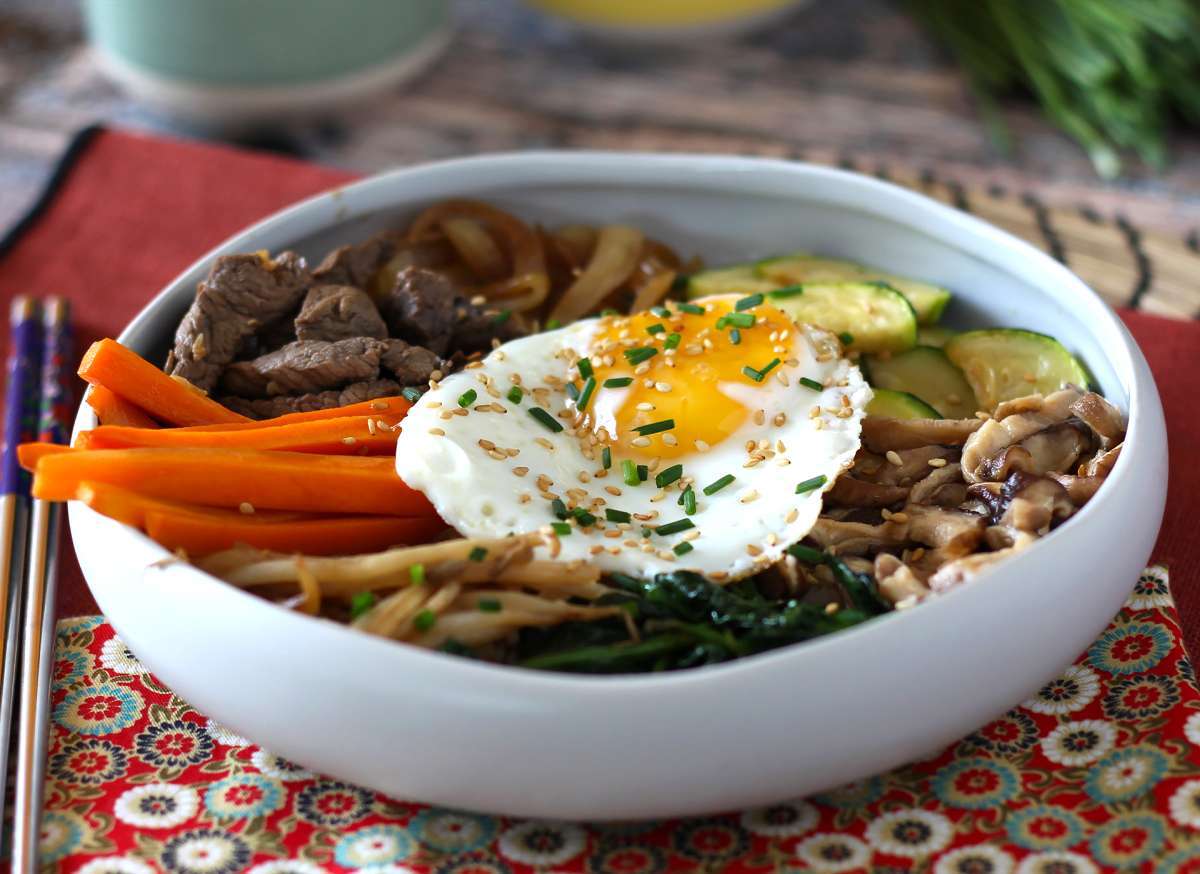
In this hub, you’ll find easy Korean-inspired recipes for every occasion: bibimbap, gochujang sauce, Korean fried chicken, spicy salmon, marinated eggs, Korean mushrooms, kimchi, japchae, tteokbokki and mango bingsu.
Choose the right idea depending on your mood: bibimbap for a complete rice bowl, gochujang recipes for heat and depth, Korean fried chicken for sharing, or Korean desserts when you want something sweet, chewy or refreshing.
Essential Korean recipes to start with
These recipes are the best introduction to Korean cooking: a complete rice bowl, a spicy sauce, marinated eggs, mushrooms with gochujang and crispy fried chicken.
They are ideal when you want to understand the flavors that make Korean-style meals so appealing: sweet, spicy, savory, fermented and crunchy elements served together in one generous plate.
They are ideal when you want to understand the flavors that make Korean-style meals so appealing: sweet, spicy, savory, fermented and crunchy elements served together in one generous plate.


Gochujang recipes: spicy, sweet and savory ideas
Gochujang is one of the key flavors in Korean-inspired cooking. This fermented chili paste brings heat, sweetness, umami and depth to sauces, marinades and quick dinners.
Use these recipes when you want a bold meal without complicated preparation. Salmon, shrimp, broccoli, mushrooms and crispy chicken all work beautifully with gochujang-style sauces.
Use these recipes when you want a bold meal without complicated preparation. Salmon, shrimp, broccoli, mushrooms and crispy chicken all work beautifully with gochujang-style sauces.


Korean rice bowls and complete meals
Korean meals often feel complete because they combine rice, vegetables, protein, sauce and toppings in one balanced plate.
These recipes are useful for lunch, dinner and meal prep. Bibimbap, crispy rice omelet, wholegrain rice with shrimp and Korean-style beef pockets bring rice, vegetables and bold seasoning together in practical formats.
These recipes are useful for lunch, dinner and meal prep. Bibimbap, crispy rice omelet, wholegrain rice with shrimp and Korean-style beef pockets bring rice, vegetables and bold seasoning together in practical formats.


Kimchi recipes and fermented flavors
Kimchi brings acidity, crunch and fermented depth to Korean cooking. It can be served as a side dish, added to soups, folded into fried rice or used in savory snacks.
These recipes are helpful when you want stronger, more traditional Korean flavors or when you want to add freshness and heat to a simple meal.
These recipes are helpful when you want stronger, more traditional Korean flavors or when you want to add freshness and heat to a simple meal.


Korean noodles, rice cakes and street-food favorites
Korean street-food recipes are often spicy, chewy, comforting and fun to share.
Tteokbokki, japchae, rice cake soup and sweet potato starch noodles are excellent choices when you want a dish with texture and character. They are perfect for casual dinners, weekend cooking and anyone who enjoys spicy sauces and chewy rice cakes.
Tteokbokki, japchae, rice cake soup and sweet potato starch noodles are excellent choices when you want a dish with texture and character. They are perfect for casual dinners, weekend cooking and anyone who enjoys spicy sauces and chewy rice cakes.



Korean chicken, beef and barbecue-style recipes
Korean-inspired meat recipes are known for marinades, grilled flavors, lettuce wraps and sticky sauces.
These ideas are ideal for sharing meals, barbecue-style dinners and quick family plates. Serve them with rice, lettuce, kimchi, pickled vegetables and a spicy sauce for a more complete Korean-style table.
These ideas are ideal for sharing meals, barbecue-style dinners and quick family plates. Serve them with rice, lettuce, kimchi, pickled vegetables and a spicy sauce for a more complete Korean-style table.


Korean appetizers, dumplings and side dishes
Korean meals are often built around small plates and sides that add freshness, crunch and variety.
Mandu, cucumber kimchi, braised potatoes and pickled vegetables are useful for appetizers, lunch boxes or side dishes. They help balance spicy mains and make the table feel more generous.
Mandu, cucumber kimchi, braised potatoes and pickled vegetables are useful for appetizers, lunch boxes or side dishes. They help balance spicy mains and make the table feel more generous.


Korean desserts and sweet treats
Korean desserts can be refreshing, chewy, fried or playful, often using rice flour, honey, fruit, ice or soft fillings.
Mango bingsu is perfect for summer, while yakgwa, hotteok and Korean mochi-style sweets bring a richer street-food or tea-time feeling.
Mango bingsu is perfect for summer, while yakgwa, hotteok and Korean mochi-style sweets bring a richer street-food or tea-time feeling.


How to build a Korean-style meal
Start with rice or noodles.
Rice, glass noodles, udon-style noodles or rice cakes create the base of the meal.
Add a flavorful protein.
Eggs, beef, chicken, salmon, shrimp, tofu or mushrooms work well with Korean-style sauces and marinades.
Bring heat and umami.
Gochujang, soy sauce, sesame oil, garlic, ginger, chili and fermented vegetables give Korean recipes their deep, bold flavor.
Finish with contrast.
Kimchi, cucumber, sesame seeds, scallions, lettuce, pickles or a fresh salad help balance spicy and rich dishes.
Which Korean recipe should you choose?
For a complete dinner:
Choose bibimbap, Korean-style salmon with gochujang sauce or broccoli and shrimp in Korean spicy sauce served with rice.
For sharing:
Korean fried chicken, mandu dumplings, Korean beef lettuce wraps and Korean-style beef pockets are perfect for casual meals.
For fermented flavor:
Kimchi, cucumber kimchi, kimchi soup and kimchi fried rice are the best choices.
For street-food comfort:
Tteokbokki, japchae and rice cake dumpling soup bring chewy textures and generous flavors.
For dessert:
Mango bingsu, Korean Dubai chewy cookies, yakgwa and hotteok are fun sweet options.
Comments